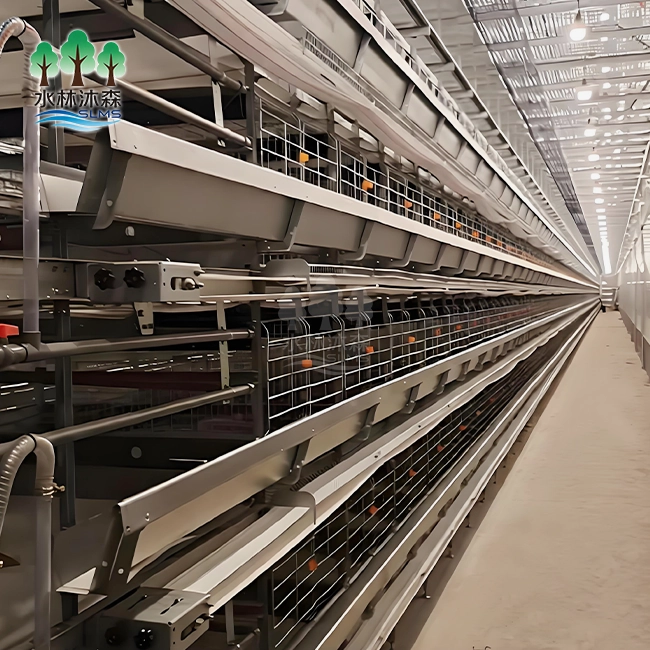
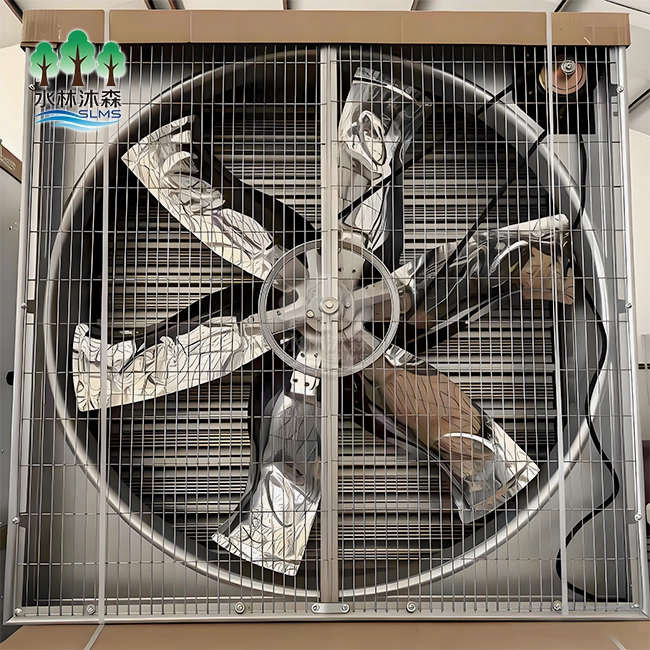
Best evaporative ventilation curtains for chicken houses
When chicken farms have problems with heat stress, a tried-and-true technology that changes hot, stale air into cool, filtered comfort can help. The Chicken House Evaporative Ventilation Curtain is a well-thought-out option that lowers the temperature by 5 to 8°C by evaporating water. These systems keep big farms' climates stable. They are made of high-molecular-weight cross-linked polyethylene and have frames that won't rust. The Model 7090 variant, which comes in two thicknesses of 15cm or 20cm, is the standard for tunnel ventilation designs in broiler and layer homes.


Understanding Chicken House Evaporative Ventilation Curtains
As specialized heat exchanges made just for farm ventilation systems, Chicken House Evaporative Ventilation Curtains do their job. The technology is based on an organized cellulose material that uses spatial cross-linking technology to make the most of the surface area where moving water and air molecules can touch each other. When hot air from the outside hits the wet screen material, the water molecules absorb the heat and change from liquid to vapor. This cools the air naturally before it gets into your chicken coop.
Core Components of Effective Cooling Systems
The system design is made up of three linked parts that work together in sync. High-molecular-weight polyethylene cooling pads are the main way that heat is removed. They have a curved shape that makes air flow in a rough pattern. These bumps make the time that air and water are in touch longer, which raises the evaporative efficiency rates to 80–85% at normal face speeds of 1.5–2.0 meters per second.
The frame structure is made of either an aluminum alloy or stainless steel. This gives it corrosion resistance, which is important in chicken farms with lots of wetness and ammonia gases, which would quickly break down less durable materials. Water circulation systems use gravity-fed or pumped distribution networks to keep the curtain area consistently saturated.
Operational Mechanics Explained
The success depends on how the pressure differences inside the chicken house are set up. The exhaust fans at the other end create negative pressure, which forces air from outside to flow through the wet screen instead of gaps or other spaces. Face velocity calculations prove critical here—air moving too slowly fails to carry adequate moisture particles, while excessive velocity creates water droplets that reduce evaporative surface area. The Model 7090 number refers to the flute sizes: 7mm wave height organized at 45-degree angles gives the best mix between static pressure resistance and cooling efficiency, so fans can run without using too much energy.
Benefits of Using Evaporative Ventilation Curtains for Poultry
The main benefit is that it helps control temperature, but there are many more benefits besides just cooling. These systems make measurable gains in a number of operating areas that have a direct effect on your bottom line and the standards of bird care.
Temperature Control and Energy Savings
In hot, dry places, Chicken House Evaporative Ventilation Curtains lower the temperature of the air coming in by 5 to 8°C. This keeps the feed intake at its best for broilers and the production rate at its highest for layers. Mechanical refrigeration systems need 10 to 15 kilowatts of energy per ton of cooling capacity. Evaporative systems, on the other hand, run mostly on fan electricity and low-current water pumps, which lowers the cost of climate control by 80 to 90%. This huge drop in energy use means lower monthly electricity bills and a smaller carbon footprint, which is in line with sustainability goals that business buyers and food chain partners are placing more importance on. The money saved is especially important during the summer, when people usually need a lot of cooling.
Enhanced Air Quality and Filtration
In addition to changing temperature, the wet screen surface works well as a particle filter. Dust, pollen, and pathogen-carrying particles in the air hit the wet media and get stuck there before they can get into the chicken house. This natural cleaning process lowers the amount of respiratory toxins that are bad for birds' health. This is especially important in places where there is a lot of dust or when it's dry. When birds come in contact with cleaner air, their respiratory systems are healthier, they need less care from veterinarians, and they eat more because they don't have to work as hard to fight off external stresses.
Humidity Management Benefits
Controlling the humidity level stops both too much dryness, which can hurt mucous membranes, and too much wetness buildup, which can help mold grow. The evaporation process adds the right amount of wetness to the air that comes in, keeping the relative humidity between 50 and 70%, which is the best range for chickens' comfort. This balance is especially helpful in dry areas where air flow that hasn't been changed would make it dusty and dry. The right humidity also protects the quality of the egg shells during layer operations and lowers the amount of dust in the air that wears down ventilation systems over time.
Common Challenges in Poultry Ventilation and How Curtains Address Them
Traditional ventilation methods that only depend on fan power have trouble with extreme weather and don't provide the flexible cooling that modern high-density businesses need. During the summer, heat waves overrun simple air exchange systems, causing dangerous temperature spikes that can kill whole groups in just hours. When it comes to winter operation, two problems arise: too much ventilation causes cold stress, and not enough movement lets ammonia and carbon dioxide build up.
Solving Uneven Temperature Distribution
With most fan systems, there are hot spots near the center of the house and cold spots near the entrances. Birds naturally stay away from places that are uncomfortable for them, which leads to an odd density distribution that makes it harder for birds to find a place to live. Installing Chicken House Evaporative Ventilation Curtains across whole wall sections cools the whole area where air comes in evenly. When paired with the right placement of the vent fan, this keeps the air speed and temperature constant along the length of the house. The result is even spread of birds, the best use of space, and the removal of microclimates that hurt output measures.
Adapting to Seasonal Variations
Curtain systems can be used in a variety of ways, so they can meet your air needs all year long. During the hottest parts of summer, water pumps run all the time, providing the most cooling power. Moderate temperatures let the system work on and off, changing the flow of water based on what the temperature sensor says. During the winter, the curtains stay dry and act as intake baffles, mixing cold air going in with warmer air inside the house before it reaches bird level. Because it is flexible, it doesn't need to be changed separately for each season. This makes management easier and cuts down on the cost of buying new equipment for each air setup.
Comparing Evaporative Ventilation Curtains with Other Cooling Solutions
It's easier to see why investing in Chicken House Evaporative Ventilation Curtains is a good idea when you know how other cooling technologies work and what their economic effects are. Each method has its own pros and cons that depend on the climate, the form of the building, and the goals of the operations.
Evaporative Curtains Versus Mechanical Fans
Fan systems that work on their own move air without changing the temperature. Large-diameter airflow fans make it seem cooler by removing heat from bird surfaces through convection, but the temperature outside stays the same. When the temperature outside is above 32°C, moving the air around is not enough to keep people from getting heat stress. This problem can be fixed with evaporative screens, which cool the air before it hits the flock.
For better results, use both technologies together: exhaust fans moving air through cooling media; this is better than using either one alone. Comparisons of energy use show that fans alone need to be running at high speeds all the time during heat events, while evaporation systems lower temperatures more quickly while using the same amount of electricity or less.
Comparison with Pad Cooling Systems
Pad cooling works on the same basic evaporation principles, but it is used in different ways and on different sizes. Smaller cooling units are usually placed inside or next to chicken houses in pad systems. These units can be used for spot cooling or extra cooling. In tunnel ventilation designs, Chicken House Evaporative Ventilation Curtains, especially the Model 7090 arrangement, cool the whole house by covering the whole wall. This all-around method makes it easier to keep the temperature stable in buildings that house 50,000 to 100,000 birds.
When retrofitting, pad systems work best when a full tunnel conversion isn't possible, but curtain installations work better in business operations that were built from scratch or that have been rebuilt. Different materials also last for different amounts of time. High-quality curtains have UV-resistant coatings and frames that won't rust, so they can be exposed to constant sunlight in farms during multiple production cycles.
Durability and Customer Feedback on Top Brands
When investing in ventilation systems, you need to be sure that the products will last and that the maker will back them up. Total ownership costs are greatly affected by the quality of the materials used, how long they last, how often they need to be maintained, and how much they cost to replace.
Material Innovation and Construction Quality
Premium Chicken House Evaporative Ventilation Curtains use phenolic resin-impregnated cellulose that doesn't break down biologically even when it's exposed to water all the time. The cross-linked polymer structure keeps its shape even when it's fully saturated, so it doesn't collapse or shrink after one season like cheaper goods do. The frame materials are also very important.
Aluminum alloy and stainless steel are both good choices because they don't rust, which is important in places where ammonia levels hit 25 parts per million. Weifang Shuilin Musen Aquaculture Equipment Co., Ltd. uses these material standards in all of our products and tests them thoroughly from the time we choose the raw materials to the time they are put together. Our research team checks each part's performance against standards like keeping its wet strength, being stable in UV light, and keeping its shape when heated and cooled many times.
Real-World Performance Data
Customers all over the United States say that Chicken House Evaporative Ventilation Curtains last three to five years when they are used continuously. If they are maintained properly, they can last even longer. Large integrator operations in the Southeast, where summer temperatures regularly reach over 35°C and there is a lot of humidity, have seen constant drops in temperature and rises in feed conversion rates.
Equipment dealers who work with many farms say that curtain systems have lower service call rates than mechanical cooling options, which lowers the cost of upkeep. We offer a one-year guarantee because we're confident in the quality of our products, and our technical support team is always available to make sure that any problems with operation are fixed quickly. This mix of long-lasting products and quick service builds the trust that is needed for long-term provider ties.
How to Choose the Best Evaporative Ventilation Curtain for Your Chicken House?
There are more than just simple dimensional matching factors used for selection. The best way to specify a system is to look at the features of the building, the output goals, the weather, and the budget to find the configuration that gives you the most value.
Sizing and Customization Considerations
Curtain sizes must match the width of the building and the height at which they are to be installed, taking into account where the structure will connect and how the water will be distributed. The length and width of the Model 7090 system can be changed, so it can be perfectly fitted to buildings as wide as 40 feet for broiler houses and as wide as 60 feet for layer complexes.
The choice of thickness between 15cm and 20cm relies on how bad the climate is. The 20cm option is better for cooling in very hot and dry places, while the 15cm option is fine in milder climates. Custom frame manufacturing can work with building features and sizes that aren't standard, such as doors, structural beams, or equipment holes. This makes sure that the connection goes smoothly no matter how old or new the building is.
Matching Systems to Production Types
Broiler operations focus on fast air exchange to keep up with the high metabolic heat production of birds that grow quickly. The high air speed needed is provided by tunnel ventilation with Chicken House Evaporative Ventilation Curtains for input cooling, which is about 2.5 meters per second at bird level. Layer houses need slower speeds so that they don't bother the birds' breeding behavior and the temperature stays stable. Breeding facilities need precise weather stability to get the best rates of fertility and hatchability. This is why quality blinds that work well every time are so valuable. Understanding these production-specific needs helps choose the right system size and control approach.
Evaluating Long-Term Cost Effectiveness
The initial buying price is only a small part of the total cost of owning. Over the course of five years, equipment's energy use usually exceeds its cost several times over. This makes operating economy the most important economic factor. Maintenance needs, such as how often to clean, how often to change media, and how long parts last, affect work costs and downtime. Initial setup costs are affected by how hard the installation is. Systems that are made to be easy to place and come with full technical support save contractors time and trouble during testing. We offer installation videos and detailed instructions to make deployment easier. For more complicated projects that need hands-on help, we also offer on-site installation services.
Cost and Energy Efficiency Factors in Decision Making
When doing financial research to help make choices about buying equipment, you need to look at both the current costs and the long-term costs of running the business. By looking at the big picture of the economy, buying managers can come up with strong reasons for allocating capital.
Investment and Operating Expense Analysis
For a normal 40-foot by 500-foot broiler house, Chicken House Evaporative Ventilation Curtains usually have material costs that range from the price of the equipment, which depends on how it is customized and the frame material chosen. Depending on how easy it is to get to the building and what infrastructure is already there, installation costs can be anywhere from 15 to 20 percent of the cost of the tools.
Operating costs are mostly made up of water use, pump power, and air fan operation. During active cooling, only about 3 to 5 gallons of water are used per minute, which means that the city doesn't have to pay much for water, even during long times of heat. The electricity demand for a pump rarely goes over 0.5 kilowatts, while the main energy cost for all air methods, regardless of the cooling method, is running the fans.
Return on Investment Calculations
Performance improvements deliver measurable financial returns through multiple mechanisms. Less death from heat stress prevention directly saves the value of birds and keeps production plans on track. Feed cost per pound of gain or dozen eggs produced goes down when feed conversion goes up by a small amount, usually 0.05-0.10 points during times of heat stress. Faster growth rates for broilers cut production cycles, which lets more flocks be raised each year and makes better use of the building.
Layer activities keep peak production curves going longer into the summer, which makes the most of the money invested in pullets. These perks usually pay for themselves in 18 to 30 months, though this depends on how bad the weather is and how much power costs. Our one-year guarantee covers premature equipment failure, and the sturdy construction means that the equipment will keep working well after it has reached the break-even point.
Installation and Maintenance of Evaporative Ventilation Curtains
The success of a system depends on how well it was installed, and regular upkeep keeps it running efficiently for as long as it's needed. Structured methods and close attention to technical details are helpful in both stages.
Installation Process and Best Practices
Before starting to prepare the site, make sure that the structure connection points can hold the weight of the Chicken House Evaporative Ventilation Curtain even when they are completely submerged in water. Frames are attached to building columns or wall surfaces with corrosion-resistant bolts that are spread out according to engineering standards. Positioning is important for water distribution systems to make sure that the curtain height is evenly saturated. For gravity feed designs, the difference in elevation must be just right, and pumped systems must be the right size to avoid pressure losses.
The ability to combine and splice modular curtain pieces makes it easier to fit them into complicated wall configurations or to fit them around doors and equipment holes. Local rules should be followed when connecting electrical parts for pumps and control systems. There should be proper overcurrent safety and ground fault interruption. We offer full installation videos that show each step of the process, as well as expert help that you can get by phone or email. On-site installation service is still available if the job is too complicated or time constraints make it necessary for a professional to be sent out.
Maintenance Protocols for Longevity
The main goals of routine care are to keep the curtains clean and the water system working properly. Cleaning before the summer season gets rid of dust and bacterial growth that make evaporation less effective. When low-pressure washing goes against the flow of air, it pulls contaminants away from the media structure instead of deeper into it. Managing the water quality stops mineral scale from building up; keeping the pH between 6 and 8 and using regular bleed-off processes lowers calcium carbonate layers.
Controlling algae with approved treatments keeps distribution systems clean and stops smells that come from living things. When the frame is inspected, rust or broken fasteners are found that need to be fixed. The low airflow resistance built into the Model 7090 design reduces pressure drop that could mean clogging. However, keeping an eye on static pressure across the screen lets you know early on when maintenance is needed.
Troubleshooting Common Issues
Even when good equipment is used and installed correctly, operational problems can still happen. By recognizing signs and getting to the bottom of what's causing them, problems can be fixed quickly and with little effect on production.
Addressing Airflow and Cooling Problems
Incomplete Chicken House Evaporative Ventilation Curtain absorption is often the cause of poor cooling performance. By checking the water distribution, you can be sure that all areas get enough flow. Dry spots are caused by clogged distribution holes or broken pump impellers, which stops evaporation from working. When exhaust fans are too small or don't work right, they create too little negative pressure, which lets air in through unexpected holes and around the curtain.
By measuring the static pressure difference, we know that the fans are drawing enough water across the screen, which is usually between 0.08 and 0.12 inches. Mineral scale builds up over time and makes the pores smaller, so you may need to clean more thoroughly or change the media, based on how bad the problem is. Because our curtains are very absorbent and don't block air flow, these problems don't happen as often, but regular inspections catch problems as they start to happen before they affect production.
Resolving Physical Damage Concerns
Physical screen damage from mechanical impact or too much pressure needs to be fixed right away to keep the system's integrity. Even though the corrosion-resistant frame structure and long service life materials we use are strong enough to handle the standard challenges of an agricultural setting, accidents do happen. The modular design of the curtain lets you replace broken parts without taking the whole system apart.
Most frame fixes involve replacing fasteners or touching up protection coatings in certain areas. Leaks in the water system at links or pump seals need to be fixed right away to stop water from being wasted and the system from not being fully saturated. Keeping extra parts for important parts like pumps and distribution manifolds on hand cuts down on downtime while fixes are being done.
Conclusion
Chicken House Evaporative Ventilation Curtains are a mature and tried-and-true device that helps chicken farms deal with heat stress in a measured way. The ability to significantly lower temperatures, save energy, and filter air all work together to meet multiple practical goals at the same time. Quality construction with materials that don't rust and cooling media that absorb a lot of heat guarantees reliable performance over many production cycles.
The business value is maximized when the right method is chosen based on the size of the house, the type of production, and the climate. Installation with the help of a lot of expert resources and care that follows set rules keep the system working well for as long as it's used. As automation, sustainability, and animal welfare become more important in the business world, evaporative cooling systems that are in line with these goals set forward-thinking companies up for continued success.
FAQ
Q1: What temperature reduction can I expect from evaporative curtains?
A: In dry, hot places, Chicken House Evaporative Ventilation Curtains can lower the temperature of the air coming in by 5 to 8°C. The efficiency varies on the temperature, humidity, and speed of the air moving through the media. Conditions that are hot and dry cool things down the most, while conditions that are humid cool things down less.
Q2: How long do quality evaporative curtains last?
A: If you clean and manage the water quality regularly and do other things that are recommended, premium curtains can last three to five years of continuous use. Our frames don't rust, and the cooling media we use is of higher quality, so they last longer than cheaper options that might need to be replaced after one or two seasons. The free warranty for one year gives you even more confidence in the quality of the manufacturing.
Q3: What maintenance does the system require?
A: As part of regular maintenance, the water system is inspected and treatments are applied to stop algae growth. Problems caused by pressure are kept to a minimum by the low ventilation resistance design. Checks on the water distribution make sure that the whole area is saturated, and the frame checking finds any rust or fastener problems that are starting to show. Most of the time, these simple tasks only take a short time and some basic farm tools.
Partner with Shuilin Musen for Proven Cooling Solutions
Weifang Shuilin Musen Aquaculture Equipment Co., Ltd. has been providing reliable climate control for poultry farms for eight years, honing their engineering skills. Our Model 7090 evaporative cooling curtains mix high-molecular-weight polyethylene media with aluminum alloy or stainless steel frames, giving the durability and efficiency large-scale farms expect. Customization fits your unique building dimensions and operational requirements, while our five-member research team ensures product specs match your application needs.
Installation help through thorough videos and on-site service options simplifies rollout, and our one-year warranty protects your investment. Contact our team at wangshuaislms@gmail.com to discuss your ventilation issues with a reliable Chicken House Evaporative Ventilation Curtain provider focused on lowering your running costs and improving bird welfare. We provide expert advice, reasonable prices for bulk orders, and the responsive service that builds lasting relationships.
References
1. American Society of Agricultural and Biological Engineers. (2019). Design of Ventilation Systems for Poultry and Livestock Shelters. ASABE Standards EP270.5.
2. Czarick, M., & Lacy, M. (2018). Tunnel Ventilation of Broiler Houses. University of Georgia Cooperative Extension Bulletin 1084.
3. Gates, R.S., & Overhults, D.G. (2014). Evaporative Cooling Systems for Livestock Housing. University of Kentucky Agricultural Engineering Extension Publication AEN-106.
4. Liang, Y., Xin, H., Wheeler, E.F., Gates, R.S., & Topper, P.A. (2005). Effectiveness of Cellulose Pads as Evaporative Cooling Media. Applied Engineering in Agriculture, 21(4), 687-691.
5. Nawalany, G., Sołowiej, P., & Bieda, W. (2020). Analysis of Cooling Pad Efficiency in Poultry House Ventilation Systems. Journal of Ecological Engineering, 21(6), 96-102.
6. Yahav, S., Straschnow, A., Luger, D., Shinder, D., Tanny, J., & Cohen, S. (2004). Ventilation, Sensible Heat Loss, Broiler Energy Balance Under Hot Conditions. British Poultry Science, 45(5), 633-639.
Learn about our latest products and discounts through SMS or email