Top Advantages of Installing a Poultry Cooling Pad System in Your Poultry Farm
Effectively reducing heat stress in modern chicken farms, evaporative cooling devices are the best way to go. By adding a Poultry Cooling Pad System to your chicken coop or duck shed, you can solve one of the most important problems that farmers face: keeping the environment in good shape during extreme weather. These systems work by moving hot air through pads that are soaked with water. This lowers the temperature by 5 to 8 degrees Celsius while also making the air better and making birds happier. When these cooling solutions are used in large-scale operations, they change the way we think about temperature control. They combine energy efficiency with proven performance, which has a direct effect on your bottom line by lowering death rates and increasing feed conversion ratios.


Understanding Poultry Cooling Pad Systems: How They Work and Their Core Benefits?
The Science Behind Evaporative Cooling Technology
Simple thermodynamic rules have been used successfully in agriculture for decades to explain how evaporative cooling works. When hot air from outside moves through wet cellulose media, water molecules take in heat energy and change from a liquid to a gas. This phase change uses a lot of thermal energy even though there is no motorized cooling. This makes the air coming into your chicken house much cooler. The amount of humidity in the air has a big effect on how well this process works. Dry areas lower temperatures better than humid ones.
Our Model 7090 cooling pad is made of high-molecular-weight cross-linked polyethylene that was specially designed to work in farming settings. The wavy shape makes the most surface contact between the water and air while keeping the static pressure low. When matching cooling pads with current negative pressure ventilation systems, this design factor becomes very important. This will make sure that your exit fans don't work too hard and that there is enough airflow throughout the barn.
Material Quality Determines Long-Term Performance
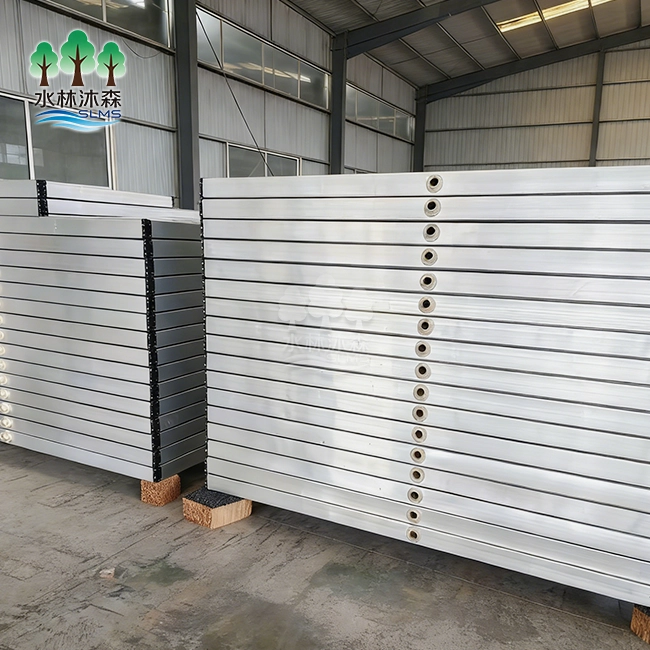
The choice of material and the way it is made have a direct effect on how long cooling devices last. Premium cellulose pads that have been treated with antifungal agents and structural resins don't break down when they are exposed to steady wetness and the chemicals found in chicken houses. You can choose from frames made of corrosion-resistant aluminum alloy or stainless steel for our cooling pads, based on your needs and budget. The tough conditions of chicken farms, which include high humidity, ammonia, and cleaning products, can't hurt these frame materials.
How much water something can hold is another defining trait. The best pads quickly remove moisture from the skin by drawing water up through capillary forces so that the whole surface of the pad stays saturated. When water isn't spread out evenly, dry spots form where hot air can escape the cooling process. This makes the system less effective and causes uncomfortable temperature differences in your building.
Operational Benefits Beyond Temperature Reduction
In addition to cooling, these devices work well as shields against air pollution. As fresh air comes in and goes through wet media, dust, pollen, and germs in the air become trapped in the pad structure. This filtering effect makes the air healthier for your flock's lungs, which lowers the risk of disease spreading and makes the farm cleaner for everyone who works there. When birds are healthier, their growth rates and feed economy measures always go up, which directly leads to higher profits.
Comparing how much energy different cooling methods use shows that some are much better than others. Traditional cooling systems require big investments in electricity infrastructure and have ongoing costs that make it hard to make a profit when the margins are already very small. Evaporative cooling lowers temperatures just as much as other methods, but it uses only about one-eighth as much energy. This means that it can be used cheaply even for small businesses. As energy rates continue to rise across agricultural areas, this efficiency edge becomes more important.
Top 5 Advantages of Installing a Poultry Cooling Pad System in Your Poultry Farm
Enhanced Bird Welfare and Productivity Outcomes
Heat stress makes chickens' bodies react in ways that hurt their output very badly. When the temperature outside is higher than 85°F (29°C), chickens eat less because their bodies try to make less metabolic heat. Unfortunately, this defense strategy happens at the same time that broilers gain less weight and laying farms lay fewer eggs. Studies done in business buildings show that using the right cooling system keeps temperatures in the right range, which keeps people's appetites satisfied and keeps work goals met even during the hottest parts of summer.
Another very important issue is the number of deaths that happen during heat waves. Sudden temperature changes can kill groups within hours, causing huge financial losses that are many times greater than the costs of installing a cooling system. When compared to sites that only use ventilation fans, operations that have effective Poultry Cooling Pad System report a mortality decrease of over 60% during harsh weather events. From a risk management point of view, this security alone makes the method worth using.
Substantial Energy Cost Savings
When our cooling system is combined with negative pressure ventilation, it makes automatic temperature control that doesn't need much supervision. The parts that move the water work well with normal agricultural power sources, so you don't have to pay extra for demand charges or make changes to your infrastructure for compressor-based cooling equipment. Farmers say that using this way of cooling saves them 30 to 40 percent of the energy used by other methods and gives them better temperature control results.
Our Model 7090 system's flexible design lets it grow slowly as activities do, so you don't have to spend too much on too much capacity while still having the freedom to make upgrades. You can set up pad setups to fit specific barn sizes and airflow needs, which makes sure that air moves quickly through the cooling media. Face motion should be kept between 1.5 and 1.75 meters per second so that cooling efficiency and static pressure are both taken into account.
Minimal Maintenance Requirements
When equipment breaks down during production stages, it causes problems and costs money. Serviceability is a big part of our cooling pad design. It has simple removal steps that make it easy to change or clean pads quickly, without the need for special tools or a lot of work. The water distribution system uses simple gravity-feed or low-pressure pumping methods. If basic repair procedures are followed, parts of the system rarely break down.
As part of regular upkeep, the water flow patterns across the pad surfaces are checked on a regular basis to make sure that the whole surface is saturated and there are no dry spots or too much dripping that could mean that the pad needs to be adjusted. Mineral buildup from hard water sources is the main problem that needs to be fixed through regular acid cleaning or water treatment systems, based on the chemistry of the water in the area. These precautions make the pads last up to three to five years when they are used continuously during the growing season, which is very long for farming supplies.
Superior Cost-Effectiveness and Return on Investment
When procurement managers look at climate control assets, they have to weigh the initial capital needs against the cost savings and increased production. Evaporative cooling systems usually pay for themselves in less than three years because they lower mortality, improve feed conversion, save energy, and make the output season longer. There are even faster returns for operations in hot, dry areas; some sites report 18-month payback periods.
Our full support package comes with installation videos, technical manuals, and professional installation services that are done on-site to make sure the system is properly set up. This "turnkey" method takes away the need to guess and stops the speed problems that happen with systems that were not built correctly. Our technology comes with a one-year guarantee that covers problems with the way it was made, and we'll be here to help you with technical issues as long as you own it.
Scalable Solutions for Growing Operations
These days, chicken farms need tools that can change with their needs instead of being rigid. Our Poultry Cooling Pad System can be made in any size and is built in a flexible way that lets them be expanded or changed to fit different production models. The basic design ideas can be used for both 10,000-bird layer houses and 100,000-bird broiler buildings, as long as performance standards are met.
Because it can freely combine and splice, the system fits the layout of your building instead of making building designers make concessions. Installing retrofits into old buildings goes quickly because they work with the existing electricity and ventilation systems. This adaptability is especially helpful for businesses that are switching from open-sided living to controlled environment facilities, as it lets them make improvements gradually, spreading out the cost of capital over several budget cycles.
Comparing Poultry Cooling Pad Systems with Other Cooling Solutions
Performance Analysis: Cooling Pads Versus Fogging Systems
Fine water drops are put directly into the airstreams by fogging devices, which rely on evaporation to cool the barn space. Fogging works well in some situations, but it can cause problems like wet litter if it's not set up correctly, high relative humidity that can be too high, and upkeep problems because mineral deposits can block needle holes. Poultry Cooling Pad System units stop the drainage process at the air intake. This keeps sleeping materials from getting wet and improves humidity control.
Pad-based systems also use less water than other types of systems. Fogging systems use fresh water all the time, but recirculating water sources keep the cooling media wet with little loss. Businesses that have to deal with high water costs or limited supplies find pad systems to be more sustainable, especially during long hot times when they need to keep cooling down all the time.
Energy Efficiency Advantages Over Fan-Only Ventilation
Ventilation fans can't lower the temperature of the air by themselves; they can only move more air over bird surfaces to help the birds cool themselves through evaporation. Extreme situations, like when the air temperature gets close to body warmth, make this method impractical. By adding evaporative cooling pads, you can change the temperature of the air coming in from hot to warm before it hits your flock. This changes the thermal environment rather than just speeding it up.
The energy equation strongly supports pad and fan systems that are combined over tries to make up for the lack of ventilation with more space. Running three extra vent fans uses more electricity than running a full Poultry Cooling Pad System and doesn't provide as much comfort. This efficiency edge grows over the course of the year, saving a lot of money on energy costs.
Installation and Operational Considerations
Professional installation makes sure that it works well with any current ventilation systems and stops common problems like not enough water distribution, not enough pad support, and air leaks around pad frames. We offer installation services that are done on-site by workers who are used to working in a variety of building types and weather situations. This knowledge is very helpful when dealing with problems that only happen on one spot that theory designs can't predict.
Our technical support goes beyond the initial setup. Replacement cooling pad media are easy to find, and we're always ready to help with practical questions. Parts availability is an important thing to think about when buying something, since cooling pad media needs to be replaced every so often as part of normal upkeep. Our stock includes normal pad sizes, and we can also make pads in custom sizes to fit your frame designs.
Key Considerations for Procurement and Installation of Poultry Cooling Pad Systems
Assessing Your Facility Requirements
To find the right size system, you must first figure out how big the barn is, how much air flow it already has, and what the weather is usually like during the hottest parts of the year. Facilities in hot, dry areas get the most out of evaporative cooling. On the other hand, activities in wet areas may need extra dehumidification methods during certain weather patterns. Our engineering team can help you figure out how much load you're carrying and make system design suggestions that are specific to your area and production model.
The budget naturally affects the choice of equipment, but focused only on the beginning costs is often not helpful. A more true way to compare prices is to look at the total cost of ownership, which includes things like energy use, maintenance needs, part replacement costs, and increases in output. Many businesses find that, despite costing more at first, high-end tech choices provide better long-term value.
Selecting the Right Configuration
Our Model 7090 cooling pads come in normal thicknesses of 15 cm and 20 cm, but you can change the length and width to fit your fitting needs. It is usually thought that thicker pads improve cooling efficiency by giving air and wet media more time to touch each other. However, they also add a little more static pressure, which needs to be balanced against the fan's capacity. We help you figure out these trade-offs based on the features of your air system and your goals for lowering the temperature.
Choosing between aluminum metal and stainless steel for the frame depends on your budget and how long you expect it to last. Stainless steel is the best material for businesses that want to keep tools for a long time or that have to deal with very harsh weather. For many business setups, aluminum alloy frames are the best choice because they last longer and are easier on the wallet. A well-designed Poultry Cooling Pad System can provide significant benefits when considering these options, ensuring both longevity and cost-effectiveness in harsh conditions.
Working with Reliable Equipment Suppliers
If you buy from well-known companies with a track record of success, you can avoid quality problems and trouble getting parts that are common with cheaper options. Weifang Shuilin Musen Aquaculture Equipment Co., Ltd. has eight years of experience in manufacturing tools for farming and raising animals. They offer skilled research and development (R&D) as well as full service support. Our five dedicated engineers come up with new ideas for problems, and our quality control methods make sure that every unit we give works the same way.
When compared to buying through a number of middlemen sellers, buying directly from the maker saves money. We have reasonable prices for farm workers and equipment sellers who are in charge of multiple setups. Our terms are also open to meet the needs of each project. This business-to-business method makes buying easier and makes sure that you can get professional help at any time during the lifecycle of the tools.
Maximizing Performance: Maintenance Tips and Troubleshooting for Poultry Cooling Pad Systems
Routine Maintenance Protocols
Setting up regular repair plans keeps small problems from turning into expensive breakdowns during times of high demand. Visual checks are done every day to make sure that the water is spreading evenly across the pad surfaces and to look for dry spots or too much dripping that could mean that the pad needs to be adjusted. As part of weekly jobs, water supply lines must be checked for leaks or blockages, and circulation pumps or float valves must be confirmed to be working properly.
During seasonal upkeep, pads are cleaned more thoroughly to get rid of dust, mineral deposits, and organic matter that have built up. Depending on how hard the water is, you may need to wash the pads with acid every so often to get rid of the calcium and magnesium buildup that makes them less effective. We offer thorough care checklists and instructional videos that show how to clean pads properly so they last longer without the need for special chemicals or tools.
Troubleshooting Common Operational Issues
Problems with water distribution or air leaks around pad frames are often to blame for uneven cooling patterns. Most of the time, changing the flow rates of water or moving distribution lines will fix saturation problems. To fix air leaks, you need to use the right materials that can handle being exposed to water. During installation, we suggest certain products that won't break down.
When people complain about too much humidity, it's usually because the pad's capacity is too high compared to its ventilation rates, or the system is trying to work when it should only be in ventilation mode. Modern processor systems can automatically operate pads based on temperature and humidity monitors. This makes them more comfortable while keeping them from becoming too humid. We help you come up with a control plan that fits the needs of your building and the weather in your area.
Energy Optimization Strategies
Smart working practices balance how well cooling works with how much energy it uses. When it's not too hot in the morning or evening, turning off the water flow through the pads while keeping the air moving through the dry pads open lowers the cost of running the pump without affecting the comfort of the birds. These strategies are easy to put into action with automated controls, but careful farm managers can still get good results with human operation.
By keeping an eye on how much electricity is used, you can find ways to make things more efficient. When you look at the cooling costs of similar buildings or compare them to seasons past, you can find strange patterns that need to be looked into. Our expert support team helps you understand performance data and suggests what you should do when systems don't work as expected.
Conclusion
Using liquid cooling technology in chicken farms makes a noticeable difference in a number of performance indicators. The mix of lower deaths from heat stress, better feed conversion efficiency, lower energy costs, and low upkeep needs makes for strong economics that make investment worthwhile even for operations on a tight budget. Our Model 7090 Poultry Cooling Pad System is the result of eight years of improving engineering. It has features that are designed to solve problems in the real world of farming, not just in theory.
The design is resistant to corrosion, it has a high absorption capacity, and it doesn't block airflow. These features ensure steady performance season after season, and there is full expert support and replacement parts that are easy to find. As climate trends continue to change, extreme heat events are becoming more common. Installing a cooling system ahead of time will protect your investment in genetics, buildings, and operational infrastructure while setting up your business for long-term growth.
FAQ
Q1: How often should cooling pads be replaced?
A: If you keep your quality cooling pads in good shape and use them normally, you should change them every three to five years. The actual service life depends on the water quality, how often it is cleaned, how many hours it is used each season, and outdoor factors. If your business uses hard water and doesn't have a treatment system, the pads may not last as long because minerals build up on them. On the other hand, if you clean and condition the water regularly, you can get by with longer refill periods.
Q2: Can cooling pad systems be retrofitted into existing poultry houses?
A: Most standard chicken coops with enough exhaust fan power can handle retrofit installs without any problems. The main requirement is to make a good fixing area at the end of the barn where air enters. Depending on how the walls are currently built, this may require structural changes. Our expert team looks at how your building is set up and suggests the best ways to make changes that work with the ventilation equipment you already have, so you don't have to update the whole system.
Q3: What energy savings can I expect compared to traditional cooling methods?
A: When businesses switch from fan-only ventilation or mechanical refrigeration to liquid cooling systems, their energy costs for climate control usually drop by 30 to 40 percent. How much you save depends on things like local energy rates, the weather, the quality of the insulation in the building, and how it is used. Cost savings are biggest for facilities in hot, dry areas. Cost savings are smaller but still important for activities in humid regions. These energy savings, along with higher production, make the return on investment timelines look good.
Partner with a Trusted Poultry Cooling Pad System Manufacturer
Weifang Shuilin Musen Aquaculture Equipment Co., Ltd. is ready to use our tried-and-true Model 7090 Poultry Cooling Pad System units to change the way you control the temperature in your chicken farm. Over the course of eight years of real-world farming use, our professional research and development team has improved these solutions, making equipment that consistently works well in tough production situations. Compared to traditional cooling ways, we cut your labor costs by over 40% while offering full support, including installation videos, professional installation on-site, and quick technical help backed by a one-year guarantee. Email our team at wangshuaislms@gmail.com to talk about your unique business needs and get a quote that fits them.
References
1. Anderson, J.R., & Peterson, M.L. (2019). Evaporative Cooling Systems in Commercial Poultry Production: Performance Analysis and Economic Benefits. Agricultural Engineering Department, University of Arkansas.
2. Chen, W., & Roberts, D.K. (2021). Heat Stress Mitigation Strategies for Intensive Poultry Operations. Poultry Science Association, Technical Publication Series.
3. Garner, T.P., Mitchell, S.R., & Davidson, K.J. (2020). Comparative Analysis of Cooling Technologies in Large-Scale Broiler Production. Journal of Applied Agricultural Engineering, Vol. 36(4), pp. 487-502.
4. Hammond, R.F. (2018). Climate Control Systems for Modern Poultry Housing: Design Principles and Implementation Guidelines. International Livestock Equipment Association.
5. Martinez, L.A., & Thompson, B.C. (2022). Energy Efficiency in Agricultural Cooling Systems: Economic and Environmental Perspectives. Agricultural Sustainability Research Quarterly, Vol. 15(2), pp. 234-256.
6. Williams, D.S., Hughes, P.M., & Barrett, E.J. (2020). Ventilation and Cooling System Integration in Intensive Poultry Production Facilities. American Society of Agricultural and Biological Engineers, Technical Paper Series.
Learn about our latest products and discounts through SMS or email