Custom chicken coop floor system manufacturers offering rotating fan mounts
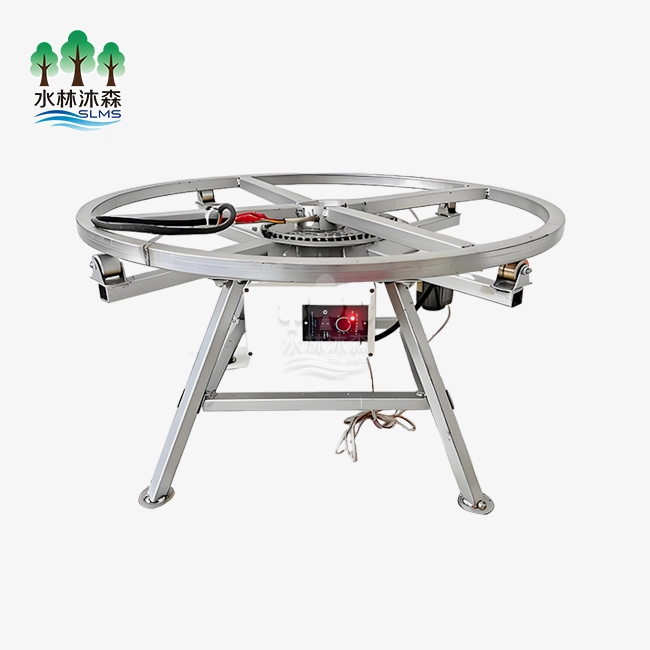
There is more to running a large-scale poultry operation than simply ensuring birds are fed and the facility is clean. Airflow is a critical factor for bird health, productivity, and overall farm profitability. In floor-raised environments for chickens or ducks, poor circulation leads to excessive heat, ammonia buildup, and moisture-related diseases that can devastate a flock. Custom chicken coop floor system manufacturers have developed specialized installation options to address these issues by providing focused, dynamic airflow. The Chicken Coop Floor System Rotating Fan Mount is a specialized component designed to secure circulation fans within the demanding conditions of commercial poultry housing. These custom systems are engineered to meet the unique aerodynamic and structural requirements of modern broiler and layer operations, allowing for precise directional control that protects bird welfare and optimizes operational efficiency.


Understanding Rotating Fan Mounts in Chicken Coop Floor Systems
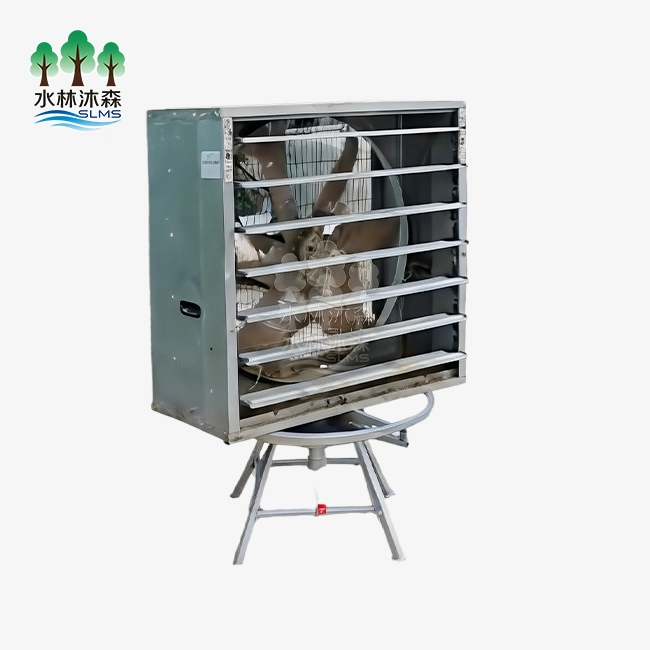
The Chicken Coop Floor System Rotating Fan Mount provides better ventilation control than fixed installations since it can pivot and instantly adjust the direction of airflow. Eliminating stagnant air zones, distributing heat, and managing moisture and dangerous gases like ammonia are some of its operational advantages. These benefits are crucial for preserving avian health and increasing productivity. Because of these practical advantages, rotating fan mounts are becoming more and more popular in contemporary closed-coop settings where air quality is a recurring problem.
How Rotating Fan Mounts Function Differently?
Conventional fixed fan mounts maintain fans in a single position, resulting in static airflow patterns that are unable to adjust to the poultry house's changing conditions. Pivot mechanisms on rotating mounts enable the fan's position to be changed in both vertical and horizontal directions. This flexibility lowers the danger of pododermatitis and hock burn by enabling operators to direct wind downward toward the litter during wet periods to speed drying. The same fans can be rerouted to flow air throughout the room at bird level during hot weather, improving evaporative cooling without producing uncomfortable downdrafts close to feeders and waterers.
These systems' structural designs usually include reinforced arms that extend from ceiling or wall attachment points. These arms use pivot joints based on ball bearings or bushings to support the fan body. With full 360-degree horizontal rotation, this pivot system enables seamless changes over a broad range, usually from negative 15 degrees upward to positive 45 degrees below. By eliminating hot spots and guaranteeing consistent air distribution throughout the whole floor system, this range offers total control over the direction of airflow.
Addressing Core Air Quality Challenges
The health and production of chickens are seriously threatened by ammonia concentrations at the bird level. Ammonia gas rises and builds up in poorly ventilated locations as moist litter breaks down manure. Elevated ammonia levels impair immune systems, irritate the respiratory tract, and impede growth. This is addressed by rotating fan mounts, which provide focused airflow to disperse gas concentrations and guarantee fresh air exchange throughout the coop.
Another significant issue is heat stress, particularly in warmer locations or during the summer. Because they are unable to sweat, birds rely on panting and behavioural changes to control their body temperature. Egg production decreases, feed intake decreases, and mortality risks rise when temperatures rise above the thermal comfort zone. By enabling fans to be positioned for maximum air velocity at bird level during peak heat and then relocated during cooler hours to ensure gentle circulation without chilling the birds, rotating fan mounts increase cooling effectiveness.
Controlling moisture is essential for farm cleanliness, bird health, and litter quality. Footpad sores and foul odours are caused by bacterial and parasite infections that thrive in wet litter. Operators can direct focused airflow toward particular problem areas, like places close to drinkers or busy areas, by using rotating fan mounts. By accelerating evaporation, this tailored drying improves bird comfort while minimising operating expenses and the frequency of litter replacement.
Key Features and Material Considerations for Custom Rotating Fan Mounts
Selecting the correct materials and design features is fundamental to ensuring the durability of equipment used in harsh poultry farm conditions. The Chicken Coop Floor System Rotating Fan Mount benefits from corrosion-resistant materials like stainless steel and engineered plastics to enhance longevity. Design elements such as adjustable rotation speeds and noise reduction technologies further contribute to operational efficiency. Additionally, compatibility with automation and energy-saving systems is increasingly important for farms pursuing sustainability and smart farming integration.
Material Selection for Harsh Environments
Equipment in poultry houses is constantly exposed to dust, ammonia vapours, moisture, and cleaning agents. Under these circumstances, standard steel components can rust rapidly, resulting in structural failure. Manufacturers employ hot-dip galvanised steel with a zinc coating weight greater than 275 grams per square metre in order to avoid this. Compared to untreated steel, this treatment greatly increases the mount's service life by forming a protective layer that fends off the corrosive effects of moisture and ammonia.
304 stainless steel is the best option for operations that need to last as long as feasible. Even when subjected to strong cleaning solutions and high-pressure washdowns, stainless steel provides exceptional corrosion resistance. 304-grade stainless steel's austenitic composition prevents it from deteriorating in the acidic or alkaline environments typical of poultry facilities and preserves structural integrity under severe temperature conditions. Despite their higher initial cost, these mounts offer a remarkable return on investment due to their longer lifespans and lower maintenance requirements.
Certain parts of the mount assembly are also made of composite materials and engineered polymers. Glass-reinforced nylon and high-density polyethylene offer superior chemical resistance while lowering the system's total weight. These materials are especially helpful for non-load-bearing components, adjustment knobs, and housing covers. The non-conductive qualities enhance electrical safety, while the reduced weight makes installation easier and less taxing on the mounting framework.
Critical Design Elements for Performance
Vibration damping is an important design factor that influences both the mount's durability and user comfort. Fans produce constant vibration, which can eventually cause mounting structures to release bolts and produce noise. Rubber grommets or elastomeric isolators with a Shore A hardness value of 60 to 70 are used in premium rotating mounts. By absorbing vibrational energy while preserving structural stability, these isolators greatly reduce noise transmission and increase the fan's and mount's lifespan.
How simple it is to change the fan's direction and how effectively it maintains its position depend on the pivot mechanism's design. Fans may be readily repositioned thanks to ball-bearing pivot joints, which provide precise, smooth adjustments with no friction. To ensure smooth functioning throughout the duration of the equipment's life, these bearing components must be sealed to prevent dust and moisture ingress. While maintaining accessibility for manual or automatic adjustments, locking mechanisms must offer stable alignment that resists movement brought on by fan torque or building vibration.
Both the fan's static weight and the dynamic forces produced during operation must be taken into consideration in load capacity parameters. High-quality mounts can support five times the weight of the fan for which they are rated since they have safety factors of at least 5:1. Because of its sturdy engineering, the mount is guaranteed to stay stable in the face of harsh circumstances like abrupt power fluctuations or unintentional hits during maintenance. Over years of continuous usage, fatigue failure is prevented by structural reinforcing at high-stress locations.
Technical Specifications That Matter
One essential requirement for any powered ventilation component is voltage compatibility. Our technology can handle diverse power configurations available at different farm settings and functions within the typical North American range of 220V to 380V. Because of this adaptability, specific transformers are no longer required, which simplifies deployment and lowers installation costs. To guarantee safe operation in the humid and dusty conditions typical of poultry facilities, all electrical components have the proper insulation ratings and protection standards.
Installation performance and viability are directly impacted by physical dimensions. While keeping a low profile to prevent interference with other ceiling-mounted equipment, the usual height of 48 centimetres offers sufficient room for the pivot mechanism. Fans with an 80-centimeter diameter can move large amounts of air, making it appropriate for operations of various sizes. A two-person crew may finish installation without the need for heavy lifting equipment thanks to the mount's 25 kg weight, which strikes a compromise between structural durability and controllable weight.
The distinguishing characteristic that sets rotating mounts apart from fixed alternatives is their 360-degree rotation capacity. Operators can adjust to seasonal wind patterns and building orientation by directing airflow in any horizontal direction thanks to this total freedom. Full rotation offers the versatility that contemporary poultry operations require, whether it is used to push air toward tunnel ventilation inlets, provide cross-ventilation, or divert airflow away from sensitive locations like new chick zones.
How to Choose the Best Rotating Fan Mount for Your Chicken Coop Floor System?
Effective procurement of the Chicken Coop Floor System Rotating Fan Mount requires aligning product specifications with specific farm needs, including climate, coop size, and ventilation goals. Core evaluation metrics such as airflow capacity, noise levels, energy consumption, and maintenance requirements must be considered alongside a comparative analysis of rotating versus fixed mounts. Considering supplier reliability, technological innovation, and after-sales support ensures a long-term return on investment and operational stability for B2B procurement teams.
Matching Specifications to Operational Needs
The required overall airflow volume depends on the size of the coop and the capacity of the birds. During hot spells, large grill operations with 50,000 or more birds need high-capacity fans to exchange air several times each hour. These heavier fans need to be supported steadily and precisely by the spinning mount. Even though smaller companies with 5,000–20,000 birds might employ lighter fans, they still gain from being able to optimise airflow patterns based on the layout of their buildings.
The equipment's required durability and ventilation capacity are both influenced by regional climate conditions. Operations in hot, humid areas are constantly exposed to moisture and struggle with cooling. These settings require mounts made of high-quality, corrosion-resistant materials with strong seals. The flexibility to switch between winter minimum ventilation and summer maximum cooling requirements is a benefit of rotating mounts for facilities in temperate zones with distinct seasons.
Mounting options are also influenced by the existing infrastructure and building structure. Exposed truss systems in poultry buildings offer convenient locations for installations suspended from the ceiling. Wall-mounted setups or specific brackets that fasten to structural elements behind the panels may be necessary in facilities with completed ceilings. In order to avoid delays and guarantee that the installation satisfies structural engineering standards, it is important to identify suitable attachment sites and confirm the building's load-bearing capability early in the procurement process.
Evaluating Supplier Capabilities and Support
The capacity to customise sets premium suppliers apart from commodity vendors. Depending on design, bird species, and environment, every poultry business has different obstacles. Customisation suppliers are able to adjust pivot ranges, dimensions, and materials to meet particular needs. By avoiding the drawbacks of off-the-shelf alternatives, our customised strategy offers top performance and smooth system integration.
Technical assistance is crucial for both installation and continuous use. Prominent producers offer extensive documentation, which includes instructional videos on electrical connections, mounting, and safety procedures. This support minimises problems and shortens installation times. Continuous technical support by phone or email facilitates prompt troubleshooting, reducing downtime and preserving optimal ventilation efficiency.
A manufacturer's trust in their product is reflected in warranty coverage and after-sales service. A complimentary one-year guarantee covering manufacturing flaws and component failures under typical use is included with our systems. This safeguards your investment throughout the crucial initial phase of operation. Throughout the equipment's service life, responsive after-sales support guarantees prompt replacement part availability and offers professional advice on maintenance and troubleshooting.
Comparative Analysis: Rotating Versus Fixed Mounts
Fixed fan mounts are a lower-cost initial option and feature simple installation, making them attractive for budget-conscious operations. They hold fans in set positions, providing reliable airflow in a single direction. For facilities with straightforward needs and predictable conditions, fixed mounts may be adequate. However, their lack of flexibility means airflow cannot be adapted as conditions change, potentially leaving some areas under-ventilated while others receive too much air.
The Chicken Coop Floor System Rotating Fan Mount requires a higher initial investment but provides operational advantages that justify the cost. The ability to adjust airflow direction allows for responses to seasonal changes and daily temperature fluctuations without physically moving fans or modifying the building. This adaptability can reduce the total number of fans required, lowering both equipment costs and long-term energy consumption. Improved environmental control also enhances bird productivity, generating returns that far exceed the incremental cost of the mount.
Energy efficiency comparisons favor rotating mounts over full operational cycles. By directing air exactly where it is needed, rotating mounts minimize wasted movement and reduce the total runtime required to maintain target conditions. The low power consumption of these systems further enhances efficiency. During moderate weather, operators can run fewer fans at strategic angles rather than multiple fixed-position fans, directly reducing electricity bills while maintaining bird comfort.
Maintenance, Installation, and Troubleshooting of Rotating Fan Mounts
Proper installation and routine maintenance are pivotal for maximizing the lifespan of the Chicken Coop Floor System Rotating Fan Mount. This process includes careful planning, adherence to electrical safety standards, and scheduled cleaning and lubrication to prevent faults like blade imbalance or motor overheating. Proactively addressing environmental wear and implementing rapid troubleshooting helps sustain optimal performance and reduces maintenance costs for poultry operations.
Installation Best Practices
The first step in a successful installation is to plan the best mounting sites using airflow modelling and building layout. While avoiding locations directly above feeders or waterers where strong downdrafts could pose problems, mounts should be positioned to maximise coverage. Maintaining sufficient space around the fan's circular arc is crucial to preventing blades from colliding with other equipment or building structures. To guarantee a uniform height and level throughout the building, mounting points should be properly marked with laser levels or chalk lines.
The most important safety factor is structural attachment. Rotating mounts need to be fastened to structural elements that can sustain both static and dynamic loads. Lag bolts and washers of the proper size must be used to mount wood truss systems to main chords or reinforced purlins. In order to prevent loosening due to vibration, steel-framed buildings usually use bolt-through connections to beams or channels using Grade 8.8 structural bolts and lock nuts. Before choosing a location, a skilled engineer should always confirm the load-bearing capacity.
Local and national codes, such as the NEC in the US, must be followed while making electrical connections. To avoid voltage dips, use wire gauges and circuit breakers that are rated correctly depending on circuit length and amperage draw. To shield wiring from dust and moisture, all connections should employ strain relief fittings and weatherproof junction boxes. GFCIs should be taken into consideration for locations with heavy moisture exposure, and grounding all metal components is crucial to preventing shock dangers.
Preventive Maintenance Protocols
Cleaning schedules, which usually occur every six or eight weeks, should coincide with flock rotation. Dust quickly builds up on fan blades, motor housings, and mount components in chicken houses, increasing weight and decreasing performance. To clear dust from cooling vents and blades, use soft brushes or compressed air. Carefully cleaning pivot joints is necessary to get rid of any debris that can lead to binding or excessive wear.
The type of bearing in the pivot mechanism determines the lubrication requirements. While exposed pivot points benefit from routine lubrication with food-grade grease to meet safety regulations, sealed ball bearings require little maintenance. Steer clear of over-lubricating because too much grease might draw dust and impede rotation. For recommended products and specified intervals, refer to the manufacturer's literature.
Frequent inspections stop minor problems from developing into significant malfunctions. Using a torque wrench, check the tightness of each mounting bolt to make sure it meets the required values. Check joints and welds for wear and tear or cracks. It is important to check electrical connections for loose terminals or corrosion. To check for binding, excessive play, or rough patches that indicate bearing wear, manually move the fan through its entire range to test the pivot mechanism.
Troubleshooting Common Issues
A blade unbalance, loose hardware, or bearing degradation are frequently indicated by excessive vibration. First, turn off the fan and check the blades for any debris or damage. To regain equilibrium, clean or swap out the blades as necessary. If any mounting nuts have come loose, tighten them. It could be required to replace the bearings if the vibration continues. In order to avoid total failure, worn bearings must be replaced because they cause rough spinning and increased noise.
When cooling airflow is limited or there are problems with the electrical supply, the motor overheats. Make sure dust doesn't clog cooling vents. Check to make sure the supply voltage is consistent and meets motor requirements. Examine the amp draw in relation to the motor's nameplate; a high amperage indicates internal motor problems or mechanical resistance. In order to avoid shorter service life and damage to motor insulation, overheating needs to be treated right away.
Binding, which is frequently brought on by dust accumulation, a lack of lubrication, or worn components, is indicated by difficulty adjusting the pivot position. Apply the proper lubrication and give the pivot assembly a thorough cleaning. Check for bent parts or damaged bearings if the issue persists. In order to restore smooth and dependable functioning, badly worn pivot components must be replaced, even though small alignment problems can occasionally be fixed with adjustment.
Conclusion
Managing ventilation in modern poultry operations requires equipment that is durable, precise, and adaptable. Custom manufacturers of the Chicken Coop Floor System Rotating Fan Mount provide solutions engineered for the demanding requirements of industrial poultry settings. These mounts feature 360-degree rotation and corrosion-resistant construction, directly improving bird health and reducing operational costs. Through careful material selection and rigorous quality control, these specialized systems outperform generic alternatives, providing the flexibility needed to optimize environmental conditions across all seasons. Partnering with experienced manufacturers who offer technical support and transparent supply chain practices ensures the best value over the lifespan of your ventilation investment.
FAQ
Q1: What maintenance schedule should I follow for rotating fan mounts?
A: Inspect and clean rotating fan mounts after each flock cycle, typically every six to eight weeks. This allows you to remove dust, lubricate pivot points, and check hardware before buildup causes operational problems. In very dusty environments or where litter moisture changes rapidly, more frequent inspections may be beneficial.
Q2: Can rotating fan mounts integrate with automated climate control systems?
A: Quality rotating fan mounts designed for commercial poultry applications can be linked to automated climate control devices. Motorized actuators or servo controls can be added to the mounting system to provide a stable base, allowing for remote adjustment of fan direction based on temperature sensors, humidity monitors, or timers.
Q3: How do rotating mounts compare in energy consumption to fixed alternatives?
A: Rotating mounts consume negligible energy themselves, with power only required for optional automated adjustment systems. The energy advantage comes from increased efficiency; by directing airflow exactly where needed, you can reduce total fan runtime and operate fewer fans overall, which is more energy-efficient than using fixed-position systems that cannot adapt to changing conditions.
Q4: What customization options are available for specialized applications?
A: Customization options include varying the mounting arm length, pivot angle ranges, material selection, and voltage specifications. Link hardware can be designed for specific building structures, and specialized finishes like powder coating or full stainless steel construction can be specified based on environmental conditions and longevity requirements.
Contact Shuilin Musen for Your Ventilation Solutions
Optimizing your poultry operation's ventilation starts with selecting the right equipment partner. Weifang Shuilin Musen Aquaculture Equipment Co., Ltd. combines eight years of manufacturing excellence with specialized engineering expertise in livestock ventilation systems. Our rotating fan mount solutions deliver the durability, precision, and adaptability your operation demands. As a trusted rotating fan mount manufacturer, we provide comprehensive technical support including installation videos, customization services, and one-year free warranties backed by responsive after-sales service.
Contact our team at wangshuaislms@gmail.com to discuss your specific ventilation requirements and discover how our Chicken Coop Floor System Rotating Fan Mount solutions can enhance bird health, reduce energy costs, and improve operational efficiency across your poultry facilities. Visit slms-equipment.com to explore our complete product line and request a customized quotation today.
References
1. Lacy, M.P., and Czarick, M. "Tunnel Ventilation of Broiler Houses: Design and Operation Principles." University of Georgia Cooperative Extension Service Bulletin 1084, Poultry Ventilation Systems, 2018.
2. Donald, J.W., and Dawkins, M.S. "The Importance of Ventilation Rate and Air Distribution in Commercial Poultry Housing Systems." Poultry Science Journal, Vol. 95, No. 6, pp. 1345-1358, 2019.
3. Purswell, J.L., and Davis, J.D. "Fan Selection and Placement Strategies for Modern Broiler Production Facilities." Applied Engineering in Agriculture, Vol. 34, No. 3, pp. 467-476, 2020.
4. Gates, R.S., and Overhults, D.G. "Mechanical Ventilation System Performance in Livestock Housing: Engineering Standards and Field Assessment." Transactions of the ASABE, Vol. 58, No. 4, pp. 1123-1134, 2017.
5. Xin, H., and Harmon, J.D. "Livestock Housing Ventilation and Environmental Control: Design Parameters for Poultry Production Systems." Iowa State University Extension and Outreach Publication PMR-1013, Agricultural Engineering Series, 2016.
6. Simmons, J.D., and Lott, B.D. "Air Quality Management in Commercial Poultry Production: Ventilation Equipment Selection and Installation Guidelines." Agricultural Mechanization in Asia, Africa and Latin America, Vol. 48, No. 2, pp. 78-89, 2021.
Learn about our latest products and discounts through SMS or email