Best poultry shed water supply stabilization components for consistent flow
Consistent water flow is not only helpful when you're in charge of a big poultry business; it's necessary. A Poultry Shed Water Supply Stabilization Component is the system of water tanks, pressure controls, booster pumps, and filter units that work together to keep the water quality and pressure stable throughout your building. These systems stop the harmful changes in pressure that lead to nipple drinker leaks.
They also stop the risk of pollution from sediment buildup and make sure that every bird gets clean water whenever it needs it. These stability parts are made for chicken coops, duck houses, and any other poultry facilities. They protect both the health of your flock and your bottom line by combining automatic pressure control with high-precision filtration.


Introduction
To make a chicken farm profitable, you have to pay close attention to details that affect the health and output of the birds. Getting water to people is one of the most important but often forgotten parts of infrastructure. Extreme changes in water flow during the day cause stress in birds, which leads to slower growth curves and lower feed conversion rates. When the pressure gets too high, nipple drinkers leak all the time, making the litter wet, which makes it easier for diseases to spread. When pressure drops out of the blue, birds at the end of drinking lines don't get enough water.
At Shuilin Musen Aquaculture Equipment Co., Ltd., we've worked with chicken farmers for eight years, on projects ranging from small family farms with 5,000 birds to large industrial processors with over 100,000 birds. Surprisingly, the problems with water supply haven't changed much over time: limited infrastructure makes environmental changes worse, which causes unstable pressure that hurts output. This piece talks about the stability parts that can help with these problems. It explains what to look for when buying these parts and how to set them up in a way that makes operations better in a way that can be measured.
Understanding the Need for Water Supply Stabilization in Poultry Sheds
The Hidden Cost of Pressure Fluctuations
Instability in water pressure causes trouble all over poultry farms. When broilers don't have constant access to water, they gain less weight and die more often during times of heat stress. When layers can't always get water, they lay fewer eggs with lower-quality shells. Lack of water causes a stress response that lowers immune function. This makes groups more likely to get lung infections and enteric diseases.
The size of these effects can be seen in production records. Multiple industrial broiler houses were studied, and it was found that facilities with unstable water pressure had feed conversion rates that were about 8% lower than operations that had consistent delivery. When you look at tens of thousands of birds over several production cycles, the economic effects become big.
Common Infrastructure Challenges
Most chicken farms get their water from public sources or wells, which have pressure changes throughout the day as demand changes. When nearby processes draw a lot of power in the morning, incoming pressure can drop by 30% or more. Changes in groundwater levels throughout the year affect how well pumps work, causing pressure differences that change from week to week.
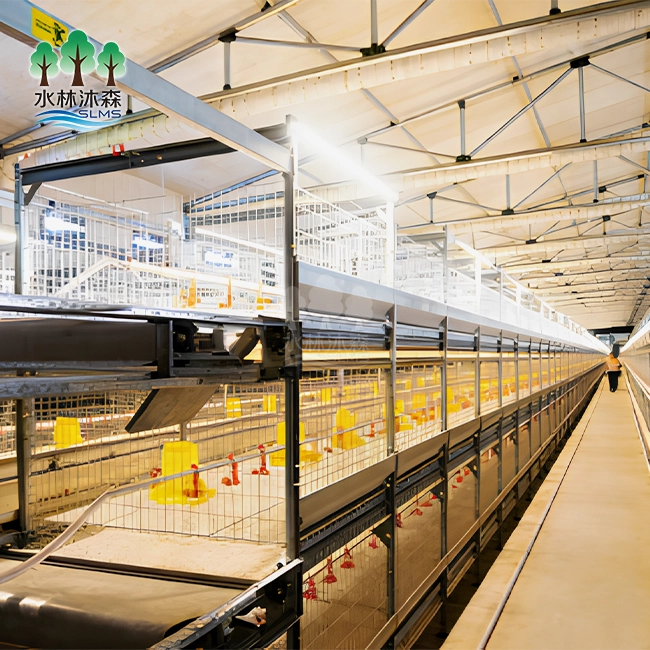
Within the shed, the length of the drinking line causes friction losses that make pressure problems worse. If birds are near the line's entrance, they may get enough flow, but birds at the far end get just a trickle. Extreme temperatures make these problems worse. When it's cold, the lines get smaller, and when it's hot in the summer, more water is used at a time when supplies are already tight.
Infrastructure that is getting old adds to the problems. Mineral layers build up in pipes, making them smaller and limiting the flow of water. When valve seals wear out, they let air out of the main distribution system through leaks. These upkeep problems get worse over time, to the point where producers have to make expensive fixes during busy production periods.
Types of Poultry Shed Water Supply Stabilization Components
Effective water balance requires systems that work together, not just separate parts. Knowing how these parts work together helps buying teams come up with the right answers.
Water Storage and Pressure Systems
Modern stability starts with having enough storage space matched to how the group eats. Poultry Shed Water Supply Stabilization Component ensures that water flow remains consistent even during peak demand, preventing disruptions in drinking systems. Storage tanks with capacities between 500 liters for small businesses and 5,000 liters for big commercial buildings act as buffers to smooth out changes in supply. Food-grade plastic tanks don't break down in UV light and keep things clean, while 304 stainless steel tanks are more durable and can be used in harsh settings.
Connected to these holding tanks are automated booster pumps that keep the delivery pressure constant, even if the incoming supply changes. Good booster systems have pressure monitors that turn on the pump when the line pressure goes below certain levels. The system will then turn off automatically when the pressure returns to normal. This automatic reaction stops both low-pressure leaks and high-pressure leaks without any help from a person.
Filtration and Water Quality Protection
It's possible for sediment, biofilm particles, and mineral precipitates to build up in public water sources over time and make drinking water dirty. These pollutants are taken out of the air before they reach the birds by high-precision filter units that are built into stabilizing systems.
The most effective security comes from multistage filtration methods. The first screening gets rid of bigger particles and waste, and the next round of cartridge filters picks up small sediment down to certain micron levels. This multilayered defense makes nipple drinkers last a lot longer and lowers the number of bacteria that cause cases of gut diseases.
Backflushing cycles keep filters from getting clogged without having to shut down the system. Bypass valves let the system keep running while the filter is being serviced. This makes sure that the water supply stays open while the filter is being cleaned.
Advanced Monitoring and Control
New technologies have made smart tracking possible, which improves the old method of mechanical stability. Digital pressure readings show how well the system is working in real time and let workers know about problems before they get worse and hurt the birds. Flow meters record how much water is being used, which can show early signs of disease spreads by showing that people are drinking less water.
These tracking systems work with software for managing farms, so choices about how to help the health of flocks can be based on data. Automated alerts let managers know right away when pressure changes outside of acceptable ranges. This lets them act quickly, which stops production loses.
How to Choose the Best Water Supply Stabilization Components for Poultry Sheds
Matching Capacity to Operational Scale
Careful analysis of peak water usage is needed to choose the right system capability. The busiest time for broiler farms is in the afternoon, when birds are most busy and temperatures are highest. Layer facilities have more stable demand trends, but they need to be available all the time to keep up with egg output schedules.
Figure out how much water the plants need each day based on the number of birds, their growth stage, and how the temperatures change with the seasons. Multiply this standard by safety factors that take into account sudden increases in demand during heat waves or times when birds are more active. Storage space should be enough to keep operations going for at least 24 hours in case of short supply interruptions or repairs.
The specifications for a booster pump must include a flow rate high enough to feed all drinking lines at the same time during peak demand, while keeping goal pressure ranges. Undersized pumps keep cycling when they're under load, which speeds up wear and raises the cost of energy. Pumps that are too big lose energy and may create too much pressure, which can damage parts of the distribution system.
Material Selection and Durability Considerations
Long-term dependability and upkeep needs are directly affected by the materials used in parts. Poultry Shed Water Supply Stabilization Component directly benefits from these material choices, as food-grade plastic versions resist corrosion and simplify installation, while stainless steel variants offer enhanced durability for demanding environments. Food-grade plastic tanks don't rust and are lighter, which makes them easier to install. This makes them a good choice for most situations. Stainless steel construction is more durable and easier to clean, making it ideal for places that need to follow strict hygiene rules or have long-lasting equipment.
Pump housings and valve parts must be able to stay wet for a long time without rusting. Quality units use materials that don't rust in all wet areas, like stainless steel impellers and seals that can handle constant touch with water. Electrical parts need to have the right moisture protection values, especially in chicken houses with a lot of humidity where condensation is a constant problem.
Evaluating Supplier Support and Service Capabilities
The quality of the production process is important, but so is the placement and ongoing support of the equipment. Teams in charge of buying things should look at what suppliers can do throughout the whole span of a service. The quality of the technical documents shows how useful the installation and fixing instructions will be when they're needed. Video installation tools cut down on setup mistakes that slow down the system.
On-site installation services get rid of operational risks, especially for complicated operations involving multiple buildings that need planned system integration. Professional installation makes sure that all of the parts are in the right place, that the plumbing lines are safe, and that the pressure is set correctly from the start. The extra money spent usually pays for itself because there are fewer problems at startup and the business can reach full capacity faster.
The length of the warranty shows how confident the maker is in the product's reliability. Full one-year warranties that cover both parts and work offer real safety during the important first few months of use, which is when production flaws usually show up. Options for longer warranties are more useful for businesses that want to know how much their costs will be in the long run.
Best Practices for Installation, Maintenance, and Troubleshooting of Poultry Water Supply Stabilization Systems
Installation Fundamentals That Prevent Future Problems
The first step in installing a system correctly is to strategically place its parts so that they are easy to reach for upkeep and safe from environmental dangers. Place holding tanks on stable, level bases that can hold the full weight of the water without sinking. If you can, put the tanks away from direct sunlight to keep algae from growing and to make the plastic last longer.
Place booster pumps below the exits of storage tanks to keep the positive suction head. This will stop cavitation, which harms impellers and makes pumps less effective. Attach pumps to posts that absorb vibrations and stop noise from getting into occupied areas. Running the power through tubing will protect the wires from water and damage.
To keep sensitive control valves from getting damaged by dirt, filtration units need to be installed ahead of pressure regulation parts. Install cutoff valves both before and after the filters. This will allow you to isolate the system so that you can change the cartridges without having to drain the whole system. Place drain valves at low places in the distribution network to make it easier to flush the whole system during cleaning routines.
Preventive Maintenance That Extends System Lifespan
Setting up regular repair plans keeps small problems from getting worse and stopping production. Poultry Shed Water Supply Stabilization Component must be included in these routine inspections, as its proper functioning directly affects water availability for the livestock. Visual checks should be done once a week to make sure the pressure gauge is reading correctly, there are no leaks at the connection points, and the pump is working normally without any strange noises or vibrations. Once a month, the tank is checked to see how much sediment has built up and if any bacteria has formed that needs to be cleaned.
How often you change the filter cartridge varies on the quality of the water coming in and the size of the flock. Monitoring the difference in pressure between filter housings gives you concrete advice on when to change cartridges—replace them when the pressure drop goes beyond what the maker specifies, which usually means they are 70–80% full. Keep extra cartridges on hand so that you can change them right away without having to wait for parts to arrive.
A full system cleaning once a year gets rid of gunk and mineral deposits that build up and make the system less effective. After times of depopulation, flush all lines with approved sanitizing solutions and then rinse them well before adding new groups. Take the pump impellers apart and look for damage or wear. Replace any parts that are seriously breaking down before they fail.
Troubleshooting Common System Challenges
If pressure drops suddenly throughout the system, check the feed pressure at the main outlet to start figuring out what's wrong. If the incoming pressure stays good, check the filters for blockages that stop the flow. Listen for motor action when system pressure drops below setpoint to make sure the pump is turned on. If the pump doesn't start right, check that the pressure switch is calibrated.
When pressure problems only happen in a few drinking lines, it's usually because of bottlenecks or broken valves in the distribution networks. Remove the line that isn't working right and flush it well to get rid of any gunk that has built up. Check the line-end valves and pressure controllers to make sure they are working properly and replace any parts that don't keep the goal pressure ranges.
If filtered water still gets to drinkers, it means that the filter is bypassed or the housing seal has failed, letting untreated water get past the cartridge. Turn off the system right away and check the filter housing assembly to make sure the cartridge is properly seated and the O-rings are still intact. Fix any broken seals and make sure the cartridge is properly installed before putting it back into service.
Top Poultry Shed Water Supply Stabilization Components in 2026
Complete Integrated Systems for Commercial Operations
In 2026, the most advanced stabilization systems will have fully combined designs that put together all the necessary parts in pre-engineered packages. These full systems get rid of worries about compatibility and make installation easier than putting together separate parts from different sources.
Our combined water stabilization systems at Shuilin Musen Aquaculture Equipment Co., Ltd. include food-grade storage tanks that range in size from 500 to 5,000 liters, automatic booster pumps that control pressure intelligently, and multi-stage filtration that gets rid of sediment very precisely. The methods work with chicken coops, duck houses, and any other type of poultry facility, no matter how it's set up. Customization choices make it possible to match exactly to the needs of each business, from small family farms to big commercial integrators that run multiple production sites.
Each system that our tech team makes is based on three main efficiency goals. The pressure stays within ±0.5 bar when there is a stable water supply delivery, even if the new supply or demand changes. High filter accuracy gets rid of particles as small as certain micron ratings. This keeps nipple users from getting clogged and lowers the amount of germs that can cause intestinal disease. Scalable design theory makes sure that systems can grow as processes do, so they can handle more work without having to be completely replaced.
Key Features Driving Operational Success
Long-term dependability and upkeep needs are largely determined by the quality of the equipment. Our water holding tanks are made of food-grade materials that are approved for touch with potable water. This means that there are no risks of pollution from material leaching. There are strict rules about how temperature, moisture, and rust can affect booster pumps. This makes sure that they work reliably in chicken coops where heat and humidity can make equipment last less long.
When demand changes, the automatic start-stop pressure control system reacts right away by turning on pumps when line pressure drops and turning them off when goal pressure is restored. This smart process uses the least amount of energy possible while keeping supply steady to all drinking lines. The design makes it easy to take apart and put back together again quickly, so you can change the filter cartridge and check the pump without having to use special tools or wait for a long time.
Installation help includes detailed video instructions that walk you through the setup process step by step. This cuts down on mistakes that hurt speed during implementation. On-site installation service is available for operations that would rather have a professional do the work. This is especially helpful for complex sites with multiple buildings that need to be integrated in an organized way. Our one-year guarantee protects the quality of our products by replacing parts and paying for repair work during the important first year of use.
Measurable Benefits for Flock Health and Productivity
Different types of chicken farms have shown that performance always gets better after a stabilization system is put in place. Stopping nipple drinkers from getting clogged gets rid of the wet litter conditions that make it easy for pathogens to grow and cause foot pad sores. When water pollution is cut down through good filtration, germs are exposed less, which lowers the risk of intestinal diseases and the need for drug treatment.
Feed absorption and growth rates are best when the water level stays stable throughout the production cycle. Broiler farms report higher average daily gains when stress-related hunger reduction is removed from the animals' environment. Layer farms have more stable egg production rates because the chickens don't lose water as quickly when they're under a lot of heat stress.
Conclusion
Stabilizing the water supply is one of the best building investments that modern chicken farmers can make. Poultry Shed Water Supply Stabilization Component serves as the core of such an investment, ensuring consistent water pressure and flow within each shed. Integrated systems that include enough storage space, automatic pressure control, and high-precision filtering get rid of the pressure changes and contamination risks that hurt the health of the flock and make operations less efficient. As you choose stability parts, give top priority to options that have been shown to be reliable, can be scaled up or down to fit your needs, and come with full support throughout the equipment's lifetime.
Installing these systems correctly by following the manufacturer's instructions and doing regular preventative maintenance will make sure they work the same way through multiple production runs. The gains in bird health, growth rates, and production efficiency quickly pay for the initial investment costs and lower operating costs in the long run.
FAQ
What exactly is a Poultry Shed Water Supply Stabilization Component?
The term Poultry Shed Water Supply Stabilization Component refers to the whole set of linked machines that keep water supply steady in poultry plants. Some of the most important parts are storage tanks that keep the line pressure steady, automatic booster pumps that keep the supply stable, and filtering units that get rid of contaminants in the water before it gets to the birds. These parts work together to stop changes in pressure and water quality that are bad for flock health.
How often should maintenance be performed on stabilization systems?
How often maintenance is done relies on how complicated the system is and how it is being used. Visually check the system once a week for leaks, strange pump noise, and correct pressure values. Filter cartridges should be replaced once a month or as soon as the pressure difference shows that the capacity is full, whichever comes first. Do a full system cleaning and component check once a year when there are no flocks around.
Can these systems be customized for different farm sizes?
Manufacturers with a good reputation make stability systems that are easy to expand. Tank size, pump specs, and filtration ratings can all be changed to fit the needs of any operation, from small family farms to big commercial businesses. This gives you the freedom to buy the right-sized tools without having to pay extra for extra space that you don't need or put up with parts that don't work well because they are too small.
Partner With Shuilin Musen for Reliable Water Stabilization Solutions
Eight years of specialized experience have helped Shuilin Musen Aquaculture Equipment Co., Ltd. come up with water supply methods that meet the strict needs of modern chicken production. Our professional research and development (R&D) team is always making system designs better by using feedback from real-world operations. This makes sure that our Poultry Shed Water Supply Stabilization
Component offerings deliver measurable performance improvements. From choosing the raw materials to the final tests, we have strict quality control measures in place to make sure that every tank, pump, and filter meets strict standards for durability. As a reliable maker and provider for industrial farmers, equipment distributors, and field contractors, we offer full technical support, including help with installation, on-site service, and quick troubleshooting. Contact our team at wangshuaislms@gmail.com or visit slms-equipment.com to discuss your specific water stability needs and find out how our custom solutions improve flock health while lowering running costs.
References
1. Lacy, M.P. and Czarick, M. (2021). Water Quality and Availability in Poultry Production Systems. Poultry Science Association Symposium Series, Volume 18, pp. 234-251.
2. Tabler, G.T. and Wells, J.B. (2020). Managing Water Delivery Systems for Optimal Broiler Performance. Journal of Applied Poultry Research, Volume 29, Issue 3, pp. 687-702.
3. Fairchild, B.D. (2019). Environmental Control Systems for Modern Poultry Housing. University of Georgia Cooperative Extension Bulletin 1482, pp. 112-134.
4. van der Hoeven-Hangoor, E. and Roovert, J. (2022). Water Quality Impact on Intestinal Health in Commercial Poultry. Avian Biology Research, Volume 15, Issue 2, pp. 76-89.
5. Purswell, J.L. and Dozier, W.A. (2021). Hydraulic Principles for Poultry Water Distribution Systems. Transactions of the ASABE, Volume 64, Issue 4, pp. 1347-1358.
6. Amaral, A.G. and Curtis, P.A. (2020). Equipment Design Standards for Commercial Poultry Operations. International Poultry Production, Volume 28, Number 6, pp. 23-27.
Learn about our latest products and discounts through SMS or email