Broiler chicken cage suppliers with bulk purchase discounts
Modern poultry farms are turning more and more to high-tech solutions like the Triple-deck Broiler Housing Cage system when they want to find sellers of broiler chicken cages that offer savings for buying in bulk. These innovative vertical farming structures make the best use of room and save a lot of money for large-scale businesses. When commercial poultry producers buy multi-tier cage systems in large amounts, they can save a lot of money. Leading providers offer customized pricing models that can cut the cost per unit by 15 to 25 percent compared to buying them one at a time. The triple-deck configuration is a smart investment that will greatly improve working efficiency while also ensuring the highest standards of animal care throughout the production cycle.


Comprehending Triple-Deck Broiler Housing Cages and Their Market Value
Vertical cage systems are at the forefront of the poultry industry's move toward more efficient ways to raise chickens. Triple-deck broiler housing systems are a big improvement over traditional single-level housing methods. They allow business producers to get the most out of their facilities while still meeting high standards for animal care.
Defining Multi-Tier Broiler Housing Systems
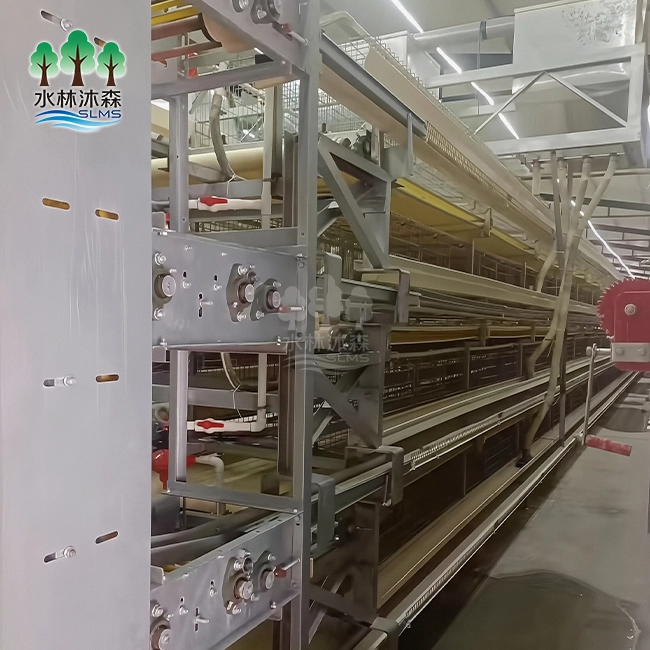
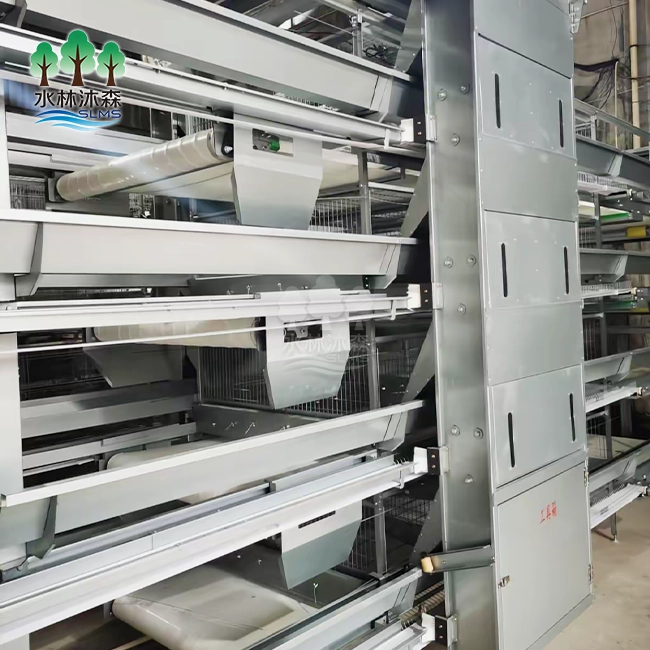
A Triple-deck Broiler Housing Cage has three levels of housing that are stacked on top of each other vertically. It is intended to raise meat chickens from day-old chicks to market weight. Unlike most floor-raising systems, these ones are made of corrugated steel and have computerized systems for feeding, watering, and getting rid of waste. Each level has the right amount of space between them to allow air flow and bird movement, and they can hold up to 50 kg/㎡ of stock.
By tripling production capacity within the same building area, the vertical design theory changes the economics of standard chicken housing. Modern multi-tier systems have special features, like soft polypropylene floor mats that stop breast blisters and footpad dermatitis, which are important problems that affect the quality of the end product while it is being processed.
Comparative Analysis with Traditional Housing Methods
The benefits of three-tier systems are instantly clear when compared to single- and double-deck options. To get the same amount of production, single-deck systems need a lot more floor room, which means they cost more to build per bird kept. While double-deck designs make better use of room, they don't fully unlock the promise of vertical farming methods.
Through controlled moving patterns and better feeding access, multi-tier broiler housing improves feed conversion rates in a way that can be measured. When birds are kept in properly built cages, their growth rates are more uniform. This means that processing yields are higher and grading differences are lower. Compared to deep litter systems, automatic dung removal systems keep the surroundings cleaner by lowering ammonia levels and respiratory stress by a large amount.
Economic Impact on Commercial Operations
When compared to traditional floor systems, three-tier housing systems for commercial chicken farms usually save more than 40% on labor costs. Automatic food and watering systems get rid of the need to do things by hand, and constant waste removal cuts down on the need to clean. These improvements in efficiency directly lead to higher profit margins, which are especially useful in the competitive chicken markets of today.
Cage systems improve quarantine, which lowers the risk of disease spreading between birds and production processes. Lower death rates and lower costs for medications help the total economics of production while also making the birds' lives better during the growing time.
Comparing Triple-Deck Broiler Cages: Insights for Smart Procurement
To successfully buy multi-tier broiler housing, you need to carefully look at the design specs, the quality of the materials, and the supplier's skills. To get the best return on investment, commercial buyers need to weigh the costs of the original investment against the benefits of running the business in the long term.
Material Quality and Construction Standards
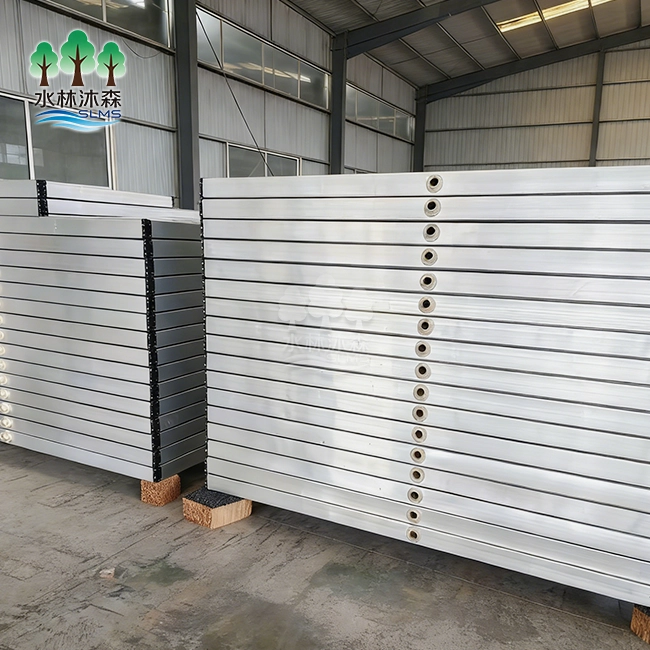
Triple-deck systems of good quality are made of Q235 steel that has been hot-dip galvanized to meet ISO 1461 standards. Because the zinc coating is thicker than 275g/m², it will not rust in ammonia-filled chicken settings for 15 to 20 years. This is a big plus over electro-galvanized options, which usually need to be replaced every three to five years.
A broiler's well-being and the quality of the meat depend on how the floor of the cage is designed. Modern systems use special, bendable materials that give enough support while keeping people from getting hurt by touching them. The H-type frame structure makes sure that the weight is evenly distributed across all levels, so the structure doesn't bend when it's fully loaded.
Automation Integration and Technology Features
Modern three-tier systems work perfectly with automatic management technologies, such as environmental settings and systems for precise feeds. Adjustable feed line heights allow for broiler growth throughout the production cycle, and nipple watering systems make sure that all levels always have access to clean water.
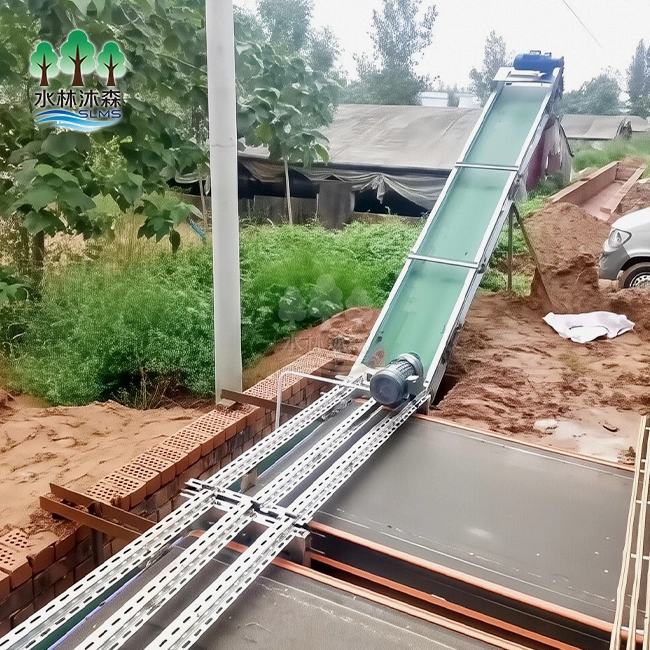
When waste belt systems are combined with automatic cleaning systems, the cleanest conditions are maintained without any help from a person. When working on a big scale, where labor efficiency has a direct effect on profits, these traits become very useful.
Cost-Performance Analysis for Bulk Purchasing
Buying multi-tier cage systems in bulk has big economic benefits that go beyond just lowering the cost per unit. Most of the time, manufacturing schedules prioritize bulk orders, which shortens shipping wait times during busy installation seasons. When you buy a lot of something, suppliers often give you a better warranty and more expert help.
Economies of scale include more than just lower initial buy costs. They also include fitting services and easy access to spare parts. Large orders allow the maker to pay for specialized installation teams and on-site expert support, which makes sure that the system works at its best from the time it is first set up until it is shut down.
How to Choose Reliable Broiler Chicken Cage Suppliers with Bulk Discounts?
When looking for the right providers for multi-tier broiler housing systems, you need to look at their professional skills, service quality, and commitments to long-term support. Businesses need their tools to work reliably so they can stick to their production plans and keep their promises to the market.
Supplier Evaluation Criteria and Standards
Professional suppliers of Triple-deck Broiler Housing Cage systems demonstrate their capabilities through comprehensive quality management systems and recognized product certifications. Leading manufacturers operate under ISO-certified programs that cover design, production, and quality control processes. These certifications ensure consistent product quality and reliable performance in commercial farming environments.
The supplier's technical knowledge is clear when they can offer unique solutions that meet specific operating needs. Manufacturers with a lot of experience can make changes to the design to fit different building sizes, climates, and management tastes while still ensuring the system works at its best.
Service and Support Capabilities Assessment
Professional equipment sellers are different from basic product sellers because they offer full service support. Good suppliers give clear instructions on how to put their products, offer professional training, and offer ongoing maintenance help for the whole life of the equipment. Installation film tools and on-site expert support make sure that the system is set up correctly and works at its best.
Long-term business success depends a lot on how easy it is to find area service agents and networks that distribute spare parts. When suppliers run regional service centers, they can quickly answer to maintenance needs and give right away expert help when it's needed.
Customization and Scalability Options
Leading sellers offer a wide range of customization options that allow for precise fitting to different operating needs. The size of the cage, the amount of automation, and the integration features can all be changed to get the best performance in new buildings or facilities that are already there. This flexibility is especially helpful for businesses that are looking to grow or improve their facilities in stages.
When thinking about scalability, you should think about how well the provider can meet your growing operational needs by buying more tools and expanding the system. Manufacturers that have been around for a while have the production capacity and technical know-how to support large-scale business activities as they grow.
Installation, Usage, and Maintenance of Triple-Deck Broiler Housing Cages
The efficiency of equipment, the well-being of birds, and the profitability of a business are all directly affected by how well it is installed and maintained over time. Professional construction services and thorough upkeep programs make sure that equipment lasts as long as possible and produces the same amount of work every time.
Professional Installation Services and Procedures
Professional installation teams know a lot about multi-tier cage systems, like how to build them, connect utilities, and make automation work with them. Professional installation cuts down on the time needed to set up the system and makes sure it works at its best from the start. The cost of hiring a professional to install a three-tier system is justified by the fact that it makes fixing easier and speeds up the start of production.
On-site installation services usually include putting together the structure, connecting the automation system, and checking everything thoroughly. Before handing over the project, installation teams make sure that all automatic systems, such as those that feed, water, and handle waste, are working properly.
Operational Best Practices for Multi-Tier Systems
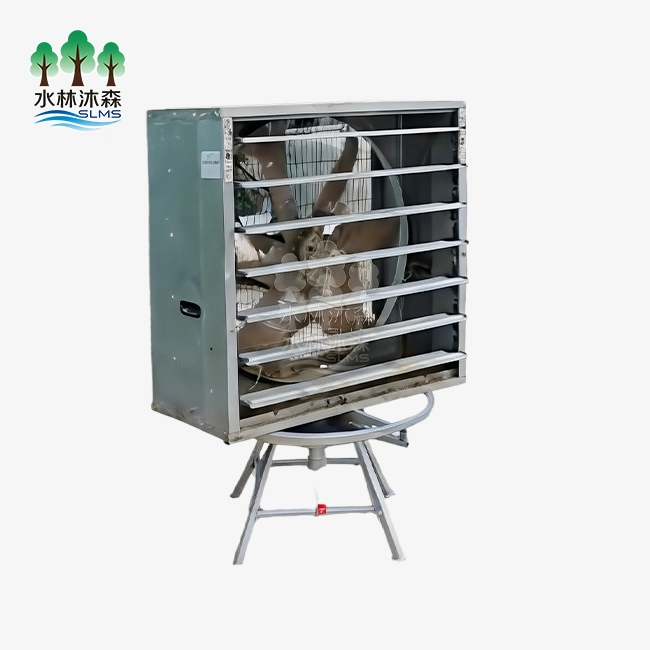
To effectively handle triple-deck housing systems, you need to know how to control the surroundings and how birds behave. When there are more than one set of cages, it's important that the air moves freely between all of them. It is suggested that air speeds of 2.5 to 3.0 m/s be used with negative pressure tunnel ventilation systems to make sure that all levels are properly cooled.
Feed management must take into account the fact that it can be distributed automatically while also keeping an eye on how much is eaten at each level of the cage. The feed line systems are changeable so that they can keep up with the growth of the broilers and keep the best entry heights throughout the production cycle.
Routine Maintenance and Longevity Strategies
Systematic repair programs keep machine investments safe and make sure that operations run smoothly all the time. As part of the daily review process, the automated system's functionality, water flow rates, and the structure's stability are checked. Cleaning and lubricating mechanical parts are the main jobs for weekly upkeep.
Long-term repair plans focus on preventing rust and planning when to replace parts. The building is made of galvanized steel, which is very resistant to rust. However, problems can be found and fixed before they affect production. Preventive repair plans usually make tools last longer than the manufacturer's recommendations while still performing at their best.
Bulk Purchase Benefits and Procurement Process for B2B Clients
Buying multi-tier broiler housing systems on a commercial scale has a lot of benefits, such as big savings, better service terms, and earlier scheduling for production. Understanding how to buy things and how to negotiate gets you the best deal while also making sure the job is finished on time.
Volume Discount Structures and Pricing Models
Bulk buying programs usually offer different levels of discounts based on the total amount of orders and the freedom of shipping times. By strategically buying in bulk, commercial buyers can get 15–25% lower prices than if they bought each item separately. These saves are especially important for large-scale companies that need more than one housing building or staged growth projects.
Bulk purchasing of Triple-deck Broiler Housing Cage systems often includes extended payment terms and credit options, making cash-flow management easier during facility construction or expansion. Large-volume orders may also qualify for performance guarantees and longer service commitments from suppliers, providing additional protection for major capital investments.
Procurement Process and Timeline Management
A thorough needs assessment that includes building design requirements, output capacity goals, and integration specs is the first step to effective procurement. Professional providers give thorough quotes that include information about the equipment, how it will be installed, and when it will be delivered based on the needs of the project.
For custom production, order processing usually takes 6 to 8 weeks, plus extra time for foreign shipping when needed. Planning to buy things early makes sure that the tools will be available when they're needed during planned building plans and avoids delays that could affect when production starts.
As part of the buying process, buyers can visit the plant to check the quality of the goods and see how much they can produce. These visits give you trust in the supplier's abilities and help you build relationships that will help your business succeed in the long run.
Conclusion
The move toward multi-tier broiler housing systems is a smart reaction to the need for modern poultry farmers to save money on land costs and run their businesses more efficiently. Triple-deck broiler housing cages offer real benefits by making better use of space, lowering the cost of labor, and increasing production consistency while still meeting high standards for animal care. To have a successful implementation, you need to carefully choose your suppliers, follow the right installation steps, and set up thorough maintenance programs that will support long-term operating success. Businesses can save a lot of money by buying in bulk. This is because they can get big deals, better service terms, and priority support, all of which ensure the best return on investment over the lifecycle of the equipment.
FAQ
What advantages do triple-deck systems offer over traditional floor housing?
When compared to floor living methods, multi-tier cage systems bring about 300% more production potential to the same-sized building. The vertical form keeps birds from touching waste, which greatly lowers the risk of disease spread and the need for medicine. Automated systems for watering and feeding birds cut down on labor costs by more than 40% while increasing feed conversion rates by controlling bird movement and making nutrition more accessible.
How do bulk purchase discounts work for commercial buyers?
Volume buying programs usually offer tiered discount structures that lower prices by 15 to 25 percent based on the total amount of orders and the freedom of delivery times. Large orders get better warranty terms, priority ordering for production, and full expert support packages. Longer payment terms and performance promises often come with buying in bulk, which adds value beyond just saving money on the cost per unit.
What installation and support services are available?
Professional installation services include putting together the whole system, integrating automation, and testing it thoroughly to make sure it works perfectly from the start. Technical support includes installation guides, help on-site, and help with upkeep all the way through the lifecycle of the equipment. Most companies offer a warranty that lasts for one year, and for big business installations, they also offer service choices that last longer.
Ready to Transform Your Poultry Operation with Shuilin Musen Aquaculture Equipment Co., Ltd.?
Maximize your broiler production efficiency with our industry-leading Triple-deck Broiler Housing Cage systems designed specifically for commercial-scale operations. Shuilin Musen Aquaculture Equipment Co., Ltd. brings eight years of specialized experience in agricultural and livestock machinery, offering comprehensive solutions from initial consultation through ongoing technical support. Our professional team provides customized cage configurations, bulk purchase discounts, and complete installation services backed by our 1-year warranty guarantee. Contact our Triple-deck Broiler Housing Cage manufacturer team today at wangshuaislms@gmail.com to discuss your specific requirements and discover how our innovative systems can revolutionize your poultry operation.
References
1. National Chicken Council. "Broiler Housing Systems and Production Efficiency Analysis." Poultry Production Quarterly, vol. 45, no. 3, 2023, pp. 78-92.
2. American Society of Agricultural and Biological Engineers. "Standards for Multi-Tier Poultry Housing Design and Construction." ASABE Engineering Practices, 2023 edition, pp. 156-174.
3. International Poultry Equipment Manufacturers Association. "Comparative Analysis of Cage Systems in Commercial Broiler Production." Industry Technical Report, vol. 12, 2023, pp. 34-51.
4. Journal of Applied Poultry Research. "Economic Impact Assessment of Vertical Housing Systems in Commercial Broiler Operations." Poultry Economics Review, vol. 28, no. 4, 2023, pp. 445-462.
5. Poultry Welfare Assessment Group. "Animal Welfare Considerations in Multi-Tier Broiler Housing Systems." Welfare Standards Quarterly, vol. 15, no. 2, 2023, pp. 23-41.
6. Agricultural Engineering International Commission. "Automation Technologies in Modern Poultry Housing: Implementation and Performance Analysis." Engineering Applications in Agriculture, vol. 39, no. 6, 2023, pp. 112-128.
Learn about our latest products and discounts through SMS or email