Common problems with four-deck layer pullet cages and their solution
With multi-tier house systems, especially four-deck layer pullet setups, modern chicken farming faces a lot of problems. In big egg production plants, the Four-layer Commercial Layer Cage System solves important problems like structural stability and operational effectiveness. In today's competitive agricultural world, it's important to understand these problems and use tried-and-true methods to keep up production, animal welfare, and profits.


Understanding the Common Problems of Four-Deck Layer Pullet Cages
Multi-tier poultry housing systems encounter several operational challenges that can significantly impact farm performance and profitability. These issues often stem from design flaws, material degradation, or inadequate maintenance protocols that develop over time in intensive farming environments.
Structural Integrity and Corrosion Issues
One of the most common problems in four-deck designs is cage distortion. Metal parts can become weak or rust when they are constantly weighed down by birds and are exposed to weather factors like ammonia and changes in humidity. This damage makes the whole system less stable, which can cause the cages to not line up straight and pose safety risks for both the birds and the workers.
Hot-dip galvanization on premium galvanized steel building makes it more resistant to rust than normal coating methods. The 275g/m² width of the zinc layer forms a barrier that protects and extends the life of equipment beyond 15 years, even in harsh farming settings with high levels of ammonia.
Ventilation and Climate Control Challenges
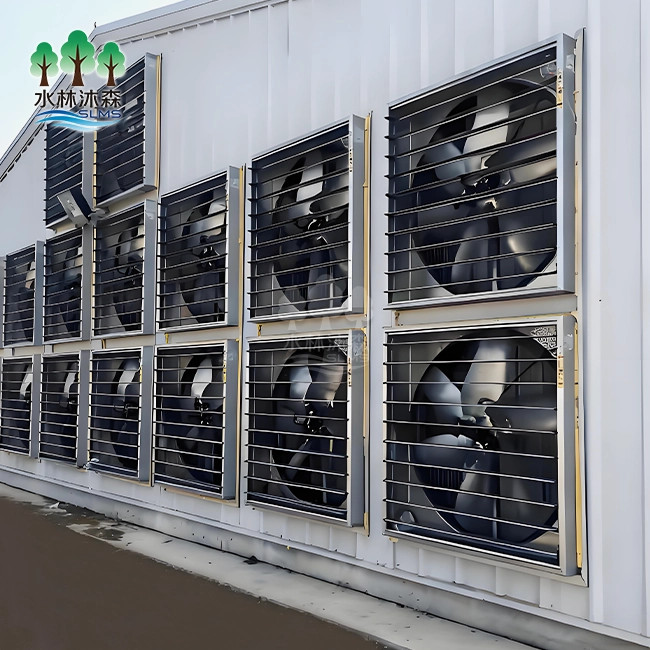
When wind isn't spread evenly across multiple levels, temperature and humidity changes cause stress for birds and make egg production less efficient. When airflow isn't planned well, heat builds up in the top levels while lower levels don't get enough air flow. This mismatch causes more birds to die, less feed to be converted into energy, and lower standards for bird care.
Targeted airflow patterns in modern ventilation systems keep the temperature and humidity the same on all four levels. By placing vent fans and air intakes in the right places, you can get the best air flow and keep temperature differences within acceptable limits.
Feeding and Watering System Malfunctions
Moving from human to automatic feeding systems adds complexity that can cause problems with operations. Inconsistent nutrition can happen across the group if feed isn't distributed evenly, feeding lines get plugged, or water nipples don't work right. If these problems aren't fixed quickly, they have a direct effect on growth rates, egg production, and the health of the group as a whole.
Design Principles and Solutions to Address These Challenges
The design of an efficient Four-layer Commercial Layer Cage System takes into account engineering concepts that solve common operational problems while maximizing room utilization and production efficiency. These solutions focus on being long-lasting, integrating technology, and being easy to maintain.
Advanced Materials and Construction Methods
Selecting the right materials and building them in the right way are the building blocks of effective four-deck systems. High-grade galvanized steel or 304 stainless steel is very good at resisting rust and keeping its shape under constant operating stress. Precision welding methods make sure that the joints are strong all the way through the framework, so there are no weak spots that could cause the system to fail.
To make sure that performance standards are met, quality control methods include tests for salt spray and tensile strength. Each part is carefully checked to make sure it meets the industry standards for load-bearing ability and resistance to the environment.
Automated System Integration
In modern chicken farms, cage structures and automated tools must work together without any problems. The Four-layer Commercial Layer Cage System has systems for automatic food, watering, and waste removal that can cut down on work by up to 40% compared to conventional techniques.
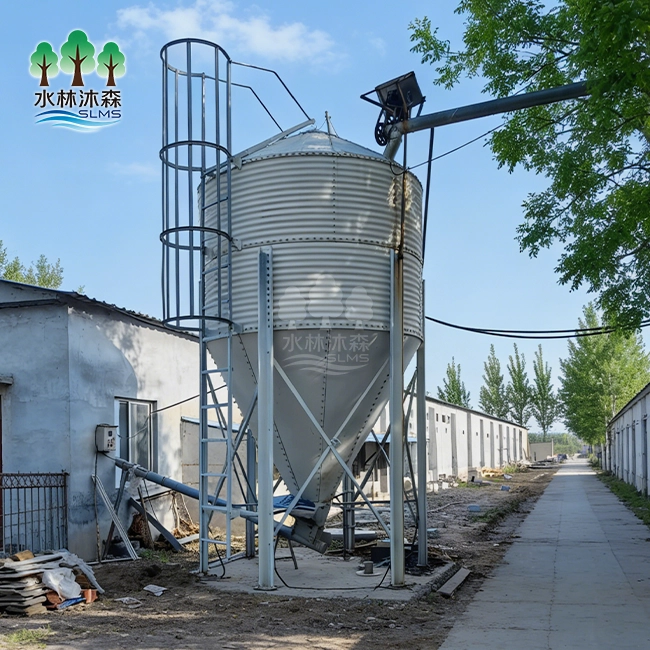
Automated feeding systems use carefully calculated distribution methods to make sure that all levels get the same amount of food. Nipple drinking systems give people clean, fresh water whenever they need it while reducing the risk of loss and contamination. Integrated waste collection belts keep the environment cleaner and cut down on the ways that diseases can spread.
Ergonomic Design for Operational Efficiency
Practical design factors include upkeep places that are easy to reach, replacement processes for parts that aren't as complicated, and the best ways to collect eggs. These features improve worker safety and efficiency while lowering operational downtime and repair costs.
The shape of the cage makes it easy to collect eggs quickly and with little damage, thanks to the right slope angles and smooth collection surfaces. This design factor has a direct effect on profits by lowering product loss and making handling more efficient.
Comparative Insights: Four-Layer Cage Systems vs Other Layer Cage Types
Understanding the advantages and limitations of different cage configurations helps procurement professionals make informed decisions based on specific operational requirements and production goals.
Four-Layer vs Three-Layer Systems
Four-layer designs, such as the Four-layer Commercial Layer Cage System, make better use of space than three-tier options, allowing for higher stocking rates within existing facility footprints. By increasing production output without proportionally raising infrastructure costs, this greater capacity leads to an improved return on investment.
Four-layer systems, on the other hand, need stronger structure support and more complex ventilation design to keep all layers at the right temperature and humidity. The original investment is usually higher than three-layer options, but the higher production capacity usually makes up for it by making the business more profitable in the long run.
Four-Layer Cages vs Aviary Systems
Four-layer cage systems are better at keeping birds healthy, managing flocks, and predicting production results than avian homes. The contained setting keeps stocking numbers high while lowering the death rate and making health tracking easier. Aviary systems are better for how people feel about animal care and may better meet the needs of some markets that want cage-free goods. But they take up a lot more room in the building and make it harder to keep diseases under control and collect eggs efficiently.
Procurement Considerations for Four-Layer Commercial Layer Cage Systems
When making strategic purchasing choices, it's important to think about more than just the original buy price. These include the long-term operational costs, the reliability of the supplier, and their expert support skills.
Manufacturer Evaluation Criteria
To find the best Four-layer Commercial Layer Cage System provider, you need to look at their technical knowledge, the quality of their products, and their customer service. Established companies with a history of making farming machinery can give you more confidence in the quality of their products and their ability to provide ongoing support. Another important thing to think about is the ability to customize, since different farm layouts and output goals may need different specs. Suppliers that offer unique engineering services and flexible design choices can better meet the needs of individual operations.
Quality Assurance and Testing Standards
Rigorous quality control methods ensure that a Four-layer Commercial Layer Cage System operates reliably and endures harsh agricultural conditions. These strict protocols include corrosion resistance testing, structural load analysis, and component lifetime assessments to guarantee all performance specifications are met. Weifang Shuilin Musen Aquaculture Equipment Co., Ltd. has strict quality standards for the whole manufacturing process, from choosing the raw materials to delivering the finished product. Each part goes through a lot of testing and inspection to make sure it works with tough farming uses.
Warranty and After-Sales Support
Strong warranty coverage and full expert help have a big effect on the total cost of ownership and managing operating risk. Suppliers who offer longer guarantee terms, on-site installation services, and quick technical support are more valuable and safer for business. Professional installation services make sure that the system is set up and configured correctly, which lowers the risk of operating problems and gets the most out of the equipment from the start. Technical documents, training tools, and ongoing support all help make sure that the system works well for as long as the equipment is in use.
Maintenance Tips and Efficiency Optimization for Four-Layer Cage Systems
Regular maintenance plans and strategies for optimizing operations make tools last longer and reduce the need for repairs and downtime. Overall, these methods make farms more profitable and help keep production steady.
Routine Maintenance Protocols
Scheduling regular inspections helps find possible problems early on, before they become expensive ones or stop operations. Checks for structural stability, tracking of corrosion, and automatic system performance verification should all be part of monthly evaluations. Multi-tier systems have special cleaning needs that need to be taken into account. For example, all levels need to be thoroughly sanitized, and waste needs to be properly disposed of. Systematic cleaning methods help keep cleanliness levels at their best and stop disease outbreaks that could hurt the health and productivity of flocks.
Performance Monitoring and Data Analysis
The success of modern Four-layer Commercial Layer Cage System installations is continuously monitored, and key measures like feed conversion rates, egg output rates, and environmental conditions are tracked. This data gives us useful information for improving operations and finding problems early on. Upgrades to LED lights, variable-speed ventilation fans, and smart feeding plans all make operations more energy efficient while keeping production levels high. These improvements make gardening more sustainable and help businesses make more money.
Conclusion
To set up four-deck layer pullet cage systems correctly, you need to know about typical problems and use tried-and-true methods that take into account structural, operational, and maintenance issues. For modern poultry businesses looking to increase production efficiency while keeping animal welfare standards, the Four-layer Commercial Layer Cage System offers an advanced option. By choosing the right supplier, installing these systems correctly, and keeping up with their upkeep, owners can get big returns on their investments and practical benefits in today's tough agricultural market.
FAQ
Q1: What are the main advantages of four-layer cage systems over traditional housing?
A: Four-layer designs greatly increase the amount of stock that can fit in a facility's current footprint, typically achieving 40kg/㎡ capacity while reducing labor costs by 40% through automation integration. The vertical form makes better use of room and speeds up the processes of turning feed into eggs and collecting them.
Q2: How often should maintenance be performed on four-deck systems?
A: It is suggested that full inspections be done once a month. These should include checking the structure, running automatic system checks, and following strict cleaning procedures. Monitoring the systems for food, watering, and air flow every day helps find problems before they hurt production or the well-being of the birds.
Q3: Can existing three-layer systems be upgraded to four-layer configurations?
A: When upgrading old systems, the structure needs to be checked to make sure it can hold enough weight, and the air design needs to be changed. Even though it's sometimes possible, replacing the whole system is usually a better long-term investment because it works better and needs less upkeep.
Q4: What customization options are available for different farm configurations?
A: Leading makers allow for a lot of customizing, such as changing the sizes, adding temperature control, changing the feeding systems, and setting up automatic egg collection systems. Custom engineering services can be used to meet the specific needs of a building and meet output goals.
Partner with Shuilin Musen Aquaculture Equipment Co., Ltd. for Advanced Cage Solutions
Ready to transform your poultry operation with cutting-edge Four-layer Commercial Layer Cage System technology? Shuilin Musen Aquaculture Equipment Co., Ltd. offers comprehensive solutions including custom engineering, professional installation, and dedicated technical support. Our eight years of agricultural equipment expertise ensures reliable performance and exceptional value for your investment. contact us at wangshuaislms@gmail.com to discuss your specific requirements and discover how our four-layer business layer cage system manufacturer capabilities can optimize your production efficiency and profitability.
References
1. Agricultural Engineering Society. "Structural Design Standards for Multi-Tier Poultry Housing Systems." Journal of Agricultural Engineering, 2023.
2. International Poultry Welfare Association. "Comparative Analysis of Layer Housing Systems: Production Efficiency and Animal Welfare Considerations." Poultry Science Review, 2023.
3. American Society of Agricultural Engineers. "Corrosion Resistance Testing Methods for Agricultural Equipment in High-Ammonia Environments." ASAE Standards, 2022.
4. National Poultry Federation. "Economic Impact Assessment of Automated Cage Systems in Commercial Layer Operations." Industry Report, 2023.
5. Ventilation Systems Research Institute. "Airflow Optimization in Multi-Tier Poultry Housing: Design Principles and Performance Metrics." Agricultural Ventilation Quarterly, 2023.
6. Farm Equipment Manufacturers Association. "Quality Control Standards for Commercial Layer Cage Manufacturing and Testing Protocols." Manufacturing Guidelines, 2022.
Learn about our latest products and discounts through SMS or email