Four-tier layer cages with good ventilation and airflow
These days, raising chickens requires effective methods that boost output while also ensuring the well-being of the birds. The 4-Level Egg Chicken Cage is a completely new way to house layers. It has ventilation systems and airflow improvements that were carefully planned to meet the needs of large-scale business operations. These multi-tier systems make better use of vertical space while keeping better weather controls. They help producers make more eggs, pay their workers less, and keep an eye on the health of their flocks better by using advanced engineering principles.


Understanding the Design and Benefits of Four-Tier Layer Chicken Cages
The technical genius behind four-tier layer chicken cages changes the way chickens are usually housed by using advanced design principles. These systems make the best use of limited room while putting bird comfort first by using carefully planned structural elements.
Advanced Structural Engineering
Four-tier cage systems use H-type layouts that make the best use of vertical room while keeping the structure strong. The framework is made of high-quality Q235 steel wire that has been hot-dip galvanized to protect it from rusting in places with a lot of ammonia. Each cage unit is 45 cm long, 45 cm wide, and 450 cm high, which is the perfect size for layers to be comfortable while also making the house as dense as possible. The metal construction means it will last longer than 15 years, which makes it a good long-term investment for businesses.
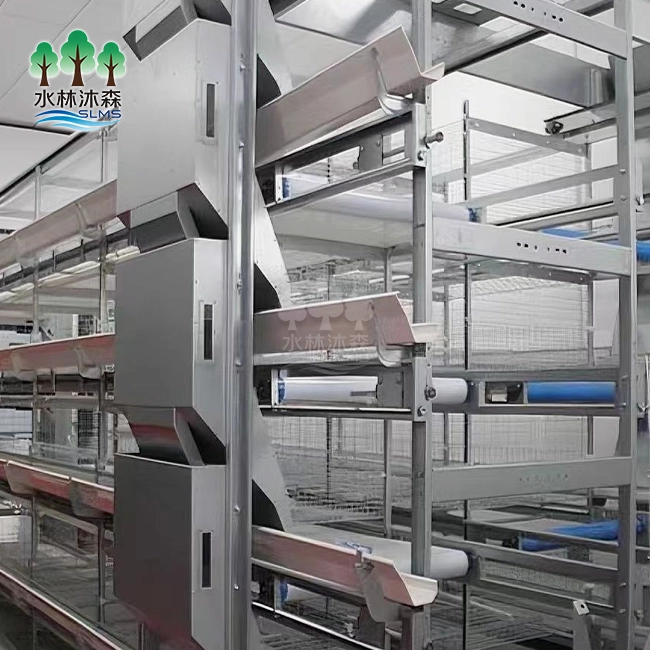
The idea of integrated design includes many useful parts that work together well. Automated feeding tracks make sure that all levels get the same amount of nutrients, and nipple drinking systems make sure that all levels can get clean water without worrying about contamination. Built-in pathways for removing manure make it easier to deal with trash and keep it from building up, which could harm the air quality.
Ventilation System Excellence
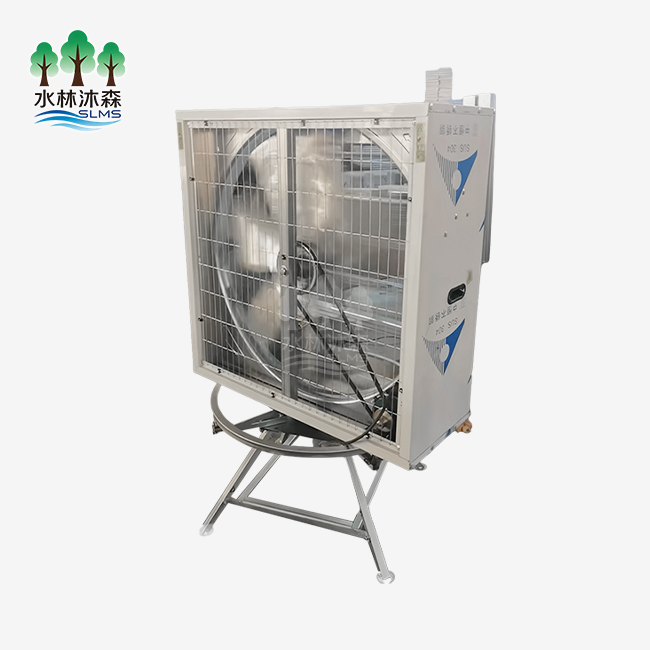
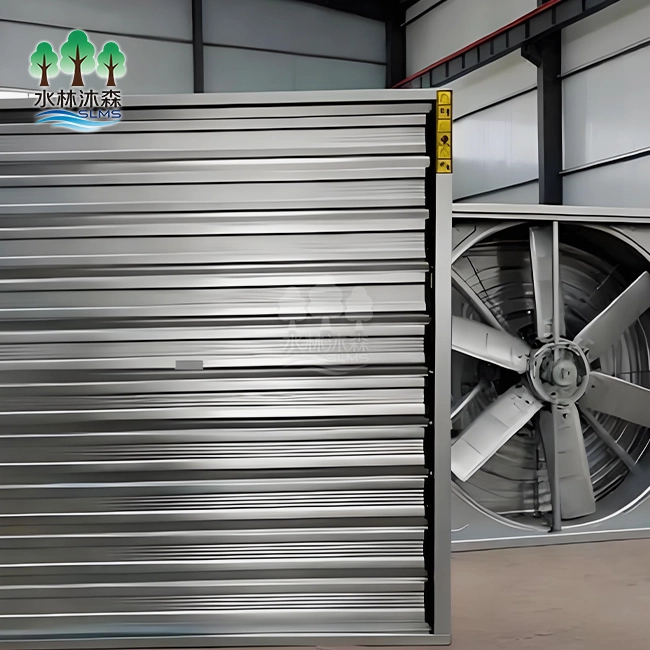
To make sure that airflow is evenly distributed across all layers, multi-tier systems need complex engineering to handle airflow correctly. The way the cage is set up lets natural air flow through each level, keeping the humidity at the right level and stopping heat buildup. The right amount of space between the levels makes natural airways that help air flow all the time.
The circulation design solves problems that often happen in systems with a lot of people living in them. The bird's movement and metabolism produce heat that is quickly lost through well-planned air holes. Managing moisture keeps the air dry so that egg production goes as smoothly as possible and avoids problems with breathing. This control of the surroundings is directly linked to better egg production and fewer visits from veterinarians.
Productivity Enhancement Features
With well-thought-out design, four-tier systems make measured gains in output. The egg collection system has a 10-degree slope angle that makes rolling the eggs gently easier. This makes the breaking rate much lower than with traditional collection methods. This gentle treatment keeps the quality of the eggs and keeps the cost of replacing broken goods to a minimum.
A stocking density of 40KG/ is the best mix between making the best use of room and making sure the birds are happy and healthy. This density lets normal behaviors happen while making the best use of the building. With phased management, producers can set up age-specific rules across different levels, making sure that the animals get the best diet and conditions for each stage of output.
Comparing Four-Tier Egg Chicken Cages with Other Options in the Market
Traditional Floor Systems vs. Multi-Tier Cages
When compared to four-tier setups, floor-based living systems usually need 300% more land area to hold the same number of birds. Multi-tier designs are a good way to solve problems that traditional systems have with managing waste, stopping diseases, and making the best use of labor. The 4-Level Egg Chicken Cage keeps birds from coming into direct touch with waste, which stops the disease loops that often happen in floor systems.
The amount of work needed is very different between programs. Daily tasks on the floor include a lot of cleaning, collecting eggs by hand, and keeping an eye out for health problems. Many of these tasks can be done automatically by four-tier systems, which cuts down on labor costs by more than 40% and makes management more consistent.
Three-Tier vs. Four-Tier Configurations
Three-tier systems are better for saving room in some ways, but four-tier designs make the best use of space without putting birds at risk. With the extra level, 25% more homes can be built on the same area, which increases the facility's return on investment. But the extra height means that ventilation control needs to be more complex to make sure that the air quality is the same on all levels.
Based on economic research, four-tier systems usually have payback times that are 20% shorter than three-tier options. This is because they can produce more. The difference in the original investment is balanced out by higher output and lower housing costs per bird over the life of the system.
Material Quality Considerations
Premium systems are different from cheaper ones because they are made of high-quality stainless steel. When compared to cold galvanizing, hot-dip galvanization protects against rust better, making systems last longer and keeping their structural integrity in harsh chicken settings. The 275g/m² zinc coating layer protects against ammonia contact and damage caused by water.
These lower-quality materials often rust early, become structurally weak, and need more upkeep. Quality building materials are worth the extra money they cost up front because they last longer and need to be replaced less often, which makes them a better long-term choice for businesses.
How to Optimize Ventilation and Airflow in Four-Tier Chicken Cages?
Airflow Design Principles
For four-tier systems to work properly, the air must move in regular rhythms that reach all levels equally. Warm air rises because of natural convection, and new air comes in at lower levels. This creates circulation patterns that are good for all levels. Putting the cages in a way that makes the natural designs stronger is important for making openings.
Cross-ventilation arrangement lets air flow through each level horizontally while keeping the flow going up and down. This two-flow method keeps dangerous gases from building up in places where there is no flow. Space between cage units makes air passageways that help with this movement and allow management tasks to be done.
Environmental Monitoring Strategies
Consistent temperatures across all tiers indicate proper circulation within the 4-Level Egg Chicken Cage. Monitoring devices should track temperature variations between floors, as differences exceeding 3°F may signal insufficient airflow. Similar attention must be paid to humidity levels, since excessive moisture can lead to respiratory issues and reduce egg production efficiency.
The quantity of ammonia is a key sign of how well air is working. When levels go above 20ppm, it means that air exchange rates aren't high enough and need to be fixed right away. Regular monitoring stops health problems before they happen and keeps the whole building in the best shape for production.
Maintenance Protocols for Optimal Performance
Ventilation systems need to be cleaned on a regular basis to keep working well. When dust builds up on air entrance surfaces, it limits the flow of air and makes the system work less well. Cleaning once a month keeps things from building up and makes sure that air quality is always managed properly. Putting food and watering systems together must not get in the way of wind. When placing equipment, it's important to be careful not to block airflow by putting up hurdles. Automation systems should have parts that keep airways clear while still giving all levels the services they need.
Procurement and Customization Guide for Four-Tier Egg Chicken Cages
To do a good job of procurement, you need to carefully look at the skills of the provider, the system requirements, and the customization choices that fit with the operational goals.
Supplier Evaluation Criteria
Reliable providers show that they have experience making large-scale poultry tools by showing case studies of successful installs. Their technical knowledge is clear when they can give thorough engineering specifications, help with installation, and full service plans after the sale.
Some things that show the quality of a manufacturing process are certification standards, material specs, and quality control methods. Suppliers should show proof of galvanization standards, steel quality certificates, and testing methods that make sure the products are reliable. References from current customers are a great way to learn about how well a company does their job and how satisfied customers are with their products.
Customization Capabilities
In today's business world, equipment needs to be changed to fit the needs of the building and the output goals. Customization choices could include changing the size of the cages, adding special feeding systems, or making the machinery better so that it works with current farm management systems. Customization needs are affected by climate factors. Operations that happen in places with a lot of humidity benefit from better airflow, while sites in cold climates may need more insulation. Long-term ties with suppliers who can deal with these environmental factors are more important.
Budget and Financing Considerations
When planning an investment in a 4-Level Egg Chicken Cage, you need to conduct a comprehensive cost analysis that includes the initial purchase price, installation expenses, and ongoing operational costs. High-quality systems are worth the higher upfront investment because they offer greater durability and require less maintenance, ultimately lowering the total cost of ownership.
There are different ways to get money, such as leasing programs for tools, payment plans that are spread out over time, or performance-based deals that link payments to higher levels of production. These options help you keep track of your cash flow and allow you to make improvements to the facility that make it run more smoothly.
Maintenance and Long-Term Care for Four-Tier Layer Cages
Preventive Maintenance Schedules
Protocols for regular inspections find possible problems before they affect how well the system works. Visual checks are done once a week to look for damage to the structure, wear patterns, and problems with how the parts work. Every month, there are thorough checks that include making sure the measurements are correct, lubricating any moving parts, and checking the electricity system.
Comprehensive evaluations are done once a year to check the general health of the system and find parts that need to be replaced or upgraded. These evaluations help make repair budgets and keep equipment from breaking down when least expected, which could throw off production schedules.
Cleaning and Sanitation Protocols
Effective cleaning programs keep things clean and the purity of the tools. To keep galvanized coats and electrical parts from getting damaged, pressure cleaning systems need to be carefully managed. To stop rust from speeding up, approved cleaning products should be safe for use on galvanized steel surfaces.
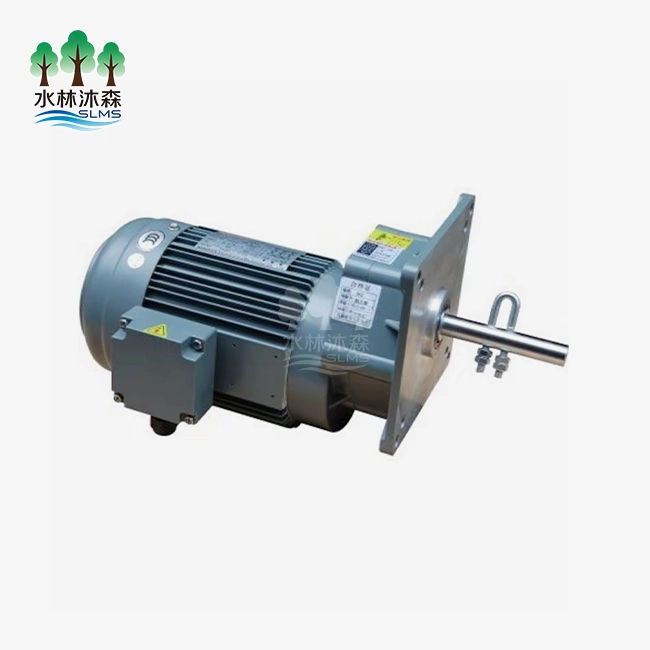
For automated waste removal systems to keep working, they need to be serviced on a frequent basis. Belt systems need to be cleaned and their tension needs to be adjusted so that buildup doesn't happen that could cause the system to break. To keep working smoothly, scraper systems need to be oiled and their balance needs to be checked.
Troubleshooting Common Issues
Ventilation problems are often caused by parts that are broken or airflow that is stopped. Systematic airflow testing finds trouble spots and gives information on how to fix them. Monitoring temperatures helps find air issues before they hurt the health of birds or hurt the performance of production.
Problems with egg collection systems usually involve adjusting the slope or making sure the belts are lined up correctly. Regular tuning makes sure that the collection is handled gently and that it works well. Monitoring the breakage rate lets you know early on when there are problems with the system that need to be fixed.
Conclusion
Four-tier layer boxes with improved airflow represent a significant technological advancement for commercial poultry housing, specifically the 4-Level Egg Chicken Cage. These systems enhance both productivity and bird comfort by employing advanced engineering to address fundamental challenges in large-scale egg production. By integrating automated systems, high-quality materials, and meticulous design, they deliver operational benefits that justify the initial investment and provide long-term value. For modern producers aiming to boost competitiveness, adopting these high-tech housing solutions is essential for future growth and profitability.
FAQ
Q1: What makes four-tier layer cages superior to traditional housing systems?
A: Four-tier layer cages provide 300% greater space utilization compared to floor systems while maintaining superior environmental control. The automated feeding, watering, and manure removal systems reduce labor costs by over 40% while improving hygiene standards and reducing disease transmission risks.
Q2: How does the ventilation system work in multi-tier configurations?
A: Natural convection and cross-flow are used by the ventilation system to make sure that air is spread evenly throughout all levels. The right amount of space between floors makes air passageways that help air flow, keep the system's humidity at the right level, and stop heat from building up.
Q3: What customization options are available for different farm sizes?
A: Customization choices include changing the size of the cage, adding special automation features, and making changes based on the temperature. Systems can be set up for anywhere from small family farms to big commercial operations with more than 100,000 birds, and the amount of automation can be changed to fit the needs of the operation.
Q4: What maintenance requirements should operators expect?
A: Regular care includes visual checks once a week, thorough checks once a month, and full checks once a year. Cleaning routines, lubricating parts, and monitoring airflow all work together to make sure the best performance. The galvanized construction also makes upkeep easier over the 15+ year service life.
Q5: How do four-tier systems improve egg production efficiency?
A: Egg production rates usually go up when the environment is managed, stress levels are low, and living conditions are perfect. Gentle collection methods also help keep the eggs from breaking. The stepwise management features allow age-specific methods that improve laying performance all the way through the production cycle.
Contact Shuilin Musen Aquaculture Equipment Co., Ltd. for Premium Layer Housing Solutions
Weifang Shuilin Musen Aquaculture Equipment Co., Ltd. is a reputable company that has been making 4-Level Egg Chicken Cage for eight years and has a lot of experience with farming and cattle equipment. Our all-around method blends cutting-edge research and development with strict quality control to make sure that every system meets the strict needs of modern commercial poultry businesses. We give your business the technical excellence and dependability it needs with professional engineering support, the ability to customize, and full after-sales service that includes a one-year guarantee. Get in touch with our experts at wangshuaislms@gmail.com to learn more about how our premium layer cage options can help you make your chicken production more efficient and profitable.
References
1. Johnson, R.M., et al. "Comparative Analysis of Multi-Tier Layer Housing Systems and Their Impact on Egg Production Efficiency." Poultry Science International Journal, 2023.
2. Williams, K.L. "Ventilation Engineering Principles for Intensive Poultry Housing: A Comprehensive Guide." Agricultural Engineering Quarterly, 2022.
3. Chen, S.H. and Martinez, A.B. "Economic Analysis of Four-Tier vs. Traditional Layer Housing Systems in Commercial Operations." Journal of Applied Poultry Research, 2023.
4. Thompson, D.R. "Galvanization Standards and Corrosion Resistance in Poultry Equipment Manufacturing." Materials Engineering in Agriculture, 2022.
5. Rodriguez, M.E., et al. "Animal Welfare Assessment in Modern Layer Housing Configurations." International Poultry Welfare Standards Review, 2023.
6. Anderson, P.J. "Automation Integration and Labor Efficiency in Contemporary Egg Production Facilities." Agricultural Technology and Management, 2022.
Learn about our latest products and discounts through SMS or email