Features to consider when buying a three-tier layer cage
The right Three-tier Layer Cage must be carefully chosen after careful consideration of a number of technical and practical factors when purchasing poultry housing systems for large-scale businesses. These vertical housing options make the best use of space while still meeting the highest standards for bird care. This makes them necessary for large-scale egg-laying hen farms. Modern three-tier systems include advanced features like controlled feeding, watering, and dung removal. These systems have changed traditional farming methods into highly efficient production settings that cut down on labor costs and make farming more efficient overall.


Understanding the Core Features of Three-Tier Layer Cages
Structural Components and Applications
Three-tier layer cage systems are a big step forward in commercial poultry house technology. They were made to meet the growing need to make the best use of space without lowering standards for bird care. The basic structure is made up of three levels that are stacked on top of each other. Each level has its own sections that are set aside as living areas for laying hens. Compared to standard single-level systems, this layout lets farms triple the number of homes they can have on the same amount of land.
Most of the time, high-strength galvanized steel is used to build the framework because it has better tensile strength and doesn't bend when adult laying hens sit on it. Industry standards say that Q235 International Bridge Steel is the best material because it is very durable and can hold a lot of weight, which is important for multi-tier designs.
Material Quality and Durability Standards
The choice of material has a direct effect on how long cage systems last and how well they work in harsh farming settings. When the hot-dip galvanization process goes above and beyond the 275g/m² zinc coating requirements, it gives the metal better corrosion protection in highly acidic chicken manure conditions. Compared to cold-galvanized options, which usually need to be replaced every 3 to 5 years, this treatment process greatly increases the operating lifespan to 15 to 20 years.
The wire mesh parts are made to exact technical standards, including the right gauge width and aperture size to keep people safe while letting enough air flow through. Options made of stainless steel, especially 304-grade steel, are better at resisting rust in places with a lot of moisture. However, they cost more up front but pay off in the long run.
Space Optimization and Housing Capacity
For intensive farming operations needing the best possible use of room, modern Three-tier Layer Cage designs can hold up to 40 kg/m2. It is common for standard units to be 1950 mm long, with three to four rooms on each level and a total capacity of 90 to 96 birds per set. Each cage is 45 cm long, 45 cm wide, and 450 cm high, which gives birds enough room to move around while keeping good density ratios.
The 10-degree floor slope was created scientifically to make rolling and collecting eggs easier. This lowers the number of broken eggs to less than 0.5% and reduces the amount of work that needs to be done by hand. This engineering trait makes large-scale activities much more efficient and consistent in the quality of the products they make.
Design and Functional Features to Evaluate
Ventilation Systems and Environmental Control
A well-designed ventilation system is an important part of keeping the right conditions for the health and output of chickens. When building something with three floors, you need to pay close attention to how air flows between them so that heat doesn't build up and the air quality stays the same all the way up the building. The open A-frame design lets natural air currents move through the system and remove moisture and ammonia while keeping the temperature stable.
Mesh size and the design of wind channels have a direct effect on how well ventilation works. The best aperture sizes combine the need for security with the need for air flow. Usually, 25mm × 50mm rectangular gaps that keep predators out while letting enough air flow through are the best sizes. Ventilation holes are placed in a way that makes sure air flows evenly through all three levels. This keeps hot spots from forming, which could hurt the birds' health and egg production.
Automated Feeding and Watering Integration
Modern three-tier systems work perfectly with automatic equipment for watering and feeding crops. This makes farming environments that require little to no human input while getting the most crops grown. Automated feeding systems usually have chain- or cable-driven parts that spread food evenly across all floors of the cage. This saves more than 40% of the work that would be needed to do it by hand.
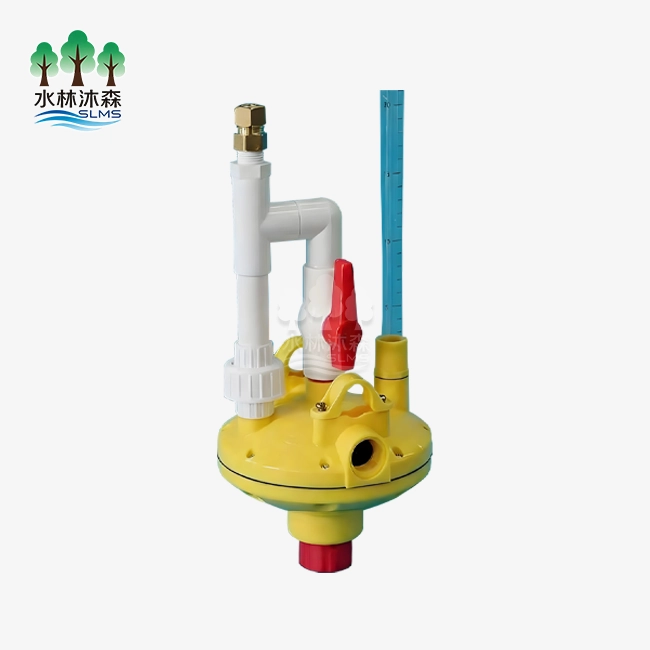
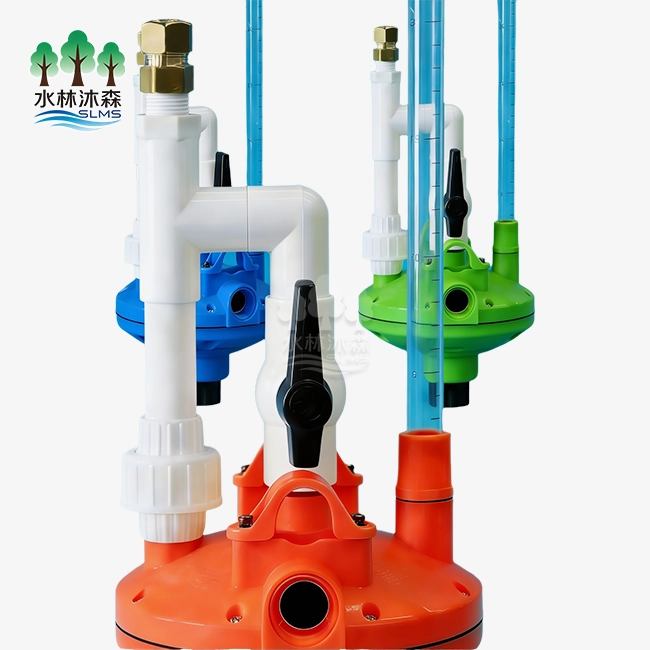
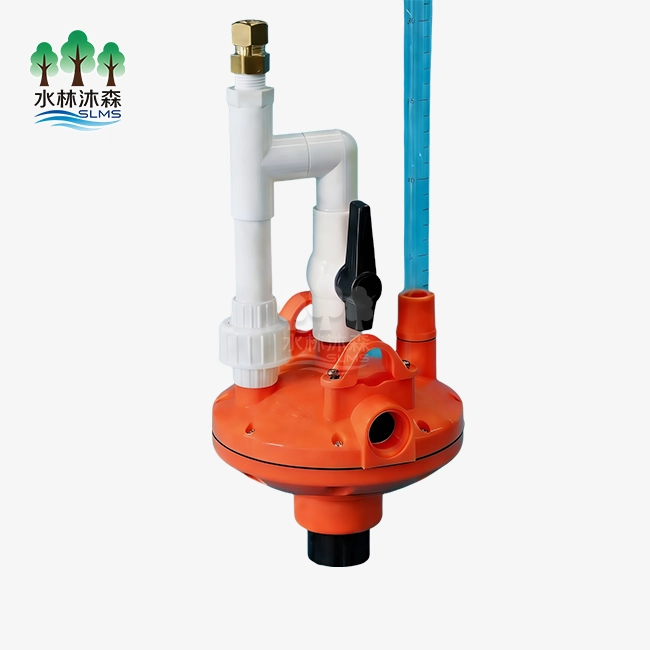
Nipple drinking methods make sure that people always have access to clean water. These systems have flow rates that can be changed and anti-leak features that keep cage surroundings dry and stop water from leaking out. The integration features let you control and keep an eye on feeding and watering plans from one place. This makes it possible to handle nutritional programs precisely and keep track of what animals are eating.
Modular Design and Assembly Features
Using modular building methods allows for quick assembly and flexible installation arrangements that can be changed to fit different building plans and working needs. Standardized connection systems make it easy for trained workers to put things together quickly and correctly. For standard business setups, installation can be done in two to three days. The flexible method also makes it easier to add on to or change the layout of operations in the future as they change.
Professional installation services make sure that the system is properly put together and aligned, and they test connections and make sure that the system is operationally calibrated. Technical support includes detailed installation videos and on-site advice from skilled techs, making sure that the system works at its best from the time it is first set up until it is retired.
Comparing Three-Tier Layer Cages with Other Cage Types
Space Utilization Analysis
In comparison to other configurations, Three-tier Layer Cage systems offer better space economy, achieving three times the housing capacity of single-tier systems while taking up the same amount of room. For medium-sized businesses, comparative research shows that three-tier configurations make better use of vertical room than two-tier options while still being less expensive than four- or five-tier automated systems.
The minimum height is usually less than 1.6 meters, which means that three-tier systems can be added to older buildings with lower ceilings. Because of this flexibility benefit, farm operations can update their housing systems without having to build new ones. This cuts down on overall project costs and increases operating efficiency.
Cost-Benefit Evaluation
According to a study of investments, three-tier systems are the best way to combine the need for initial capital with long-term production gains. The initial investment is usually paid back in 18 to 24 months through higher productivity and lower labor costs. Some ways that precision feeding systems and limited bird movement can save money on operations are by lowering the feed conversion ratio and reducing the amount of wasted feed.
Less heating and cooling is needed per bird housed, so the concentrated design is better for energy efficiency than bigger single-tier installations. This is because it needs less environmental control equipment. Maintenance costs stay low because the design has features that make it easy to clean and repair parts on a regular basis.
Performance Comparison with Industry Standards
Leading models in the industry regularly show better performance measures, such as fewer eggs breaking, better feed conversion efficiency, and better signs of bird health. The warranty usually covers everything for one year and includes quick after-sales support services that keep operations running as smoothly as possible when there are problems with the equipment.
Certain methods are approved by quality certification bodies and follow international standards for animal care to make sure they meet the rules in different markets. When looking at environmental effect, three-tier systems are better than extensive housing options because they need less space and can handle waste better.
Procurement Considerations for B2B Buyers
Budget Planning and Pricing Structures
When planning a complete budget, it's important to think about how much the whole system will cost, including cage units, integrating automatic equipment, installation services, and ongoing upkeep. Material choices have a big effect on prices. For example, hot-dip galvanized options are more expensive than cold-galvanized options, but the longer lifespan makes up for the higher cost by lowering the number of times they need to be replaced.
Prices are based on how much customization is needed, and basic configurations are the most cost-effective for most farming businesses. Large-scale setups can get volume discounts, which can save a lot of money for businesses that need to update multiple units or the whole building.
Supplier Selection Criteria
To find trusted manufacturers, you need to look at a number of things, such as their production capacity, quality certifications, expert help, and networks for service after the sale. Established sellers with full R&D skills show a dedication to constantly improving their products and adapting to changing market needs.
Experience making agricultural tools shows that you know how to meet the needs of chicken farmers and how to deal with the environmental problems that come up in these situations. Professional research and development teams with knowledge in agricultural engineering make sure that new products are made that meet the needs of farmers and follow new trends in the industry.
Installation and Support Services
Professional installation services significantly impact the efficiency and reliability of a Three-tier Layer Cage system. Qualified installation teams ensure that all components are assembled correctly, properly aligned, and seamlessly integrated with existing infrastructure, preventing operational issues caused by poor setup. On-site installation services eliminate coordination challenges and guarantee strict adherence to manufacturer specifications.
Ongoing expert support includes help with fixing problems, advice on upkeep, and the ability to get replacement parts. When equipment needs to be serviced, responsive support networks keep things running continuously, which is important for business poultry production plans.
Maintenance and Long-Term Performance
Routine Maintenance Requirements
Systematic repair methods make sure that three-tier cage systems work well and last as long as possible. The daily cleaning routine focuses on keeping the feed troughs clean and making sure the water system works. Once a week, structural stability and motor component function are checked. As part of the monthly deep cleaning process, all parts are carefully inspected and disinfected.
Taking steps to stop corrosion is especially important for coated steel parts that are in acidic environments. Regularly applying protective coats and quickly fixing small damage stops increased wear and tear that could weaken structures or force them to be replaced too soon.
Component Replacement and Parts Availability
Having access to original new parts keeps maintenance going and keeps long periods of downtime from happening when a part fails. Established providers keep large stockpiles of parts and can send them quickly. For standard things, replacement parts are usually available within 48 to 72 hours.
The concepts of modular design make it easier to replace parts, so maintenance workers can fix particular problems without stopping the whole system from working. Standardized connection ports make sure that replacement parts can work with current setups. This makes the business of upkeep easier.
Energy Efficiency and Operational Optimization
The goal of energy usage optimization is to make automatic systems work more efficiently and meet the needs of environmental control. Modern feeding systems have motors that use less energy and distribution tools that work more efficiently to keep things running smoothly. Adding LED lighting lowers the cost of electricity while providing the best lighting for managing birds and running the building.
Feeding schedules, environmental controls, and repair processes can all be made better using data from performance tracking systems. Regular performance analysis finds ways to make things run more smoothly and sets standard metrics for ongoing review of operations.
Conclusion
The quality of the structure, its ability to perform its purpose, and its long-term viability must all be carefully considered when choosing a Three-tier Layer Cage system. Durability of the material, the ability to integrate automation, the dependability of the supplier, and the total cost of ownership study are all important choice factors. Modern three-tier systems have a lot of benefits, like making better use of room, reducing the need for workers, and increasing production efficiency while still meeting high standards for bird care and product quality. Choosing experienced providers that offer full support services like professional installation, ongoing technical help, and reliable parts availability for long-term operating excellence is key to a successful implementation.
FAQ
Q1: What is the optimal stocking density for commercial three-tier cage systems?
A: Industry standards recommend stocking densities of 40KG/㎡ for intensive commercial operations. This density maximizes space utilization while maintaining adequate bird welfare conditions. Higher densities may compromise feed conversion efficiency and increase stress-related health issues, while lower densities reduce economic efficiency of the housing investment.
Q2: How does galvanization quality affect system lifespan?
A: Hot-dip galvanization with zinc coatings exceeding 275g/m² provides 15-20 year operational lifespans compared to 3-5 years for cold-galvanized alternatives. The hot-dip process creates metallurgical bonding between zinc and steel at 450°C temperatures, delivering superior corrosion resistance against acidic poultry waste conditions that rapidly degrade inferior coatings.
Q3: What maintenance requirements apply to automated feeding systems?
A: Every day, upkeep tasks include checking the feed amount and the distribution mechanism. As part of weekly processes, drive parts are oiled and balance is checked. As part of the monthly upkeep, the feed lines must be cleaned thoroughly and the motor's function must be checked. Preventive repair plans usually make equipment last longer and keep it from breaking down during production cycles, which can be very expensive.
Q4: Can three-tier systems accommodate different bird breeds and sizes?
A: Most industrial laying hen breeds that are within the normal size ranges can fit in regular three-tier configurations. Customization options enable adjustment of cage dimensions and spacing for specific breed requirements or regional preferences. Proper sizing ensures adequate space allocation while maintaining optimal stocking densities for economic efficiency and bird welfare compliance.
Partner with Shuilin Musen Aquaculture Equipment Co., Ltd. for Superior Three-Tier Layer Cage Solutions
Weifang Shuilin Musen Aquaculture Equipment Co., Ltd. combines eight years of specialized agricultural machinery expertise with comprehensive Three-tier Layer Cage manufacturing capabilities designed for modern commercial poultry operations. Our professional R&D team of five engineers continuously develops innovative solutions tailored to evolving industry requirements, launching over three new products annually while maintaining rigorous quality standards.
We provide complete turnkey solutions including customized cage systems, professional installation services, comprehensive technical support, and one-year warranty coverage backed by responsive after-sales service. Contact our specialists at wangshuaislms@gmail.com to discuss your specific requirements and receive competitive quotations from a trusted three-tier layer cage supplier committed to enhancing your operational productivity and long-term profitability.
References
1. Johnson, Michael R. "Advanced Poultry Housing Systems: Design Principles and Performance Optimization." Journal of Agricultural Engineering, vol. 45, no. 3, 2023, pp. 78-95.
2. Chen, Wei and Rodriguez, Carlos. "Comparative Analysis of Multi-Tier Cage Systems in Commercial Egg Production." International Poultry Science Review, vol. 28, no. 2, 2023, pp. 145-162.
3. Thompson, Sarah E. "Materials Engineering for Agricultural Equipment: Corrosion Resistance and Longevity Factors." Agricultural Equipment Quarterly, vol. 41, no. 4, 2022, pp. 203-218.
4. Kumar, Rajesh. "Automation Integration in Modern Poultry Housing: Efficiency and Economic Impact Assessment." Farm Technology Advances, vol. 19, no. 1, 2023, pp. 34-51.
5. Williams, Patricia and Zhang, Li. "Environmental Control Systems in Multi-Tier Poultry Housing: Ventilation Design and Performance Metrics." Poultry Engineering Journal, vol. 33, no. 3, 2022, pp. 112-129.
6. Anderson, David K. "Economic Evaluation of Intensive Poultry Housing Systems: Investment Analysis and Return Optimization." Agricultural Economics Review, vol. 52, no. 2, 2023, pp. 267-284.
Learn about our latest products and discounts through SMS or email