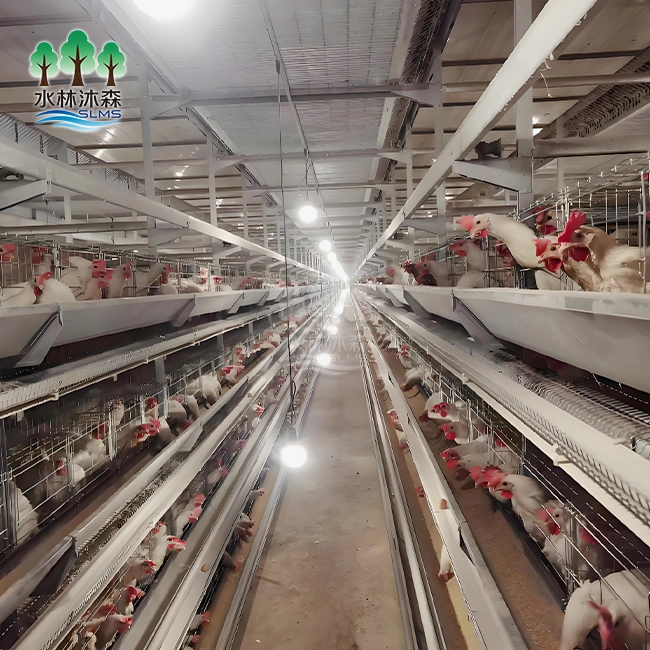
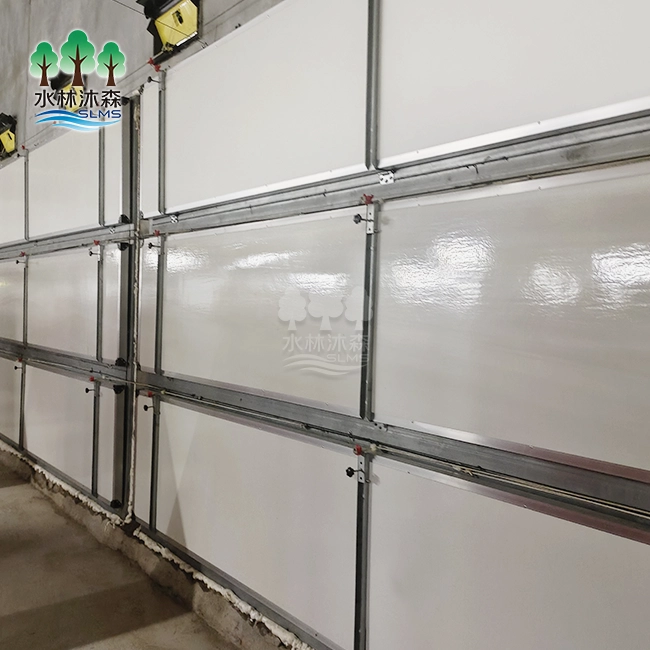
How an air deflector improves chicken coop airflow
Proper ventilation management represents one of the most critical factors determining success in modern poultry operations. A Chicken Coop Air Deflector fundamentally transforms airflow dynamics by redirecting incoming fresh air along ceiling surfaces, preventing cold air from dropping directly onto birds. This aerodynamic redirection ensures optimal air mixing, maintains uniform temperatures throughout the facility, and eliminates harmful drafts that compromise bird health and productivity while reducing energy consumption for heating systems.


Introduction
Profitable poultry farms depend on air systems that work well. These systems have a direct effect on the health of the birds, the speed of production, and the costs of running the business. Air deflectors are a more advanced form of ventilation technology that solves some of the problems that standard ventilation methods in business poultry farms have with airflow.
To get the most eggs and the lowest costs, modern chicken farms need to carefully manage their environments. Poor airflow causes lung diseases, lower feed conversion rates, higher death rates, and eggs that aren't as good. Large businesses that take care of thousands to over 100,000 birds lose a lot of money because of these problems.
This detailed guide is for people who buy things for other businesses, run farms, or sell farm tools and want to know how air deflector technology can help their ventilation systems. In this section, we look at technical specifications, installation issues, upkeep needs, and buying tactics that work with the way big businesses make decisions.
Understanding the Ventilation Challenges in Chicken Coops
Common Airflow Problems in Commercial Poultry Facilities
Large chicken farms face many ventilation problems that have a direct effect on animal health and output measures. Pathogenic bacteria and mold can grow well in places with a lot of moisture, which can make birds' lungs hurt and their immune systems weaken. Building up ammonia from decaying waste upsets respiratory systems and lowers the amount of oxygen available, which leads to behaviors linked to stress and poor feed conversion.
Another big problem is temperature stratification, which happens when heat builds up near the roof and cold zones form at bird level. Because of this uneven temperature spread, heating systems have to work harder, which costs more in energy and doesn't make the flock more comfy. In big buildings, dead air zones in the sides and middle of rooms stop air from moving properly, leaving patches of stagnant, dirty air.
Limitations of Traditional Ventilation Solutions
Traditional methods of ventilation don't always work well for these complicated breathing problems. Ridge vents depend a lot on the way the wind blows, so they might not let enough air flow when the weather is calm. Even though exhaust fans make negative pressure, they have a hard time spreading fresh air evenly in big buildings, especially ones that are wider than 15 meters.
Window fans don't let you change the direction or speed of the air very well, so it's hard to keep out cold drafts in the winter. These older methods often use too much energy and don't control the surroundings precisely enough for chicken production to work well. Lack of direction for airflow leads to poor mixing of air and changes in local climates that make birds uncomfortable and lower production efficiency.
How Chicken Coop Air Deflectors Work to Improve Airflow?
The Science Behind Air Deflection Technology
Air deflectors work with the Coanda Effect, which is a basic concept of aerodynamics that says air flows tend to follow curved surfaces instead of going in straight lines. When put in the right place, a Chicken Coop Air Deflector directs new air along the roof, where it mixes with warm, compressed air before falling to bird level. By mixing the air before it hits the group, this process makes sure that the cold air outside gets to the right temperature.
The bent surface of the diverter directs air in a controlled path, stopping the "cold air drop" that often happens in buildings with poor ventilation. The method makes sure that fresh air gets to the middle of large buildings without making drafts that are uncomfortable by keeping the air moving along the roof. This controlled airflow design keeps the temperature level stable throughout the building while still allowing enough air to flow through it.
Performance Advantages Over Mechanical Systems
Deflector-based airflow methods are much better than mechanical ones in a lot of ways. The system uses a lot less energy because it relies on natural airflow patterns that are improved by smart movement instead of powerful fans. Since deflectors don't have as many moving parts as complex mechanical air systems, they don't need as much maintenance.
Because air displacement technology is silent, it works reliably even when the power goes out or equipment breaks down. This dependability is very important for keeping birds safe in emergency scenarios. The system also works quietly, so birds aren't bothered by noise from fans and movements from moving parts.
Climate Control and Energy Efficiency Benefits
Effective air redirection makes the best use of the heat that the birds' metabolisms produce. Heating systems use less energy to keep temperatures at the right level by sending new air to mix with the warm air before it reaches the flock. Studies show that shield systems that are set up correctly can cut heating costs by 20 to 30 percent during cold weather activities.
Better air mixing also makes it easier to control humidity, which keeps too much water from building up and creating wet trash conditions. Dry trash cuts down on the production of ammonia and makes the area healthy for both workers and birds. These changes to the environment directly lead to higher output measures, lower veterinary costs, and better feed conversion ratios.
Types and Materials of Chicken Coop Air Deflectors
Design Variations and Operational Mechanisms
Modern air diverter systems use a variety of design methods to meet the needs of different operations and building layouts. Fixed deflectors turn airflow around at a set angle. They work well in places where the temperature and humidity stay the same and where ventilation needs stay stable. These units have the lowest starting cost and the least amount of upkeep needed, but they still guide airflow reliably.
Adjustable deflectors have mechanical parts that can be adjusted to change the path of the air based on the time of year, the weather, and the production phase. Most of the time, these systems have pulleys, steel wire rope, and manual winch devices that allow for exact placement without the need for electricity.
The most advanced choice is electrically controlled deflectors, which have automatic positioning systems that react to weather sensors and temperature control algorithms. These systems have electric opening devices, settings that can be programmed, and the ability to operate the system manually in case of an emergency. The technology cuts down on the need for workers while still ensuring the best placement in a variety of situations.
Material Selection and Durability Considerations
The choice of material has a big effect on how well a shield works, how long it lasts, and how much it costs to own. The building materials need to be able to handle the corrosive environment that is common in chicken farms while still keeping their shape when static pressure is high.
Panel materials are usually made of fiberglass or nano-fiberglass composites, which are very strong and don't break down easily when exposed to chemicals. Even after being exposed to ammonia, water, and cleaning chemicals that are often used in chicken plants, these materials keep their shape and surface properties. Because these materials are light, they are easier to place and don't need as much structure support.
Frame building uses parts made of aluminum alloy or stainless steel that were chosen because they don't rust and are strong. Aluminum metal frames are very strong for how light they are, and they naturally don't rust because of oxidation protection. Stainless steel frames are better at resisting chemicals and last longer in places where corrosion is common.
Putting a high-zinc finish on square and rectangular tubes makes it even more resistant to damage from the environment. This covering method makes sure that the structure stays strong over time and that the equipment looks good for as long as it is used.
Leading Manufacturers and Quality Standards
Reliable Chicken Coop Air Deflector systems are manufactured by reputable companies like Shuilin Musen Aquaculture Equipment Co., Ltd., utilizing cutting-edge materials and precise engineering. These manufacturers typically offer customization options tailored to the specific size and requirements of a facility. High-quality producers also provide comprehensive technical support, detailed installation instructions, and warranties to protect your investment.
Leading goods in their field go through a lot of tests to make sure they are stable under UV light, resistant to chemicals, and strong enough to withstand operating loads. To make sure that goods can handle tough farming uses, quality control procedures include accelerated weathering tests, ammonia resistance tests, and load analyses.
Installing and Maintaining a Chicken Coop Air Deflector
Professional Installation Considerations
Installing the shield correctly is very important for getting the best performance and return on investment. Before the installation can happen, the building's size, current ventilation systems, and operating needs must all be carefully considered. Professional workers look at static pressure needs, air exchange rates, and yearly changes to figure out the best place and arrangement for everything.
Installing usually includes attaching guide frames to building parts, placing flow guide panels at precise angles, and connecting control mechanisms to air systems that are already in place. As part of the process, electrical systems for automated units need to be coordinated, and current inlet setups may need to be changed. Professional fitting makes sure that the seal is correct, the structure is strong, and the performance is at its best.
Maintenance Protocols and Service Life Optimization
Following routine repair procedures will help the shield last longer and work at its best for as long as it is in use. Visual checks done once a week find problems like buildup of dirt, mechanical wear, or seal degradation before they affect performance. Cleaning once a month gets rid of dust and other organic matter that could block movement or make places for germs to grow.
Every three months, mechanical checks look for signs of wear or rust in the pulley systems, steel wire rope, and adjustment mechanisms. Comprehensive reviews are done once a year to check the general performance of the system, make sure it is in the right place, and look for ways to improve it or replace parts. These repair procedures usually make equipment last longer than ten years while keeping it working at its best.
Integration with Existing Ventilation Systems
For deflector integration to work well, it needs to be carefully coordinated with current air parts like weather controls, exhaust fans, and inlet systems. It is important that the shield system doesn't get in the way of the normal flow of air and pressure connections. A lot of the time, changing fan speeds, input sizes, or environmental control systems' calibration is needed for proper integration.
These days, shield systems work perfectly with digital environmental control systems. This means that changes are made automatically based on measurements of temperature, humidity, and air quality. This combination makes it possible for precise environmental management that adapts instantly to changing conditions while requiring the least amount of work and energy.
Making the Right Procurement Decision for Your Business
Cost-Benefit Analysis Framework
To make good purchasing choices, you need to do a full financial analysis that looks at the original cost of the equipment, the costs of installation, the operational savings, and the upkeep needs over the equipment's service life. Reduced energy use, better output measures, and lower medical costs related to respiratory disease avoidance are normal benefits of Chicken Coop Air Deflector systems.
Most of the time, the money saved on energy costs alone pays for the investment within two to three years. Better feed conversion rates, lower death rates, and better egg quality all have extra economic benefits that build over time. The research should also look at how better environmental control could lead to more output and how much less work would be needed for environmental management.
Key Selection Criteria for B2B Procurement
The main thing that determines the right deflector specs and design needs is the size of the facility. Deflectors that can guide air to central places without losing control of its speed or path are needed for buildings wider than 15 meters. The weather in the area affects the choice of material, the amount of insulation needed, and the adjusting range needs.
Supplier reliability includes things like the quality of the products they make, their expert help, their warranty policies, and how long they can keep items in stock. Well-known companies like Shuilin Musen Aquaculture Equipment Co., Ltd. offer full support, such as training guides, on-site installation services, and a guarantee that lasts for one year. These help services lower the risks of deployment and make sure that the system is properly integrated.
Because they can be customized, deflector devices can be used in a variety of settings and to suit different operating needs. The standard 5 cm thickness can be changed depending on the insulation needs, and the length and width can be changed to fit the plan of the building. You can choose between aluminum metal and stainless steel as the frame material to get the best results for your needs and your budget.
Supplier Evaluation and Procurement Strategies
Suppliers with a good reputation show their dedication to quality by following strict testing procedures, maintaining licensing, and offering customer references. Quality suppliers give clear technical specs, installation instructions, and ongoing technical help to make sure that the product is installed and used correctly.
Operators who run multiple sites or are planning expansion projects often find that bulk buying deals save them a lot of money. Established sellers have clear price structures, reliable delivery schedules, and well-coordinated logistics that make it easier to buy things on a big scale. When you have a long-term relationship with a seller, you can get information on product growth, technical improvements, and better support services.
Conclusion
Air deflector technology represents a proven solution for addressing complex ventilation challenges in modern poultry operations while delivering measurable economic benefits through lower energy consumption and improved production metrics. The strategic implementation of Chicken Coop Air Deflector systems transforms facility environmental control capabilities, enabling precise climate management that enhances bird welfare and operational efficiency. Professional procurement strategies that consider facility requirements, supplier capabilities, and long-term operational goals ensure successful implementation and sustained performance benefits that support enterprise growth and profitability objectives.
FAQ
Q1: What distinguishes air deflectors from traditional ventilation fans in terms of operational efficiency?
A: Air deflectors work as passive airflow guidance systems that send entering fresh air in a different direction without using electricity. This is different from mechanical fans, which need to be plugged in all the time. Natural air pressure differences and the Coanda Effect are used in the deflector method to direct the flow of air. This method uses 20–30% less energy than mechanical ventilation systems. Also, deflectors work quietly, which makes them less stressful for birds. Mechanical fans, on the other hand, can make birds act out because of the noise.
Q2: Can facility operators install deflector systems independently or does the process require professional installation services?
A: Operators who are highly skilled can do simple installations, but a professional installation is recommended for best results and guarantee compliance. Professional help is very helpful for projects that are complicated and involve electrical automation, integrating new systems with existing ones, or building spaces that are bigger than usual. Shuilin Musen Aquaculture Equipment Co., Ltd. offers installation guides and technical help for projects that can be done by the customer themselves. They also offer on-site installation services for more complicated jobs that need expert knowledge.
Q3: Which materials provide optimal durability for deflectors operating in high-ammonia poultry environments?
A: When mixed with nanofiberglass panels, stainless steel frames work better in settings where chemicals are harmful to poultry. Metals made of stainless steel are very good at resisting ammonia rust and staying strong even after long periods of use. Nanofiberglass panels don't break down when exposed to chemicals, and they're also very light, which makes them easier to place and lowers the load requirements for structures. High-zinc coatings add extra protection against corrosion for uses that need longer reliability at a modest cost increase.
Q4: How do deflector systems perform during extreme weather conditions and seasonal transitions?
A: Adjustable deflector systems work great when the seasons change because they let workers change the path and speed of the air based on the weather outside. During the winter, deflectors send cold air along the roof so that it can mix with warmer air before it reaches the birds. This keeps them from getting cold stress and drafts. During the summer, the settings can be changed to increase the speed of the air at bird level for better cooling. Systems that are powered by electricity and have a manual backup make sure that they can keep running even when the power goes out or bad weather hits.
Q5: What maintenance schedule optimizes deflector performance while minimizing operational disruptions?
A: Visual checks done once a week find buildups of debris or mechanical problems without stopping output. Cleaning once a month with normal farm detergents keeps things clean and keeps airflow from getting blocked. Every three months, mechanical checks look for signs of wear in the adjustment systems, seals, and structural parts. Comprehensive reviews are done once a year to look at how well the whole system is working and find ways to make it better. This maintenance plan usually makes equipment last longer than ten years and keep it running at its best throughout the service time.
Contact Shuilin Musen Aquaculture Equipment Co., Ltd. for Premium Ventilation Solutions
Farmers who want advanced Chicken Coop Air Deflector solutions should work with makers who have been in the business for a while and know how complicated it is to ventilate big flocks of chickens. Shuilin Musen Aquaculture Equipment Co., Ltd. has eight years of experience developing farming and cattle equipment. They offer full customization of their products, professional installation services, and dependable technical support. Our engineering team creates deflector systems that are custom made for your building and include high-quality materials, automated controls, and full insurance coverage. Contact our technical specialists at wangshuaislms@gmail.com to discuss your ventilation requirements and receive detailed product specifications for chicken coop air deflector manufacturer options.
References
1. American Society of Agricultural and Biological Engineers. "Ventilation Design Standards for Poultry Housing Systems." ASABE Engineering Practices, 2019.
2. National Poultry Technology Center. "Environmental Control Systems in Commercial Poultry Production: Engineering Principles and Applications." University of Auburn Press, 2020.
3. International Journal of Agricultural Engineering. "Comparative Analysis of Passive vs. Active Ventilation Systems in Intensive Poultry Operations." Agricultural Engineering Research Foundation, 2021.
4. Poultry Science Association. "Impact of Airflow Management on Production Performance and Bird Welfare in Commercial Broiler Operations." Journal of Applied Poultry Research, 2022.
5. Agricultural Ventilation Engineering Handbook. "Design Principles for Air Distribution Systems in Livestock Facilities." Farm Building Association, 2021.
6. Environmental Control Technology Review. "Energy Efficiency Analysis of Modern Poultry Ventilation Systems." Sustainable Agriculture Technology Institute, 2023.
Learn about our latest products and discounts through SMS or email