What Makes a Feeding Pan So Effective?
Feed pans for chickens are a big step forward in how efficiently modern chicken farms work. These special feeding connections solve important operating problems by reducing feed waste, keeping feed from getting contaminated, and making sure that all of your animals have the same access. Their effectiveness comes from the protective grille design that keeps birds from spreading food while they're eating, along with the multi-compartment layouts that keep the feed evenly distributed. If you choose and take care of these pans correctly, they can directly affect your Feed Conversion Ratio (FCR) and lower your running costs by 2–5%. This makes them necessary tools for businesses that want to make the most money and keep their birds healthy.
Understanding the Core Problem with Traditional Chicken Feeding Methods
Farmers all over the United States are still losing money because of the way they feed their chickens. Linear trough feeders and open feeding platforms cause losses that can be avoided and add up to a lot over the course of a production cycle. Birds naturally scratch and flick their food while they eat it, so 8–12% of it ends up on the litter floor, where it gets dirty and can't be used again. This practice alone can waste more than $15,000 a year in feed for a 50,000-bird broiler farm.
Another ongoing problem that undermines flock health and biosecurity measures is contamination. When feeding areas are left open, droppings and food can mix, which creates ways for pathogens to spread. When birds step into feed troughs, they bring in water and germs that spoil the food that is still there and needs to be thrown away often. Traditional systems need to be refilled and cleaned by hand, which takes time that could be better spent watching over flocks and maintaining the building.
Poor Design and Material Degradation
A lot of old food systems are made of thin plastics or low-quality materials that break when exposed to UV light and the temperature changes that happen a lot in chicken houses. Parts that are easily broken break when they are cleaned, leaving sharp edges that hurt birds and mean that they need to be replaced often. These problems are made worse by pans that are too short and easily spill, and pans that are too deep and smaller birds can't reach the food, which makes it hard for the group to grow evenly.
How Modern Feeding Pans Address These Pain Points
Modern serving pan systems have technical improvements that fix all of the problems with the old ones. Protective screen structures keep birds from getting into the pan physically, but they let the heads get in to eat. This barrier blocks the path that droppings could take to spread germs, and compared to open troughs, it cuts feed spreading by about 70%. Multi-compartment designs with 8, 14, or 16 parts make sure that the food is spread out properly around the pan's edge, so that many birds can eat at the same time without fighting.
Material choices have changed a lot. New forms of polypropylene (PP) and polyethylene (PE) are better at resisting impacts and staying chemically stable. These materials don't break down when exposed to ammonia or acidic cleaners, so they can be used for longer than five years in well-managed settings. Removable bases and hinged parts make it easier to clean thoroughly when the house is turned over, which helps keep hygiene standards high between groups.


Key Features That Define an Effective Chicken Feed Pan
To choose the right tools for feeding chickens, you need to look at its performance qualities that match the size and type of your flock. The most important features directly deal with reducing waste, longevity, and upkeep efficiency, which are all things that affect the long-term return on investment for buying tools.
Material Composition and Structural Integrity
Professional-grade food pans are made from 100% new co-polymer plastics, not discarded materials that weaken the structure. The perfect mix of flexibility and hardness is found in PP and PE formulas. They don't break easily in cold weather and keep their shape in the summer. UV stabilizers built into the polymer matrix protect against damage from sunlight in building systems that are naturally aired or partially open.
The protective screen part is the most important part for stopping waste. Spoke configurations usually have 14 sections for broiler operations. This makes small entrance points that let the head in but not the whole body. This arrangement limits the scratching that leads to feed spillage. The screen must be firmly attached to the pan body through strong connection points that can handle being hit by food over and over again.
Compartment Configuration and Capacity Matching
There are 8-compartment, 14-compartment, and 16-compartment options to choose from, and each is best for a different type of work. Eight-compartment types work well for flocks with fewer birds or for breeder operations where the ratio of birds to pans stays low. The standard for industrial broiler production is a 14-compartment design that can hold 45 to 55 birds per pan, based on the birds' growth stage. Sixteen-compartment versions make the best use of feeding positions in high-density operations that focus on making the best use of room.
The right capacity matching stops both excess stress and equipment investment from not being used enough. We suggest that you figure out how many feed pans for chickens you need by looking at the times when the whole flock is eating at the same time. Birds have to fight fiercely because there aren't enough pans, which affects growing uniformity and makes stress-related health problems worse. Installations that are too big lose money and make cleaning harder, but they don't make feeding more efficient.
Functional Enhancements That Improve Daily Operations
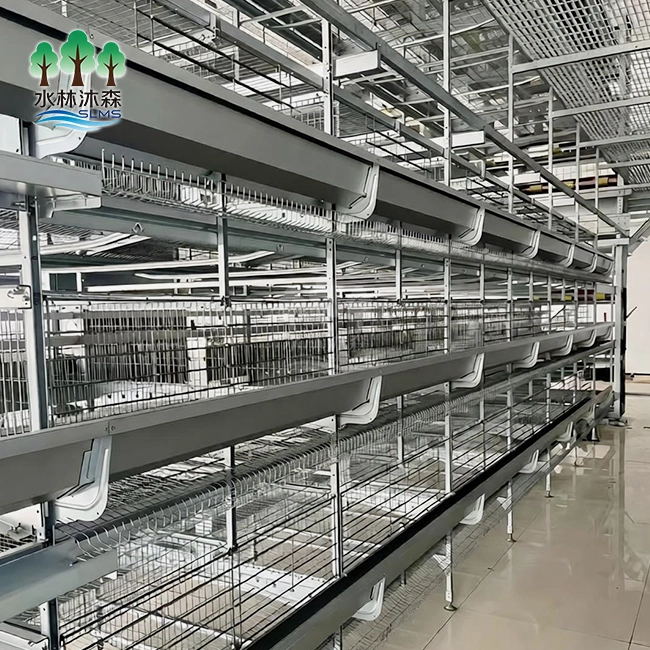
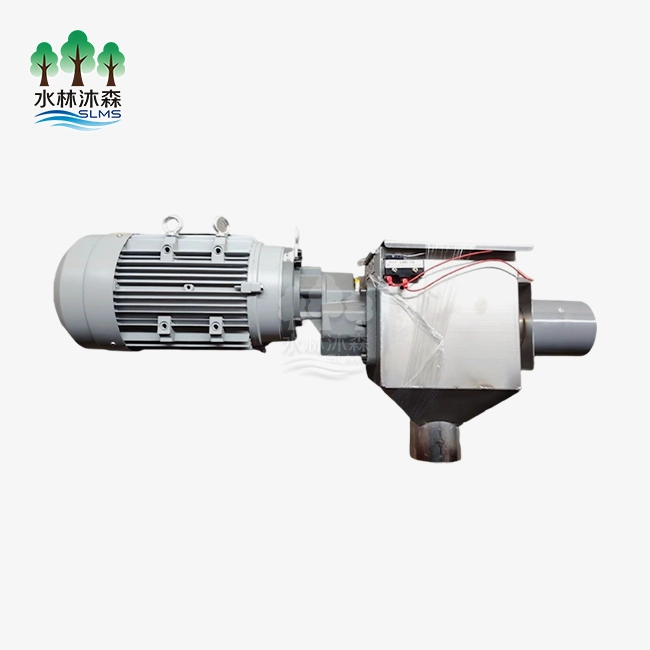
Automated auger systems send feed to central feed tubes in the pan body, which spreads the material evenly across all compartments. Volume delivery is controlled by adjustable feed doors, which let workers set portion sizes based on the age of the group and how much it eats. This ability to adjust is especially helpful when the birds are moving from the nesting phase to the grow-out phase, when their food needs change a lot.
Bases that can be taken off make it easier to clean thoroughly between production rounds, which is an important hygiene measure. Fixed-bottom designs collect leftover feed and water, which feeds germs and hurts the health of the next group from the very first day. Tray ladders have devices that let you change the height as the birds get bigger, so you can always get to the best spot during the production cycle. These features directly support the high standards of cleanliness and work efficiency that large-scale businesses need to stay profitable.
Comparing Feed Pans and Feeders: Which Suits Your Business Needs?
When you choose equipment, it's important to make sure it fits with your long-term business goals, working responsibilities, and infrastructure. Both poultry food pans and automatic feeder systems have their own benefits that make them better for different types of production and management.
Cost Analysis and Operational Implications
Feeding pans usually need less money to be put in at the start than fully automatic tube feeder setups. Depending on the specs, a normal pan costs between $8 and $15 per unit. For a whole house installation, an automated feeder system with control mechanisms costs between $2,500 and $7,000. But pan-based systems need to be refilled by hand more often if they aren't connected to auger delivery lines. This means that they need ongoing work that automatic feeds don't have to do.
Material choice has a big effect on prices and maintenance plans over the product's lifetime. It is easier to install and move plastic pans because they don't rust and are lighter. Metal choices last longer in harsh settings, but they need to be checked regularly for rust and structural wear. The filling equipment we make is made from high-quality PP and PE materials that are both affordable and long-lasting, so it works reliably through many production cycles.
Feed Waste Reduction and Flock Behavior
When pan systems are set up correctly, physical walls stop spills and keep feed trash below 3%. Automated tube feeders produce the same amount of trash, but they need the feed level controls to be set correctly and the mechanical parts to be serviced regularly. Pan feeders naturally encourage calmer eating behavior because birds can get to the food from anywhere around the 360-degree edge. This makes them less likely to act territorially, which can happen with linear feeders.
Flock consistency is better when food equipment lets multiple birds use it at the same time without creating bottlenecks. Our 14- and 16-compartment models make sure that all birds get an equal number of eating spots. This way, smaller or less aggressive birds can get enough food without having to compete directly with the birds that are in charge of the flock. This behavioral advantage leads to more even weight distribution during processing, which makes the product more consistent and lowers downgrade losses.
Automation Integration and Labor Efficiency
Modern pan systems work perfectly with automatic feed delivery lines. This way, pan design helps keep food from going to waste while automation saves time and effort. Control pans send feed when levels drop below limits that have been set. This eliminates the need for daily monitoring. This mixed method cuts down on labor by about 40% compared to fully manual systems while keeping the lower capital costs that make pan-based solutions appealing for businesses that want to grow.
Automated feeders are the best option for businesses that want to save time and money on work while still controlling food precisely. Labor costs are a big part of running large sites with more than 100,000 birds, and these methods work great there. The bigger investment up front pays off by lowering the need for staff and letting you set up complex food plans that improve FCR performance.
Procurement Insights: How to Select and Source the Best Chicken Feed Pans
To buy strategic tools, you need to carefully look at the technical specs, the supplier's skills, and the overall cost of ownership. When you buy something without giving it a lot of thought, you end up with practical inefficiencies that last the whole life of the tools.
Matching Specifications to Operational Requirements
First, figure out how much food you actually need to feed the birds based on the highest number of birds and the recommended bird-to-pan ratios. According to industry standards, there should be one feed pans for chickens for every 45 to 55 broilers during the grow-out phase. This should be adjusted for higher numbers during early brooding when feed consumption is still lower. Write down your exact needs, such as the number of compartments you need, the materials you prefer, and any special features your house design requires.
The type of flock has a big effect on the best pan properties. Layer farms benefit from thicker pan profiles because they keep feed from spilling out when laying hens scratch. For broiler production, shorter shapes are preferred because birds grow quickly and their sizes change all the time. For turkey and duck farms, the buildings need to be stronger so they can handle heavier birds and more active feeding. We offer customization services that change standard designs to fit specific production situations. This way, you can be sure that the equipment you buy fits your exact needs.
Evaluating Supplier Reliability and Technical Support
Product specs are important, but so are the supplier's track record and service skills. When equipment breaks down during busy production cycles, it causes delays that cost a lot more than just the cost of new parts. We offer full technical support, including installation films and on-site help that speeds up rollout and cuts down on mistakes. Our one-year guarantee covers any problems with the way the product was made, and our helpful service team is here to answer any questions you have about how it works during normal use.
Make sure the provider can handle big orders and that the standard stays the same across large shipments. Businesses that put tools in more than one house need to be sure that all of the units meet the same performance and design standards. Our quality control procedures make sure that each batch is the same, so you can safely add more equipment without worrying about performance differences between groups of equipment.
Customization and OEM Partnership Opportunities
Usually, standard products work well for most uses, but sometimes, specific operating needs call for custom solutions. We have in-house technical skills that allow us to make unique changes to sizes, compartment layouts, and material requirements. This adaptability is helpful for businesses that need to change how they use current buildings or try new ways of managing that standard tools can't handle.
Distributors of farm machinery and big farming cooperatives that want branded solutions can benefit from OEM relationships. We work with partners to make personalized goods that meet the needs of local markets and help you reach your brand development goals. These agreements include flexible order sizes, unique design features, and well-coordinated operations that make you more competitive in local markets.
Optimizing Performance and Longevity of Chicken Feed Pans in Your Operation
Investing in equipment is most valuable when the way it is used supports top performance and a long life. Feeding equipment goes from being passive infrastructure to active profit generators when deployment, upkeep, and performance tracking are done in a planned way.
Installation Best Practices and System Integration
When something is installed correctly, it sets the stage for effective long-term success. Place pans at the right height for the bird's age so that it can easily reach the food without having to stretch its neck too far, which can make it less interested in eating. Plan to change the height as the groups grow. Tray ladder systems make it easy to move the birds without having to do a full reinstallation. Spread out the pans widely around the house to avoid points of overcrowding and to make sure that no one is stuck without enough feeding access.
For automatic feed distribution systems to work with pan capacity and auger line output, they need to be carefully coordinated. Set the sensitivity of the control pans so that they replace before they're completely empty. This will keep the feed supply steady without spilling. Before adding birds, test the whole system under heavy use to find any supply problems or uneven distribution patterns that could make feeding less efficient.
Maintenance Protocols That Extend Equipment Life
Set up cleaning plans that are in line with the stages of the production cycle and the results of eye inspections. A light cleaning every two to three days gets rid of the dirt and water that builds up and helps germs grow. This keeps the feed pans for chickens clean, the feed fresh, and the birds healthy. Using approved sanitizers for deep cleaning between groups gets rid of the risk of pathogens spreading and lets you check the state of each part. Our design with a moveable base makes it easier to clean thoroughly, which saves time and improves cleanliness.
Check the grille attachments and locking devices often for damage or wear that could make them less useful. Replace broken parts right away to stop feed from spilling and a path for infection to form. Keep extra parts on-site to cut down on downtime when repairs are needed, especially when production is high and quick action is needed.
Performance Monitoring and Continuous Improvement
Keep an eye on key performance indicators that show how well the food system is working and where it can be improved. Keep an eye on how much feed the group is eating based on its size and stage of growth, and compare real use with predictions. When there are big differences, it means there might be a problem with waste or health that needs to be looked into. Keep track of instances of contamination and link them to specific pieces of tools or ways of managing, this will allow for focused interventions.
Find the return on investment by comparing the amount of waste that was saved and the number of hours of work that were saved compared to the old food method. These measures not only back up choices to buy equipment, but they also show where implementation could be expanded. Facilities that report 3-5% feed savings thanks to better pan systems usually see a return on their investment in less than 18 months, and they continue to save money over the life of the equipment.
Conclusion
Effective feed pans for chickens improve operations efficiency by reducing waste, maintaining hygiene, and supporting the health of flocks in a variety of production settings. The safe grille designs, multi-compartment layouts, and long-lasting materials directly address the problems that keep coming up with standard feeding methods that make them less profitable. Strategic buying choices based on the needs of the flock, the skills of the seller, and a total cost analysis make sure that investments in tools pay off in a way that can be measured.
These benefits last for a longer time because of systematic maintenance procedures and performance tracking. Shuilin Musen Aquaculture Equipment Co., Ltd. has been making specialized equipment for eight years. We can help your business succeed by giving you reliable products, quick expert support, and the ability to make changes that fit your specific farming setting.
FAQ
How often should I clean feeding pans to maintain optimal hygiene standards?
Light cleaning should be done every two to three days while production is going on to get rid of dirt and wetness that helps bugs grow. Maintaining feed quality at this level doesn't require too much work. Change how often you clean based on the weather—higher humidity or warmer temperatures may mean you need to do it more often. Between production cycles, clean the materials thoroughly with approved disinfectants that are safe for PP or PE. Let the materials dry completely before adding new groups.
What material provides the best durability for feeding pans in various weather conditions?
Virgin polypropylene (PP) and polyethylene (PE) formulas of the highest quality work best in a wide range of environmental situations. These materials don't crack when it's cold outside, and they stay strong when it's hot outside. UV stabilizers keep things from breaking down in naturally aired buildings that are exposed to sunlight. Metal options last longer, but they need to be kept from rusting and are heavier, which makes installation more difficult. Our pans made of plastic are the best combination of durability, chemical protection, and ease of use for industrial poultry uses.
Do automatic feeding pan systems justify their cost for medium-scale operations?
Investing in automated pan systems that handle more than 20,000 birds is a good idea because they save a lot of time and money by cutting down on waste. These methods cut down on manual feeding by about 40% while making the consistency of the feed spread better. The secure grille design cuts feed waste by 2–5%, which saves money over time and speeds up the return period. Medium-sized businesses benefit a lot from these advantages, especially when they can't hire enough workers to grow. Find your exact break-even point by comparing the cost of work hours to the cost of buying tools and spreading the cost out over the time it is expected to last.
Partner with Shuilin Musen Aquaculture Equipment Co., Ltd. for Superior Feeding Solutions
Our carefully built food pan systems are perfect for commercial-scale production needs and will improve the efficiency of feeding your chickens. Shuilin Musen Aquaculture Equipment Co., Ltd. has been making specialized equipment for eight years and offers quick technical help and customization options that can be tailored to your specific needs. Our five experienced engineers come up with new ideas and make sure they are of the highest quality.
The tools they make cuts down on waste, makes work more efficient, and helps keep flocks healthy throughout production cycles. Please email us at wangshuaislms@gmail.com so that our procurement specialists can talk about your particular needs and help you find the best combinations, volume discounts, and customization choices. As a reputable company that makes feed pans for chickens, we offer full support, including installation instructions, a one-year guarantee, and ongoing technical help to protect your equipment investment. You can see our full line of products at slms-equipment.com, and you can learn how our food options can help your business make more money.
References
1. Aviagen. (2020). Broiler Management Handbook: Feeding Systems and Equipment Selection. Aviagen Inc., Huntsville, Alabama.
2. Donald, J. (2018). Practical Guide to Poultry Feed Management and Equipment Optimization. Agricultural Technology Press, Ames, Iowa.
3. Leeson, S., & Summers, J.D. (2019). Commercial Poultry Nutrition: Equipment Impact on Feed Conversion Efficiency. Nottingham University Press, United Kingdom.
4. National Chicken Council. (2021). Best Management Practices for Broiler Production Equipment. National Chicken Council, Washington D.C.
5. Ravindran, V. (2017). Feed Efficiency in Poultry Production: Equipment and Management Factors. CAB International, Wallingford, United Kingdom.
6. University of Georgia Cooperative Extension. (2022). Poultry Housing and Equipment for Improved Production Efficiency. Bulletin 1506, Athens, Georgia.
Learn about our latest products and discounts through SMS or email