How do rail-mounted feeding vehicles improve poultry farm efficiency?
Rail-mounted feeding vehicles revolutionize poultry operations by automating feed distribution along fixed tracks installed within chicken houses. A Poultry Shed Rail-mounted Feeding Vehicle delivers precise, uniform feed amounts to every cage row, eliminating manual labor while drastically reducing feed spillage and waste. By maintaining consistent feeding schedules and portions, these automated feeders optimize feed conversion ratios and stabilize production outputs, directly translating into measurable cost savings and enhanced profitability for medium to large-scale poultry operations across the United States.


Understanding Rail-Mounted Feeding Vehicles in Poultry Farms
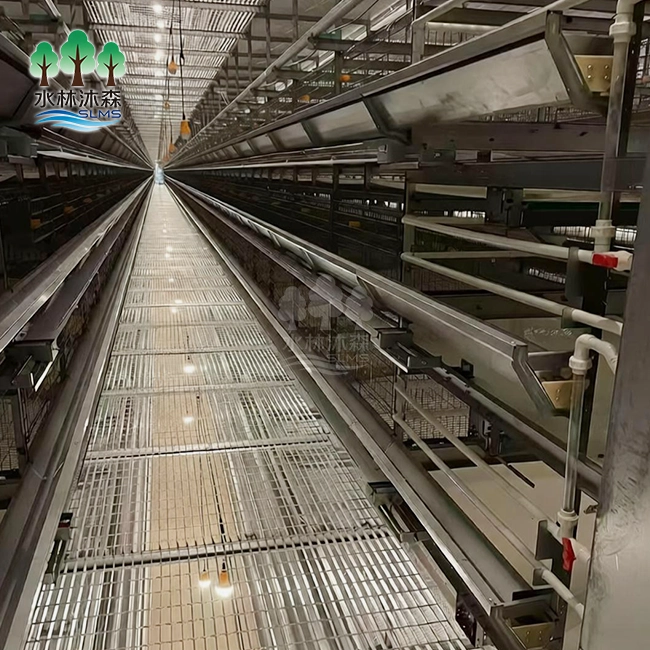
Using automated feeding technology has completely changed how modern chicken farms run their day-to-day business. These specialized systems work on their own train network, moving hoppers full of feed and spreading it evenly across several cage levels at the same time.
Core Components of Automated Feeding Systems
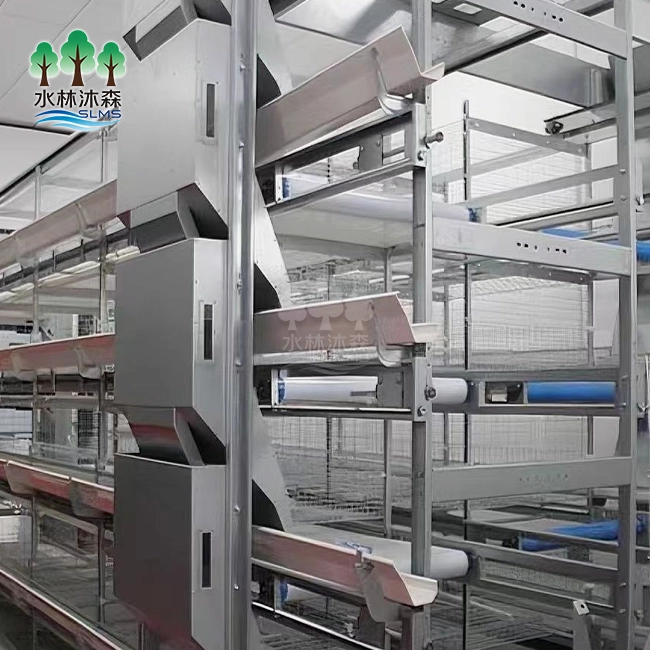
A standard Poultry Shed Rail-mounted Feeding Vehicle is made up of several combined parts that work together. The walking system moves the machine along galvanized steel tracks, and the control system controls the speed, dose, and time of operations. The feeding device has openings that can be adjusted to release specific amounts, whether you're working with mash, crumbles, or pellets. Safety features like limit monitors, emergency stop switches, and overload protection make sure that the machine works reliably even in tough production settings.
Our hot-dip galvanized square and rectangular pipe design gives the structure great strength and resistance to the corrosive ammonia-rich air that is common in chicken coops. This strong framework has a service life of 10 to 15 years when used normally, which makes it a good long-term investment for sites with 10,000 to over 100,000 birds.
Operational Principles and Integration Capabilities
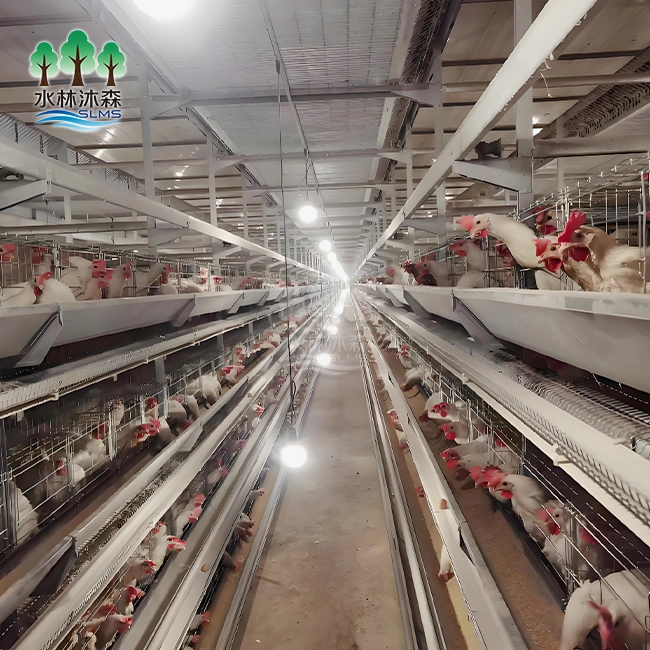
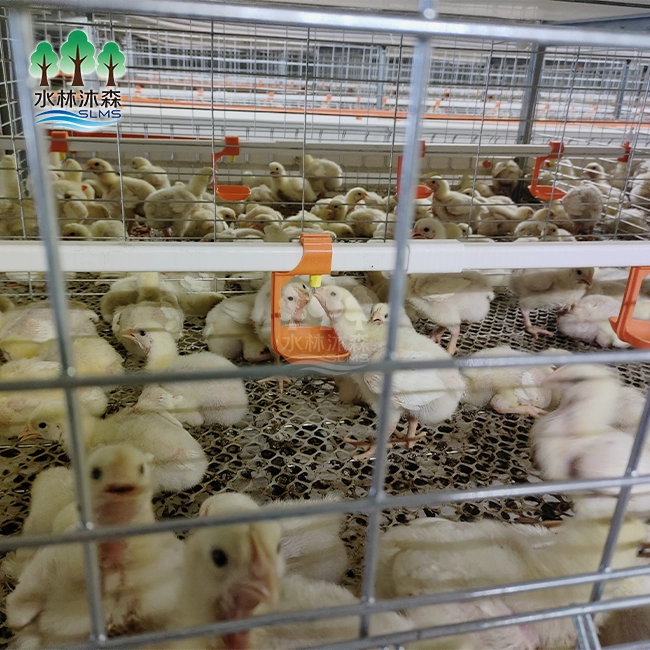
The three- and four-layer stackable cage setups work perfectly with these cars. Customization based on the length, number of cage rows, and height needs of your shed guarantees the best fit and performance. The system can handle different kinds of chickens, like laying hens, broilers, turkeys, and ducks, so it can be used in a wide range of production schemes. Videos showing how to install and detailed instructions for technical support make rollout easier, and on-site installation services are still available for businesses that want professional help setting up.
Challenges with Traditional Poultry Feeding Methods and How Rail-Mounted Vehicles Solve Them
Manual feeding has been the main way to raise chickens for decades, but as farms get bigger, their underlying problems make them less efficient.
Labor-Intensive Processes and Associated Costs
Traditional ways need a lot of people to work on them. It is hard on their bodies and takes a lot of time for workers to move feed bags or carts through the hallways and scoop parts into troughs by hand. One of the biggest costs of running a chicken farm is the labor. Even small farms need two to three hours of hand feeding every day. This means big yearly salary costs that have a direct effect on profit margins.
Inconsistent Feed Distribution and Wastage
Uneven distribution trends are always caused by mistakes made by people. Some parts of the cage get too much food, while other parts don't get enough. This makes the birds compete with each other and causes stress in the group. When troughs are too full, they leak and spill onto the floors of the shed, making them useless because they are dirty. Studies of the industry show that 8–12% of all feed used in hand feeding operations is wasted because it spills or is delivered unevenly. This is a big cost because feed makes up 60–70% of all output costs.
Impact on Flock Health and Productivity
Feeding birds at odd times throws off their normal eating habits, which hurts their egg production and meat bird growth curves. When birds can't always get the food they need, they become more stressed, their immune systems get weaker, and their performance goes down. When you switch to automated feeding, you can see real gains.
Businesses that use Poultry Shed Rail-mounted Feeding Vehicle systems say that their labor costs go down by more than 40%, their feed waste goes down to less than 3%, and their feed conversion rates get better, which means they make more money per bird. These real benefits show a clear return on investment, with most businesses seeing their money back within 18 to 24 months.
Key Factors to Consider When Choosing Rail-Mounted Feeding Vehicles
When choosing the right mechanical feeding equipment, it's important to think about a lot of technical and business factors to make sure it works well.
Farm-Specific Infrastructure Parameters
The system requirements are largely based on the size and shape of your current shed and cage. Find out how long the feeding runs are, how many horizontal cage rows need to be serviced, and how much vertical space there is for the hopper and dispensing devices. Based on these measures, our engineering team carefully tailors each system to make sure it fits correctly and has enough space between parts. The Poultry Shed Rail-mounted Feeding Vehicle rail gauge and wheel layout can be changed to fit different cage widths, whether you're using small A-type setups or wider H-type ones.
Electric Versus Manual Model Selection
Electric types with 24V or 48V DC battery systems can run completely on their own, following set feeding cycles without any help from a person. The battery can last for two to four full runs on a single charge, which is enough for most people who feed their pets twice a day. For smaller businesses or sites with reliable labor access, manual models are a cost-effective option. However, they still provide better uniformity than standard cart-based methods.
Even for electric systems, energy use stays low, which adds little to the cost of running the system and saves a lot of work. The maintenance needs are still doable. Battery systems need to be inspected regularly and eventually replaced, and our maintenance paperwork tells us how to lubricate and adjust mechanical parts in a standard way.
Supplier Evaluation and Partnership Considerations
Working with well-known makers guarantees access to tested technology backed by a full support network. Every design choice we make at Weifang Shuilin Musen Aquaculture Equipment Co., Ltd. is based on our eight years of experience developing tools for farming and raising animals. Our team of five professional engineers is always improving the powers of our products. Each year, they release more than three new innovations to meet the changing needs of the business.
The rules of your warranty protect your investment in important ways. We offer a free one-year guarantee that covers problems with the way the product was made and parts that break down under normal use. Response time for after-sales service has a direct effect on business stability. For example, when equipment breaks down during key production times, it costs a lot to keep things running.
Our technical support team answers service questions quickly and offers training videos and online help for common problems. When complicated problems come up, on-site expert help makes sure they are fixed quickly. Customization is what sets elite providers apart from commodity vendors. Our flexible manufacturing method lets us meet specific needs without adding too much to the lead time, so your system will work properly with the infrastructure you already have in place.
Optimizing Poultry Feeding Efficiency Using Rail-Mounted Vehicles
To get the most out of automated food technology's return on investment, it needs to be strategically put into place and continuously improved.
Identifying Current Operational Bottlenecks
Do a full analysis of the current feeding methods before choosing the tools. Write down how long it takes to feed animals by hand, collect and weigh the real feed trash from the floor, and look at the production data to see if there are any links between feeding problems and performance measures. These initial measures set clear standards that can be used to judge changes made after the installation. Common bottlenecks include not having enough workers during busy times, not being able to consistently deliver to faraway cage sections because of physical limitations, and timing problems that happen when feeding has to happen at the same time as other important tasks like collecting eggs or checking on the health of the birds.
Advanced Features Enhancing Operational Control
These days, Poultry Shed Rail-mounted Feeding Vehicle units have advanced control features that go beyond simple mechanical distribution. Programmable controls let you make exact schedules that match the food needs and behavior patterns of your flock. Different types of feed and bird ages can be fed at different rates, and cycle times can be optimized for different shed lengths using varying speed controls.
The feed contact areas are made of high-zinc galvanized steel, which keeps things clean by stopping germs from growing and making cleaning easier. The enclosed hopper design keeps feed from getting contaminated by the surroundings and reduces the amount of dust that is made, which can be bad for air quality and lung health.
Installation Best Practices and Maintenance Protocols
When something is installed correctly, it sets the stage for effective long-term success. Accurate rail alignment is important; deviations greater than 2 mm cause wheels to wear out too quickly and cause tracking problems. Our installation service makes sure that the system is correctly mounted, that the drive parts are properly tensioned, and that the whole system is tested thoroughly before it is put into service.
Regular repair makes equipment last longer and keeps it from breaking down when you least expect it. Every week, the delivery mechanism should be checked to make sure the drive chains and wheel bearings are properly oiled, the battery charge levels and connections are sound, and the changes to the mechanism should still be in the right place.
Deep cleaning the motors and control boxes once a month gets rid of the feed dust that has built up, which keeps them from burning and causing electrical problems. Every year, trained techs do full maintenance on all parts that wear out so they don't break. This keeps our systems running at their best for the 10 to 15 years they are guaranteed to last.
Integration with Farm Management Systems
Connecting data to processes that are moving forward helps people make better decisions. Modern feeding cars can connect to software systems used for farm management. This lets the software keep track of feeding cycles, watch consumption habits, and let managers know when something isn't right and needs their attention. This strategy is based on data and helps efforts to keep getting better. It also finds ways to improve efficiency and profitability even more.
Procurement Considerations for Rail-Mounted Feeding Vehicles
Strategically buying equipment strikes a balance between the need for quick cash and the creation of long-term operational value.
Comprehensive Cost-Benefit Analysis
The price of the initial buy depends on the size of the system, the level of automation, and the level of customization that is needed. A full evaluation must include the costs of installation, any changes to the infrastructure that are needed to make room for rail mounting, and the original stock of spare parts to be ready for upkeep. Compare these up-front costs to the money that similar companies have saved by cutting down on labor, reducing feed waste, and increasing output.
To find the payback time, divide the total cost of completion by the amount of money saved each year. Most commercial companies start making money within two years, and over the course of their time, they add up to a lot of value. If you don't have enough cash to buy something right away, you might want to look into financing options. For example, leasing tools can help you spread costs over several production cycles while letting you gain from working benefits right away.
Supplier Reliability and Logistics Capabilities
Lead times affect how projects are planned, especially when new building or renovations need to organize when equipment arrives. Manufacturers that have been around for a while, like Shuilin Musen, keep their production lines running smoothly and their ties with suppliers so that shipping times can be predicted. Make sure everyone knows what their role is in the transportation plans and who is responsible for what. For foreign shipments, you need to carefully coordinate clearing customs, freight forwarding, and final delivery to your facility.
The terms of payment should match the project's goals and your cash flow needs. Standard arrangements usually include a deposit when the order is confirmed, a progress payment when the production is finished, and the final payment when the product is delivered or installed. For long-term clients or big orders, flexible plans may be able to work around certain situations.
Customization for Scalability and Future Growth
Over time, your business may be able to make more by adding new houses or changing old ones into higher-density cage systems. Protecting your initial investment means choosing flexible equipment designs that can be expanded in the future. Talk to sellers about your plans for growth when you're making purchases.
Manufacturers with a lot of experience can suggest Poultry Shed Rail-mounted Feeding Vehicle setups that allow for easy capacity additions or phased adoption. We work closely with farm engineering contractors and equipment distributors all over the US to offer reasonable prices for both direct purchases and partnerships with dealers. We are committed to more than just selling you tools; we want to be a real partner in the success of your business.
Conclusion
In conclusion, by automatically and precisely distributing feed, Poultry Shed Rail-mounted Feeding Vehicle systems make business poultry operations much more efficient. These systems save a lot of money and time by getting rid of physical tasks that require a lot of work, cutting down on waste, and making sure that the flock gets the right food at all times. Implementation will go well if the needs of the farm are carefully considered, the right equipment is chosen, and experienced sources like Shuilin Musen Aquaculture Equipment Co., Ltd. are partnered with. Automation in feeding birds is becoming an increasingly important part of modern, competitive poultry farms because it has been shown to improve operations and give investors a good return on investment.
FAQ
How significantly can rail-mounted feeding vehicles reduce labor costs?
Automated rail-based feeding systems usually cut the amount of work that needs to be done by 40 to 60 percent compared to human methods. A farm that used to need two workers to feed the animals for two to three hours every day can often do it with just one person overseeing the automated cycles. This frees up workers to do more important tasks, like checking on the health of the animals and maintaining the building.
Are these systems compatible with different poultry house designs?
Customization lets Poultry Shed Rail-mounted Feeding Vehicle units fit a range of shed layouts. The system's specs can be changed to fit your exact size and plan, whether you use A-type, H-type, or custom cage arrangements for laying hens, broilers, or breeders. Our engineering team looks at what your building needs and comes up with the best ways to meet those needs, no matter what equipment is already in place.
What maintenance do these automated feeding vehicles require?
Routine repair is still easy to do and can be done by anyone with simple mechanical skills. Every week, chores like checking the battery level, lubricating moving parts, and doing a visual review are due. Once a month cleaning gets rid of the dust and dirt that has built up. Professional service once a year takes care of worn-out parts and full system checking. Our maintenance literature and video tools show users how to do standard tasks, and expert help is still available for more complicated issues.
Partner with a Trusted Poultry Shed Rail-mounted Feeding Vehicle Manufacturer
Shuilin Musen Aquaculture Equipment Co., Ltd. has been specializing in farming machinery for eight years and offers tried-and-true automatic feeding solutions. Our all-around method includes cutting-edge Poultry Shed Rail-mounted Feeding Vehicle technology, unique system design, professional fitting help, and quick service after the sale. We have been in business for a long time and have been serving big chicken farms and equipment distributors all over the United States. We know how important it is for your business to be efficient and reliable. Our hot-dip galvanized structure, service life of 10 to 15 years, and 1-year guarantee give you peace of mind about your purchase. Contact our team at wangshuaislms@gmail.com or visit slms-equipment.com to talk about your needs and find out how our rail-mounted feeding systems can make your business more efficient.
References
1. Appleby, M.C., Mench, J.A., & Hughes, B.O. (2004). Poultry Behaviour and Welfare. CABI Publishing, Wallingford, UK.
2. Bessei, W. (2006). Welfare of broilers: A review. World's Poultry Science Journal, 62(3), 455-466.
3. North, M.O., & Bell, D.D. (1990). Commercial Chicken Production Manual (4th ed.). Van Nostrand Reinhold, New York.
4. Proudfoot, F.G., Hulan, H.W., & McRae, K.B. (1979). The effect of feed texture on the performance of turkey broilers. Poultry Science, 58(3), 652-656.
5. Ravindran, V. (2013). Feed-induced specific appetite in poultry. World's Poultry Science Journal, 69(2), 279-286.
6. Savory, C.J., & Mann, J.S. (1997). Behavioural development in groups of pen-housed pullets in relation to genetic strain, age and food form. British Poultry Science, 38(1), 38-47.
Learn about our latest products and discounts through SMS or email