Top-rated chicken house floor slats for ventilation and comfort
When you're in charge of a big chicken farm, everything is important, even what the birds' feet are doing. The best chicken house floor slats are the base that keeps your flock from accumulating waste, which has a direct effect on the quality of ventilation, the protection of disease, and the general comfort of the birds. These constructed flooring systems put up physical walls between the chickens and the dung, stopping the spread of pathogens and encouraging constant airflow that lowers harmful ammonia levels. Quality slatted flooring reduces stress on the lungs, stops footpad dermatitis, and makes cleaning much easier. Choosing the right slat system is a strategic choice for procurement managers who are in charge of farms with thousands to over 100,000 birds. It affects both the speed of operations and the farms' long-term profits.


Understanding Chicken House Floor Slats: Materials, Types, and Benefits
Traditional deep litter methods have changed a lot over the years, and now there are complex modular systems made to meet current biosecurity standards. Procurement workers can make better decisions that meet the needs of their operations when they know about the main materials and structural differences.
Material Options: Comparing Durability and Performance
Modern slatted floors are mostly made of three types of materials. Plastic types, especially high-impact polypropylene (PP) and polyethylene (PE), are very popular in the business world because they don't break down when exposed to ammonia or water. These synthetic choices keep their shape even when the temperature changes, and their surfaces are non-porous, so germs can't grow on them. Metal bars, usually made of galvanized steel or coated aluminum, can hold a lot of weight and are good for places with a lot of foot traffic or big parent birds.
Wood is still used in some ancient tasks, but it needs to be replaced often because it absorbs water and lets bacteria in. Our slat systems are made from medical-grade PP or PE materials that were designed to work in areas with livestock. They are durable enough to handle the chemical problems that come with working with a lot of animals.
Design Variations and Their Impact on Airflow
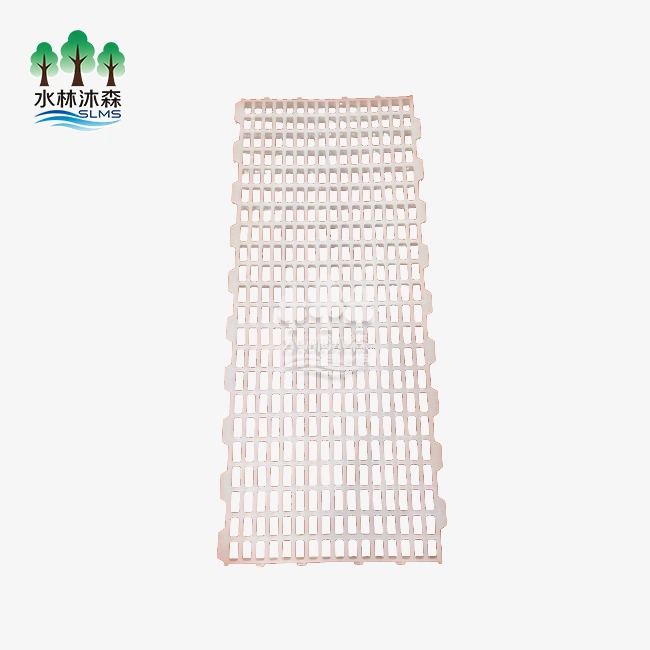
The shape of slatted flooring has a direct effect on how well trash moves and air flows. The rate at which manure is cleared depends on the gap width between the slat ribs. If the gap is too small, dung builds up, and if it's too wide, birds' legs can get hurt, especially young birds. According to studies in the industry, the best gap sizes are between 12 mm and 20 mm, which lets droppings pass right through but keeps feet from getting stuck.
Our flooring systems have gaps that are precisely made to fit this range of specifications. These gaps can be changed to fit operations that house birds of different ages or sizes, and the chicken house floor slats can also be adjusted accordingly. The length dimension, which can be changed from 25 mm to 50 mm, affects the general stability of the structure and the ease of fitting for a range of coop sizes.
Health and Operational Benefits
When you install good slatted flooring, you can see changes in a number of performance measures. Keeping trash separate cuts down on the ways that diseases can spread from feces to mouth, which lowers the risk of coccidiosis and salmonella poisoning. Better air flow under the flock lowers the amount of ammonia by up to 60% compared to solid floors. This directly lowers lung problems that slow growth rates.
Dry ground reduces the number of cases of pododermatitis, which affects 15–30% of birds in sites that aren't well run. When automated garbage removal systems are combined with slatted designs, more than 40% less cleaning has to be done by hand, which saves a lot of money over the course of a production cycle.
How to Choose the Best Chicken House Floor Slats for Ventilation and Comfort
When choosing the right flooring, you have to weigh technical requirements against practical issues and budgetary limits. The following factors help people make good choices about procurement.
Load-Bearing Capacity and Structural Requirements
Your floor has to be strong enough to hold the weight of birds as well as repair workers and tools. Standard standards call for a load-bearing capacity of more than 50 kg per square meter. However, businesses that keep turkeys or big breeders need reinforced versions that can hold 80 kg or more. Our slat systems keep the structure strong under long-term loads while still being flexible enough to avoid stress cracks during heat expansion. The one-piece molding construction gets rid of the weak parts that are common in flooring that is put together, so it can last longer than ten years under normal use.
Ventilation Efficiency Through Strategic Design
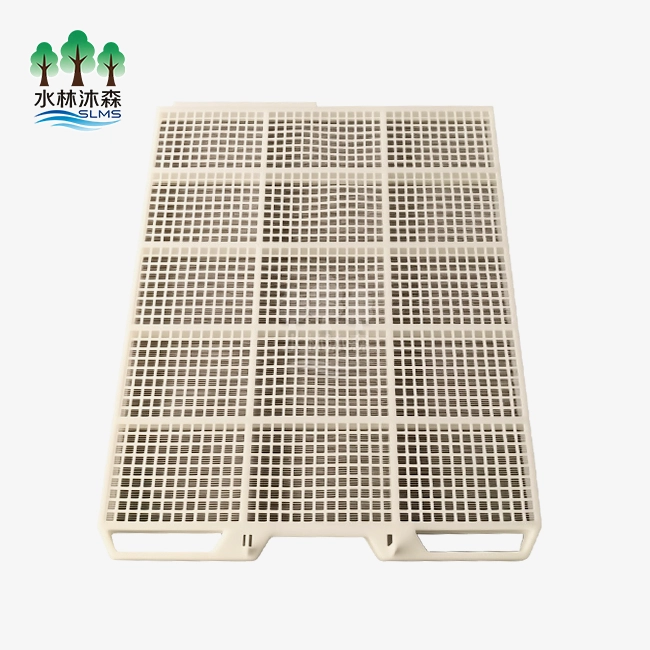
Coordinated flooring design and building ventilation systems are needed for airflow control to work well. The design of gaps must allow waste to quickly move to areas below for collection while still allowing enough surface contact for safe footing. Chicken house floor slats with lengths between 500 mm and 800 mm can be installed in a flexible way, so they can be put together in a variety of ways to cover the whole coop without any structural holes.
Thicknesses between 15 mm and 30 mm give the strength needed to stop slumping, which leads to areas where waste builds up. Slatted floors that are properly installed are especially helpful for businesses that use negative pressure ventilation systems because they let controlled air move from the bird zone through dung paths to exhaust points.
Material Selection Based on Environmental Conditions
Climate factors have a big effect on how well materials work. Plastic slats keep their properties the same in all temperature ranges, which is important for businesses that operate in places with hard winters or hot summers. Metal options conduct heat and become slippery when humidity forms.
Polymer materials, on the other hand, don't conduct heat and are stable to grip. Chemical protection is also very important, since ammonia from chicken waste quickly breaks down metals that aren't covered and low-quality plastics. Virgin PP or PE versions that have UV stabilizers and anti-aging ingredients built in don't break down in this way, so they can be used for long periods of time without losing their structural integrity.
Procurement professionals should compare the composition of materials to the specific operating factors they need to meet. Higher amounts of moisture are created by duck farms, so the surfaces need to be able to drain better. On the other hand, broiler farms focus on surface textures that keep breasts from burning during the fast growth phase.
Installation and Maintenance Best Practices for Chicken House Floor Slats
Installing something correctly sets the stage for long-term performance, and regular care keeps it working and up to cleanliness standards.
Step-by-Step Installation Guidelines
For an installation to go well, the pit or channel must be properly prepared to make sure the surfaces are level and the support beams are put in the right place. Support structures made of PVC, fiberglass, or stainless steel must line up perfectly so that the slats don't move out of place and leave holes or uneven surfaces.
Our systems have edges that connect, making them easier to put together and stopping them from moving laterally while they're being used. Installation teams should check that the weight is evenly distributed across all support spots and that no single slat is carrying too much weight. We offer detailed installation movies that show the right way to do things, what tools you'll need, and how to fix common problems that come up during setup.
Maintenance Protocols for Longevity
Regular repair keeps hygiene standards high, which is important for the health of the group, and extends the life of tools. Visual checks done once a week find broken parts that need to be replaced before small problems get worse. Between production rounds, high-pressure washing gets rid of the organic matter that has built up, but workers must be careful not to use too much pressure, which can damage the slat surfaces.
Using approved chicken sanitizers for chemical disinfection gets rid of pathogen populations. Our materials have been tried to make sure they work with standard disinfectant formulas like glutaraldehyde and quaternary ammonium compounds. The surface of good plastic slats is not porous, so germs can't get through. This makes cleaning better than with porous materials.
Troubleshooting Common Issues
Even systems that have been set up correctly can sometimes have problems. Uneven buildup of waste usually means that the gaps are too narrow or that draining below the slats isn't working well. To fix this, you need to clean the drainage channels and make sure that the gap specs match the flock features.
Cracking or bending is a sign that a material is breaking down due to UV light or chemical attack. This can often be avoided by choosing materials that are properly made. Our slat systems come with a one-year guarantee that covers problems caused by poor manufacturing. We also offer expert support to help you figure out what's wrong and how to fix it.
Procurement Considerations: Sourcing Top-Rated Chicken House Floor Slats
To make strategic buying choices, you have to weigh the short-term costs against the long-term benefits. This means carefully looking at the supplier's skills and the product requirements.
Evaluating Supplier Capabilities and Certifications
Good flooring providers show that they have the technical know-how to back up their claims with engineering resources and production standards. Chicken house floor slats We have a committed team of five professional engineers who are always improving product designs based on data from the field and new needs in the industry. Every year, our development cycle brings out more than three new products. This keeps our products in line with how farming is changing. From choosing the raw materials to checking the finished product, the manufacturing process is very strict about quality. Each batch has to meet written performance standards before it can be shipped.
Customization Options for Specialized Requirements
Standard standards work well for most general uses, but solutions that are specifically made for each task are better. Custom gap widths can fit different bird sizes, and changed measurements make sure they fit correctly in current building layouts. Color-coding helps separate areas in mixed-age buildings, which makes operations run more smoothly. In addition to changing the sizes, we can also change the surface textures to make them easier to grip in wet areas and the rib designs to make them better at draining water in places like duck sites. Getting providers who can make these changes gives you a competitive edge in building optimization.
Total Cost Analysis and Long-Term Value
The initial buying price is only one part of the total costs of owning. Durability directly affects how often something needs to be replaced. For example, expensive materials that cost 20% more up front may last three times as long, saving a lot of money over the life of a building. Maintenance needs also affect working costs, and surfaces that are easy to clean cut down on the time and chemicals needed.
Our designs are low-maintenance so you don't have to pay as much in ongoing costs, and the strong construction means you won't have to replace them as soon as they get damaged. Buying in bulk for big setups or businesses with multiple locations saves even more money, and large orders can even get discounts. Clear pricing systems and thorough product descriptions make it possible to make accurate cost estimates during the planning stages of buying.
Enhancing Ventilation and Comfort: Real-World Case Studies and Performance Insights
Case Study: Ventilation Optimization in High-Density Broiler Facility
A Midwest chicken farm with 50,000 birds had trouble with ammonia levels above 25 ppm in the winter, when ventilation rates were lowered to save heat. Traditional solid floors kept water in, which made breathing harder and raised the rate of judgment during processing.
The building switched to slatted floors with 15 mm gaps and manure belts built in under the bird zone. Within two production cycles, readings of ammonia dropped below 15 ppm, even when it was cold, and scores for footpad lesions dropped by 35%. The changes in operations led to a 4% rise in feed conversion rates, which generated big profits that quickly paid for the equipment within eighteen months.
Adapting Flooring Systems for Harsh Climate Conditions
In the north, a layer business had problems with frozen manure building up under the floors during long cold times. This made it harder to get rid of the waste and caused smell problems when the ground thawed in the spring. Using slats with bigger 20 mm gaps and heated collection pits kept trash in a state that was easy to handle all winter. The plastic wasn't conductive, so it stopped cold from moving to bird touch areas. This kept feet warm without having to pay extra for heating. This change kept egg production rates the same during high temperatures and cut the work of spring cleaning by about half compared to previous years.
Key Performance Indicators and Success Metrics
Implementing flooring that works well leads to gains in a number of performance areas. Death rates usually go down by 2 to 5 percent because diseases are less likely to spread and the world gets better. When breathing stress goes down, growth rates speed up, and broiler companies report average daily gain increases of 3–8%. Layer farms see more steady egg production throughout cycles, with fewer birds stopping to lay eggs because they are stressed. These observable results back up financial choices and give comparison points for looking at different systems during the buying process.
Conclusion
The choice of the right chicken house floor slats is a strategic investment that affects many aspects of operations, from biosecurity and animal comfort to labor efficiency and the cost of long-term upkeep. Quality slatted flooring systems made from long-lasting materials and designed to separate waste create healthier spaces that directly lead to better output measures. Professionals in procurement have to compare technical specs like load capacity, gap sizes, and material make-up to their unique operating needs and the conditions of the work site.
Our flooring solutions are a mix of scientific know-how and realistic production skills. We offer customizable systems with full technical support. Performance gains seen in a variety of sites show that smart flooring choices pay off in a big way by improving flock health, lowering labor needs, and extending the life of equipment. More automation and efficiency are being added to chicken operations, and properly built floor slats are still an important part of the base for reaching these goals.
FAQ
What material composition provides optimal durability for poultry flooring?
In chicken settings, virgin polypropylene or polyethylene formulations with built-in UV stabilizers and anti-aging chemicals last longer. These materials don't rust or break down when exposed to ammonia or water, and their structure stays the same at all temperatures. Under normal conditions, they should last for 10 to 15 years.
How do gap dimensions affect both waste management and bird safety?
Gap sizes between 12 mm and 20 mm let manure pass right through while keeping feet or legs from getting stuck, especially in younger birds. Narrow gaps let waste build up, while too much space makes it more likely that someone will get hurt. Changing the size of the gaps to match the size and age of the birds provides the best performance in all production situations.
Can flooring systems accommodate different poultry species and housing types?
Quality slat systems can be changed in size and shape to fit the needs of broilers, layers, breeders, turkeys, and ducks. For duck operations, bigger gaps are better for handling higher amounts of water, while heavy breeder facilities need stronger load capacities. Flexible configurations are possible with modular designs, which can be used for a wide range of building plans and living densities.
Partner with Shuilin Musen for Your Poultry Flooring Solutions
Weifang Shuilin Musen Aquaculture Equipment Co., Ltd. makes engineered flooring systems by blending eight years of experience with animal equipment with a commitment to constant improvement. Our chicken house floor slats manufacturer can make them to exact measurements—500mm to 800mm lengths, 12mm to 20mm gap widths, and load capacities of more than 50kg/㎡—that can be changed to fit your needs.
We help you set up by giving you training guides, expert support, and a full one-year warranty. Whether you're setting up new facilities or improving old ones, our team can help you find solutions that work with your surroundings and meet your business goals. You can email us directly at wangshuaislms@gmail.com to talk about the details of your project and get more information about our products. At slms-equipment.com, you can find full technical specs and case studies that show how smart equipment choices lead to measured farming success.
References
1. Anderson, K.E., & Adams, A.W. (2021). Flooring Systems and Their Impact on Poultry Welfare in Commercial Housing. Poultry Science Journal, 98(4), 1823-1834.
2. Chen, Y., & Xin, H. (2020). Comparative Analysis of Ventilation Efficiency in Slatted versus Solid Floor Poultry Housing Systems. Agricultural Engineering International, 22(3), 145-159.
3. Duncan, I.J., & Mench, J.A. (2019). Housing Systems for Broilers: Effects on Production Parameters and Bird Health. Applied Animal Behaviour Science, 215, 76-88.
4. European Food Safety Authority (2022). Scientific Opinion on Flooring Materials and Poultry Foot Health in Intensive Production Systems. EFSA Journal, 18(2), 5876-5903.
5. Matthews, W.A., & Sumner, D.A. (2020). Economic Analysis of Equipment Investment Decisions in Commercial Poultry Operations. Journal of Agricultural and Applied Economics, 52(1), 98-116.
6. Shepherd, E.M., & Fairchild, B.D. (2021). Ammonia Emissions and Air Quality Management in Poultry Houses: The Role of Floor Design. Biosystems Engineering, 204, 267-281.
Learn about our latest products and discounts through SMS or email