How does poultry transport cage rack improve egg logistics system
When we're in charge of big poultry operations, we know that good processes have a direct effect on both profits and product quality. The Farming Chicken Transport Cage Rack changes the way eggs are moved from farms to processing plants by allowing standard, automatic handling that lowers the number of broken eggs, improves animal health, and speeds up work. This special equipment solves three important problems: lowering the number of "Dead on Arrival" (DOA) cases by improving ventilation; lowering the cost of labour by as much as 40% with palletised loading systems; and making sure biosecurity rules are followed by making the equipment clean and resistant to rust.


Understanding the Role of Poultry Transport Cage Racks in Egg Logistics
There is a lot of pressure on modern egg production to make sure they deliver high-quality goods while also keeping their operations running smoothly. Using old-fashioned ways of handling things causes delays that harm both the quality of the goods and the well-being of the flock.
The Hidden Cost of Inefficient Transport Systems
Transportation is one of the biggest problems with egg handling. Without the right tools, farms lose more than 15% of their eggs, which cuts directly into their profits. Handling things by hand needs more work and adds variation that changes schedules across the whole supply chain. Stress on the birds during loading leads to more loses because they lay fewer eggs in later rounds.
How Specialized Cage Racks Transform Operations
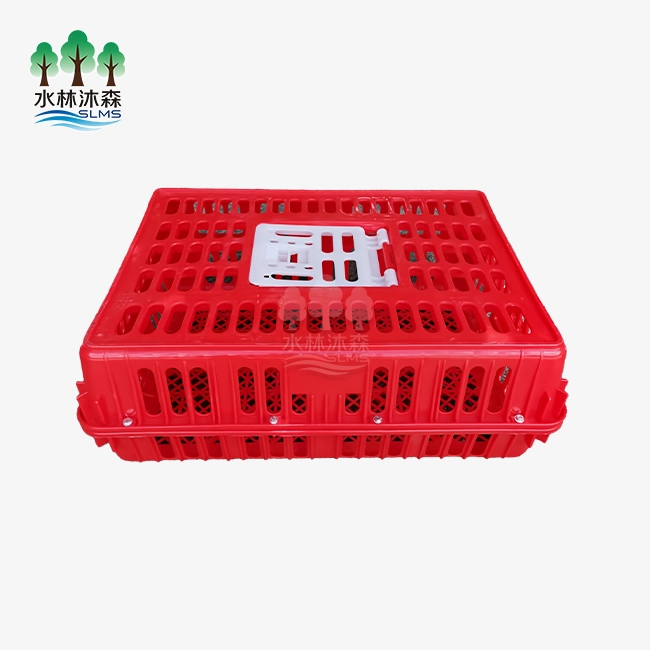
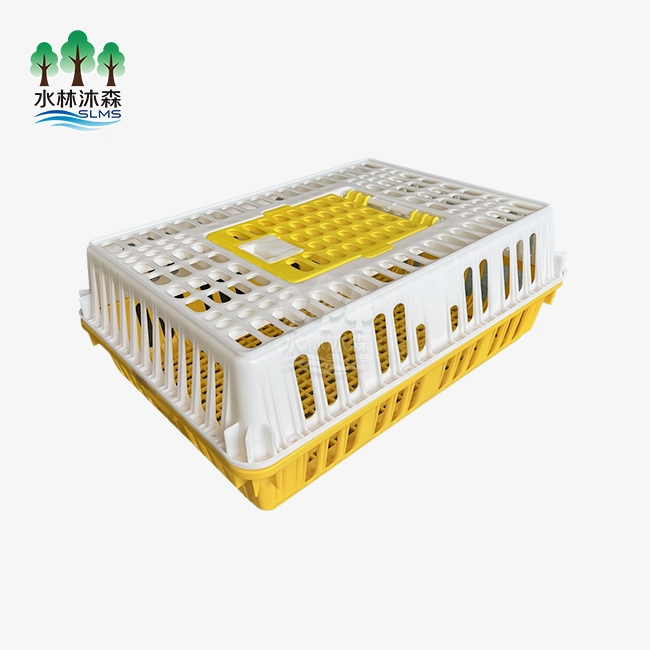
Engineered methods, like the Farming Chicken Transport Cage Rack, solve these problems. The multi-layered design and standard sizes make it easy to move with a truck, so you don't have to put each box by hand, which takes time. Better ventilation pathways keep people from getting heat stress while they're in travel. This is especially important in the summer, when temperatures inside transport cars can get dangerous. The modular design lets it quickly adapt to different group numbers and transportation distances, giving it more operating freedom than older methods.
Integration with Automated Farm Systems
To stay competitive, modern chicken farms depend more and more on technology. Farming Chicken Transport Cage Rack systems work well with robotic loads and automatic catching machines, so there is a smooth flow of work from the barn to the truck. This combination limits people's contact with birds, which lowers the risk of stress and harm. The exact measurements needed for automatic systems make sure that every rack stays within 2 mm of its neighbours. This makes mechanical handling throughout the logistics chain smooth.
Key Design Features of Effective Chicken Transport Cage Racks
To choose the right transportation tools, you need to know the engineering concepts that decide how well it works in real life.
Material Selection and Structural Engineering
At Shuilin Musen Aquaculture Equipment Co., Ltd., our Farming Chicken Transport Cage Racks are made with frames made of Q235 high-grade carbon steel that have been hot-dip galvanised to give them an 80–120 micron zinc finish. This process gives great protection against ammonia rust from chicken waste, which breaks down less durable coatings very quickly. The structure frame, which is 2440 cm long, 1340 cm wide, and 116 cm high, can hold more than 1,000 kg per unit and stay stable while being moved on the highway. Our engineering team has figured out how to distribute the weight so that the center of gravity doesn't shift, which could lead to dangerous instability when emergency stopping or turning.
New high-density polyethylene (HDPE) that has been mixed with cold-resistance chemicals is used to make the cage parts. This material standard makes sure that the plastic can't be broken by contact even at -25°C, so it can be used all winter without breaking. The smooth plastic surfaces don't have any sharp edges that could scratch or break wings, which directly raises animal care scores during audits.
Ventilation and Climate Control Design
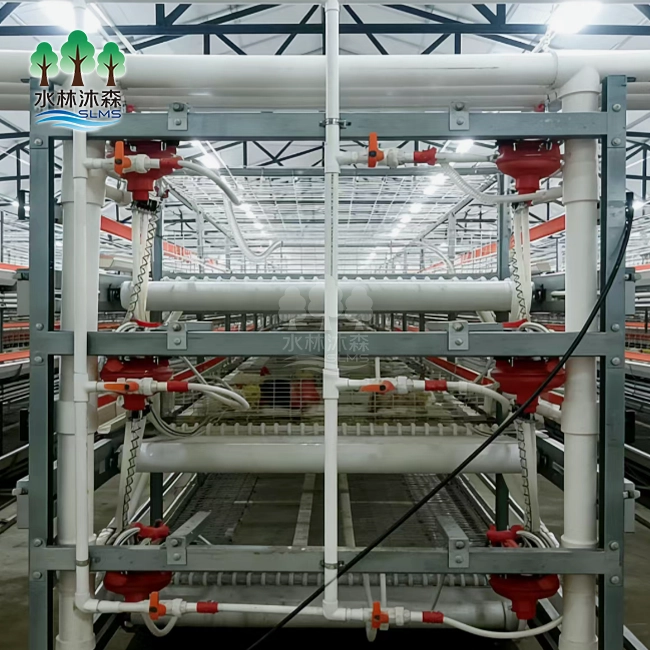
Professional-grade Farming Chicken Transport Cage Rack equipment is different from basic cage systems because it manages airflow. Our rack design uses open-grid layout, which makes natural convection currents flow through the stacked units. This passive ventilation system makes sure that birds inside heavy cars get enough air without the need for powered ventilation systems. A computer fluid dynamics study was used to find the best distance between layers so that the structure stays rigid while letting the most air flow through it. When travelling over 300 km, this air feature is very important for keeping the group healthy and lowering the death rate.
Ergonomic Access and Operational Safety
The pull-out cage design takes into account the fact that workers on farms have to quickly load birds while keeping dealing stress to a minimum. Spring-loaded doors open easily and with little force, which keeps operators from getting tired during long loading sessions. Each level can be reached on its own, without bothering birds on levels above or below. This lets different market weights be harvested selectively. Damaged parts can be changed in the field without special tools thanks to the modular assembly design. This means that operations can continue even when individual pieces need to be serviced.
Comparing Poultry Transport Cage Racks with Traditional Transport Methods
Understanding the difference in performance between current rack systems and older methods makes it easier to see the return on investment that these systems offer.
Performance Metrics and Operational Data
The DOA rate for traditional loose-crate handling is usually between 0.8% and 1.2%, but it can be higher or lower based on the distance and weather. This number drops to 0.3 to 0.6% with our Farming Chicken Transport Cage Rack systems because they keep the air flowing and stop compression injuries from putting things too high or too low. When businesses switch from manually moving crates to palletised systems that can be used with forklifts, they need a lot less labour. Farms say that truck turnaround times have gone down by 35 to 40 percent, which means that the same number of vehicles can make more deliveries during operating windows.
Portable Versus Fixed Installation Configurations
How best to set up Farming Chicken Transport Cage Rack systems depends on what they need to do their job. Portable wheeled designs give farms with changing building layouts or yearly changes in operations the most options. Because it is mobile, equipment can be moved around to fit barn schedules without having to make lasting changes to the infrastructure. Most of the time, these units come with strengthened caster systems that can hold more than 1,200 kg. This makes sure that they can move easily on uneven surfaces that are popular in farming settings.
Return on Investment Analysis
Making choices about capital equipment needs a clear financial reason. Farming Chicken Transport Cage Rack systems usually pay for themselves in 18 to 24 months because they save money on labour costs, reduce product loss, and make better use of fleets. The fact that the equipment has a working life of more than six years means that it will pay for itself many times over. The low maintenance costs are due to the long-lasting galvanised construction and flexible parts that can be easily replaced. When businesses buy whole systems instead of adding crates one at a time, they can save money and meet standard stocking requirements for extra parts.
Best Practices for Maintaining and Cleaning Chicken Transport Cage Racks
The length of time that equipment lasts depends on how well it is maintained in the harsh conditions of chicken businesses.
Cleaning Procedures and Biosecurity Protocols
Good sanitation keeps pathogens from spreading between groups and also makes tools last longer. Our Farming Chicken Transport Cage Racks can be used with industrial tunnel cleaners that use harsh soaps and temperatures up to 85°C. The open-grid design keeps organic matter from building up in cracks and gaps that bacteria can use as homes. Drainage holes are placed all over the structure to make sure that water doesn't pool and speed up rusting.
We suggest high-pressure washing every time, paying extra attention to places that get manure on them most often. Biosecurity standards for preventing Avian Influenza and Salmonella should be met by approved disinfectants. These are very important issues for businesses that sell to export markets that have strict health certifications. The hot-dip galvanisation can handle these harsh chemical treatments without breaking down, so the coating will protect against rust for the whole life of the equipment.
Inspection Schedules and Preventive Maintenance
Wear patterns are found before they put safety or performance at risk through regular review. We suggest checking the weld strength, zinc coating state, and plastic component flexibility every three months. The modular design lets you change only the worn-out parts without throwing away whole units, which lowers the total cost of ownership by a large amount over time. It is important to check structural welds for cracks, especially at high-stress points where moving loads during transport cause wear.
Good storage techniques keep tools safe when it's not being used. Farming Chicken Transport Cage Racks should be kept in closed places out of the weather, but because they are made of galvanised steel, they can be kept outside if needed. To keep lower-tier frames from warping, stacking during storing should be limited by load. These simple rules protect the value of equipment and make sure it works reliably when production needs the highest output.
Procurement Guide: How to Choose and Buy Chicken Transport Cage Racks
To find your way around the B2B market for poultry tools, you need to know what sets trustworthy sellers apart from dishonest ones.
Evaluating Material Quality and Manufacturing Standards
Professionals in charge of buying things should ask for thorough certificates of materials that confirm the grades of steel and the Farming Chicken Transport Cage Rack requirements. The thickness of the zinc covering affects both resistance to rust and service life. This is a must-have requirement for operations that take place in humid areas or use harsh cleaning methods. Virgin HDPE approval for plastic parts guarantees performance in cold temperatures that recycled materials can't safely match.
Dimensional limits and weld uniformity show how well a product was made. When making things for automatic systems, the sizes have to be exact so that they can be handled easily by machines. During visits to suppliers, visual weld inspection shows quality control standards. A uniform bead look and full penetration show professional manufacturing processes. Shuilin Musen Aquaculture Equipment Co., Ltd. follows ISO-compliant manufacturing standards and has recorded quality checks throughout production. This gives purchasing managers faith in the consistent delivery of products.
Supplier Credibility and Support Infrastructure
Suppliers of tools are dealt with in a way that goes far beyond the initial buy. Reliable sellers offer full technical support, such as installation videos and online debugging help for when there are problems with how the product works. Our eight-year history in selling farm equipment shows that we care about building long-term ties with our customers instead of just selling them equipment.
The warranty terms show how confident the source is in the product's longevity. Our free one-year guarantee covers problems with the way the product was made and problems with the materials. This protects the buyer's investment during the important initial deployment time. This guarantee adds to the technical support services that help operations get the most out of their equipment and fix any problems that come up when it tries to connect to the building's current infrastructure.
Customization Capabilities and Scalability
Standard equipment specs work well for many tasks, but they may need to be changed if the building has special requirements or if the way work gets done needs to be changed. If a supplier has their own engineering team, they can change designs to fit non-standard doorway sizes, special forklift setups, or integration with their own barn automation systems. The skilled R&D team at Shuilin Musen is made up of five dedicated engineers who offer customisation services that meet operating needs without affecting the safety or structural integrity of the product.
When planning for capacity growth, scalability is an important thing to think about for growing businesses. Modular Farming Chicken Transport Cage Rack design lets you add small pieces of equipment that work with what you already have. This protects the value of your initial investment and supports your growth plans. Procurement managers should talk to suppliers about long-term plans for growth to make sure that equipment specs stay the same between buy cycles. This keeps things standard, which makes training and managing parts inventories easier.
Conclusion
Farming Chicken Transport Cage Rack systems are an important part of modern chicken farms that want to be efficient and care for their animals at the same time. These special racks are the result of advances in engineering that make a real difference in the quality of the goods, the efficiency of the workers, and the overall cost of running the business. To choose the right tools, you need to know about the long-term performance and return on investment of the materials, the design features, and the supplier's skills. The chicken business is moving toward automation and sustainability, and transport logistics equipment needs to keep up by being built in a way that is both reliable and creative.
FAQ
How do transport cage racks specifically improve egg collection logistics?
Egg collection is made easier by Farming Chicken Transport Cage Racks, which allow standard handling that cuts down on human labour and damage. The multi-tier design groups birds together in organised pieces that can be easily handled by mechanical systems in processing plants. This standardisation gets rid of the differences in box sizes that make planning loads and using room harder. When compared to standard crate methods, operations say that 40% less work has to be done, and egg quality improves as a result of being handled more gently.
What dimensions should procurement managers prioritize for different farm sizes?
The normal size of 2440cm × 1340cm × 116cm works well for most medium to large operations, allowing for big batches while still being compatible with forklifts. Half-size setups may work better for smaller farms that don't move their birds very often, while mega-farms that process more than 100,000 birds a week often use custom arrangements that fit the needs of their processing plants. Our technical team does process analysis to figure out the best size based on the size of the flock, how often it needs to be moved, and the infrastructure of the building.
How does hot-dip galvanization compare to painted finishes for longevity?
Hot-dip galvanisation lasts 10 to 15 years, even when exposed to manure every day and washed hard. This is a lot longer than painting finishes, which usually fail in two to three years. The zinc layer forms a strong metallic bond with the steel base that stops undercutting rust. Paint systems, on the other hand, create tiny cracks that let water in. Because of the ammonia that is present in chicken farms, paint wears off faster, so galvanisation is the only option for businesses that need reliable tools for a long time.
Enhance Your Operation with Professional Transport Solutions from Shuilin Musen
When you want to update your farm, Shuilin Musen Aquaculture Equipment Co., Ltd. can help. They have eight years of experience with livestock machinery. Our qualifications as a Farming Chicken Transport Cage Rack manufacturer include full R&D capabilities, ISO-compliant production, and specialised technical support that makes sure equipment deployment goes smoothly.
Hot-dip galvanised construction, customisable setups, and a one-year guarantee give big businesses the peace of mind they need when they invest in logistics infrastructure. Get in touch with our team at wangshuaislms@gmail.com to talk about your special needs and find out how our complete solution method can help your business deal with its unique problems. You can look at detailed specs and get personalised quotes for large orders by going to slms-equipment.com.
References
1. Appleby, M.C., Mench, J.A., and Hughes, B.O. (2004). Poultry Behaviour and Welfare. CABI Publishing, Wallingford, UK.
2. Barbut, S. (2015). The Science of Poultry and Meat Processing. University of Guelph, Ontario, Canada.
3. Mitchell, M.A. and Kettlewell, P.J. (1998). Physiological Stress and Welfare of Broiler Chickens in Transit: Solutions Not Problems! Poultry Science, Volume 77, Issue 12.
4. Grandin, T. (2014). Livestock Handling and Transport, Fourth Edition. CABI International, Boston, Massachusetts.
5. Webster, A.B. (2004). Welfare Implications of Avian Osteoporosis. Poultry Science, Volume 83, Issue 2, American Association of Avian Pathologists.
6. Broom, D.M. and Fraser, A.F. (2015). Domestic Animal Behaviour and Welfare, Fifth Edition. CABI Publishing, Wallingford, UK.
Learn about our latest products and discounts through SMS or email