How to choose reliable poultry equipment manufacturers online
When looking for a reputable online chicken equipment maker, you need to carefully consider their technical knowledge, the durability of their products, and their customer service after the sale. When looking for suppliers for important systems like a Chicken Farm Automatic Manure Handling System, give more weight to companies that offer clear customisation options, a lot of documentation, and a history of success in large-scale operations.
Look for providers who give clear technical details, help with installation, and quick service after the sale. This makes sure that your investment works well over time, keeps operations running smoothly, and supports long-term farm productivity. By carefully checking people out online, you can keep your business from losing money on broken tools and build relationships that can grow as your business does.


Understanding the Importance of Reliable Poultry Equipment Manufacturers
Choosing reliable manufacturers of poultry equipment has a big effect on how well your farm runs and how much money it makes. When suppliers aren't reliable, problems start to spread and last long after the initial buy choice. When Chicken Farm Automatic Manure Handling Systems break down, it can stop production, put biosecurity protocols at risk, and cause repair costs that were not expected, which cut into profits.
Why Equipment Reliability Matters in Modern Poultry Operations
Chicken Farm Automatic Manure Handling Systems are especially risky investments because they are hard to use and have to work all the time. Every day, these systems handle corrosive materials in high-humidity environments during multiple production cycles. If the system wasn't made well, the belt tracking could go wrong, the motor could stop working, or the structure could rust within months instead of years. When these things go wrong, farms have to temporarily use manual labour, which means they lose the cost savings on labour that made the investment worthwhile in the first place.
When farm cleanliness isn't good, it causes more risks. Ammonia and hydrogen sulphide levels rise quickly when waste removal systems fail, which makes birds stressed and lowers feed conversion ratios. This damage to the surroundings has a direct effect on the health and output of the flock. These operational risks can be reduced and your production environment can be kept safe by choosing manufacturers with long-term track records and strong quality control systems.
Financial Implications of Supplier Selection
The real cost of equipment is more than just the price of buying it. Total cost of ownership over the system's lifetime is based on how often it needs maintenance, how easy it is to get replacement parts, and how comprehensive the warranty is. If a manufacturer doesn't have a well-established supply chain, you could have to wait weeks for replacement parts, which would increase downtime and labour costs. On the other hand, producers with local service networks and parts that are easy to get keep production going by minimising operating interruptions.
Professionals in B2B buying know that doing their research up front avoids problems in the long run. Before buying, checking the manufacturer's credentials, production capabilities, and customer service infrastructure is important for ensuring long-term poultry production and stable operational costs.
Core Criteria for Evaluating Poultry Equipment Manufacturers Online
To evaluate companies that make poultry equipment, you need to do a thorough evaluation across a number of aspects. This multifaceted approach tells the difference between trustworthy suppliers and those who don't have the right infrastructure to meet your long-term needs.
Manufacturing Quality and Compliance Standards
The quality of a product starts with the materials used and the way they are made. Manufacturers with a good reputation use high-quality materials that are designed to work in agricultural settings. This means that Chicken Farm Automatic Manure Handling Systems should have high-tensile polypropylene belts that don't rust in uric acid, hot-dip galvanised frames with zinc coatings that are thicker than 275g/m², and motors that are IP-rated to keep out dust and water.
Certifications provide objective proof that manufacturing standards are met. The ISO 9001 certification shows that the quality management system is organised, and the CE marking shows that the product meets European safety standards. These credentials show that manufacturers follow consistent standards for production and keep records of their quality control procedures. When looking through online catalogues, make sure that sellers clearly show their current certifications and give you certificate numbers that you can check on your own.
Manufacturer Reputation and Track Record
Customer opinion is very helpful for understanding how things work in the real world. Instead of just reading testimonials, look at case studies that go into great detail about specific installations. Real case studies include things like the size of the facility, the type of output, any problems that came up during installation, and measurable results like the percentage of labour that was saved or the number of hours the system was up and running.
Credibility assessments are stronger when they are checked by a third party. Look for mentions of the manufacturer in trade magazines for farmers, forums for the poultry industry, and websites that review equipment. Patterns found in multiple sources show whether a supplier always does what they say they will do or leaves customers to handle ongoing problems on their own.
Technical Innovation and R&D Investment
When manufacturers put money into research and development, it shows that they want to change with the times. Progressive suppliers are always making designs better based on what customers say and new technologies that come out. This could mean making anti-deviation systems for conveyor belts, adding variable frequency drives to save energy, or making modular designs that make it easier to add on in the future.
Check the websites of manufacturers to see if they have added any new features. Companies that share engineering updates, publish technical white papers, or show off new products are likely to have active R&D programs. Instead of making fixed product lines that become useless over time, these companies change with the times to meet new environmental rules and business needs.
After-Sales Support Infrastructure
Comprehensive support is what sets great manufacturers apart from average suppliers. Check out the range of services provided in addition to delivering equipment. While installation films are helpful, hiring professionals to do the work on-site is the best way to make sure everything is set up correctly from the start. When troubleshooting operational problems that threaten production continuity, how quickly technical support responds is very important.
Warranty terms show that the company that made the product is confident in its durability. Standard warranties usually last for one year, but be sure to read the fine print and understand how to file a claim. When companies offer longer warranties or performance guarantees, it shows that they believe their goods will last. The supply of spare parts is also important because the speed at which parts are replaced directly affects how long the system is down.
Comparative Overview: Automatic vs Manual Manure Handling Systems
Figuring out the differences in how manual and automated waste management work can help you decide whether to make an investment and what kind of returns you can expect.
Limitations of Manual Manure Handling
Some farms still remove trash by hand because it's cheaper to do so at first, but practical mistakes add up quickly. The number of hours needed to work on manual systems goes up directly with the size of the building, taking up a lot of daily work hours. Occupational health problems and higher insurance costs are caused by the physically hard work conditions and exposure to germs and harmful gases in the air.
It's hard to keep up with hygiene uniformity by hand. Human workers get tired, miss spots, or have schedule problems that make it take longer to get rid of trash. These mistakes let waste build up, which raises the level of ammonia and makes a good environment for bacteria to grow. Also, manual methods have a hard time lowering the moisture levels that are needed for further processing of fertiliser.
Advantages of Automated Waste Management
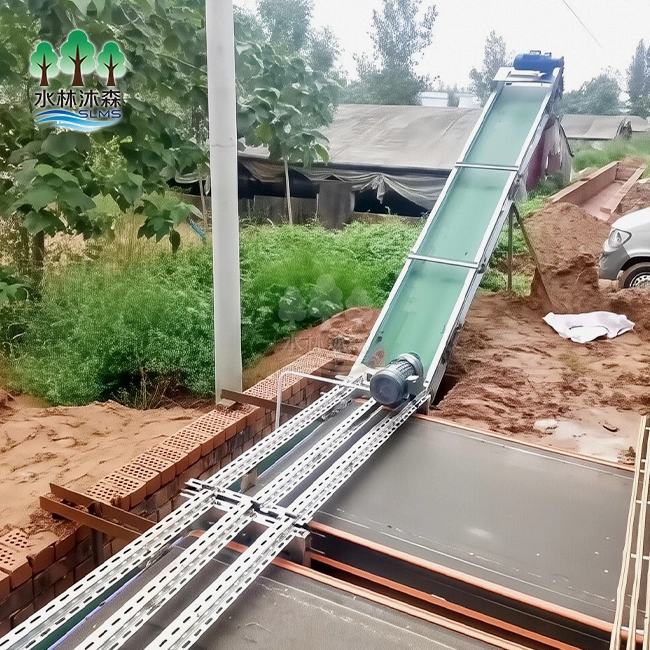
Chicken Farm Automatic Manure Handling Systems remove trash on time and consistently, no matter how much labour is available or how bad the weather is. Programmable timers make sure that waste never builds up past certain levels in conveyor belt systems and scraper mechanisms. This level of consistency keeps the air quality at its best and lowers the risk of disease throughout production cycles.
Lowering the cost of labour is the most measurable benefit. When farms use Chicken Farm Automatic Manure Handling Systems, they usually cut down on waste management work by 60% or more. This frees up workers to do more valuable tasks, like keeping an eye on the flock or maintaining the buildings. Over the eight to twelve years that the system lasts, these savings add up to a big return on investment.
Automation makes it easier to follow environmental rules. Getting rid of trash on time keeps smells to a minimum and makes composting or fertiliser processing easier. In many places, rules about how to handle agricultural trash are getting stricter, which means that automated systems are useful for showing that rules are being followed during checks.
System Type Selection Considerations
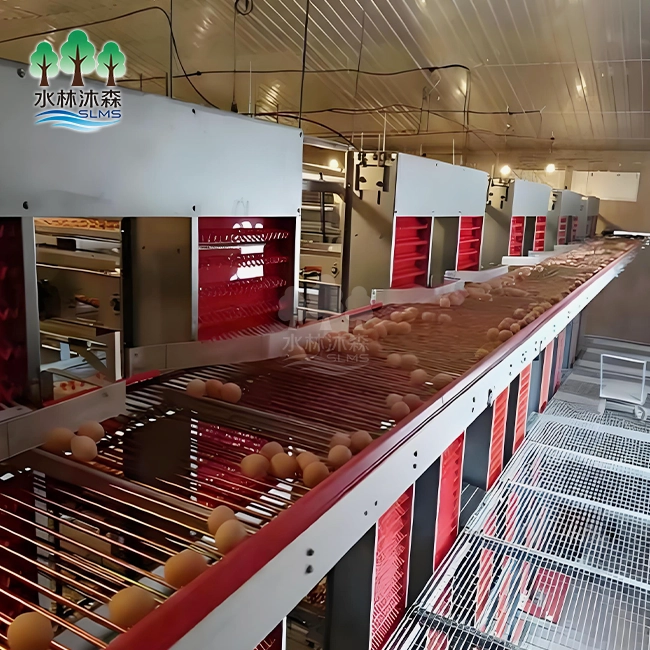
There are different kinds of automated systems, such as those with scraper mechanisms and conveyor belts, which can be used in different kinds of facilities. When vertical room economy is important, belt systems work best in multi-tier cage operations. Under each tier of cages, there are belts that move waste continuously to collection points. When properly aligned and tensioned, these systems can handle large amounts of work with little upkeep.
When lifting floors or making changes to an existing one, scraper systems work well instead of belts. Heavy-duty scrapers pulled by steel cables or chains clean out deep-pit houses or cages with only one level. These systems are better than belts at moving wet trash and bedding materials, but they need stronger drive mechanisms.
Knowing the layout of your facility, the type of production you do, and your plans for future growth can help you choose the right system architecture for your needs. Manufacturers who offer both setups give you options as your business changes.
Step-by-Step Guide to Choosing and Procuring Equipment from Online Poultry Manufacturers
Effective procurement follows a set of steps that start with defining requirements and end with setting up a partnership with a supplier.
Define Your Operational Parameters
Start by writing down the unique needs of the building. Make sure you get the right measurements for the chicken house, taking into account the cage layout, aisle widths, and clearance heights that affect the size of the equipment you can use. Figure out how much waste is made each day by considering the size of the group and the type of production, since broiler farms make more waste than layer farms. Set budget ranges that include the cost of buying equipment, installing it, and the expected cost of maintenance over the system's expected lifetime.
Beyond simple size, production goals affect the choice of system. Systems with air-drying features that lower the amount of moisture in waste before it leaves the facility are helpful for operations that focus on making organic fertiliser. Facilities that want to add more space need modular designs that can adapt to future growth without having to replace the whole system.
Research and Shortlist Manufacturers
Digital tools make it easier to find and compare manufacturers. Use business-to-business (B2B) sites, directories of farm tools, and the websites of industry groups to find possible providers. Focus on makers that specialise in a Chicken Farm Automatic Manure Handling System instead of general equipment sellers. Specialists usually have better technical knowledge and designs that are better suited to specific uses.
Online catalogues show how many products are available and how advanced the technology is. Compare the system specs from different makers, paying attention to things like motor rates, material grades, and the ability to make changes. When manufacturers make technical specifications, CAD drawings, and installation manuals available for download, it shows that they are open and know what they're talking about. These resources are helpful for planning the installation and for future maintenance.
Evaluate Total Cost of Ownership
The purchase price is only one part of the total cost of the system. Look at the details of how much energy is used to estimate running costs. Over many years of use, systems with variable frequency drives and motors that use little electricity save a lot of money. Review the recommended service intervals and the costs of consumable parts like belts, bearings, and lubricants to figure out how much maintenance is needed.
Installation costs vary a lot depending on how much help the supplier offers. On-site installation services take the worry out of setup and make sure it's done right, so things don't break down early because they weren't put together or aligned correctly. This costs more at first, but it protects your investment and usually comes with training for operators that makes long-term system care better.
Long-term costs are affected by warranty coverage and service plan choices. Longer warranties or preventative maintenance contracts help you plan your costs and make sure that you can get help from the maker during the early stages of business.
Verify Installation and Support Capabilities
Installation support is what sets manufacturers who care about their customers' success apart from transactional suppliers. Check with suppliers to see if they offer installation services at your location or if they offer full video documentation and expert help over the phone. Professional installation that sets up the right baseline setup is very helpful for systems that need accurate alignment and tensioning.
Support available after installation is also important. Find out if makers have their own area service teams or if they use third-party networks for warranty service. Since factory-trained technicians know more about how systems work than general agricultural equipment servicers, direct manufacturer support usually means faster response times and more accurate troubleshooting.
Request Detailed Proposals and References
Once you have a short list of manufacturers that meet your technical and financial needs, ask them to send you formal proposals with system suggestions that are tailored to your facility. Complete proposals include details about the equipment, when it will be installed, the terms of the warranty, and prices for each item. This paperwork makes it easier to compare things objectively and gives you a contract to build on if you decide to move forward.
Ask for references from customers who have similar systems running in similar locations. Talking to current customers can give you information that isn't usually found in marketing materials. Ask recommendations about the installation process, how reliable the system is, how quickly the maker responds to problems, and whether the system saved time and improved performance as promised.
Conclusion
To find trustworthy online poultry equipment manufacturers, you need to carefully look at their technical skills, quality standards, and support systems. Your operational investment will be safe if you only consider makers with a track record of being good at a Chicken Farm Automatic Manure Handling System, materials that have been shown to last, and a wide range of services they offer. When committed manufacturer partnerships are in place, switching from manual to automated systems saves workers' time and is better for the environment. Farm owners can get equipment solutions that boost productivity and adapt to changing industry needs by following structured buying processes, carefully checking qualifications, and building joint long-term relationships.
FAQ
What certifications should I look for when selecting a poultry equipment manufacturer?
Look for companies that have both the ISO 9001 certification that shows they have quality management systems and the CE marking that shows they follow safety rules. These certificates show that the company follows foreign standards for manufacturing. Instead of relying only on what the supplier says, check certifications through independent registries to make sure they are real and up to date.
How long do automatic manure handling systems typically last?
Under normal circumstances, good Chicken Farm Automatic Manure Handling Systems with galvanised frames and reinforced conveyor parts should work reliably for eight to twelve years. The actual lifespan depends a lot on how well it is maintained, how often it is used, and the environment. Regular maintenance and replacing parts when they break greatly increases the system's lifespan well beyond what is normally expected.
Can automated systems adapt to different poultry house configurations?
Modern Chicken Farm Automatic Manure Handling Systems can be easily changed to fit different house lengths, widths, and cage designs. Manufacturers make modular parts that can be adjusted to fit the dimensions of a specific facility. During the procurement process, give suppliers accurate measurements of your building so they can suggest systems that are the right size and figure out if any structural changes need to be made before installation.
What distinguishes conveyor belt systems from scraper systems?
Continuous belts run under cages in conveyor belt systems, which are great for multi-level processes that need to move a lot of trash. For floor-raising jobs or deep-pit houses, scraper systems with rigid blades pulled by chains or cables work best. The layout of the facility, the type of waste, and the type of production all affect the choice of system.
Partner with Shuilin Musen Aquaculture Equipment for Reliable Waste Management Solutions
Shuilin Musen Aquaculture Equipment Co., Ltd. has eight years of experience making manure handling systems for modern chicken farms that are lasting and work well. Our engineering team creates solutions that can be changed to fit any type of facility, from small farms to large ones with over 100,000 birds. As a well-known company that makes farm equipment, we offer full systems with both scraper and conveyor belt options. Our systems come with full fitting support and a one-year warranty.
Our systems cut down on labour costs by more than 60% and last longer than eight years because we choose the best materials and strictly control the quality. Email us at wangshuaislms@gmail.com to talk about your facility's needs and get a personalised quote for our Chicken Farm Automatic Manure Handling System provider services. We offer on-site installation services, thorough technical documentation, and quick response after-sales support to make sure that your investment continues to pay off in the long term. You can see our whole line of products at slms-equipment.com and learn why top farms trust Shuilin Musen for their automation needs.
References
1. Johnson, M. R., & Williams, P. T. (2021). Agricultural Machinery Selection: A Comprehensive Guide for Commercial Farms. American Agricultural Publishers.
2. Chen, L. H. (2020). "Automated Waste Management Systems in Intensive Poultry Production." Journal of Agricultural Engineering and Technology, 28(4), 312-328.
3. Thompson, K. D., & Rodriguez, E. M. (2022). Equipment Procurement Best Practices for Livestock Operations. International Farm Management Association.
4. National Poultry Technology Council. (2023). Standards for Automated Manure Handling Systems in Commercial Poultry Facilities. NPTC Technical Bulletin 47-2023.
5. Anderson, B. W. (2021). "Total Cost of Ownership Analysis for Agricultural Equipment Investments." Farm Business Management Quarterly, 19(2), 45-62.
6. Global Agricultural Equipment Federation. (2022). Certification and Compliance Guidelines for Livestock Machinery Manufacturers. GAEF Industry Report Series.
Learn about our latest products and discounts through SMS or email