How to choose an automated poultry manure removal system?
To choose the best Poultry Manure Removal System, you need to know how big your farm is, what infrastructure it has, how much money you have, and what your business goals are. Modern automatic solutions use scraper tools and conveyor belt technology to get rid of waste quickly and effectively. This cuts down on labor costs by over 60% while still meeting biosecurity standards. When looking at your choices, you should put system longevity, customization options, energy efficiency, and the supplier's expert help at the top of your list. A good method keeps birds healthy by limiting their exposure to ammonia and makes daily tasks easier, setting up your farm for long-term growth.


Understanding the Need for an Automated Poultry Manure Removal System
Managing trash by hand in big chicken farms slows things down, wastes resources, and hurts the health of the flock. Traditional ways of getting rid of trash need a lot of people to do it, expose workers to dangerous gases like ammonia and hydrogen sulfide, and make it hard to keep things clean, which lets pathogens grow. These problems get worse as operations get bigger, especially in places with tens of thousands of birds in cages on multiple levels.
These problems can be turned into competitive benefits with automated Poultry Manure Removal System control. Regularly getting rid of trash keeps water from building up, which breeds fly eggs and makes smelly stuff happen. Lower levels of ammonia are directly linked to better lung health in broilers, layers, and turkeys, which lowers the number of deaths and medical costs. Environmental officials are looking more closely at how trash is handled, so methods that are compliant are now required instead of optional.
Labor Cost Reduction and Operational Efficiency
The lack of workers in the United States' farming areas can be fixed by automating tasks. Systems with timed cycles or sensor-triggered triggers get rid of the need for daily hand scooping. This lets staff focus on keeping an eye on birds and keeping the equipment in good shape. Operations say that workers are more productive when they switch from doing the same physical tasks over and over to skilled oversight roles.
Environmental Compliance and Sustainability
These days, farms have to follow strict rules about fertilizer waste and air quality. Automated systems make it easier to collect trash in the right way so that it can be composted or turned into biogas. This turns liabilities into income streams. Consistent removal stops overflow during rainy seasons, which protects groundwater and keeps nearby properties from getting complaints about pollution.
Key Criteria for Selecting the Right Automated Poultry Manure Removal System
When you choose tools, you need to make sure that the technical specs match up with how you actually use it. What makes belt conveyors, scraper assemblies, or mixed setups work best depends on the specifics of the farm. Choices that aren't matched properly lead to frequent breaks, compatibility issues, and a poor return on investment in your Poultry Manure Removal System.
Assessing Farm Scale and Infrastructure
Figure out how much manure to use each day by using the number of birds and their types. Layer processes make less trash than broilers, which changes how the system is designed. Carefully measure the size of your building—the belt width, the distance the scraper travels, and the locations of the release points all need to fit within the limits of the structure. Existing cage systems, air patterns, and the age of the building all affect how hard and how much it costs to install.
System Type Comparison
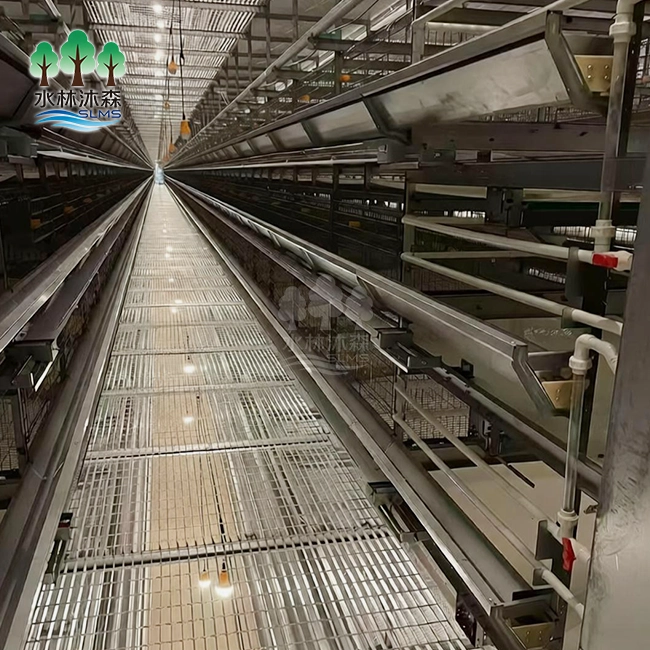
Belt Conveyor Systems work great in H-type multi-tier cage houses that need to make the best use of high room. Under each tier, high-tensile polyethylene or PVC belts move the trash to cross-conveyors. These designs work well for sites that want continuous removal with little or no human help. The belt's width is usually between 0.8 mm and 1.2 mm, and its tensile strength is more than 20 MPa, so it can hold big loads without stretching.
Scraper Systems dominate A-frames and deep-pit houses. Heavy-duty blades move along concrete lines and push trash that isn't completely solid toward places where it can be collected. This method works well over lengths up to 150 meters and can handle higher levels of moisture. Scrapers made of hot-dip galvanized Q235 steel with a 275g/m² zinc covering don't rust when acidic dung hits them.
Hybrid Solutions use both technologies together, giving you freedom and support. Scrapers pick up trash from the pit floors, and belts move things side to side or up and down. This two-part design makes sure that all complicated layouts are covered.
Durability and Material Quality
Total cost of ownership is directly related to how long a part lasts. Frames made from sheet metal that has been covered with high-zinc are more resistant to rusting in damp, ammonia-filled places. Copper motors are more reliable and stable at high temperatures than aluminum motors, and they keep their power constant over long job cycles. As per ASTM B117 standards, inspection methods should check the stability of the galvanization by using salt spray testing and the quality of the weld by using ultrasonic examination.
Energy Efficiency and Automation Features
The motor needs between 0.75kW and 3.0kW of power, based on the length of the barn and the type of load. Cyclic pinwheel reducers or helical gear sets can transfer a lot of power with almost no energy waste. Look for systems that have customizable timers, speed settings that can be changed, and the ability to be monitored from afar. These features allow for precise control and run cycles during off-peak power hours to lower costs.
Comparing Popular Automated Poultry Manure Removal System Solutions
To compare systems, you need to know how design ideas translate into results in the real world. Because each Poultry Manure Removal System framework is designed to work in a certain way, it's not possible to make general suggestions without knowing more about the situation.
Manual vs. Automated: The ROI Equation
The costs of moving things by hand add up over time because of lost pay, insurance, and work time. A center with 50,000 birds usually needs two full-time workers whose only job is to handle waste, which costs more than $80,000 a year. Automated systems get rid of these ongoing costs and lower the risk of disease spread that comes with people walking through living units. Depending on wage rates and the complexity of the system, payback times are usually between 18 and 36 months.
Belt Systems for High-Density Operations
When there are a lot of cages and many levels need to be stacked vertically, conveyor belt setups work really well. In the constant operation mode, the air stays dry, which stops bacteria from growing and pests from coming in. For installation, precise belt tracking changes are needed to make sure that the belt doesn't get out of line when it's loaded. Good systems have self-tensioning parts and domed rollers that keep the belts in the middle while they're working. Noise levels usually stay below 70 decibels, which keeps birds that are sensitive from reacting to stress.
Scraper Assemblies for Deep-Pit Facilities
Facilities with dung pits below the floor can benefit from scraper technology, which can handle different types of garbage. These systems can move over rough areas and deal with sleeping materials that are mixed with waste. When moving heavy loads through long pathways, traction control systems keep the loads from slipping. The slower speed of operation compared to belts keeps mechanical parts from wearing out as quickly, which could mean that they last longer than 12 years with proper upkeep.
Odor Control and Environmental Impact
Getting rid of trash properly directly reduces smell reports from nearby properties. Moving quickly to covered storage or processing facilities cuts down on contact time and the release of toxic compounds. Some more modern systems have ventilation settings that change the rate of air exchange based on when trash needs to be removed. Coordinated environmental management techniques make it possible to meet EPA guidelines for air quality.
Supplier Reliability and After-Sales Support
The durability of equipment rests on both how well it was made and how well it is maintained. You should judge makers by how easy it is to get parts, how thorough their warranties are, and how quickly they respond to service requests. Companies that give installation guides, online assistance, and on-site commissioning make it easier for people to learn and cut down on downtime. The base coverage required by the industry is a one-year warranty. However, reliable providers will often cover important parts like motors and drive assemblies for longer.
Practical Considerations and Cost Factors Before Procurement
Financial planning includes more than just the original buy price. It also includes costs for setup, integration, and maintenance over the Poultry Manure Removal System lifetime. A thorough analysis keeps costs from going over budget and makes sure that systems give the value that was expected.
Installation Complexity and Infrastructure Integration
Most of the time, adding systems to new buildings is cheaper than adding them to old ones. To support the weight of the equipment and make room for release lines, the structure may need to be strengthened. Improvements to the electrical service make sure that motors and control panels have enough power. Preparing the site means digging holes, putting in drains, and making a road for upkeep workers to get to the site.
Professional installation services cut down on delays in launching and problems with warranties. On-site experts make sure everything is lined up correctly, test the safety interlocks, and teach the staff how to run the machine. Video lessons go along with hands-on training and can be used as reference materials for onboarding new employees in the future.
Upfront Investment vs. Long-Term Savings
Quality systems cost more, but they last longer and need less upkeep, so the extra cost is worth it. Spend between $15,000 and $75,000, based on the size of the barn and how complex the system is. Use the estimated saves in work, lower medicine costs due to better flock health, and possible income from processed manure products to figure out the return on investment. Costs are spread out over several output cycles when you finance equipment through farm lenders or payment plans from the seller.
Warranty Terms and Parts Availability
Full guarantees protect against parts breaking down early and mistakes in the making process. Check the details of the coverage. Some plans don't cover wear items like belts and scrapers, while others will repair them for free during the warranty time. Check the plans for stocking parts, especially for unique parts that need to be ordered in specially. Service reaction times are affected by how close a supplier is, which makes domestic makers better for quick repairs.
Customization and Scalability
Standard setups don't always work perfectly for specific working needs. Dimensional customization means that suppliers can change the sizes of the belts, the lengths of the scrapers, and the heights of the discharges to fit current systems. Modular designs let you add more space as your flock grows, which protects your original investments from becoming useless. Talk about plans for future growth during buying to make sure they will work with planned changes.
Best Practices for Optimizing Your Automated Poultry Manure Removal System
Getting good tools is only half the equation for success. The worth of your Poultry Manure Removal System is maximized throughout its service life through proper operation, regular upkeep, and ongoing growth.
Routine Maintenance Protocols
Set up regular checks to check for lubrication spots, belt tightness, the state of the scraper blades, and the temperatures of the motor bearings. Visual checks done every day find problems as they arise, before they become major problems. Deep checkups are done once a month to check for chain wear, sprocket position, and the stability of the electrical connections. Professional service once a year includes trying the motor, checking the oil in the gearbox, and checking the structural parts.
Cleaning steps keep rollers and guides from getting clogged, which can cause tracking issues. During flock changes, high-pressure washing gets rid of built-up waste and lets you look at each part in detail. Keeping replacement parts on hand, especially belts, scrapers, and drive chains, cuts down on downtime when worn parts need to be swapped out.
Troubleshooting Common Issues
Misaligned belts are usually caused by uneven strain or broken guide wheels. To make adjustments, you have to open the tensioning bolts, physically center the belts, and then slowly tighten them back up while watching how the tracking behaves. Jamming of the scraper is usually a sign of overloading or a foreign object blocking the path. This needs to be cleared by hand and the operating settings checked.
Overheating in a motor means that it is under too much load, doesn't have enough air flow, or bearings are wearing out. Stopping the machine right away keeps the windings from getting damaged. Next, check the load and the cooling system. Strange noises mean that the bearings need to be checked for wear and cleaning.
Environmental Management Strategies
To get the best air quality, plan the removal of trash with airflow cycles. Running systems when it's cooler in the morning cuts down on ammonia release and worker pain. Covering the areas where trash is dumped and keeping the right amount of wetness in the trash that is collected keeps smells from spreading and fly breeding to a minimum.
Staff Training and Safety Measures
Full training for operators stops them from misusing the equipment and makes it easier to fix problems. Go over how to start up, what to do in an emergency, how to do lockout/tagout for repair, and the rules for personal protective equipment. Write down standard working methods and keep reference materials close to the control panels of equipment.
Performance Monitoring Through KPIs
Keep an eye on measures like system runtime hours, repair issues, labor hour reductions, and signs of flock health. Data analytics show patterns in performance and help make choices about investments. Compare your tools to industry standards to find ways to make it better and make sure you made the right choice.
Real-World Success Examples
Large businesses that use automatic dung removal report ammonia levels dropping by more than 40%, which is a sign of fewer respiratory diseases. Redistributing workers makes it easier to keep an eye on hygiene and respond faster to problems with equipment. Composting systems on farms turn collected garbage into high-quality soil amendments. These goods bring in extra money for the farms, which speeds up the return on investment (ROI).
Conclusion
When chicken companies choose an automatic waste management solution, they go from being labor-intensive businesses to ones that are efficient and can last. When making a choice, you have to weigh technical requirements against operational realities, cash limits, and growth forecasts. Systems with strong construction, measurements that can be changed, and extensive support networks offer benefits that go far beyond the original cost of a Poultry Manure Removal System. When you put equipment correctly, take care of it, and keep improving it, it will work efficiently for as long as it's in use. When you work with experienced suppliers, you can get professional help, replacement parts, and new best practices that help your business stay competitive in farming markets that are always changing.
FAQ
What productivity improvements can farms expect from automation?
When businesses switch from human to automated trash removal, they usually save more than 60% on labor costs. This frees up workers to do more valuable jobs, like watching birds and maintaining equipment. Better cleanliness lowers the number of diseases that happen, which lowers the cost of medicines and the number of deaths. Better control of the environment makes the best conditions for growth, which increases feed conversion rates and shortens the time it takes to get the product to market.
How do cost factors vary across different system types?
Because they require more precise planning, belt conveyor systems usually cost more at first, but they cost less to maintain over time. Scraper kits are a cheap way to get into pits with simple designs, but they may need to have parts replaced more often. A total cost of ownership study that looks at things like installation, energy use, maintenance, and expected service life is the best way to make true comparisons.
Can systems be customized for unique facility layouts?
When it comes to barn sizes, cage configurations, and discharge point needs, reputable makers can customize the dimensions of the Poultry Manure Removal System to fit. Engineering teams look at the limits of the site and come up with custom solutions that work with the building's structure, current equipment, and plans for future growth. With modular designs, implementation can be done in stages that match the availability of cash and operational objectives.
Partner with Shuilin Musen Aquaculture Equipment Co., Ltd. for Advanced Waste Management Solutions
The Poultry Manure Removal System options from Shuilin Musen Aquaculture Equipment Co., Ltd. are backed by eight years of experience working with big poultry farms. Our two-part design, which includes scraper gathering and belt transport, makes sure that all of your trash needs are met in a variety of building configurations. Each system has frames that are covered with a high-zinc substance that keeps them from rusting, copper motors that are rated for continuous duty, and sizes that can be changed to fit your exact needs. We back up our tools with thorough installation films, on-site commissioning services that you can choose to use, and a full warranty that covers everything for one year.
Our tech team has come up with answers for everything from small family farms to large factories with more than 100,000 birds. Clients say that labor costs have gone down by more than 60%, and the products should last 8 to 12 years under normal working conditions. As a well-known supplier, we keep parts in stock so that we can quickly send replacement parts and provide expert support.
Email our team at wangshuaislms@gmail.com to talk about your business needs and get personalized system suggestions. We give you detailed quotes, ROI estimates, and implementation schedules that fit your output timetable. Find out why smart business owners choose Shuilin Musen as their reliable partner for managing chicken trash in a way that is both environmentally friendly and effective.
References
1. American Society of Agricultural and Biological Engineers (2019). Design and Performance Standards for Livestock Ventilation and Waste Management Systems. ASABE Technical Standards Publication.
2. National Poultry Improvement Plan (2021). Biosecurity Protocols and Sanitation Best Practices for Commercial Poultry Facilities. United States Department of Agriculture, Animal and Plant Health Inspection Service.
3. Midwest Plan Service (2018). Poultry Housing and Equipment Handbook. Iowa State University Extension and Outreach.
4. Journal of Applied Poultry Research (2020). "Comparative Analysis of Automated Manure Removal Technologies in Multi-Tier Layer Housing Systems." Volume 29, Issue 3, pp. 567-582.
5. Agricultural Engineering International: CIGR Journal (2019). "Energy Efficiency and Environmental Impact Assessment of Mechanical Waste Management Systems in Intensive Poultry Production." Volume 21, Number 2, pp. 145-159.
6. University of Georgia Cooperative Extension (2022). Economics of Labor-Saving Technologies in Commercial Poultry Operations. Bulletin 1523, College of Agricultural and Environmental Sciences.
Learn about our latest products and discounts through SMS or email