Where can I buy modular slatted flooring for chicken coops?
Agricultural equipment companies like Weifang Shuilin Musen Aquaculture Equipment Co., Ltd. sell high-quality modular slatted flooring and can help you with all of your Poultry House Slatted Floor needs. You can get these devices directly from the maker, from authorized distributors, or from companies that sell farm tools to medium- to large-scale poultry businesses. Reliable providers offer custom sizes, long-lasting PP or PE materials, and full technical support, such as help with fitting and guarantee coverage. When looking for flooring for operations with thousands to over 100,000 birds, working with well-known makers guarantees access to approved goods, discounts for buying in bulk, and quick customer service that meets strict biosecurity and animal welfare standards.


Understanding Modular Slatted Flooring for Chicken Coops
Traditional deep litter or solid floor systems are very different from modular slatted flooring, which is a completely new way to run a chicken coop. This engineered flooring solution puts up a physical wall between birds and the waste, which solves important health problems that have long been a problem in dense farming operations.
What Makes Modular Flooring Different?
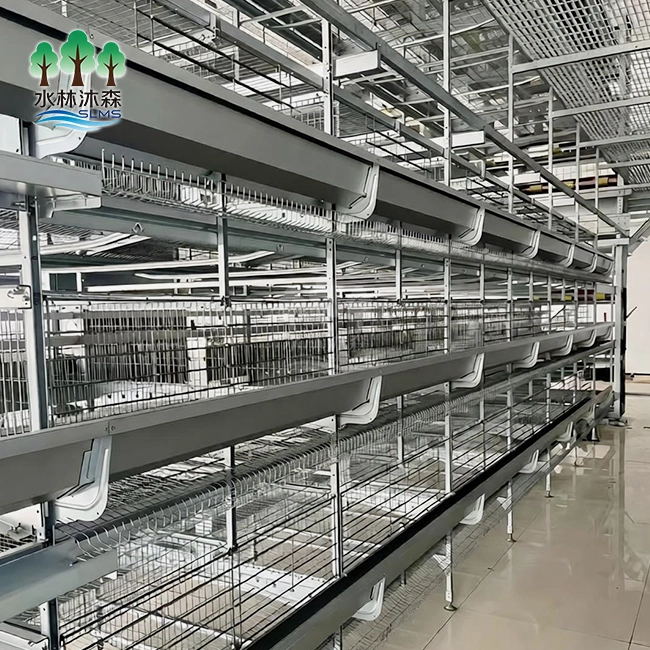
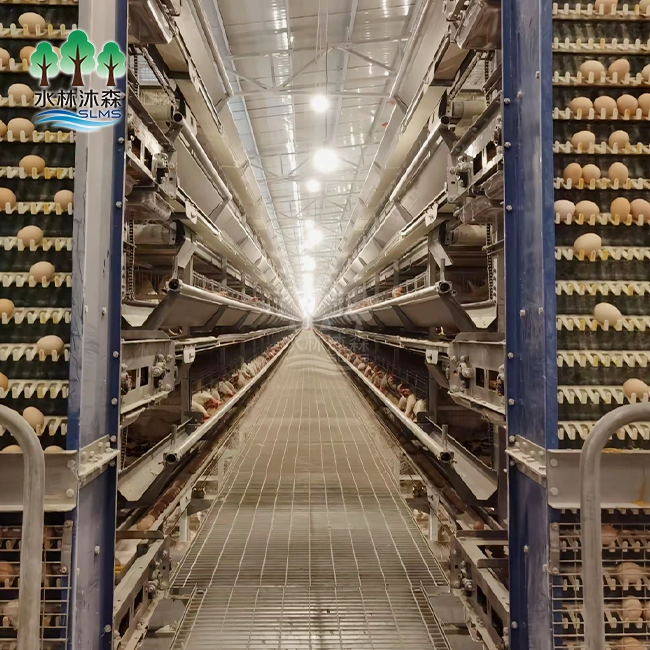
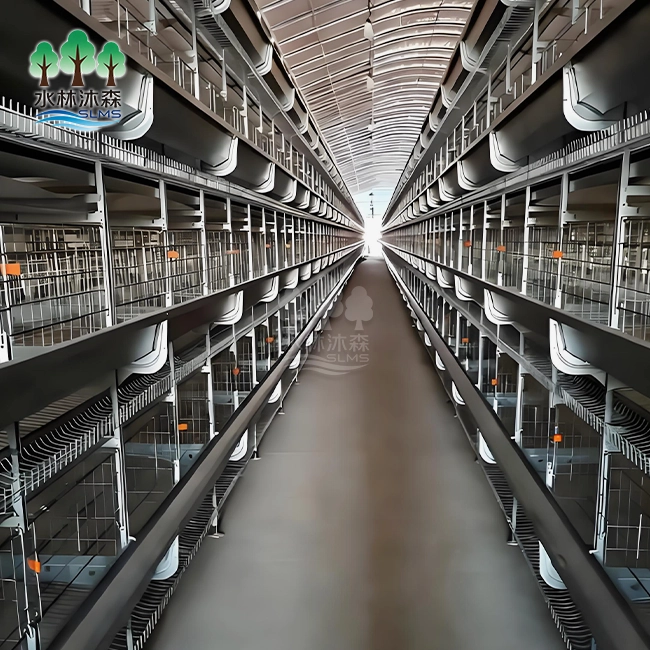
The modular design is made up of panels that fit together perfectly, with holes precisely placed to let manure flow through right away while holding the weight of animals and farm workers. In standard systems, the whole floor has to be changed when it's time for renovations. But with modular panels, each panel can be taken out, cleaned, or replaced without stopping production. This flexibility is very helpful for farms that have more than one type of chicken or that are switching between broiler and layer operations.
The length of a single plank is usually between 500mm and 800mm, and the gap between them is usually between 12mm and 20mm. These measurements were found to be the best over many years of field study to keep young chicks' legs from getting caught and to make sure that adult birds can easily go to the bathroom. The structure can hold more than 50 kg per square meter of weight, which includes both a lot of birds and the weight of maintenance workers doing regular checks.
Material Composition and Performance Characteristics
Premium modular flooring is made from pure polypropylene (PP) or polyethylene (PE) formulas that are designed to work in farming settings. PP material is better at resisting chemicals like ammonia and cleaning products with pH levels between 3 and 12. This means it can be used with strict hygiene measures. PE choices are more flexible in colder areas because they don't break easily at low temperatures, which can happen with cheaper materials.
The one-piece plastic structure gets rid of the weak parts that are common in systems that are put together. This way of making sure that the strength is spread out evenly across the whole panel surface, which lowers the stress concentration places where cracks usually start. Even though the color customization choices only look nice, they are useful because they let farm managers set different colored zones for different stages of output or cleaning schedules.
Impact on Poultry Health and Operational Efficiency
Studies done in business settings show that properly built slatted floors keep the area dry, which greatly reduces pododermatitis (sores on the foot pads). When trash stays wet in the litter, the number of bacteria grows quickly, making the environment acidic and burning birds' feet. Because slatted systems allow for quick drainage, contact areas stay dry, which means that veterinarians are needed less often.
Compared to litter-based methods, ventilation characteristics are much better. Natural convection currents move old air downward through the empty space under slatted floors, while new air moves at bird level. This passive airflow makes mechanical systems less necessary, which can cut energy use by a certain amount based on how the house is built. University farm extension studies show that when slatted floor operations are managed correctly, ammonia levels drop by 40 to 60%. High levels of ammonia can hurt breathing systems and make feed conversion less efficient.
How to Choose the Right Modular Slatted Flooring for Your Poultry House?
To choose the best flooring options, you need to carefully look at a lot of factors that affect both the short-term costs of installation and the long-term costs of running the business.
Assessing Durability and Lifespan Requirements
The practical lifespan of modular flooring changes a lot depending on the quality of the materials used and how the farm is run. Premium virgin polymer floors from reliable makers should last between 8 and 12 years under normal broiler production conditions with 6 to 7 groups per year. Layer operations may make floors last 12 to 15 years longer if they are cleaned properly. This is because they have longer production processes and less change.
When buying something, the amount of ash in it is a good way to tell how good it is. High-quality flooring keeps its ash content below 2%, which means that it doesn't use a lot of cheap filler materials like calcium carbonate that weaken the structure. Too many fillers make the material weak, which causes it to crack easily under point loads. Ashes content approval from sellers should be made clear in procurement requirements, and for big purchases, third-party lab proof should be required.
Evaluating Ventilation and Drainage Performance
Gap measurements have a direct effect on both how well trash is removed and how well birds are cared for. Wider holes (18–20 mm) let more air flow and faster waste passing, but they also make it more likely for young birds to hurt their legs. Narrower gaps (12–15 mm) give chicks and pullets better footing, but they may need to be cleaned more often to keep feathers and bedding from getting stuck.
The gap length measure for the Poultry House Slatted Floor, which is usually between 25 mm and 50 mm, affects how well the structure holds together and how well it cleans. Longer gaps mean there are fewer support ribs per panel, which could make load distribution worse but makes high-pressure cleaning easier. Shorter gaps make the panels more rigid and make birds more comfortable, but they also make more areas where organic matter can build up. To meet these different needs, we need to carefully think about different production methods and bird types.
Comparing Cost Structures and Return on Investment
The initial costs of buying something are only one part of the total costs of owning. A full cost analysis should include installation work, upkeep needs, cleaning supplies, estimated lifespan, and how it will affect output metrics such as mortality rates and feed conversion ratios.
Modular flooring systems usually cost 25–40% more to buy at first than standard options like wire mesh or wooden slats. This extra pays off because it lowers the cost of labor (40% less cleaning by hand), lowers the cost of medical care (fewer diseases), and raises the efficiency of production (better growth rates and feed conversion). In commercial broiler operations, quality modular systems usually pay for themselves in 18 to 30 months. In high-value breeder operations, where egg quality and fertility bonuses support infrastructure investment, payback times are shorter, 12 to 18 months.
Customization Capabilities for Diverse Operations
Standard store items work well for many uses, but businesses that deal with multiple species or specific production processes would benefit greatly from the ability to customize their purchases. For duck and goose farms, the panels need to be stronger and have bigger holes so they can handle heavier, wetter manure loads. Turkey production needs stronger load-bearing requirements because birds are getting heavier as they get closer to maturity.
Manufacturers who offer engineering consulting services can make sure that the right panel sizes are used for each house design, ensuring that materials are used efficiently and standards for structure performance are met. Custom color coding makes it easier to follow operating rules in facilities with more than one zone where different health status areas need to stay visually separate to avoid cross-contamination. Being able to match the measurements of existing infrastructure means that support systems don't have to be changed in ways that are expensive during retrofitting projects.
Where to Buy Modular Slatted Flooring for Chicken Coops?
To find trustworthy sources, you need to look at their manufacturing skills, quality control systems, and infrastructure for providing support after installation. These are the things that set professional equipment providers apart from generic resellers.
Evaluating Manufacturer Credentials and Certifications
Leading providers have complete quality management systems that control every step of the production process, from accepting raw materials to inspecting the finished product. ISO 9001 certification shows that quality control is done in a planned way, and agricultural-specific certifications show that the company knows about biosecurity and animal care rules that generic makers might miss.
Manufacturing training, especially in the chicken equipment industry, is very useful in the real world. Companies with engineering teams that work only on farming uses learn about performance problems in the real world in a way that other plastics companies can't. This focused knowledge method is shown by Weifang Shuilin Musen Aquaculture Equipment Co., Ltd., which has eight years of specialized experience and a team of five professional engineers. The company's promise to release more than three new products every year shows that it is committed to meeting the changing needs of the business rather than just selling standard goods.
Assessing Technical Support and Installation Services
Manufacturers who sell professional grade products include thorough installation directions, load distribution guidelines, and integration specs for systems that handle manure under flooring. Video lessons that show how to properly center panels, secure them, and fix common problems help people avoid making mistakes during installation that hurt performance in the long run.
On-site installation help is helpful for large-scale retrofitting jobs or when putting in Poultry House Slatted Floor systems for the first time, but it's not always necessary for experienced farm building teams. When manufacturers give this level of service, they show that they believe in their goods and want their customers to be happy, not just complete transactions. Technical consulting services help businesses improve their cleaning methods, set up preventative maintenance plans, and change their air systems so that they can get the most out of the health and productivity benefits that good flooring provides.
Understanding Warranty Coverage and After-Sales Commitment
The warranty terms show that the company behind the product is sure that it will last and is ready to back up promises of performance. Under normal use, standard one-year guarantees cover flaws in the way the product was made and material fails. When goods are used according to the manufacturer's instructions, premium suppliers may offer more coverage or performance guarantees that are tied to specific operating results.
Having replacement parts and expansion panels on hand is very important for businesses that are looking to grow or keeping tools on hand in case of a disaster. Long-term fleet standardization is possible when suppliers keep product specs the same across multiple years. This makes maintenance training and managing parts supplies easier. This consistency is especially helpful for businesses that sell tools and run farms and need to make sure that all of their sites meet the same standards.
Leveraging Bulk Purchase Advantages
For big projects or distributors who combine orders from many client farms, volume price models can cut per-unit costs by a large amount. When you deal directly with the maker, you don't have to pay distributors' fees. This could cut costs by 15 to 25 percent compared to multi-tier distribution methods. Setting up preferred seller deals with makers that offer cheap bulk pricing while still meeting quality standards is the best way to get the most out of buying budgets without sacrificing performance standards.
When doing business internationally, you need to carefully negotiate payment terms and delivery methods. Reputable makers can work with letter of credit plans and provide detailed shipping documents that meet the requirements for import compliance. Container optimization services help get the most out of the payload, which lowers the cost of shipping each unit of big orders that go to more than one production facility.
Installation and Maintenance Tips for Modular Slatted Flooring
Using the right installation methods and following regular care schedules directly affects how well and how long flooring purchases last.
Site Preparation and Foundation Requirements
The dung pit or drainage path under the flooring needs to be deep enough to hold enough waste between times when it is removed and strong enough to support the floor panels. Depending on the size of the group, the length of the production cycle, and the needs of the tools used to remove the manure, pit depths are usually between 1.2 and 2.0 meters. When the level isn't right, cleaning cycles have to be done too soon, which raises labor costs and poses hygiene risks because too many people are moving around in production areas.
The distance between support beams must match the panel's size and load-bearing requirements. In standard designs, support beams are placed 500 mm apart to match the widths of the panels. This makes sure that each panel edge sits on a solid support. When you don't leave enough space between panels, unstable spans form where panels sag under load, speeding up wear and making uneven surfaces that trap waste and make draining less effective.
Panel Installation and Securing Methods
Different makers use different interlocking methods for Poultry House Slatted Floor panels, but most of them have tongue-and-groove edges or overlapping lip designs that line up neighboring panels while still letting each one be taken off separately. If the panels are properly aligned when they are first installed, there won't be any holes between them where chicks can get stuck or trash can build up. Starting from the main walls and making your way in makes sure that the panels fit snugly. The final panels are then cut to fit the building's dimensions.
Securing methods combine the need for security while in use with the need to be able to take something off to clean or replace it. Some methods use clips or brackets that are connected to support beams, while others use friction and gravity. Knowing the right way to secure certain goods makes sure that the people doing the installation use the right methods that keep the structure strong without making it hard to take down for future maintenance.
Cleaning Protocols and Preventive Maintenance
High-pressure cleaning in between production rounds gets rid of the buildup of organic matter that can house pathogens and make drainage less effective. Setting the water pressure between 2000 and 3000 PSI cleans surfaces well without hurting polymer materials. Although high pH cleaners may break down plastic surfaces over time if they are used too much, cleaning products with pH levels between 3 and 12 keep materials intact while killing germs.
During production cycles, regular inspections find broken panels that need to be replaced before they cause problems for birds or pose a risk of contamination. By looking for cracks, uneven wear, or areas that are sagging, you can replace broken parts before they break, instead of having to make last-minute fixes that delay production. Keeping a small stock of extra panels on hand lets you change them right away, cutting down on downtime and keeping small problems from getting worse.
Optimizing Slat Spacing and Drainage Integration
Overall system performance is based on how the size of the floor aperture affects the systems below that handle waste. Floors with smaller gaps may need to be mechanically scraped under them more often to keep debris from building up and blocking the drains. Wider openings require less upkeep, but they need to be paired with manure removal tools that can handle less solid waste.
The open plenum area under slatted floors provides different airflow patterns than solid floor systems, which should be taken into account when designing a ventilation system. Negative pressure ventilation systems pull waste air through holes in the floor. This gets rid of ammonia right where it starts, before it gets to areas where birds can breathe. Getting the most out of these synergistic benefits means coordinating flooring specs with air engineering during the design of a building.
Conclusion
When looking for and choosing modular slatted flooring, you need to carefully think about the material requirements, the supplier's skills, and the long-term needs of the business. Quality Poultry House Slatted Floor systems made from new polymer materials that have the right gap sizes and load-bearing capacities improve the health of chickens, the efficiency of operations, and the effectiveness of workers.
Implementation will go smoothly if you work with well-known makers who offer full technical support, solid insurance coverage, and the ability to make changes to the product. Investing in high-quality flooring consistently pays off through lower disease pressure, less need for upkeep, and better output metrics that directly boost profits in commercial poultry businesses of all sizes.
FAQ
What is the typical lifespan of modular slatted flooring under commercial production conditions?
When normal broiler operations run 6-7 flocks a year, premium modular flooring made from fresh polypropylene or polyethylene usually lasts 8 to 12 years of steady service. When paired with the right cleaning procedures, layer and breeder businesses with lower bird replacement rates may get 12 to 15 years. The actual length depends on the quality of the materials, how well they are maintained, and how often they are used.
How does improved flooring directly benefit poultry health and productivity?
Slatted systems keep your feet dry, which lowers the risk of getting pododermatitis and breast burns from touching wet litter. Better air flow through floor holes lowers the amount of ammonia by 40 to 60%, which is good for lung health and feed conversion efficiency. Pathogen exposure is lower in cleaner settings, which lowers medical costs and death rates while supporting optimal growth.
Are customizable solutions available for different poultry house configurations?
Reputable manufacturers offer customization services that meet particular needs in the workplace. Panel sizes can be changed to fit current infrastructure, gap sizes can be changed to accommodate different bird types or age groups, and load-bearing requirements can be raised for big turkey or waterfowl production. Color coding makes it easier to use biosecurity measures in complicated facilities that handle many steps of production.
Partner with a Trusted Poultry House Slatted Floor Manufacturer
Weifang Shuilin Musen Aquaculture Equipment Co., Ltd. has been specializing in farming and animal equipment for eight years and can meet your needs for modular flooring. Our team of five professional engineers creates unique solutions and offers full technical support, such as installation movies, on-site advice, and quick troubleshooting help. We use high-quality PP or PE materials to make long-lasting flooring systems that come in sizes from 500mm to 800mm, with exact gap widths between 12mm and 20mm and a load-bearing capacity of more than 50kg per square meter.
To get the most out of your investment, every machine comes with a one-year warranty and ongoing professional support. We offer full solutions that include high-quality goods, low prices for bulk orders, and the kind of specialized service that turns purchases of equipment into long-term partnerships, no matter how many production sites you are in charge of. You can email us at wangshuaislms@gmail.com or visit slms-equipment.com to talk about your unique needs and get a quote that fits them perfectly.
References
1. Anderson, K. E., & Adams, A. W. (2019). Commercial Layer Housing Systems: Design, Management, and Welfare Implications. Poultry Science Association Press.
2. Bilgili, S. F., & Hess, J. B. (2020). Flooring Systems and Footpad Dermatitis in Broiler Production. Journal of Applied Poultry Research, 29(3), 745-758.
3. Chastain, J. P. (2018). Ventilation and Air Quality Management in Poultry Housing. American Society of Agricultural and Biological Engineers Technical Standards.
4. Dawkins, M. S., & Layton, R. (2021). Engineering Design for Improved Poultry Welfare: Floor Systems and Bird Behavior. Cambridge University Press.
5. National Chicken Council. (2022). Animal Welfare Guidelines and Audit Checklist for Broiler Chickens. NCC Industry Standards Publication.
6. Van Horne, P. L. M., & Bondt, N. (2020). Competitiveness of the EU Poultry Meat Sector: International Comparison of Production Systems and Equipment. Wageningen Economic Research Report 2020-041.
Learn about our latest products and discounts through SMS or email