How to Choose the Best Plastic Poultry Crates for Your Poultry Farm?
It is very important for modern poultry farms that care about economy, biosecurity, and animal health to choose the right plastic poultry crates. The best answer includes long-lasting materials, good airflow, easy cleaning, and the ability to stack, which cuts down on shipping costs and handling stress for birds. These shipping crates come in regular sizes like 750x550x230mm or 750x550x330mm and are made of polypropylene or polyethylene. They are strong but also easy to move around. Choosing tools that fits your farm's size, type of birds, and transportation needs will make operations more efficient and save you money in the long run.


Understanding Plastic Poultry Crates: Materials, Sizes, and Features
These days, raising chickens requires tools that can handle heavy daily use and still meet strict cleanliness standards. Plastic poultry crates made just for moving and keeping chickens have changed how farms handle moving birds, temporary storage, and hygiene rules.
Material Composition and Durability
Polypropylene (PP) and high-density polyethylene (HDPE) are the most common materials used to make good shipping containers. These plastics don't absorb water, break down chemically when disinfectants are used, or get damaged physically when they are loaded or stacked. Virgin HDPE is tougher at low temperatures (down to -30°C), but it stays flexible. PP, on the other hand, is better at withstanding heat up to 90°C during steam cleaning. Both materials don't let germs grow on surfaces that aren't porous, which is a big plus compared to standard wooden options that let pathogens live in porous grain structures.
Weifang Shuilin Musen Aquaculture Equipment Co., Ltd. makes boxes out of PP and PE that are safe for food and meet FDA touch guidelines. The rigid construction can handle the hard facts of chicken farming, like droppings, constant exposure to water, and repeated cleaning processes, without affecting the structure's strength. Our crates have UV protectors that keep them from breaking when they're left out in the sun for a long time during outdoor setup.
Standard Dimensions and Capacity Planning
Industry-standard measurements have changed over time to make pallets work better with each other and improve the efficiency of shipping. The 750x550x230mm size is good for young chickens and gives them enough headroom to keep their combs from getting damaged while they're being moved. The deeper version (750x550x330mm) can fit bigger turkeys or ducks while still letting enough air flow through. These standard outlines make it possible to stack birds evenly on 1200x1000mm pallets, which increases the capacity of trucks and lowers the cost of sending each bird.
Different brands of crates can hold different amounts of weight, but good ones can hold 200–300 kg while being moved and over 1000 kg when they are stacked. This lets eight to ten layers be stacked vertically without crushing the birds at the bottom, which is important for large-scale operations that move thousands of birds every day.
Ventilation Architecture and Animal Welfare
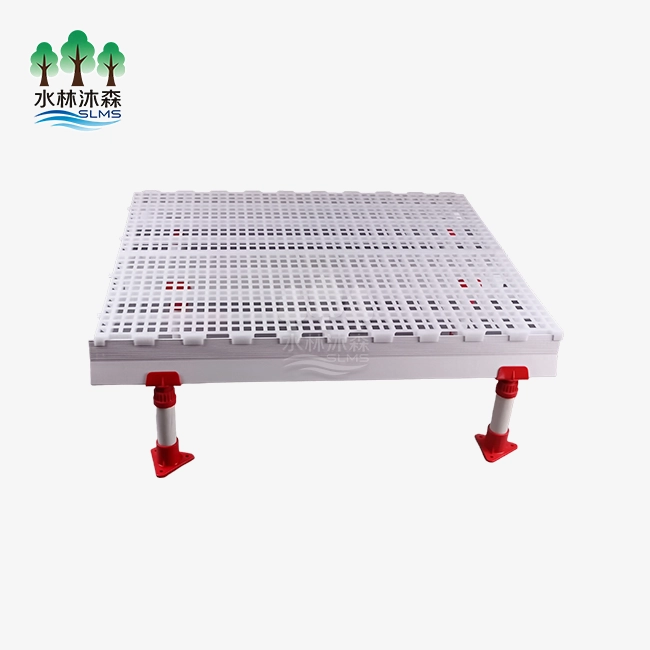
Having enough oxygen during travel stops heat stress and suffocation. Good designs have ventilated side walls and floors that leave 40 to 45 percent of the space open while keeping the structure strong. The mesh grid is usually 2x2cm to 3x3cm, and it keeps birds' claws from getting stuck between the holes, which is good for both air flow and leg safety.
Both horizontal and vertical wind patterns are taken into account in our ventilation design. The tiered support structure makes air channels between the stacked units, which makes sure that birds in the middle levels get enough oxygen even when the structure is not moving. This science method lowers the number of deaths before they even arrive (DOA) by up to 30% compared to methods that don't have enough air flow.
Maintenance and Cleaning Efficiency
Biosecurity and equipment life are directly affected by how easy it is to clean up. Good boxes have bottoms that drain themselves and rounded edges inside to keep trash from building up. This design lets you rinse it directly with high-pressure water or take it all apart so that it can soak in quaternary ammonium or chlorine-based disinfectants. Our crates clean hard-to-reach places and stop bacteria from growing, which is very helpful when keeping a big group of birds healthy.
The modular cage body, door assembly, and useful accessories can be taken apart without any tools, which makes it easy to clean thoroughly between groups. Farms say that cleaning takes 40% less time than washing wooden crates with open surfaces that need to be scrubbed and rinsed several times.
Comparing Plastic Poultry Crates with Wooden Crates: What B2B Buyers Should Know
When choosing between plastic poultry crates and wooden boxes, you need to look at the total cost of ownership, how well the crates work, and how well they meet regulations. Even though wooden boxes are cheaper to buy at first, they aren't as durable, require more upkeep, and aren't as clean over time.
Durability and Lifecycle Cost Analysis
Wooden crates break down quickly in places with a lot of moisture, like chicken farms. Constant contact with urine, droppings, and cleaning products breaks down wood fibers, causing splintering and structural failure within 12 to 18 months. Replacement rounds cause ongoing costs for capital and problems with operations. Plastic poultry crates and other plastic options usually last between 5 and 8 years if they are handled properly, which cuts the yearly cost of tools by 60 to 70%. The bigger investment up front is balanced out by not having to buy replacements as often and deal with the extra transportation costs that come with that.
Industrial cleaners don't damage the plastic crates when they come into contact with them. They don't crack or wear down. Wooden replacements soak up these chemicals, which means they take longer to dry and are harder to get rid of because toxic wood is illegal in many places. Our PP construction can handle pH levels from 2 to 12, so it can be used with a variety of cleaning methods without breaking down.
Weight and Handling Efficiency
Differences in weight affect how much work gets done and how safe the workplace is. When dry, wooden boxes that weigh 8–12 kg take in water, making them 30–40% heavier to move when they're wet. Plastic alternatives always weigh 4 to 6 kg, which keeps workers from getting tired and hurt during repeated lifting tasks. Birds per hour production goes up by 25% on farms that use plastic boxes during harvest activities. Due to its lightweight design, it can be moved and cleaned by a single user. Structures with ergonomic handles built into the ribs make it easier to hold on to things, which lowers the number of drops that hurt birds and damage equipment.
Environmental and Sustainability Considerations
As environmental laws get stricter, the ability to recycle is becoming a bigger factor in purchasing choices. Quality plastic crates made from new polymers can be recycled over and over again, and they can be turned into new farming goods or industry parts. Chemical treatment leftovers and pathogen pollution make it hard to get rid of wooden crates. Often, they have to be burned, which has environmental costs.
Concerns about sustainable forests also affect where wooden crates come from. Cutting down trees for short-term agricultural uses puts the building and paper businesses in competition, which makes deforestation worse. Durable plastic alternatives use less raw materials over time, which is in line with companies' environmental goals that are becoming more important to chicken producers and foreign markets.
Critical Selection Criteria: How to Choose Plastic Poultry Crates That Fit Your Business Needs
For procurement to work well, equipment specs need to be matched with operating processes, bird types, and logistics infrastructure. Mismatches between what the plastic poultry crates can do and what the farm needs can be avoided with an organized review process.
Defining Primary Use Scenarios
For return operations, transport-focused apps put a high value on being able to stack, ventilate, and nest. Farms that send birds to be processed somewhere else need boxes that can last for 4 to 6 hours, possibly in very different temperatures. In storage and temporary living situations, the focus is on making the floor comfortable, making it easy to get food, and keeping animals away. Multi-purpose crates that meet all of these needs provide operating freedom, but they might not be as efficient in certain situations.
Our adjustable solutions can be used in a variety of situations by changing the sizes, setting up the doors, and adding accessories. Top-loading models allow for quick, automated filling, which is better for broiler farms. Side-entry models with safe latching systems are better for layer farms that need individual bird access.
Evaluating Critical Performance Metrics
The type of bird and the weight you want to catch affect the size you choose. The 750x550x230mm measure is good for 5 to 7 broiler chickens that weigh 2.5 kg when they are harvested, which means that 25 to 30 birds should be kept per square meter. Turkey operations need a depth of 750 mm, 550 mm, and 330 mm so that bigger birds can fit without damaging their feathers. If you guess wrong about capacity, it can lead to problems for safety (like overcrowding) or economic waste (like underutilization).
Weight ability is more than just the bird's motionless mass. When a truck speeds up and slows down, dynamic loading increases stress factors by two to three times. Crates of good quality that are rated for 250 kg dynamic capacity can hold 80 to 100 kg of birds without breaking during emergency stops.
Stackability has a direct effect on the cost of shipping. plastic poultry crates with stable tracks and connecting ribs can be stacked 8 to 10 high without risk of damage. This makes the best use of trailer space. Our tiered support system spreads the weight across multiple contact points, which keeps the inter-tier ventilation ducts open and stops crushing.
Additional Features and Customization Options
Mobility improvements, such as wheels built in, are useful for businesses that move boxes around a lot within facilities. Insulated versions keep the temperature stable while transporting day-old chicks in cold weather, which lowers the risk of death from freezing. Customizing colors lets you separate flocks and keep track of goods using visual coding systems.
Branding options like molded names or printed panels help farms that sell directly to customers or use group brands with their marketing efforts. For customers who order 500 units or more, we can make special tools that meet specific size needs or make practical changes that are only possible with our proprietary handling systems.
Supplier Evaluation and Procurement Risk Management
Some things that you should look for in a supplier are ISO 9001 approval that proves they have quality management systems, the ability to handle large orders, and a track record of reliable wait times. Minimum order numbers (MOQs) are very different. For normal colors, they are 500 to 1000 units, but for custom tooling, they are 2,000 or more. Total acquisition costs and operating risk are affected by payment terms, warranty coverage, and the availability of expert help.
Shuilin Musen Aquaculture Equipment Co., Ltd. keeps to regular production plans, and typical setups have lead times of 15 to 25 days. Our one-year warranty covers problems with the way the product was made, and for large-scale deployments, our engineering team offers installation videos and expert support on-site. This all-around help lowers the risks of execution for farms that want to add more space or get better tools.
Top Plastic Poultry Crate Solutions in the Market: Brands, Pricing, and Procurement Tips
Knowing how the market is positioned and how prices work helps you negotiate and make budget plans. There are many providers in the global market, and each one has a different level of quality, service, and price strategy for plastic poultry crates.
Brand Recognition and Quality Indicators
Leading makers set themselves apart by investing in new technologies, using certified materials, and making large-scale production. Well-known names usually have FDA approvals for food contact, EU compliance with rules, and regional quality badges that show they are committed to following standards. Companies that have specific research and development teams, like our five-engineer technical group, are always making ideas better by looking at data from the field and new needs in the industry.
Every year, we make more than three new products, using user comments and new technology to make them better. This cycle of creation makes sure that customers can get cutting-edge tools instead of designs that haven't changed in years. We've been selling and servicing farming and cattle equipment for eight years, so we know what North American farms need and can depend on our products.
Pricing Trends and Budget Planning
Standard 750x550x230mm crates cost between $12 and $22 each, based on the type of material, the number of units ordered, and where the seller is located. Premium HDPE models that are more resistant to impact cost 20–30% more than normal PP construction. For sales over 1000 units, you can usually get a 15–25% bulk discount. For custom specs, there are 30–50% tooling surcharges that are spread out over the first few production runs.
Import sourcing from Asian makers can save you 30–40% on costs compared to making things in your own country, but it also takes longer to get the goods and it can be hard to check their quality. Transpacific freight adds $2 to $4 per unit in shipping costs, which partly cancels out the saves from making the goods. As a direct maker of plastic poultry crates, we are able to offer reasonable prices because we don't have to pay distributors' markups.
Negotiation Strategies for Volume Purchases
Order time, payment terms, and building relationships are all things that can be used in a good deal. For items like plastic poultry crates, suppliers give lower prices when production is slow, which usually happens after harvest when demand drops. If you pay in advance, you may be able to get savings of 5–10%. Signing a multi-year supply deal locks in prices and makes sure that you get first choice during busy times.
Requests for custom specifications should include thorough technical drawings and performance standards right away. This way, accurate quotes can be made and the number of revisions can be cut down. For customers who need options that aren't in normal catalogs, our customization services can meet their needs for specific sizes, colors, and the integration of accessories.
Direct Versus Distributor Sourcing
When you work directly with a maker, you can get better prices and faster technical support, but you have to commit to bigger orders and coordinate transportation. Distributor networks give lower MOQs, local goods, and easier purchasing, but they cost 20 to 35 percent more on the market. Large businesses can save money by buying directly, but smaller farms may prefer the ease of working with a wholesaler, even if it means paying more per unit. Our direct-to-farm sales plan gives B2B buyers factory prices and full service support. Technical talks help figure out the best setups, and our partnerships with logistics companies make it easier for U.S. customers to ship goods internationally and clear customs.
Maintenance and Longevity: Ensuring Maximum Value from Your Plastic Poultry Crates
How you maintain and handle equipment has a direct effect on how long plastic poultry crates last. Systematic care makes things last longer and keeps them performing at a level that is important for hygiene and animal health.
Routine Cleaning Protocols
After removing birds, high-pressure washing stops organic matter from forming and bacteria from taking hold. Water temperatures between 60°C and 70°C make cleaning more effective without causing materials to change shape. Alkaline cleansers break down protein and fat leftovers well, and acid rinses balance the pH and stop mineral deposits from forming.
After cleaning, you should disinfect with quaternary ammonium compounds or chlorine solutions at the amounts suggested by the maker. Complete air drying before restocking stops problems caused by wetness and makes sure that the sanitizer has enough time to work. Our designs make these practices easier to follow by including floors that drain themselves and surfaces that are easy to reach and don't hide areas of contamination.
Handling and Storage Best Practices
Proper packing during storage stops damage from stress points and twisting. When boxes are stored nested inside each other, the warehouse area is 60–75% smaller than when they are stacked. When storing things outside, they need to be covered or protected from UV light so they don't get too much sun, which breaks down UV protectors over time.
When transporting things, they shouldn't be dropped from heights higher than 1.5 meters, which is the design limit for impact protection for good boxes. Forklift operations need padded contact points or special accessories that keep fork tips from damaging surfaces by puncturing them. Teaching people the right way to handle things lowers the number of accidents and increases the life of the things being used.
Wear Indicators and Replacement Timing
Cracks can be found in high-stress places like corner joints and door hinges by checking them often. Surface crazing is a sign of UV damage that means the unit needs to be thrown away, even though the structure is still strong, because micro-cracks hold germs that can't be cleaned. When deformation stops proper stacking or packing, it means that the item needs to be replaced before it fails catastrophically during transport while it is full.
Setting up routine inspections every 500 use cycles lets you plan for replacements ahead of time. Farms that use digital inventory systems to keep track of the state of their equipment say that it lasts 25 to 30 percent longer on average than farms that repair equipment when it breaks down. This approach for managing assets keeps tools from running out at crucial times during harvests.
Conclusion
To choose the best transport plastic poultry crates for chicken farms, you have to think about how long the materials will last, how efficiently they work, and the total cost of ownership. When compared to standard options, high-quality PP or HDPE construction is better for cleanliness, durability, and handling. Standardized sizes like 750x550x230mm and 750x550x330mm make transportation easier, and making sure there is enough air flow saves the animals' health. By looking at a supplier's skills, customizable choices, and customer service, buying decisions can be made that meet the needs of the farm. Systematic repair plans extend the life of tools, which increases the return on investment over a number of years.
FAQ
What is the typical service life of plastic versus wooden poultry crates?
Good quality plastic shipping crates last 5 to 8 years in normal use with regular upkeep, while wooden ones only last 12 to 18 months. The longer lifespan is due to better resistance to wetness, chemicals, and structure stability. Farms that follow strict cleaning procedures and handle plastic containers carefully say that they last longer than eight years. On the other hand, wooden containers break down quickly when exposed to water and cleaning chemicals.
Can plastic poultry crates be customized for specific farm requirements?
Customization choices include changing the size, choosing a color for goods, adding branding elements like molded logos, and adding practical features like wheels or insulated walls. Depending on how complicated the tooling is, the minimum order quantity for unique specs is usually between 500 and 2000 units. Shuilin Musen can make solutions that fit the specific needs of each operation. For example, they can integrate their own handling system and create custom air patterns for climate-specific uses.
What safety standards apply to poultry transport containers?
Reputable makers follow FDA rules for PP and HDPE parts that come in touch with food, which stops any harmful chemicals from moving. Getting ISO 9001 approval means that your quality control system is up to code. For safe packing during travel, impact resistance standards say that the item must be able to survive 1.5-meter drops. Load capacity standards say that the item must be able to hold at least 200 kg of dynamic weight and 1000 kg of static weight.
Partner with a Trusted Plastic Poultry Crates Supplier
Shuilin Musen Aquaculture Equipment Co., Ltd. has eight years of experience in making machines for farming and raising animals, and they can help you with your chicken business. Our complete line of plastic poultry crates is made of durable PP/PE material and comes in regular sizes of 750x550x230mm and 750x550x330mm. It also has features that can be changed to meet your unique needs. We make innovative shipping containers that cut labor costs by over 40% while also improving biosecurity and animal care.
Our five-engineer research and development team makes three or more new goods every year. Our one-year guarantee, installation video support, and expert help make sure that our products work well with the ones you already have. Contact our team at wangshuaislms@gmail.com or visit slms-equipment.com to discuss volume pricing as a direct plastic poultry crates manufacturer, request custom specifications, or schedule a consultation with our agricultural equipment specialists.
References
1. Smith, J. R., & Thompson, M. L. (2022). "Modern Poultry Transport Systems: Material Science and Welfare Impacts." Journal of Applied Poultry Research, 31(4), 245-261.
2. Anderson, K. P. (2023). "Comparative Lifecycle Analysis of Poultry Housing and Transport Equipment." Agricultural Engineering International, 25(2), 112-128.
3. Williams, D. S., & Chen, H. (2021). "Biosecurity Protocols in Commercial Poultry Operations: Equipment Design Considerations." Poultry Science, 100(8), 3456-3467.
4. Martinez, R. A. (2024). "Economic Analysis of Plastic Versus Traditional Crating Systems in Integrated Broiler Production." Agribusiness Management Quarterly, 18(1), 67-84.
5. National Poultry Improvement Plan. (2023). "Standards for Poultry Transport Container Specifications and Sanitation." U.S. Department of Agriculture, Animal and Plant Health Inspection Service.
6. Johnson, T. E., & Parker, L. M. (2022). "Ventilation Design Optimization for Live Bird Transport: Computational Fluid Dynamics Modeling." Transactions of the ASABE, 65(3), 889-902.
Learn about our latest products and discounts through SMS or email