How to choose the right feed silo size for a small poultry operation?
To choose the right feed bin size for a small poultry business, you need to know how much feed your flock eats each day, how often you send feed, and how long you store feed. A Feed Silo for Poultry of the right size can hold food for 7 to 14 days, keeping it fresh while also making delivery faster. To find your perfect capacity, multiply the number of birds in your group by how much food each bird eats each day, then add 20% to account for weather delays or supply problems.


Understanding the Core Decision: Why Feed Silo Size Matters in Small Poultry Operations?
Picking the right bin size is the most important part of managing feed well. A lot of people have trouble making this choice because the effects of making the wrong choice show up over time instead of right away. When you put a unit that is too big, the feed sits in storage for too long, losing its nutritional value and absorbing water that helps mold grow. On the other hand, if your storage space is too small, you'll have to make too many deliveries, which will increase your transportation costs and leave birds without regular access to food.
The Hidden Costs of Incorrect Sizing
The biggest risk is that the quality of the feed will get worse. The nutrients of poultry rely on the exact amounts of vitamins and minerals that are present, which change over time. It might seem like a good idea to save money when installing an over-sized Feed Silo for Poultry, but if your 1,000-bird farm buys a 20-ton unit when an 8-ton unit will do, feed will be saved for weeks instead of days. According to research from experts in chicken nutrition, vitamins lose a lot of their effectiveness after 10 to 14 days in bulk storage, even in the best circumstances.
Matching Capacity to Consumption Patterns
The speed of consumption depends on the make-up of your group. In their last few weeks of growing, broilers eat about 0.25 pounds of food every day for every bird. That means that 1,000 broilers need about 250 pounds of food every day. During production rounds, layers keep their daily diet steady at about 0.22 pounds. These starting points change as the temperature changes, the health of the birds changes, and the feed mixture density changes.
Strategic silo size takes into account the reality of your supply plan. Depending on how far away they are from feed mills, rural areas may get large supplies once a week or every other week. Operations close to cities often have access to more frequent service. Putting together a 10-day feed store gives you peace of mind without taking up too much space. This method keeps the feed fresh and can handle small changes in the plan without affecting operations.
Critical Dimensions to Consider When Choosing Feed Silo Size
Calculating Flock-Specific Requirements
Because usage rates change so quickly, broiler plants have special problems when it comes to sizing. A group of 2,000 broilers eats about 200 pounds of food every day in the first few weeks. As the birds get closer to market weight, they eat 500 pounds of food every day. Your silo needs to be able to handle times of high usage, not just normal rates. Planning for maximum demand and having enough backup capacity stops storage gaps in the middle of the cycle, when birds are growing the fastest.
Feed Form Impact on Storage Requirements
The storing properties of pelletized feed are better than those of mash formulas. Pellets are better at keeping out water and keeping their flowability through silo release systems with few problems with bridging. Mash feeds need extra attention because they tend to compact and have more surface area, which speeds up oxidation. If your business uses mash formulations, cutting down on holding time is even more important. Smaller silos with more frequent supply are best for this.
Calculations of actual capacity are affected by the physical qualities of different types of feed. Most pelleted feed weighs between 35 and 38 pounds per cubic foot, while most mash mixtures weigh between 28 and 32 pounds per cubic foot. Because of this change in density, feed weights can be different in silos with the same amount. Instead of using general figures, you should check with your nutritionist to make sure that the feed's exact bulk density is correct.
Growth Stage Considerations
Starter, grower, and finisher feeds all need to be stored in different ways within a Feed Silo for Poultry. Many small businesses handle more than one type of feed at the same time, which means they need either a lot of smaller bins or a very careful plan for when to switch between feeds. A 5-ton silo that is only used for starting feed can feed 3,000 broilers for about 12 days during their first growth phase. However, the same silo can only hold finisher feed for 6 days for the same group as it gets close to harvest weight.
Comparing Feed Silo Options: Features, Storage, and Cost Efficiency
Material Selection and Durability
The high-zinc coating on the steel makes it very durable in normal farming settings. It keeps the structure strong even when heavy loads are added, and the galvanization layer stops rust from getting in from the outside. For businesses near the coast or in places with a lot of humidity, 304 stainless steel choices completely remove corrosion worries, but they cost more at first. The material you choose has a direct effect on how long your silo will last. In normal conditions, a good galvanizing unit will last 10 to 15 years.
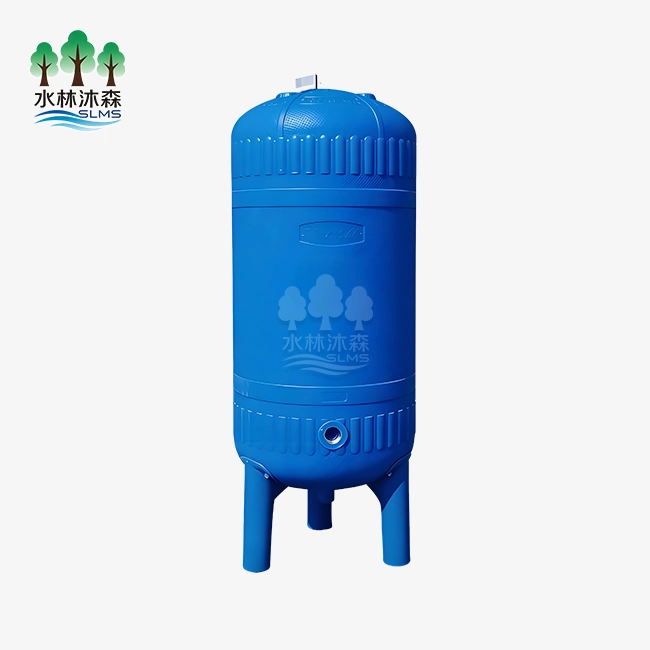
High-strength galvanized steel plates that are both rigid and resistant to rust are used to make our feed holding systems. The vertical form improves storage area while minimizing the building's impact on the ground, which is very important for farms that don't have a lot of room for buildings. Sealing grades that are resistant to weather and pests keep outside pollution from happening, which is one of the main concerns in managing bulk feed.
Capacity Range and Flexibility
Our product line has sizes ranging from 5 to 30 tons, so they can be perfectly matched to operating scale. A 5-ton unit is good for groups of 500 to 800 birds that are delivered once a week, giving you enough space for keeping without taking too long. Mid-range 12–15-ton silos work well for 2,000–3,000 bird operations because they balance how often they send food with how long it stays fresh. The 30-ton capacity is aimed at bigger small-scale businesses or those in remote areas that need longer supply intervals.
Customization options go beyond basic size choices. We change the layout of silos to fit the needs of each site, whether there is limited vertical clearance, limited entry for installation, or the need to connect to existing feed line equipment. This gives you the freedom to make sure that your storage solution fits your actual needs, rather than making you make decisions based on the limits of the tools.
Cost-Benefit Analysis
Putting money into large storage solutions at the beginning pays off in a number of ways. Getting rid of hours of manual work each week by switching from daily bag handling to automatic bulk delivery is the most obvious benefit. Buying feed in bulk usually saves you 8–15% compared to buying it in bags. This saves you money over time and pays for the tools within 18–24 months for most businesses.
Cutting down on feed waste makes things a lot more cost-effective. If you store bagged feed in a bin that seals well, you can avoid the 3-5% loss that happens because of tears, wetness, and pests getting in. Getting rid of this waste saves about 450 to 750 pounds of feed every month for a 2,000-bird business that uses 15 tons of food every month. When these saves are added up over many production cycles, they add up to big changes in how things are run.
How to Evaluate and Select a Reliable Feed Silo Supplier for Your Poultry Operation?
Supplier Credentials and Manufacturing Standards
Evaluating suppliers is the first step in quality security for any Feed Silo for Poultry. Having experience making things shows that you can deal with the technical problems that come up with big storage systems. For eight years, Shuilin Musen Aquaculture Equipment Co., Ltd. has worked in the farming equipment industry and learned what it takes to make equipment work and setups that aren't working right. Our five professional engineers are always making ideas better based on data from the field and comments from customers.
The infrastructure for technical help shows that a seller is committed to more than just making sales. You can avoid common setup mistakes that slow things down by watching detailed movies and reading detailed instructions. On-site installation services take away all the guesswork, making sure your system works right from the start. We offer both resources, and the amount of help we give you depends on your technical skills and preferences.
After-Sales Service and Warranty Protection
Part of how long a piece of equipment lasts is how well the maker takes care of it during its working life. A full one-year guarantee shows that you trust the quality of the product and protects your investment during the important first few months of use. In addition to guarantee coverage, helpful technical support answers any questions you have about how to use your feeding system as you try to make it work better.
We back up our goods with a full range of services, from the original consultation to ongoing technical support. Our experience in research and development (R&D), direct sales, and technical support all work together to give you the help you need at every step. This unified method makes sure that you get consistent information and useful solutions instead of answers that aren't linked from different departments.
Procurement Advantages for B2B Customers
As a seller of Feed Silo for Poultry, working directly with makers cuts out middlemen and guarantees accurate technical specs. Operators who are growing their sites or equipment distributors who serve area markets can save even more money by placing bulk orders. Our production ability can handle both small purchases from farms and big orders from distributors, and the quality of our products is always the same.
Reliability of delivery is another important thing to think about when buying something. We keep production schedules that work with your installation plans and time shipments so that they appear when you're ready to install. Because of this coordination, equipment doesn't have to sit out in the weather or take up important room while it's being set up. When we plan our operations, we take your working calendar into account and schedule deliveries during breaks in production when installation will cause the least amount of trouble.
Best Practices for Feed Silo Use and Maintenance to Maximize Feed Quality and Operation Efficiency
Establishing Effective Cleaning Protocols
Cleaning the inside of your home on a regular basis keeps residue from building up, which can house mold germs and bacteria. Plan full silo cleanouts to happen between groups or at least twice a year for production that never stops. The viewing port and ladder access make cleaning easier because they let you physically remove any caked-on material and see what the inside looks like. Maintaining clean storing conditions includes pressure washing and fully drying before refilling.
External care keeps your investment safe and makes sure it can stand up to the weather. Every three months, check the seals around the entry doors and fill ports. If any of the gaskets are broken, replace them right away to keep the pest-proof integrity. The rain cap needs to be checked every so often to make sure it stays in place and tightly fixed so water doesn't get into the feed storage areas. These easy checks keep small problems from getting worse and becoming bigger ones.
Monitoring and Preventive Measures
Today's feed management uses technology to keep track of everything very accurately. Level sensors give real-time information about inventory, which lets you plan when to reorder so that you don't run out of stock without keeping too much on hand as a backup. Weighing systems built into the supporting frame give accurate data on how much feed is being used, which is used to figure out feed conversions and check on the health of the flock. The vibrator part keeps the feed flow steady, which stops problems with bridges that could stop automatic delivery.
Monitoring the environment is more than just keeping track of goods. Changes in temperature inside the bin show that there might be a problem with moisture before the problems can be seen. Setting up standard temperature trends for your environment and feed type lets you find condensation or other storage problems early on. Taking care of these problems right away protects the quality of the feed and stops bigger loses.
Integration with Overall Farm Systems
Your Feed Silo for Poultry is an important part of a whole system for feeding animals. Making sure that auger delivery systems work well together makes sure that feed flows smoothly from large storage to bird feeders. The unloading system needs to work with the delivery method you have chosen. For example, chain disk systems, flexible augers, and pneumatic transportation all have different contact needs. We make our products so that they can work with a variety of delivery methods, so your business can get the connections it needs.
Automated feeding plans make the most of the benefits of bulk storage in terms of productivity. Programming timed feed delivery gets rid of the need for human action while still giving birds constant access to food. When paired with the reliable storage space of silos that are the right size, this automation turns feeding from a daily job that requires a lot of work into a system that only needs to be checked on every so often.
Conclusion
To choose the right Feed Silo for Poultry size, you have to think about a lot of practical factors, such as the size and type of flock, the rate of consumption, the process of delivery, and the need for feed to stay fresh. Undersizing causes practical stress and higher costs, while oversizing lowers the quality of the feed by requiring more holding time. Figuring out 10–14 days of peak consumption capacity is a good place to start, but make sure to change it for your unique delivery plan and flock makeup. Long-term happiness is affected by material quality, supplier assistance, and the ability to integrate as much as the original capacity choice. After careful consideration of these factors, a storage solution is found that improves operating efficiency, protects feed quality, and lowers total production costs.
FAQ
Q1: What size silo do I need for 1,000 broilers?
A: Depending on their stage of growth, a group of 1,000 broilers needs between 250 and 350 pounds of food every day. At peak use, you should be able to store 3,500 to 4,900 pounds for 10 to 14 days. With weekly supplies, a 5-ton (10,000-pound) silo holds enough food for this size flock to handle increases in consumption and small supply delays without running out of food.
Q2: How often should I refill my feed silo?
A: The best refill regularity matches the cost of delivery with the quality of the food. Aim for 10–14-day intervals for most activities. This will allow all of your goods to be sold while still keeping enough on hand. More regular supplies help keep food fresh, but they cost more to move. Delivery costs go down when refills happen less often, but the quality of the feed could go down. The best plan depends on your environment, the type of feed you use, and when you can get it delivered.
Q3: Does silo material affect feed quality?
A: The choice of material has a big effect on how well feed is preserved. When properly sealed, high-quality galvanized steel and stainless steel choices both offer great security. The most important things are weatherproof sealing, which keeps water out, and pest-proof building, which keeps bugs out. The steady internal conditions of our galvanized steel units keep the nutritional content safe for a fair amount of time.
Partner With Shuilin Musen for Your Feed Storage Solution
Shuilin Musen Aquaculture Equipment Co., Ltd. offers complete feed storage options that are made to fit your business's needs. Our engineering team creates systems with capacities ranging from 5 to 30 tons, with choices for customization to fit the needs of each place. As a well-known company that makes Feed Silo for Poultry, we offer full support, including how-to videos, on-site setup services, and quick technical help, all backed by a one-year guarantee. Email our team at wangshuaislms@gmail.com to talk about the size of your group, how you'd like to receive the birds, and your practical goals. We'll be able to tell you exactly what capacity and setup will work best for you, along with full price information. You can see all of our products at slms-equipment.com.
References
1. North, M.O. and Bell, D.D. (2018). Commercial Chicken Production Manual, 5th Edition. Chapman & Hall, New York.
2. Appleby, M.C., Mench, J.A., and Hughes, B.O. (2004). Poultry Behaviour and Welfare. CABI Publishing, Wallingford, UK.
3. Leeson, S. and Summers, J.D. (2005). Commercial Poultry Nutrition, 3rd Edition. University Books, Guelph, Ontario.
4. Sainsbury, D. (2000). Poultry Health and Management: Chickens, Turkeys, Ducks, Geese and Quail, 4th Edition. Blackwell Science, Oxford.
5. Bell, D.D. and Weaver, W.D. (2002). Commercial Chicken Meat and Egg Production, 5th Edition. Springer Science, New York.
6. Jacob, J.P., Pescatore, A.J., and Cantor, A.H.M. (2011). Avian Influenza in Poultry. Kentucky Cooperative Extension Service, University of Kentucky, Lexington.
Learn about our latest products and discounts through SMS or email