How to choose the right size air deflector for my chicken coop
To pick the right size Chicken Coop Air Deflector, you need to carefully think about the size of your building, the number of birds that will be living there, and how much air flow you need. Using the right air divider will make sure that the airflow is spread out evenly, stopping drops of cold air that could hurt the birds and keeping the temperature and humidity levels consistent throughout your business. The best deflector measurements for your needs will be found by doing accurate size estimates based on cubic space, bird density, and seasonal ventilation needs.


Understanding the Core Problem: Why Airflow and Air Deflector Size Matter?
For chicken buildings to have good ventilation, the speed of the air coming in, the difference in temperature, and the way the air is distributed in space all need to work together in complicated ways. Agricultural engineering departments' research regularly shows that poor airflow creates microclimates in production areas, which causes big differences in how well birds do in different parts of the same facility.
Because it is denser than warm air inside, cold air that comes in through ventilation openings naturally falls to the floor. This effect, called "cold air drop," makes the litter wet, which helps pathogens grow and puts birds at risk of heat stress. Studies show that changes in temperature of more than 5°F within a production area can lower the efficiency of feed conversion by 3–8% and raise the death rate by 0.5–2%.
Air deflectors that are too small don't throw enough air, so there are dead zones where air doesn't move and builds up. These places have high amounts of ammonia and low levels of air, which makes it hard for birds to breathe. On the other hand, deflectors that are too big create air speeds that are too high and can lead to drafts and wasted energy. The best Chicken Coop Air Deflector size combines the need to throw air with the need to reduce pressure drop so that the production area has the same temperature and humidity levels.
Improper sizing has economic effects that go beyond instant worries about bird care. Because they don't use heat as efficiently, buildings that don't have good air flow often have 15–25% higher heating costs when it's cold outside. Poor airflow also makes structures weaker by letting corrosive gases and moisture build up, which raises the cost of long-term upkeep and the number of times that equipment needs to be replaced.
Establishing Key Criteria for Selecting the Right Size Air Deflector
Facility Dimensions and Volume Calculations
Correctly making an air filter starts with taking accurate measurements of the space. The total amount of air and the minimum airflow needs are found by measuring the length, width, and height. Standard practice in the business says that air should flow at least 0.5 to 1 CFM per square foot in the winter and 8 to 10 CFM per square foot during the summer's peak circulation times.
Building width is a big factor in choosing the right size deflector because longer air throw lengths are needed for bigger buildings to mix properly. To keep the center area from getting stuck, buildings wider than 40 feet usually need more than one deflecting zone or units with a bigger capacity. The height of the ceiling affects how long it takes for air to mix and how the temperatures rise and fall. For example, deflectors need to be placed more precisely when the ceiling is low to keep air speeds from getting too high at bird level.
Bird Density and Ventilation Load Assessment
The number of the birds has a big effect on the air needs and deflector size requirements. Broiler farms give each bird about 0.75 to 1 square foot to live in, while layer farms give each bird about 1.25 to 1.5 square feet. Greater air circulation is needed for processes with higher densities because they produce more heat and moisture.
Metabolic heat output changes based on the age, activity level, and production process of the bird. Young chicks make about 2 to 3 BTU per hour per bird, while adult broilers make 15 to 20 BTU per hour. These heat loads change the difference in temperature between the air coming in and the air inside, which changes the deflector capacity needed for proper mixing. Accurate load estimates let you precisely specify the opening areas of the deflectors and the air speeds that must be met.
Climate and Seasonal Variations
The regional climate affects the size needs by changing the differences in temperature and the way air flows during different times of the year. The temperature difference between indoor and outdoor air in cold climate buildings is bigger, so they need deflectors that can handle high-velocity, low-volume flows when ventilation is low.
When operations are carried out in hot climates, they need deflectors that can handle large amounts of wind during tunnel ventilation or atmospheric cooling. Because climates change throughout the year, deflectors need to be able to open and close in different ways at different times of the year. It's important that the Chicken Coop Air Deflector keeps working well in all of the possible operation situations.
Material and Design Considerations Impacting Air Deflector Performance
Panel Materials and Thermal Properties
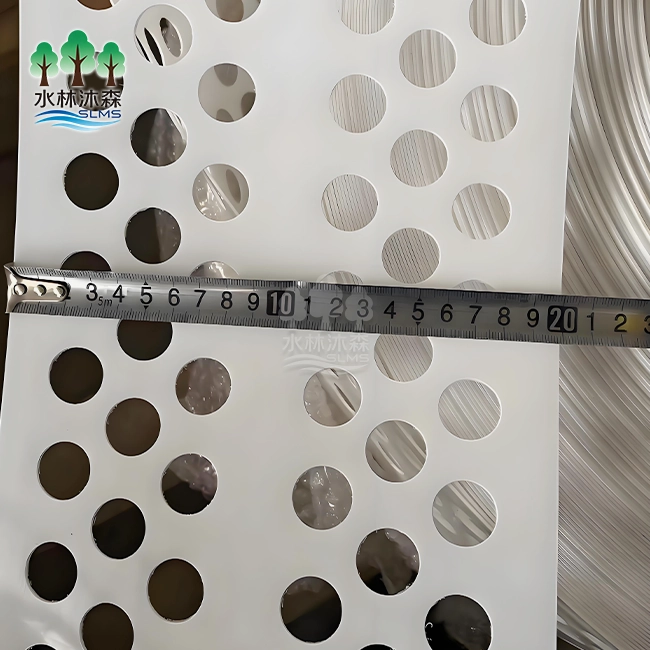
Modern air deflectors are made of high-tech materials that are designed to last and work well with heat in harsh settings where chickens are present. Fiberglass and nanofiberglass panels are very resistant to rust and have some insulating qualities that keep condensation from forming when they are used in cold weather. These materials keep their shape even when they are exposed to ammonia, water, and changes in temperature all the time.
The normal width of 5 cm is the best compromise between insulation value and structural strength. Although thicker screens offer better heat protection, they are heavier and harder to install. The nano-fiberglass choice has a smoother surface that makes it easier to clean and lessens the growth of bacteria, which supports biosecurity rules that are important for commercial chicken production.
Frame Construction and Durability Features
The choice of frame material has a big effect on how well it works and how often it needs to be maintained over time. Some benefits of aluminum metal frames are that they are easy to install and don't rust in places with a lot of moisture. The naturally occurring oxide layer that forms on metal surfaces protects against chemical exposure that is common in chicken farms.
For tough jobs, frame choices made of stainless steel are stronger and won't react with chemicals. When you coat steel parts with high-zinc paint, you add extra layers of protection that make them last longer than normal galvanized treatments. The decision between aluminum and stainless steel relies on the facility's budget, the expected service life, and the conditions of the surroundings.
Operational Mechanisms and Control Integration
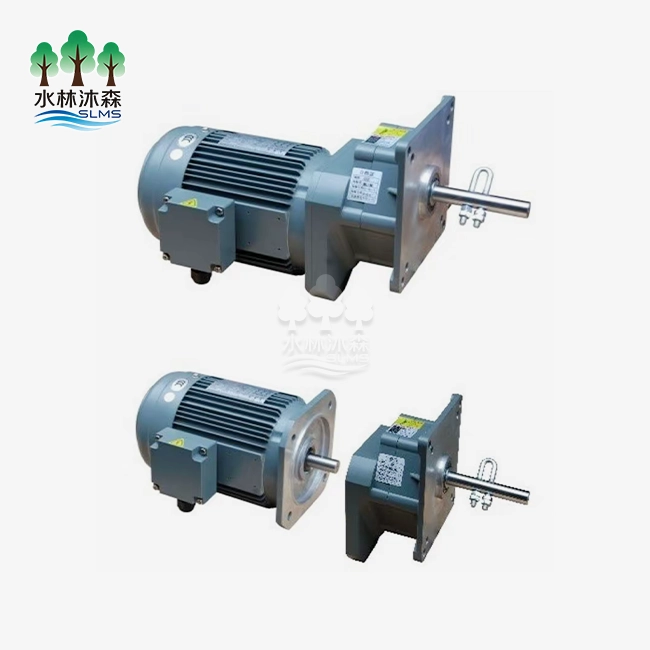
Running on electricity with a manual backup makes sure that it will work reliably when the power goes out or something breaks. By combining pulleys, steel wire rope, and hand winch parts, you get two sets of control options that keep the ventilation flexible no matter what the working conditions are. This dual-control system is especially helpful for buildings in places where power outages are common.
Adjustable opening mechanisms let you precisely control the flow of air for different ventilation needs. By changing the deflector opening area, workers can keep air speeds at the best level even as the weather changes throughout the day and year. This flexibility makes the best use of energy and makes sure that the weather control system always works well.
Installation Best Practices and Maintenance for Optimal Airflow
Precise Measurement and Positioning Requirements
A professional installation starts with taking exact measurements in the field to compare the design requirements to the real conditions of the building. Wall thickness, structural barriers, and the placement of equipment next to the shield can all change where it is placed and how well it works. The people doing the installations have to think about how the building might settle and expand over time.
How air throws and how well it mixes depend a lot on where the deflector is placed in relation to the holes that let air in. According to industry norms, the leading edge of the deflector should be mounted 2 to 4 inches away from the wall so that the air can properly connect to the ceiling. If you are not in the right place, the Coanda effect will not work as well, which lets air follow the shape of the roof for the best mixing.
Mounting Hardware and Structural Integration
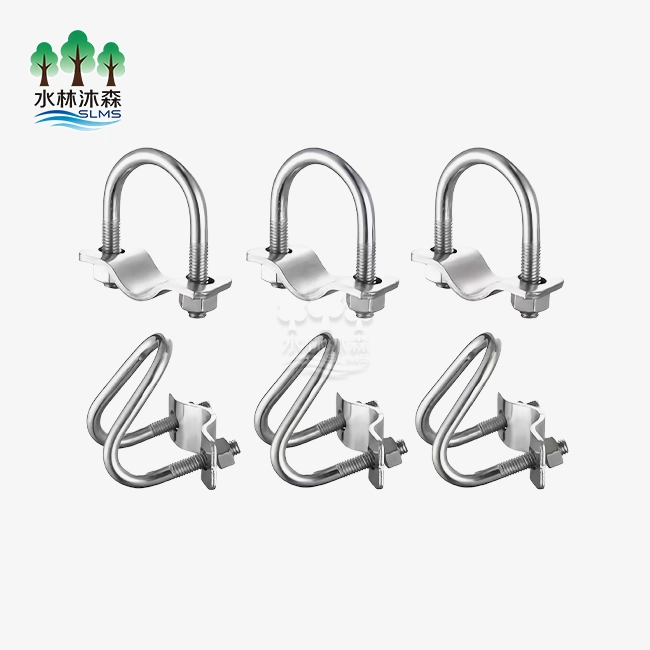
For mounting to work right, the structure needs to be strong enough to handle wind loads and operating pressures. Loads must be spread out evenly across the building framework at the fixing points for deflectors so that there are no areas of high stress that could damage the structure. The tools used for installation should be able to handle changes in temperature while still keeping the connection secure.
When compared to older metal systems, current deflectors need less structural stress because they are made to be lighter. But for good installation, you still need to think about wind load estimates and earthquake safety in the right places. Professional assembly services make sure that local building rules and maker guidelines are followed.
Maintenance Protocols and Service Scheduling
Scheduling regular repair keeps deflectors working well and increases the life of the equipment. Visual checks done once a month find possible problems before they affect how well the ventilation works. Cleaning rules should take into account things like dust buildup, mechanical wear spots, and the stability of electrical connections. Because it is made to last, the Chicken Coop Air Deflector doesn't need much maintenance, but regular care keeps it working well.
As part of yearly thorough checks, the machinery is oiled, seals are replaced, and the calibration is checked. Proper repair keeps movement at its best, which lowers energy use and keeps equipment from breaking down too soon. Keeping detailed records of maintenance helps with warranty claims and setting realistic repair plans that help with budgeting.
Procurement and Supplier Considerations for B2B Buyers
Supplier Evaluation and Quality Assurance
For procurement to go well, possible providers must be carefully evaluated based on their professional skills, quality systems, and customer service. Manufacturers that have been around for a while and have a track record of making reliable chicken ventilation tools offer less risk and better product performance. Standards for certification, like ISO 9001 quality management systems, show that a company is committed to using consistent production methods.
Weifang Shuilin Musen Aquaculture Equipment Co., Ltd. is a good example of a full-service seller because it has eight years of experience making machines for farming and raising animals. Their skilled R&D team of five engineers is always coming up with new ideas while adhering to strict quality control standards from choosing the raw materials to delivering the finished product. With this level of technical know-how, each Chicken Coop Air Deflector meets exact customer specifications and performance requirements.
Customization Capabilities and Technical Support
For modern chicken farms to work, they need equipment providers that can make solutions that fit their specific needs. Full customization of length and width measures allows for the best fit within current structures while maximizing air flow. Procurement teams can combine performance needs with budget limits by choosing from different frame materials, panel choices, and control mechanisms.
Through training videos, on-site installation services, and ongoing technical help, full technical support makes the value offer stronger. This support structure lowers the risks of installation and makes sure that the system works at its best from the start. When you combine good products with technical know-how, you get long-lasting relationships that help your business succeed in the long run.
Warranty Coverage and After-Sales Service
Extended insurance coverage protects you financially if your equipment breaks down before it should, and it also shows that the maker trusts the quality of the product. The normal one-year warranty covers problems with the way the product was made and makes sure that you can get new parts when you need them. The rules of a full warranty should cover both the products and the work, and they should also make it clear how to file a claim.
After-sales support has a big effect on the total cost of ownership because it lowers repair costs and downtime. When equipment breaks down, suppliers who offer quick responses and knowledgeable technical help keep operations running as smoothly as possible. Buying high-quality tools with good service support is a better long-term investment than cheap options with weak service support.
Conclusion
Selecting the right Chicken Coop Air Deflector requires carefully evaluating the building size, bird population, required airflow, and operational conditions. Using high-quality materials, taking accurate measurements, and ensuring professional installation guarantee optimal performance and longevity. Modern shielding systems offer flexible, customizable options that are energy-efficient and require minimal maintenance.
When knowledgeable buying teams and experienced providers work together, they can come up with effective ventilation solutions that make birds happier, lower costs, and boost production. When you buy air deflection systems that are the right size and are put by a professional, you get measured returns in the form of better bird performance, lower energy use, and longer building service life. A dedication to high-quality tools and all-around assistance services creates the basis for long-term success in chicken farming.
FAQ
Q1: What factors determine the correct air deflector size for my facility?
A: Baseline size needs are set by the facility's width, roof height, bird population, and weather conditions. Find the total amount of air and the exchange rates that are needed based on the minimum and highest ventilation needs. Think about how changes in seasonal temperatures and the way a building is oriented can affect heat loads and the need for air mixing.
Q2: How do I calculate the required air throw distance for my deflector?
A: To make sure there is enough mixing in the middle parts, the air throw distance should be at least two-thirds of the building's width. To find the minimum throw distance, multiply the building width by 0.67. Then, choose shield hole sizes that meet this distance at air speeds of 600 to 800 feet per minute.
Q3: Can existing facilities retrofit with modern air deflector systems?
A: Most buildings that are already there can have modern shield systems put in with only minor structural changes. Look at the current outlet setups, electrical systems, and the needs for control integration. A professional evaluation finds possible problems and comes up with low-cost ways to fix them that make air work better.
Q4: What maintenance schedule should I follow for optimal deflector performance?
A: Do eye checks once a month to look for motor wear and buildup. Moving parts should be cleaned and oiled every three months. Plan full checkups once a year that check electrical connections, the durability of seals, and the accuracy of the calibration. Keep track of the repair tasks you do to help with warranty claims and plans for replacements.
Q5: How do different panel materials affect deflector performance?
A: Fiberglass walls are very resistant to chemicals and don't insulate very well, but they're good enough for most uses. Nanofiberglass makes surfaces smoother, which makes them easier to clean and lessens the growth of germs. Both materials keep their structural integrity even when they are constantly exposed to harsh conditions in a chicken setting and work reliably at high temperatures.
Partner with Shuilin Musen Aquaculture Equipment Co., Ltd. for Superior Ventilation Solutions
Transform your poultry facility's environmental control with precision-engineered Chicken Coop Air Deflector systems from Weifang Shuilin Musen Aquaculture Equipment Co., Ltd. Our eight years of specialized experience in agricultural equipment manufacturing ensures superior product quality and comprehensive technical support. We offer fully customizable dimensions, premium materials including fiberglass and nano-fiberglass panels with aluminum or stainless steel frames, plus professional installation services backed by one-year warranty coverage. Contact our expert team at wangshuaislms@gmail.com to discuss your specific requirements and discover why leading Chicken Coop Air Deflector manufacturers trust our innovative solutions for optimal poultry ventilation performance.
References
1. Czarick, M. and Fairchild, B. "Poultry House Ventilation System Design and Management." University of Georgia Cooperative Extension Service Publication, 2019.
2. Donald, J.O. "Environmental Management in Poultry Production: Air Quality and Ventilation Systems." Journal of Applied Poultry Research, Vol. 28, No. 3, 2020.
3. Liang, Y. and Xin, H. "Evaluation of Air Distribution Systems in Commercial Broiler Houses." Transactions of the ASABE, Vol. 62, No. 4, 2019.
4. Purswell, J.L. and Davis, J.D. "Ventilation System Performance Assessment in Modern Poultry Facilities." Applied Engineering in Agriculture, Vol. 35, No. 2, 2021.
5. Simmons, J.D. and Lott, B.D. "Commercial Poultry Ventilation: Principles and Practical Applications." Agricultural Engineering Handbook Series, 2020.
6. Weaver, W.D. and Meijerhof, R. "Environmental Control Systems for Intensive Poultry Production." World Poultry Science Association Technical Review, Vol. 44, No. 1, 2018.
Learn about our latest products and discounts through SMS or email