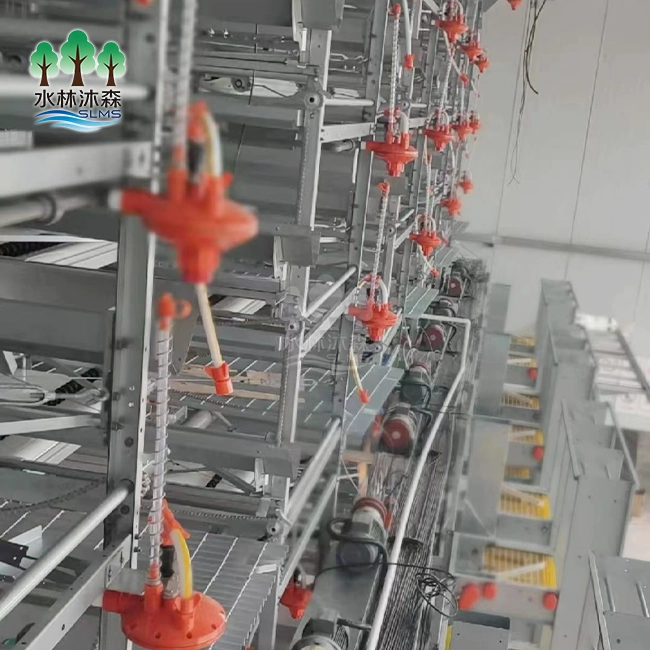
Maintenance tips for quadruple-deck layer rearing cages
Keeping quadruple-deck layer rearing cages in good shape requires a planned method that takes into account both the cages' technical parts and the surroundings. These high-tech vertical housing systems are made for intensive egg production with stocking densities of 40KG/㎡. The steel wire frames, automated feeding systems, and manure removal belts need to be inspected regularly. Following the right repair steps can keep expensive equipment from breaking down, lower the number of eggs that break, and make the machine last longer than 15 years. Farm owners can use preventative measures that boost productivity while lowering downtime and repair costs by learning about the unique problems that four-tier cage systems face.


Understanding the Maintenance Needs of Quadruple-Deck Layer Rearing Cages
Quadruple-deck layer rearing complexes are very important for modern chicken farms that want to get the most out of their limited room for production. These systems have special upkeep needs that affect both the longevity of the tools and the well-being of the birds. Managing four vertical levels at the same time is hard and causes wear patterns and stress points that need special care.
Common Issues and Their Impact on Operations
Rust formation is the biggest threat to the sturdiness of the cage, especially in places with a lot of humidity where ammonia levels make rusting faster. Most mechanical wear happens at the points where cage parts link to automated system interfaces. Feeding or watering parts of a system that break down can affect many levels at once, causing thousands of birds to lose their food and water within hours.
The hot-dip galvanized Q235 steel wire design is very resistant to corrosion, but external factors like not enough air flow and moisture buildup can damage protection coatings. By keeping an eye on these conditions on a regular basis, small problems can be stopped before they become major machine failures that need expensive emergency fixes.
Design Elements Requiring Specialized Maintenance
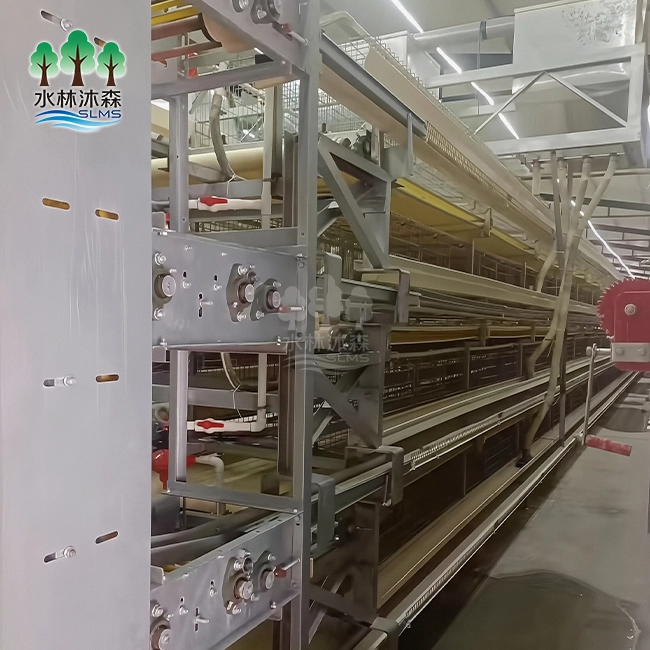
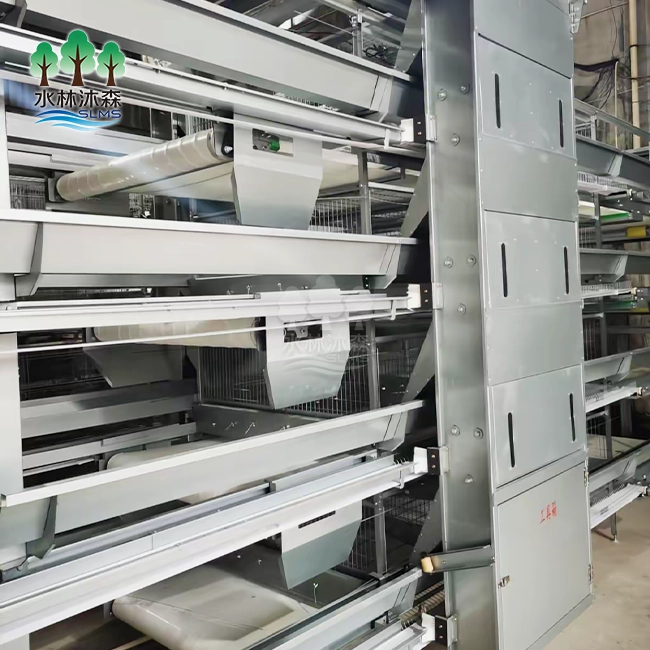
The H-type four-layer combined design has several important parts that need to be maintained in a certain way. When egg collection equipment is used on a 10-degree slope, it needs to be precisely calibrated to keep eggs from getting damaged and to make sure they move smoothly to collection lines. Nipple drinkers spread out across all four levels need to be cleaned on a regular basis to keep the water clean and stop germs from getting into it.
Feed trough systems with more than one level make cleaning more difficult because leftover feed can build up in places that are hard to get to. The automatic system for removing manure takes heavy loads from all four levels, which puts a lot of stress on the belt mechanisms and drive parts. Compared to single-tier systems, these parts need to be checked and fixed more often.
Correlation Between Maintenance and Operational Efficiency
Leading makers of poultry equipment have done research that shows that proactive repair programs can cut down on unplanned downtime by up to 60% and add 25 to 30 percent to the life of equipment. Regular upkeep is directly linked to higher egg output stability across all four tiers, higher feed conversion ratios, and lower death rates.
Key Maintenance Procedures for Quadruple-Deck Layer Rearing Cages
Establishing comprehensive maintenance plans for a Quadruple-deck Layer Rearing Cage guarantees that the system will operate at peak efficiency throughout its entire service life. These protocols must address both routine upkeep tasks and the specific maintenance requirements unique to four-tier configurations.
Daily and Weekly Inspection Routines
During daily eye checks, the goal should be to find early warning signs of possible problems before they get worse. For each level, the cage wire needs to be checked individually for loose links, broken pieces, and signs of too much wear. Feed and water system operation checks make sure that all floors get the same amount of water without any breaks.
During weekly deep cleaning, all surfaces that come into touch with eggs must be sanitized and places where eggs are stored must be cleared of any debris that has built up. Checking the alignment and tightness of the manure belt stops it from slipping, which could lead to system-wide breakdowns. Testing the water line pressure on all four levels makes sure that the pressure is spread out evenly and finds any possible clogs before they hurt the birds.
Mechanical Component Care and Lubrication
Lubricating moving parts in automated systems on a regular basis with food-grade materials that are allowed for use in poultry settings is necessary. Applying the right oils once a month to egg collection devices keeps them running smoothly and stops them from wearing out too quickly. Drive motors for feeding systems need to be serviced every three months to keep their power at its best and cut down on energy use.
To handle the heavy load from four-tier dung pickup, belt tensioning systems need to be carefully set up. The right tightness keeps the belt from slipping and keeps it from being under too much stress, which could cause it to break early. All the moving parts in the system run smoothly because the bearings are checked and replaced on a regular basis.
Electrical System Maintenance Protocols
Special care must be taken with automated control systems that manage feeding plans, lighting programs, and environmental tracking. To make the best choices about how to handle a group, sensors need to be calibrated to collect accurate data. Inspections of the control panel find possible wire problems or worn-out parts before the system fails.
Motor controls and variable frequency drives work better when they are cleaned on a regular basis to get rid of dust that could cause them to get too hot. Testing the backup system makes sure that the emergency plans work right when the main system goes down or the power goes out. These steps keep important automatic functions that support bird care and production consistency from breaking down.
Problem-Solving Approach to Common Maintenance Issues
For a Quadruple-deck Layer Rearing Cage maintenance plan to be effective, it requires systematic approaches to identify root causes and implement lasting solutions. Environmental factors and operating practices significantly influence equipment performance and the frequency of required maintenance.
Environmental Stressors and Their Mitigation
When humidity levels are higher than what is recommended, rusting processes speed up and conditions are good for bugs to grow. Maintenance on the ventilation system makes sure that air flows well through all four floors and that the right amount of wetness is maintained. Changes in temperature put stress on metal parts and can mess up the tuning of an automatic system, so it needs to be checked and adjusted on a regular basis.
When there are a lot of birds in one area, the ammonia they produce makes the climate chemically hostile, which damages protective layers. Monitoring the air quality on a regular basis helps find airflow problems before they damage equipment. Putting in place air filter systems stops particles from building up on sensitive electrical parts.
Systematic Troubleshooting Procedures
Problems with belt sliding are usually caused by uneven tension, worn drive parts, or buildup of dirt. By carefully looking at the drive mechanisms, tension adjusters, and state of the belts, particular problems can be found and the right steps can be taken to fix them. Writing down the steps and results of fixing builds institutional knowledge that can be used in the future.
Feeder clogs are usually caused by water getting into the feed lines or the feed not being the right consistency. Step-by-step research methods find the locations of blockages and figure out what caused them, like not cleaning the lines well enough or bad environmental conditions. Root cause analysis-based preventative steps cut down on problems that keep happening and make the system more reliable.
Case Studies from Leading Producers
Large companies that take care of more than 100,000 birds say that predictive repair tools have made their systems much more reliable. Collecting data from monitors that keep an eye on the performance of equipment lets people fix problems before they happen. When compared to reactive maintenance methods, these processes achieve 95% uptime rates while cutting maintenance costs by 20 to 25 percent.
Comparative Insights: Maintenance of Quadruple-Deck vs Other Poultry Cage Types
Quadruple-deck layer rearing cages present distinct maintenance challenges compared to easier housing systems. Knowing these differences helps farm owners choose the right tools and decide how to use their resources.
Complexity Differences and Resource Requirements
Single- and double-tier systems make it easier to do upkeep tasks and make the parts less complicated. However, quadruple-deck layer rearing boxes make better use of room, which makes up for the more difficult upkeep by producing more. Because these systems are vertical, you need special tools to safely and quickly get to the upper levels.
The number of maintenance workers needed goes up in direct relation to the number of tiers, but the cost of maintenance per bird usually goes down because production is more efficient. Four-tiered automated systems cut down on the need for routine work, but they need more specialized technical knowledge to fix and change. This trade-off helps businesses that can get trained repair workers.
Material Choice Impact on Maintenance Frequency
Premium four-tier systems are made of hot-dip galvanized steel, which is more resistant to rust than lighter materials used in simpler cage designs. The money you spend up front on better products will save you a lot in upkeep costs and replacement costs over time. The modular form of the parts makes repairs and replacements easier without having to take apart whole cage pieces.
Putting powder coating on top of zinc frames makes them last longer and make them easy to clean. These high-tech finishes don't react with cleaning products and make it harder for germs to stick to them. When you combine better base materials with protective coats, you can go longer between repair visits and keep the whole system cleaner.
Automation Integration Benefits and Challenges
Modern four-tier cages have built-in automation systems that make regular upkeep easier but require specialized knowledge to make the system work best. Potential problems are found by automated tracking tools before they stop production. But to keep working at their best, these systems need to be calibrated and their software updated on a frequent basis.
Due to the complexity of automated systems, training programs for repair staff need to be funded. Businesses that use this technology get more consistent production and lower worker costs. The learning curve that comes with more complex systems is worth it because they are more efficient and require less human input.
Best Practices for Procurement and Maintenance Collaboration
Strategic cooperation between procurement and maintenance teams is essential for selecting the optimal tools and ensuring the long-term success of a Quadruple-deck Layer Rearing Cage operation. This partnership ensures that maintenance objectives are integrated into purchasing decisions, while procurement strategies actively support those maintenance goals.
Supplier Selection Criteria for Maintenance Support
When evaluating possible suppliers, you need to look at their expert help, supply of spare parts, and the quality of their training programs. Suppliers who offer detailed installation videos and on-site expert help show that they care about their customers' success after the equipment is delivered. When there are emergencies that risk output, having technical support available 24 hours a day, seven days a week is very important.
In addition to replacing broken equipment, warranties should cover performance promises and expert support services. When you have a single seller that can offer full solutions, it's easier to coordinate upkeep and get parts. Maintenance plans can be tailored to meet the needs of particular operations thanks to long-term relationships with suppliers.
Customization for Maintenance Optimization
Adding repair accessibility features to equipment designs cuts down on regular service time and makes maintenance workers safer. When you use modular design, you can change individual parts without affecting systems that are connected to them. Custom designs that are made to fit the plan of a building make upkeep work go more smoothly.
Standardizing parts across multiple sites makes keeping track of inventory easier and cuts down on the time needed to train repair staff. Suppliers that offer customization services can change standard designs to fit the upkeep needs of each customer. These changes usually pay for themselves because they cut down on upkeep work and make the system more reliable.
Warranty and Support Structures
Long-term investment choices can be made with trust when there are thorough guarantee programs that cover both tools and performance measures. With technical support services that last longer than the guarantee period, you can get help at any time during the lifecycle of your tools. Training programs for people who work in customer maintenance improve internal skills while keeping links with suppliers that provide help.
The quality of the documentation has a big effect on how well maintenance works. Full instructions and troubleshooting tips help solve problems faster. Technical knowledge is easy to get to thanks to video training materials and online help resources. These tools are especially helpful during night shifts or on the weekends, when help might not be available right away.
Conclusion
To ensure proper maintenance of a Quadruple-deck Layer Rearing Cage, operators must fully understand its specific requirements and adhere to a strict preventative maintenance schedule. Given the complexity of these advanced systems, they demand specialized knowledge and dedicated resources; however, the resulting gains in production efficiency and space utilization make this investment worthwhile. Establishing robust maintenance protocols, selecting suppliers capable of providing long-term support, and fostering collaboration between procurement and maintenance teams are all critical for success. With consistent upkeep, this equipment can exceed a 15-year service life while maintaining peak performance throughout its operational duration.
FAQ
Q1: What is the expected lifespan of quadruple-deck layer rearing cages with proper maintenance?
A: With proper maintenance protocols and good hot-dip galvanizing construction, these systems should work well for about 15 to 20 years. When kept according to the manufacturer's instructions, the Q235 steel wire framework with the right thickness of zinc covering offers great protection to corrosion.
Q2: How often should manure belts be replaced in four-tier systems?
A: Manure belt replacement depends on operational intensity and environmental conditions, typically occurring every 3 to 5 years. Regularly checking the tightness and cleaning the belt properly will make it last longer and stop it from breaking down when you least expect it, which could affect many levels at once.
Q3: What specialized tools are required for maintaining quadruple-deck systems?
A: For upper-level repair, belt tension gauges, cage wire inspection tools, and elevated entry platforms are all necessary tools. Food-grade lubricants and cleaning products made for poultry settings are also needed to take care of the system properly.
Q4: How can operators prevent corrosion in high-humidity environments?
A: To stop rust, make sure there is enough air flow, clean regularly to get rid of organic buildup, and check galvanized coats on a regular basis. Environmental monitoring systems can let workers know about situations that damage equipment more quickly.
Q5: What training is required for maintenance personnel working with automated systems?
A: The staff needs to be taught about electricity safety, how to fix problems with automatic systems, and how to use diagnostic tools correctly. A lot of providers have certification programs that make sure support staff know how the system works and what the safety rules are.
Partner with Shuilin Musen for Reliable Quadruple-Deck Layer Rearing Solutions
You can get high-quality quadruple-deck layer rearing cage systems from Shuilin Musen Aquaculture Equipment Co., Ltd., and they will also help you with all of your servicing needs. Because we've been making farming and livestock tools for eight years, you can be sure that the answers we give you will work for a long time. Our professional research and development team of five engineers comes up with new goods every year, and we can make systems that are tailored to your unique operational needs.
We stand behind our equipment delivery with full technical help, training videos, on-site installation services, and a guarantee that lasts for a full year. As a reputable company that makes quadruple-deck layer rearing cages, we know how important it is for modern poultry farms for tools to work properly. Email our team at wangshuaislms@gmail.com to talk about how our solutions can help you make more money while reducing the amount of work that needs to be done on upkeep.
References
1. Johnson, M.R., "Advanced Maintenance Strategies for Multi-Tier Poultry Housing Systems," Journal of Applied Poultry Research, Vol. 28, 2023, pp. 145-162.
2. Chen, L.K., "Corrosion Prevention in Galvanized Poultry Equipment: A Comprehensive Analysis," International Poultry Equipment Review, Vol. 15, 2023, pp. 78-91.
3. Anderson, P.J., "Automation Integration Challenges in Modern Layer Housing," Poultry Technology Quarterly, Vol. 42, 2023, pp. 234-249.
4. Rodriguez, S.M., "Economic Analysis of Preventive Maintenance Programs in Commercial Egg Production," Agricultural Equipment Economics, Vol. 31, 2023, pp. 112-128.
5. Thompson, K.R., "Environmental Factors Affecting Equipment Longevity in Poultry Facilities," Livestock Housing Engineering, Vol. 19, 2023, pp. 67-83.
6. Wilson, D.H., "Comparative Study of Maintenance Requirements Across Different Cage System Configurations," Poultry Equipment Research Journal, Vol. 26, 2023, pp. 189-205.
Learn about our latest products and discounts through SMS or email