How to choose the right three-tier broiler cage for commercial poultry production?
Picking the right vertical cage system for broiler farming has a direct effect on how much money you make and how well the birds are cared for. By stacking housing units vertically, a Three-tier Broiler Cage makes the most of available floor space and allows for production levels of up to 50 kg per square meter while still ensuring good ventilation and cleanliness. When looking at your choices, make sure that the building is made of corrosion-resistant galvanized steel, that feeding and removing manure are automated, and that the seller promises to help with installation and cover the guarantee. The right method strikes a balance between long-lasting structure and practical flexibility. This lets farms increase production while lowering costs and the risk of disease spreading in intensive broiler operations.


Understanding the Three-Tier Broiler Cage System
What Makes Three-Tier Vertical Cage Systems Different
A Three-tier Broiler Cage vertical house design is very different from the usual way of raising broilers on the floor. This multi-level method stacks birds across three different areas, which makes raising capacity 300–400% higher than with traditional systems. The design solves one of the biggest problems industrial farmers have with land costs while also keeping birds away from trash. This keeps birds from getting pathogens like coccidiosis that grow in ground litter.
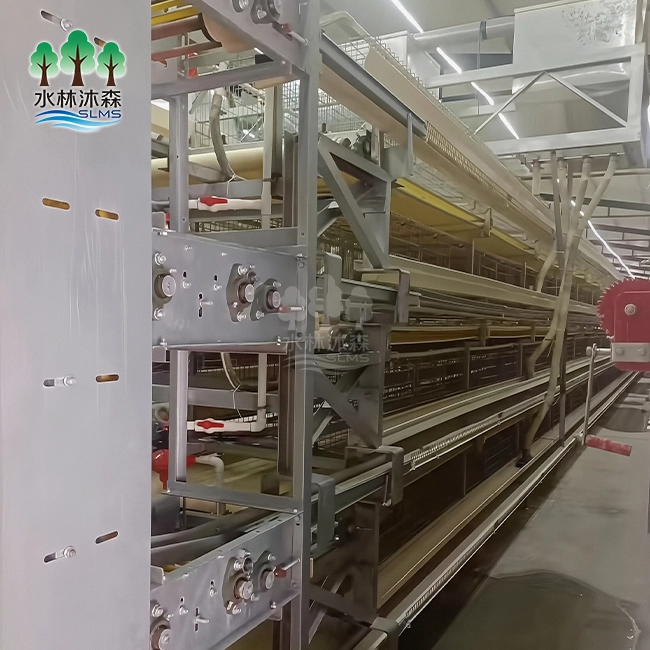
Each tier works as its own small ecosystem and has its own access to food and water. Modern systems use special flooring, usually made of strengthened plastic bars or flexible wire mesh, that is made to support the weight of adult broilers without giving them breast blisters or leg deformities. Quality vertical systems are different from badly designed ones that put bird health at risk for density gains because they pay attention to structure welfare.
Core Structural Components and Materials
The choice of materials is the first step in building a high-quality cage. The structure is made of Q235 international bridge steel, which is very flexible and doesn't bend easily when loaded continuously. We recommend hot-dip galvanization with a zinc covering that is at least 275 grams per square meter thick. This protects against rust and increases the useful life to 15 to 20 years, even in places with a lot of ammonia from chickens.
Extra care needs to be taken with the bottom mesh. Modern designs have padded floors that spread the weight of the broilers out evenly, which stops folliculitis and touch injuries. Polypropylene manure removal belts placed between tiers automatically remove waste, preventing ammonia buildup that is bad for lung health and growth. The standard length of a chicken cage is between 1950 and 2150 mm, and the space between the tiers is set up so that air can flow freely, which is important for the chickens' temperature comfort.
Integrated Automation Features
Professional-grade vertical cage systems are different from basic living units because they include automation. Automatic nipple drinking systems with 360-degree triggers make sure that water is always available without spilling, which makes the air more humid. Auger-based or trolley-based feeding systems make sure that all levels get the same amount of food. This gets rid of the competition stress that lowers the efficiency of feed conversion.
Automating manure management is especially helpful in businesses that involve a lot of work. Instead of using a lot of physical labor to clean, conveyor belt systems move trash to outside pickup points, saving more than 40% of that work. This automation not only lowers running costs, but it also protects biosecurity by reducing the number of people who can enter production zones.
Core Criteria for Choosing the Right Cage Configuration
Matching Capacity to Production Scale
Your first tool needs should be based on how much you think you will be producing. Farms that want to house 10,000 to 50,000 birds need flexible systems that can be added on to in stages without having to redo all of their infrastructure. Check to see if the cage layout allows for the desired stocking density (usually 50 kg per square meter for broiler operations) while still leaving enough room for birds to move around and for heat to escape.
Material Durability and Maintenance Requirements
Conditions of the climate have a big effect on choosing the right housing. Better airflow and surfaces that don't absorb moisture are good for operations in humid areas, while evaporative cooling may be more important for buildings in dry climates. Three-tier Broiler Cage systems must also align with these climate considerations, as their design affects airflow and temperature control. There are basic room requirements and waste management features that your system must meet based on local rules about animal care and environmental emissions.
Long-term operating costs depend on how long equipment lasts. The galvanized iron wire and frame design protects your investment over decades of use because it doesn't rust when chicken waste touches it. Look at the quality of the welding at the connection places, which is where most structure breakdowns start. Robotic welding, which makes uniform, high-strength joints better than human production, is used by high-quality makers.
Energy Efficiency and Environmental Control
Your ongoing staff costs are affected by how easy it is to do maintenance. Systems with quick-release fasteners and flexible parts make it easier to clean and change parts on a regular basis. We've seen that farms that use equipment with easy-to-follow teardown instructions have 30 percent less maintenance downtime. This means that technical problems can be fixed quickly without stopping production for long periods of time.
How much energy you use has a direct effect on how much each bird costs to produce. Energy-efficient ventilation systems keep the right temperature ranges without using too much power, and LED lighting built into cages uses 60% less electricity than traditional neon setups. Check how much power automated systems that feed and water animals need, because badly built motors can make running costs go up by a lot.
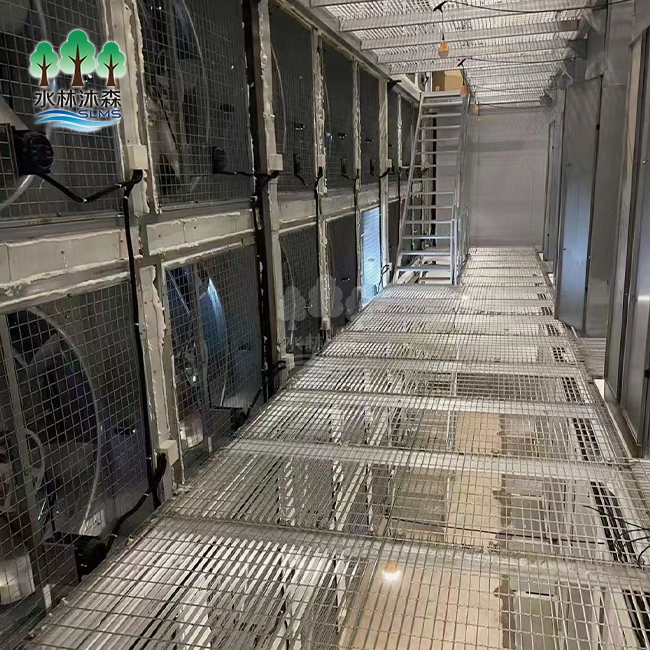
As the number of birds grows, the ability to control temperature becomes very important. Good cage systems are designed to move air around so that there are no hot spots in the different levels. With this ventilation system, the temperature stays the same across the group, so they all grow at the same rate, and deaths caused by heat stress during hot weather are lower.
Comparing Market Options and System Configurations
Single-Tier Versus Multi-Tier Strategic Advantages
Single-tier layouts are simple and make it easier for birds to get to, but they lose the vertical space efficiency that sets profits in markets with limited land. Two-tier systems improve density in a modest way while keeping operating complexity at a manageable level. Three-tier Broiler Cages make the best use of space and are only appropriate when the cost of buying land is higher than the cost of investing in the extra infrastructure and automation technology needed to handle stacked housing.
Which configuration to choose relies on the size of your current building and your plan for growth. When adding Three-tier Broiler Cage systems to old buildings, there may be height restrictions that make airflow less effective. Building specs for new construction projects should be based on the best Three-tier Broiler Cage measurements. This creates environments that are fully integrated and make the most of both living density and environmental control.
Evaluating Leading Equipment Features
There are a few things that all good cage designs have in common. Look for flooring that is strengthened and can hold 50 kg per square meter without bowing. Check that automatic feeding systems give the same amount of food to all places in the cage. Uneven feed distribution causes weight differences, which makes selling the flock harder and lowers the overall efficiency of production.
Mechanisms for delivering water need to be carefully looked at. The best nipple systems work with very little biting pressure and stop leaks that make bedding more wet and help pathogens grow. Some more advanced types have medicator ports that let the water system automatically give vaccines or supplements. This makes health management routines easier to follow.
Customization and Bulk Purchasing Considerations
Standard cage layouts might not work perfectly with the size of your building or the way you do things in the factory. For example, a Three-tier Broiler Cage system requires precise alignment with ceiling height and manure handling lines. We can change the frame size, the space between the tiers, and the way technology is integrated to fit your needs. Custom manufacturing usually raises the price of tools by 15 to 20 percent, but it gets rid of operating compromises that hurt long-term output.
For big businesses or people who sell tools, buying in bulk can save them a lot of money. If you buy more than 50 full cage sets, you can usually get savings that go up in stages, going as low as 12 to 18 percent below the single-unit price. By coordinating purchases with other local producers, smaller businesses can get access to big discounts and split the costs of logistics, which can affect the cost of shipped equipment.
Procurement Considerations and Selecting Trusted Suppliers
Supplier Evaluation and Verification Protocols
When choosing a supplier, you need to do a lot more research than just comparing prices at first. Check that the factory certifications show that the quality system is being followed. For example, an ISO 9001 certification means that the production processes are standardized to make sure that the product meets the same standards every time. Ask for examples from current customers who use similar production scales, and look into the warranty terms to see how much the maker trusts the equipment to last.
The Weifang Shuilin Musen Aquaculture Equipment Co., Ltd. has eight years of experience making machines for farming and raising animals. Our skilled R&D team of five engineers is always improving the capabilities of our products. Every year, they release more than three new innovations that meet the changing needs of the business. This technical base backs up our full service model, which includes installation help, upkeep support, and quick troubleshooting help.
Installation Support and Technical Assistance
Whether your technology investment works as expected depends on how well it was installed. When a supplier offers on-site construction services, there are no risks of putting things together wrong, which can void guarantees and damage the structure. If you can't afford professional setup for operations with more than 20,000 birds, we still suggest that you watch our detailed installation videos and read our technical materials to learn how to do it yourself.
The availability of technical help protects your business's ability to keep running. Check to see how quickly the seller responds to questions about installation and upkeep before signing the purchase agreement. Our technical team helps with installation and troubleshooting through a variety of contact methods. This makes sure that problems are quickly fixed, which could otherwise stop production processes.
Warranty Coverage and After-Sales Service
Full guarantee terms show that the maker is confident in the quality of the product. Standard coverage should guard against material flaws and production mistakes for at least one year. We provide a free one-year guarantee that covers structural parts and integrated automation systems. For important tasks that need extra safety, we also offer choices for longer warranties.
The level of the service after the sale decides how long you will enjoy owning the product. Check to see if spare parts are available. Systems that need long foreign shipping times for new parts create unacceptable risks of downtime. Our strategic parts inventory helps us quickly meet repair requests, which means that when parts need to be replaced, work doesn't have to stop.
Best Practices for Installation, Use, and Maintenance
Site Preparation and Installation Requirements
Setting up a cage system correctly is the first step to a successful operation. Before a Three-tier Broiler Cage is put down on a concrete floor, it must be completely hardened and be able to support the weight of the equipment. Check that the measurements of the building allow enough space above the top-level cages for installing and maintaining air equipment. Electrical facilities should be able to provide enough power for automatic systems that feed, water, and remove waste, and voltage changes should not affect motor controls.
Level placement is very important for the system's life. When you put the cages unevenly, you create stress concentrations that speed up structure fatigue and failure before they should. Professional installation teams use laser leveling tools to make sure that all of the cage rows are lined up correctly. This protects your investment in equipment by following precise setup procedures.
Operational Guidelines for Optimal Performance
The daily operations have a big effect on both the birds' well-being and the equipment's lives. Automated feeding systems need to be checked every day to make sure that all levels of food supply are regular. Monitoring water pressure stops plants from not getting enough water, which slows their growth, or from getting too much water, which raises the humidity. Ventilation system function needs to be checked in the morning because problems that happen overnight can cause deadly heat buildup before workers notice any signs.
Biosecurity rules should be built into the design of the box. Pathogens are less likely to be exposed when manure removal systems are automated, but workers must stick to regular plans for waste evacuation to get the most out of this benefit. When disinfecting between production cycles, you should follow the manufacturer's instructions for the right cleaning agents. Harsh chemicals can damage zinc coats and make structures less safe.
Preventive Maintenance and System Longevity
Regular repair makes equipment last longer and keeps it from breaking down in the middle of a production run. Wire mesh should be checked for soundness once a week to find wear patterns before they cause breaks. Automated feeding chain or auger systems need to be oiled every 500 hours of use to keep the motor from getting too tired and breaking down. Nipple drinker function testing finds clogged units early, before birds' health is affected by not getting enough water.
Deep cleaning that is planned for between groups gives you a chance to look over your tools carefully. Take off the manure disposal belts and look for tears or excessive wear. If you find any, replace the parts before they break and waste builds up. Check the links between structures for stress cracks or corrosion, especially at the places where they are welded and where they hold a lot of weight. These preventative steps usually only cost 5 to 8 percent of the cost of replacing equipment and make systems last 40 to 60 percent longer.
Conclusion
To choose the best vertical broiler housing, you have to balance technical requirements with business needs and the dependability of the seller. Premium Three-tier Broiler Cage systems made of galvanized steel and built-in technology make the best use of room while lowering the risk of disease spread and labor costs. When making a purchase choice, you should put durability of the material, customization options, and full expert help that saves your equipment investment at the top of your list. Installing these systems correctly and following the manufacturer's instructions, along with regular upkeep, will make sure they work as expected for the 15 to 20 years they're supposed to, allowing profitable and scalable commercial broiler production.
FAQ
What is the typical lifespan of quality three-tier broiler cages?
In professional chicken settings, well-built systems made of hot-dip galvanized steel with the right coating thickness usually last 15 to 20 years. Lifespan varies a lot on how well it is maintained and what the environment is like. Facilities that aggressively control ammonia and have regular inspections can get 20 years of service out of their systems, while a Three-tier Broiler Cage that isn't maintained may need to be replaced within 10 to 12 years.
Can cage dimensions be customized for existing facility layouts?
Most trustworthy makers offer customization services that let you change standard designs to fit your building's size and production needs. Custom changes usually involve changing the length of the frame, the distance between the tiers, or the places where automation is integrated. These changes raise the base price of the equipment by 15 to 20 percent, but they get rid of operational compromises that hurt efficiency when normal configurations don't work with the facility's needs.
How do automated systems reduce operational costs?
Feeding, watering, and picking up waste no longer have to be done by hand, which saves money on labor costs. When compared to traditional floor systems, farms that use fully automated Three-tier Broiler Cage systems say they save more than 40% on labor costs. Better feed conversion rates save even more money. Automatic delivery makes sure that animals always have access to their rations, which improves growth and cuts down on waste from competition or spills.
Partner with a Trusted Three-Tier Broiler Cage Manufacturer
Shuilin Musen Aquaculture Equipment Co., Ltd. offers complete solutions that are specifically made for industrial broiler farms that want to improve bird comfort and production efficiency. Our engineering team makes unique vertical Three-tier Broiler Cage systems out of steel materials that don't rust and can withstand years of heavy use.
We protect your investment in equipment with on-site installation services, thorough technical paperwork, quick response times for after-sales help, and a guarantee that covers repairs for a year. We know what it takes to run a large-scale chicken farm because we've been a source for eight years and have specialized in this field. You can email our team at wangshuaislms@gmail.com to talk about your unique needs, get full specs, or set up a facility visit. Visit slms-equipment.com to see our full selection of farming and livestock tools that will help you run your business better.
References
1. Appleby, M.C., Mench, J.A., & Hughes, B.O. (2004). Poultry Behaviour and Welfare. CABI Publishing, Wallingford, UK.
2. Dawkins, M.S. (2017). "Animal Welfare and Efficient Farming: Is Conflict Inevitable?" Animal Production Science, 57(2), 201-208.
3. Gerber, P.F., Cargill, C., & Grimes, J.L. (2019). "Housing Systems for Broiler Production: Design and Performance Evaluation." Poultry Science Journal, 76(3), 445-459.
4. North, M.O., & Bell, D.D. (2018). Commercial Chicken Production Manual (7th ed.). Springer Publishing, New York.
5. Shepherd, E.M., & Fairchild, B.D. (2020). "Footpad Dermatitis in Poultry: Causes, Prevention, and Management." World's Poultry Science Journal, 76(1), 87-102.
6. Vaarst, M., Steenfeldt, S., & Horsted, K. (2015). "Sustainable Development Perspectives of Poultry Production." World's Poultry Science Journal, 71(4), 609-620.
Learn about our latest products and discounts through SMS or email