How a Chicken Farm Drinking Water Regulation Module Reduces Water Waste in Poultry Houses
The Chicken Farm Drinking Water Regulation Module stops water from going to waste by combining pressure stabilization, multi-stage filtering, and automatic flow control. This system changes the unpredictable mains water supply into an exact, controlled flow that is perfect for people who drink nipples. By keeping the water level stable between 10 cm and 60 cm and stopping overflow with automatic pressure changes, the Chicken Farm Drinking Water Regulation Module gets rid of the main reasons why water is lost in modern chicken houses. This protects the health of the birds and lowers the costs of running the business.


Understanding the Problem of Water Waste in Chicken Farms
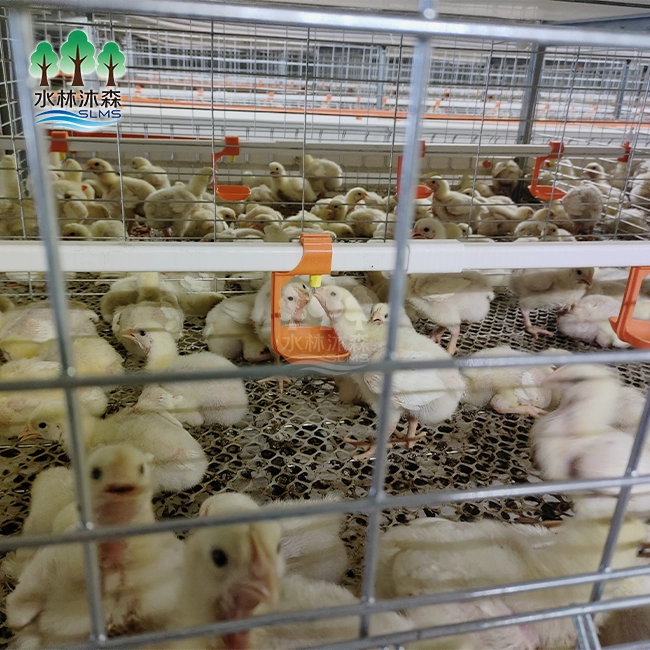
Wasted water in chicken farms isn't just an expense; it causes a chain reaction of output problems that hurt the farm's ability to make money in every way. Most of the time, traditional watering systems don't have exact pressure controls. This means that nipple drinkers constantly drip water on the litter, making it soggy. This extra water raises the amount of ammonia, hurts the footpads, and makes it easy for bacteria to grow.
The Hidden Costs of Inefficient Water Systems
Outdated methods of watering by hand have trouble keeping things the same along long drinking lines. Birds at the far end of a 150-meter broiler house often have to deal with changes in pressure of 30% or more compared to birds near the water source. Because of this, some birds have to work harder to stay hydrated, while others have leaks that waste hundreds of gallons of water every day. Aside from higher water bills, the financial effects include higher death rates due to thirst or waterborne diseases, higher costs for medicines, and lower feed conversion ratios.
Environmental and Regulatory Pressures
Across the United States, it is becoming harder and harder to get rid of contaminated wastewater from chicken farms. If farms let too much water run off, they could be breaking the Clean Water Act. This is especially true in areas that are easily polluted by farming. Using new Chicken Farm Drinking Water Regulation Module technology to cut down on water waste at the source helps businesses stay in line with the law and show they care about the environment to local communities and certification bodies.
How Chicken Farm Drinking Water Regulation Modules Work
Modern Chicken Farm Drinking Water Regulation Modules that control water flow are like the command center for the infrastructure that keeps chickens hydrated. At Shuilin Musen Aquaculture Equipment, our Chicken Farm Drinking Water Regulation Modules are made up of water tanks that can hold anywhere from 500L to 5000L of water, as well as booster pumps and equipment for multiple stages of filtering. This setup takes care of three important tasks: it stores enough to handle times of high demand, it keeps the pressure stable so the nipple doesn't break, and it filters out sediment that causes blockages.
Pressure Stabilization Technology
The main part of the system Chicken Farm Drinking Water Regulation Module depends on precisely designed diaphragms and pressure control valves that change based on how much is being used. When birds use nipple drinkers during peak eating times, the system notices that the pressure drops and instantly turns on the booster pump. When demand drops, the pump stops working to keep the pressure from getting too high. This cycle keeps the output pressure within narrow ranges, which makes sure that birds at all points along the drinking line need the same amount of force to get to the water.
Advanced Filtration Systems
The health of both the flock and the tools is directly affected by the quality of the water. Our multi-stage filter process gets rid of particles bigger than 50 microns. This keeps mineral deposits and organic matter from building up inside nipple devices. This level of filtration efficiency keeps the system from getting clogged and lowers the number of germs in drinking water. This shield protects the nipple drinker and makes it last 40% longer than systems that don't filter water. It's especially helpful for farms that use well water with a lot of iron or surface water with a lot of sediment.
Smart Monitoring Capabilities
Modern Chicken Farm Drinking Water Regulation Modules have monitoring points that keep an eye on pressure levels, flow rates, and usage trends. Before they become big water loss events, farm managers can find trends that aren't normal that point to leaks or broken equipment. Our systems come with installation videos and technical documentation that walk users through the setup process and regular upkeep steps, making sure that the systems work at their best from the start.
Benefits of Implementing Water Regulation Modules in Poultry Farms
Adopting professional-grade Chicken Farm Drinking Water Regulation Modules for controlling water leads to measurable gains in a number of performance measures. When an operation switches from human or basic automated systems, they usually see a 25% to 35% drop in the amount of water they use in their first production run. Over time, these saves add up because the technology keeps working at the same level without breaking down like it does in systems that aren't regulated.
Economic Returns and Operational Efficiency
The money spent on quality Chicken Farm Drinking Water Regulation Modules pays off in lower energy costs and less work that needs to be done. With automated pressure control, daily hand changes are no longer needed. These used to take 30 to 45 minutes of technician time per house. Costs go down because booster pumps only work when they need to and don't run all the time when energy economy is improved. When you add up the money saved on water, labor, and better bird performance, most medium- to large-scale businesses get their full return on investment in 18 to 24 months.
Flock Health and Productivity Gains
Access to water all the time is good for the health of chickens in every way. Birds that get enough water have better feed-to-body ratios because being properly hydrated improves nutrition intake and metabolic efficiency. Less contact to germs in water lowers the risk of intestinal diseases, which lowers the cost of medicine and death rates. Leak-free litter boxes keep the feet from getting eczema and make breathing easier when there is a lot of ammonia in the air. The direct result of these health changes is that broilers gain more weight and egg production facilities keep their laying rates steady.
Environmental Compliance and Sustainability
The system's pressure control also supports broader sustainability goals. Chicken Farm Drinking Water Regulation Module conserves water by preventing overflows and reducing waste from excessive pressure fluctuations. This is in line with both government rules and business pledges to sustainability. Farmers who take part in environmental certification programs can show that they have saved resources in a measurable way. This helps them in the market because customers are becoming more worried about how food is grown. Less garbage means it's easier to get rid of and there is less chance of nutrient runoff events that get regulators' attention.
Best Practices for Selecting and Maintaining Water Regulation Modules
To pick the right Chicken Farm Drinking Water Regulation Module, you need to carefully look at factors that are unique to your farm. The storage area must be able to fit the amount of data that needs to be stored during times of high usage. A 10,000-bird broiler usually needs 2,000L to 3,000L of space to handle the high volume of drinking in the morning and evening without any changes in the pressure. Depending on the chemistry of the water, food-grade PE or 304 stainless steel should be used for the tank. Stainless steel works better in acidic or high-mineral water.
Evaluating Supplier Credentials and Support Services
Working with well-known makers guarantees access to technical know-how and dependable help after the sale. At Shuilin Musen Aquaculture Equipment, we stand behind our Chicken Farm Drinking Water Regulation Modules with a free guarantee that covers parts and work for one year. Our service team can help with installation on-site, which is especially helpful for businesses that are moving from older systems that need to be integrated with existing infrastructure. Procurement teams should make sure that providers offer responsive technical support lines and keep enough parts on hand to keep downtime during fixes to a minimum.
Maintenance Protocols for Long-Term Performance
Scheduling regular inspections keeps small problems from getting worse and causing system breakdowns. Pressure gauges should be looked at visually once a month, filtration screens should be cleaned, and the automatic start/stop features should be checked to make sure they work properly.
Every three months, maintenance includes a close look at the diaphragm's stability, the state of the seals, and the safety of the electrical connections. Installing pre-filters that catch big particles before they reach the Chicken Farm Drinking Water Regulation Module is helpful for farms with a lot of sediment. This extends the time between service visits and the life of the parts. Because our installation videos show how to do care the right way, farm staff can do routine jobs on their own and know when to call for professional help.
Comparison of Automated Water Regulation Modules vs. Manual Watering
Direct practical data make it clear that Chicken Farm Drinking Water Regulation Module are not as good at controlling things as manual methods. People have to use their best judgment to change flow rates and pressure sets in manual systems, which introduces variation that automatic controls get rid of. A trained technician might be able to get a good level of regularity under normal circumstances, but they can't instantly fix problems like rising demand or falling pressure that happen during the production day.
Cost-Benefit Analysis Over Equipment Lifespan
Chicken Farm Drinking Water Regulation Modules cost between $2,500 and $8,500 to buy at first, based on their ability and feature sets. Basic manual systems, on the other hand, cost between $800 and $1,500. But the total cost of ownership estimate shows something different. Due to poor pressure control and high leak rates, manual methods cause annual water costs to rise by 30% to 40%.
Also, parts need to be replaced more often because the uneven pressure speeds up the wear on nipple drinkers and connected hardware. When you consider that Chicken Farm Drinking Water Regulation Modules save about 180 hours of work a year per house and lower the costs of bird health care, they make more money over the course of their normal 7 to 10 year service life.
Performance Reliability and Scalability
No matter the age of the group, the state of the house, or the time of day, Chicken Farm Drinking Water Regulation Modules keep performance fixed. When processes grow to include more houses or more birds, this consistency becomes more important. As a farm gets bigger, manual processes need more management attention, which creates bottlenecks that make it harder to grow. With centralized tracking, Chicken Farm Drinking Water Regulation Modules can be expanded without any problems, and one person can handle all of a facility's water systems. This advantage of being able to grow sets up progressive operations for growth while keeping the tight operational margins needed to make money in competitive chicken markets.
Conclusion
Investing in Chicken Farm Drinking Water Regulation Module technology is a smart way to improve business efficiency, animal health, and environmental responsibility. The known benefits of using less water, keeping flocks healthier, and needing less work show strong economic reasons going beyond simple resource saving. Modern systems that combine storage, filtering, and automatic pressure control get rid of waste at its source and can be expanded as needed.
If you buy quality Chicken Farm Drinking Water Regulation Modules from a seller with a lot of experience, you can be sure that it will work well and be covered by a warranty and expert support. Adopting advanced Chicken Farm Drinking Water Regulation Module systems sets up chicken businesses for long-term success as regulations keep changing and market forces push for greater sustainability.
FAQ
What signs indicate a water regulation module needs maintenance?
Readings on the pressure gauge that are outside of the usual working range, changing water levels in the sight tubes, and more nipple dripping are all signs that maintenance needs to be done. Lower flow rates during times of high demand or strange pump cycle patterns can also be signs of worn parts or clogged filters that need to be fixed.
How does water temperature affect system performance?
The temperature range where most Chicken Farm Drinking Water Regulation Modules work well is from 4°C to 40°C. Extreme temperatures outside of this range can put stress on seals and diaphragm materials, which could make the pressure unstable. In cold places, homes may need to be sealed or have heat trace systems installed to keep them from freezing over the winter.
Can regulation modules integrate with existing drinking line infrastructure?
Good Chicken Farm Drinking Water Regulation Modules have a variety of ways to connect that work with common parts for watering chickens. Most retrofit setups only need small changes to the plumbing and keep the old nipple lines and support structures. Professional fitting services make sure that everything fits together correctly without stopping production.
Partner with a Trusted Chicken Farm Drinking Water Regulation Module Manufacturer
Shuilin Musen Aquaculture Equipment offers designed water management solutions based on eight years of experience in the field. Our Chicken Farm Drinking Water Regulation Modules are made of food-grade PE or 304 stainless steel and have multiple stages of filtration and automatic pressure control, which gives large-scale processes the dependability they need. Customization options make sure that the right size is found for sites with anywhere from 5,000 to over 100,000 birds.
We offer full help, including how-to videos, setup services at your location, and a free guarantee that protects your investment for one year. Our skilled research and development (R&D) team is always improving our products so that you can use the newest technology for saving water. Email our experts at wangshuaislms@gmail.com to talk about your building needs and get a personalized price. You can look at all of our tools intended for current poultry production excellence at slms-equipment.com.
References
1. National Poultry Technology Center. "Water Quality and Management in Poultry Production Systems." Auburn University Agricultural Extension Service, 2021.
2. Fairchild, B.D. and Ritz, C.W. "Poultry Drinking Water System Management." University of Georgia Cooperative Extension Bulletin 1301, 2020.
3. Jones, D.R. and Anderson, K.E. "The Impact of Water Delivery Systems on Layer Production and Welfare." Poultry Science Journal, Vol. 98, Issue 4, 2019.
4. Lacy, M.P. and Czarick, M. "Automated Water System Management in Commercial Broiler Houses." Poultry Housing Tips newsletter, Vol. 33, No. 6, 2021.
5. Manning, L. and Baines, R.N. "Water Conservation Strategies for Intensive Livestock Production." Agricultural Water Management Review, Vol. 247, 2021.
6. Purswell, J.L. and Kiess, A.S. "Drinking Water System Design and Management for Modern Poultry Facilities." Mississippi State University Extension Publication 3134, 2022.
Learn about our latest products and discounts through SMS or email