How to improve biosecurity in automated chicken farming systems
Improving biosecurity in automated chicken farming systems starts with addressing one of the most critical vulnerability points: manure management. Chicken Farm Automatic Manure Handling System addresses this directly, as automated waste removal solutions dramatically reduce pathogen exposure by minimizing human contact with contaminated material and ensuring continuous removal of disease vectors from the poultry environment.
A Chicken Farm Automatic Manure Handling System represents a fundamental upgrade to traditional hygiene protocols, combining scraper mechanisms and conveyor belt technology to eliminate waste before harmful bacteria like E. coli and Salmonella can proliferate. This proactive approach creates a cleaner, healthier environment for your flock while simultaneously cutting labor demands by over 60%, allowing your team to focus on monitoring bird health rather than manual waste removal tasks.


Understanding Biosecurity Challenges in Chicken Farming
When biosecurity fails in chicken farms, it's usually because of bad waste management. When manure builds up in housing facilities, it makes a great place for pathogens to grow, which is bad for both the health of the birds and the business's bottom line. When you clean by hand, there are a few places where you could get sick: workers moving between dirty and clean areas, removal schedules that aren't always followed, and physical contact with germs that raises the risk of spreading disease.
The Hidden Costs of Traditional Manure Management
Getting rid of trash by hand comes with a lot of risks that go beyond the clear cost of labour. Every time a worker goes into the coop to scrape or shovel waste, they might bring in outside germs on their clothes, shoes, or tools. Cleaning by hand is hard on the body, and it makes schedules less reliable because when workers are tired or short-staffed, trash piles up longer than biosecurity rules allow. Because of this, there are times when your group is more likely to get sick, ammonia levels rise, and their lung health gets worse.
Pathogen Proliferation in High-Density Operations
Large chicken farms with thousands to over 100,000 birds face hygiene problems that are ten times worse. In these places, even small mistakes in getting rid of trash can quickly spread disease through the whole process. Animals that are exposed to faeces for long amounts of time are more likely to get avian influenza, Newcastle disease, and coccidiosis. When you add up the costs of treating the disease, putting people in quarantine, and the money lost from birds during an outbreak, it can easily be more than the yearly budget for cleaning.
Automation as a Strategic Biosecurity Solution
Changing from manual to automated waste management completely changes how you handle biosecurity. Automatic systems work on set plans that aren't affected by human factors. They get rid of trash at regular times that stop pathogens from establishing themselves. Cross-contamination risks are lower in places where chickens live because fewer people are walking through them. Also, the constant removal of waste keeps ammonia and hydrogen sulphide emissions at levels that are good for lung health instead of bad.
Core Components of Automatic Manure Handling Systems in Chicken Farms
Knowing how automated waste systems are put together technically helps you make smart purchasing decisions that meet your specific biosecurity needs. Modern systems use a lot of different technologies to make complete waste management solutions that can be changed to fit the needs of different facilities and flock sizes.
Manure Scraper and Conveyor Belt Technologies
Two processes that work together are the building blocks of successful automated trash removal. Strong blades on scraper systems move under cage systems, picking up trash and pushing it toward collection points automatically. These scrapers work especially well in A-frame cages and buildings that have been updated and don't have enough room for other choices. The blades are usually made of galvanised steel or stainless steel, which don't rust when exposed to the acidic waste from chickens.
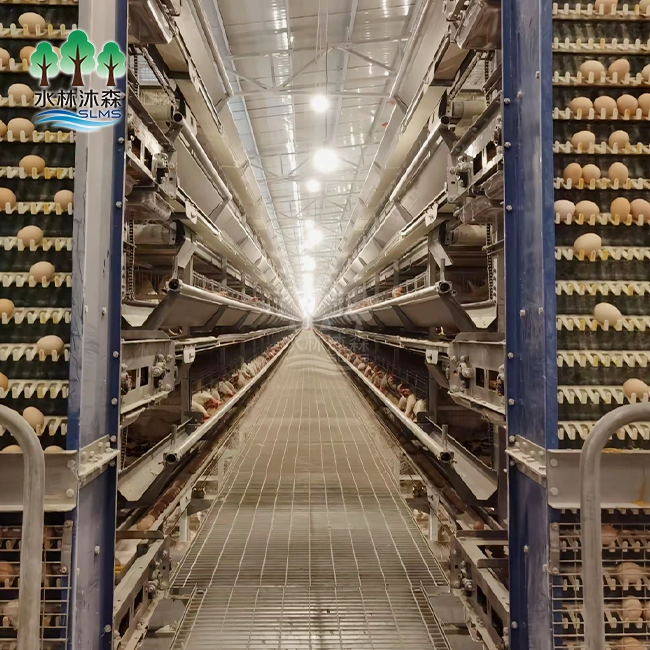
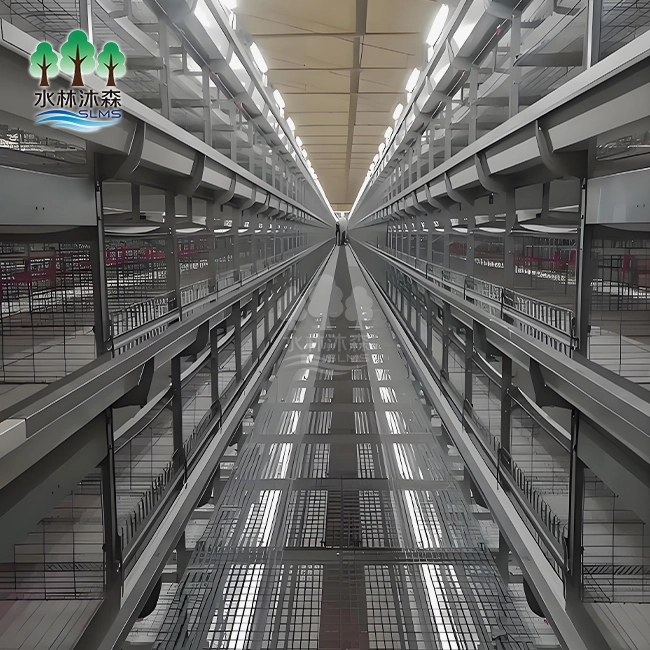
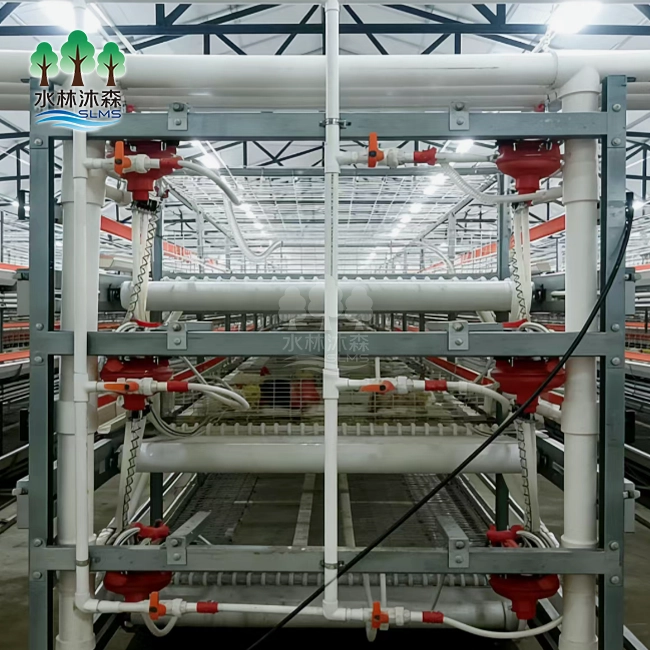
When managing vertical space is important in multi-tier battery cage operations, conveyor belt systems can help. Under each cage level, high-quality polypropylene belts move trash constantly to cross conveyors at the facility's ends. These belts work better with liquid or mostly liquid waste that comes up in hot weather or when someone is having stomach problems. They keep the waste from spreading, which can happen with scraper systems.
Comparing Drive Mechanisms and Energy Efficiency
Chicken Farm Automatic Manure Handling System significantly influences long-term operational costs and maintenance needs, which are greatly affected by system drive mechanisms. When compared to hydraulic options, electric motor systems with copper motors offer consistent torque output while using less energy. These motors usually have IP55 ratings for resistance to dust and water, which keep the inside parts safe from the tough climate of a chicken coop. Electric systems also make upkeep easier because they don't need to handle hydraulic fluid or worry about contamination from hydraulic leaks.
The type of power your building has and how big it is should affect the choice of drive methods you make. Larger facilities that deal with the waste of more than 50,000 birds may find that electric systems are more cost-effective per bird, while smaller facilities may choose other setups because they are easier to set up.
Essential Features for Biosecurity Compliance
Biosecurity success is directly linked to how long equipment lasts, since system failures create instant hygiene risks. High-end automated systems have frames made of hot-dip galvanised steel with zinc coatings that weigh more than 275g/m². This means that the systems will last for 15 to 20 years, even if they are constantly exposed to waste products that are acidic. The materials that make up the belts must be able to withstand uric acid damage and stay flexible in temperatures ranging from -30°C to room temperature.
Another important biosecurity feature is how easy it is to clean. During all-in-all-out production cycles, your team needs to clean all equipment surfaces very well to keep pathogens from spreading from one flock to the next. Systems with easy-to-reach drive wheels, belt parts that can be removed, and electrical housings that can be cleaned with high-pressure water greatly cut down on sanitation time while improving cleaning effectiveness.
Implementing Automated Manure Handling for Biosecurity Enhancement
The strategic application of automated waste systems determines whether they fully protect biosecurity or become investments that aren't used to their full potential. Long-term success is built on a measured approach to evaluation, selection, and installation.
Initial Facility Assessment and Technology Selection
To start the execution process, you should do a full facility analysis that includes writing down how much manure is currently being produced, how the living is set up, and what waste storage equipment is already in place. A building with 20,000 layers usually makes between 1.5 and 2 tonnes of trash every day, so it needs to be able to handle peak production times without overflowing. Which system setups will work best together depends on how your facility is set up, such as the length, width, order of cage tiers, and locations of entry points.
Instead of just picking the cheapest option, the technology you choose should fit the way you do business. Facilities that focus on making organic fertiliser should use systems that lower the amount of water in the material while it's being transported. Facilities that are close to residential areas might choose configurations that reduce smell emissions through enclosed transport mechanisms. Standardised systems rarely take into account the specific space limitations and output needs of each facility, so the ability to customise becomes very important in this case.
Partnership with Certified Equipment Suppliers
The relationship with the supplier goes far beyond just buying the equipment. It includes help with installation, training for operators, and long-term service availability. When you work with well-known makers that offer detailed technical documents, installation films, and on-site commissioning services, you can avoid the delays and dropped performance that happen with projects that don't have good support. Make sure that any possible sources you talk to are prompt and that they keep replacement parts for important wear items like drive belts and motor assemblies in stock.
Weifang Shuilin Musen Aquaculture Equipment has been specialising in agricultural equipment for eight years and has helped set up automated waste systems in a wide range of facility types. Before the equipment comes, our engineering team does site assessments to find any possible integration problems. During system commissioning, our installation experts stay on-site to make sure the system works at its best from the start.
Installation Best Practices and Staff Training
The working baseline that decides long-term system reliability is set by proper installation. Calibration of the belt tension, alignment of the drive rollers, and placement of sensors for automatic start-stop features are all important installation factors. When tension settings are off, belts wear out too quickly and have tracking issues. When wheels are out of alignment, loads are spread out unevenly, which speeds up component failure. Professional installation services get rid of these risks with accurate measuring tools and skilled workers who know how to avoid common mistakes.
Staff training is the last step in the implementation process. It makes sure that your team knows how to do daily operations, spot early warning signs of possible problems, and follow correct routine maintenance protocols. System start-up and shutdown sequences, belt tracking adjustments, and emergency stop procedures should all be covered in training. Operators who understand the biosecurity reasoning behind automatic systems are more likely to follow operating rules than operators who just see the equipment as a way to save time.
Measurable Biosecurity Improvements from Automation
The measurable advantages of automatic trash management can be seen in data from real-life implementations. A 35,000-bird layer operation in Iowa saw a 47% drop in respiratory disease cases in the first year after installing an automated system, which integrated a Chicken Farm Automatic Manure Handling System to continuously remove waste and reduce airborne irritants. They said this was because the ammonia levels kept going down. The same facility cut the amount of time workers put into managing waste from 15 hours a week to about 2 hours a week for system monitoring and maintenance. They then used those extra hours to monitor bird welfare better.
By making it harder for disease vectors to get in, better odour control has safety benefits that go beyond the building walls. Automated systems that move trash to covered storage areas within hours of production cut the number of flies by up to 70% compared to traditional schedules of twice-weekly human removal, blocking mechanical disease transmission routes.
Maintenance and Troubleshooting to Sustain Biosecurity Benefits
Automated systems only provide consistent biosecurity performance when they are backed up by strict upkeep procedures. Preventive care stops system failures that leave you open to infection and cost a lot to fix in an emergency.
Routine Maintenance Schedules and Procedures
The upkeep that needs to be done every day on automatic waste systems is still small but necessary. Operators should look at the tracks of the belt, listen for strange sounds coming from the drive parts, and make sure that waste is properly discharged at the collection spots. Maintenance that is done once a week now includes cleaning the drive rollers to keep debris from building up and affecting the grip of the belt, lubricating the bearing units according to the manufacturer's instructions and checking the tightness to make up for the normal belt stretch during the break-in period.
Every month, a full inspection should be done on the belt to record its condition, including any cracks, thinning, or edge wear that means it needs to be replaced soon. During operation, checking the motor's temperature finds cooling problems before they become major. Checking the tightness of electrical connections stops operation from stopping and starting because of vibration-loosened contacts. When these scheduled maintenance times are written down consistently, they let you know about problems early on while the equipment is still working.
Common Issues and Professional Service Indicators
The most common trouble with conveyor-based devices is that the belts don't stay in place. When belts move laterally during operation, they touch frame parts and the edges wear down faster. Usually, this problem is caused by uneven stress across the width of the belt or drive wheels that are not lined up properly. Tracking changes need to be made by systematically balancing the tension and placing the rollers according to the manufacturer's instructions. Trying to make adjustments without the right measuring tools often makes the problem worse.
When over-sized garbage or broken equipment causes waste to build up in exit chutes or cross-conveyor transfer points, blockages happen. Small blockages can be removed by hand, but problems that keep happening are a sign of poor design or operating problems that need to be looked at by a professional. Overheating motors, strange vibration patterns, or problems with electrical controls all need to be fixed right away by a professional to stop a chain reaction of failures that threaten biosecurity and require more downtime.
Warranty Coverage and Service Plan Value
Full warranty programs and extended service plans protect your biosecurity investment by making sure that you can get help quickly if something goes wrong. A strong one-year guarantee should cover problems with the way the system was made, parts that wear out too quickly, and performance problems that keep it from meeting the output requirements. Extended service agreements that include professional checks once a year, priority shipping of new parts, and endless technical support consultations are worth more than they cost because they reduce downtime and make equipment last longer.
When looking at warranty terms, make sure you look at the exact parts that are protected and any that aren't. Premium sellers stand behind their products with warranties that cover belts, motors, structure frames, and computer controls, and don't have too many exclusions that make the warranty useless.
Evaluating the ROI and Environmental Impact of Automated Manure Systems
When deciding where to invest in biosecurity infrastructure, it's important to look at both the financial rewards and the environmental compliance consequences. Waste handling that is automated is useful in many ways, not just by cutting down on labour costs.
Financial Performance and Cost Savings Analysis
The fastest and measurable return on investments in automatic trash systems is a drop in the cost of labour. At an average wage of $15/hour, a facility that spends 20 hours a week on manual trash removal spends about $15,600 a year on this one task. With automated systems, this is cut down to about two to three hours a week for upkeep and tracking, saving more than $13,000 a year and making things more consistent at the same time.
These savings grow even further when a Chicken Farm Automatic Manure Handling System is installed, as it not only reduces daily labour but also minimizes the need for emergency cleanups and unscheduled overtime. Additionally, these savings grow when you consider the lower risk of worker injuries, the lower cost of workers' compensation insurance, and the lower cost of training for proper waste management procedures.
Lessening the cost of diseases is a big but less predictable part of ROI. Disease-related losses to poultry farms are usually between 2 and 5 percent of the value of their flocks every year. These losses come from deaths, decreased productivity, and treatment costs. Automated methods that lower the risk of disease by just 1% to 2% can bring in $5,000 to $15,000 a year for a 20,000-bird farm, based on the type of birds and their market value. These improvements in health also raise feed conversion ratios because birds that are healthier use nutrients more efficiently instead of using energy to fight off infections.
Environmental Compliance and Sustainability Benefits
Getting rid of ammonia emissions helps with both following the rules and making things run more smoothly. Automated trash removal systems that run multiple rounds every day keep ammonia levels 40–60% lower than when they are removed by hand twice a day. This performance helps sites meet the stricter air quality rules in states like California, Maryland, and North Carolina. It also improves the health of birds' lungs and the safety of workers.
When chicken waste is properly handled, it has benefits for the earth that go beyond immediate use. Automated systems with built-in air-drying mechanisms lower the amount of water in waste to 40 to 50 percent. This makes the material better for composting and making organic fertiliser. This trash-to-value conversion creates more ways to make money and solves problems with disposal that businesses have when they use standard wet waste management methods.
Strategic Procurement Guidance for Decision-Makers
Strategies for buying things should judge suppliers on more than just the cost of the equipment itself. The technical skills of the supplier, such as their ability to customise, offer engineering support, and provide installation services, have a huge impact on the success of the application and the customer's long-term happiness. Manufacturers who only offer standard goods and don't allow for customisation may send you equipment that doesn't work well in your building, which will require costly changes after installation.
Scalability issues become very important when operations are planning to expand a facility or run more than one site. Modular equipment platforms let you add capacity without having to replace whole systems. This protects your initial investment while supporting growth. When running multiple sites with the same equipment, it's easier to keep track of parts inventory when suppliers make sure that all of their products have the same specs for the parts.
When looking at suppliers of automated manure handling systems, don't just look at the cost of acquisition; also think about what it will be like to own the system. Over the course of its working lifetime, equipment that costs 15% more up front but lasts 20% longer and needs half as much upkeep is a better deal.
Conclusion
For automated chicken farms to have high biosecurity, they need waste management systems that get rid of pathogens before they hurt the health of the flock. Automated manure handling is one of the most valuable purchases that modern chicken farms can make because it helps prevent disease, saves time and money, and meets environmental standards. A well-designed Chicken Farm Automatic Manure Handling System addresses these needs by ensuring frequent, hygienic waste removal that reduces pathogen buildup and limits airborne contamination.
Technical factors, such as the choice of drive mechanism and maintenance procedures, determine whether systems perform at their best or fall short of expectations. Your biosecurity infrastructure change will have both short-term and long-term benefits, including fewer diseases and higher output. This is because it will be strategically implemented by experienced suppliers.
FAQ
How quickly can automated systems reduce disease incidents in my facility?
Within 60 to 90 days of putting in place an automated system, most operations see measurable improvements in their health. The time frame rests on your current level of biosecurity and whether the adoption happens at the same time as all-in-all-out flock turnover, which allows for full building cleaning. When facilities switch from weekly manual removal schedules to automated operation, they usually see a drop in ammonia levels within the first week. After one full production cycle, the improvements in respiratory health become statistically significant.
What determines whether I need a scraper or conveyor belt configuration?
This technical choice is based on the design of your cage system and the layout of your location. Conveyor belt systems placed under each tier of a multi-tier battery cage work better, while scraper mechanisms work better in A-frame cages and facilities that have been modified. Belt systems are better for hot areas or places where workers often have stomach health problems because they handle liquid waste better without smearing. When you talk to experienced equipment suppliers, they should do site-specific assessments that take into account things like waste types and space limitations.
How does system customization affect long-term parts availability?
Reliable companies make custom systems with standard core parts like motors, drive assemblies, and control systems that don't change across all of their products. Most of the time, customisation only involves frame sizes, belt lengths, and discharge configurations, not proprietary parts that make it hard to get parts. When you buy something, make sure that the seller keeps spare parts for important wear items in stock and gives you component specs that let you buy from more than one vendor if you need to.
Partner with Proven Biosecurity Equipment Specialists
Increasing the biosecurity of your facility is a big business decision that should only be made with the help of experienced professionals. Shuilin Musen Aquaculture Equipment Co., Ltd. brings eight years of experience in agricultural equipment to every project. They also have a dedicated engineering team that has made unique solutions for businesses with anywhere from 5,000 to 150,000 birds. Our automated waste management systems help modern poultry farms save time and money, keep birds healthy, and follow environmental rules.
We know that choosing the right provider for a Chicken Farm Automatic Manure Handling System means having faith in both the quality of the tools and the ability to provide long-term support. That's why we back up every installation with full technical documents, commissioning services on-site, and a guarantee that covers all system parts for one year. Our team is still available at wangshuaislms@gmail.com to answer technical questions, give practical advice, and help your site meet its changing biosecurity needs. Get in touch with us to talk about how our customisable automatic waste solutions can help your business avoid disease while cutting costs.
References
1. United States Department of Agriculture. (2021). Poultry Production and Value Annual Summary. National Agricultural Statistics Service, Washington, D.C.
2. American Veterinary Medical Association. (2020). Biosecurity Principles for Commercial Poultry Operations. AVMA Guidelines, Schaumburg, Illinois.
3. National Chicken Council. (2022). Animal Welfare Guidelines and Audit Checklist for Broiler Chickens. Washington, D.C.
4. Midwest Plan Service. (2019). Design of Ventilation Systems for Poultry and Livestock Shelters. MWPS-32, Iowa State University, Ames, Iowa.
5. International Society for Animal Hygiene. (2021). Best Practices in Manure Management for Disease Prevention in Intensive Poultry Production Systems. Journal of Applied Poultry Research, Volume 30, Issue 3.
6. Agricultural Engineering Extension. (2020). Economic Analysis of Automation in Commercial Poultry Operations. Cooperative Extension Service, University of Georgia, Athens, Georgia.
Learn about our latest products and discounts through SMS or email