What's the Best Chicken Feeder? A Guide for Every Flock
Choosing the right food tools can have a huge effect on how much money you make and how healthy your birds are. There are many things that you can do to make your poultry business run more smoothly. For large farms with thousands to over 100,000 birds, feed pans for chickens are one of the best options. Instead of traditional buckets or gravity feeders, modern feeding pans work with automatic systems to keep things clean, reduce waste, and make sure animals always have access to food. This guide shows you the most important things that procurement workers and farm managers who need reliable, low-cost feeding options should think about.
Understanding Chicken Feeders and Feed Pans: Key Concepts and Benefits
Modern tools for feeding chickens has changed a lot over the years, from simple troughs to complex automatic systems. Knowing the difference between the different types of feeders helps businesses make smart decisions about what to buy.
Defining Feed Pans and Their Role in Poultry Nutrition
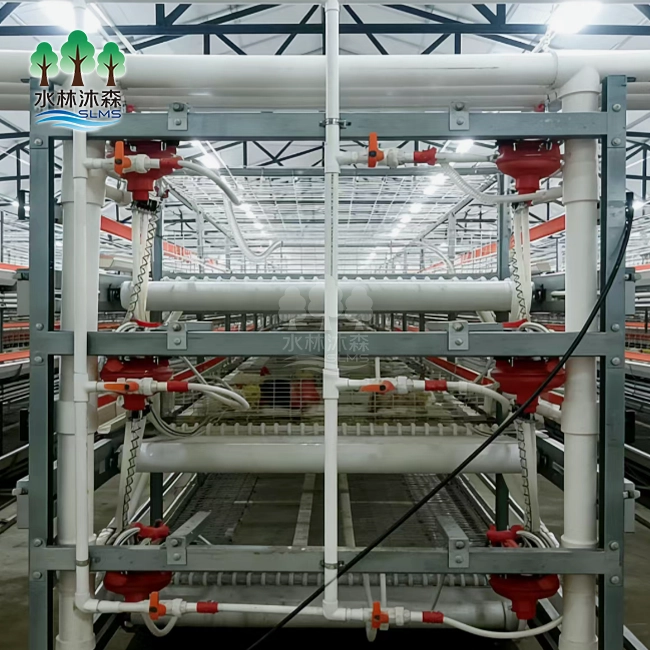
In automatic auger-based delivery devices, feed pans for chickens are specific points of contact. These parts are very important because they connect the feed from the conveyor lines to the bird entry places. The design usually includes a round pan with safety grills, waste-preventing lips, and ways to connect to feed lines above. Controlling spillage, avoiding contamination, and making sure that feed is distributed evenly among big flocks are all problems that this arrangement solves at the same time. These methods help businesses precisely control Feed Conversion Ratios, a factor that has a direct effect on profits in high-production settings, whether they are in charge of broilers, layers, or breeders.
Material Considerations: Durability Meets Performance
Choosing the right materials for equipment has long-term costs that go beyond the price of the original buy. High-quality food pans made from raw polypropylene or polyethylene can handle the rough conditions in chicken houses better than others. These materials don't break down when they are exposed to ammonia, water, and cleaning agents all the time.
According to research, pans made from raw materials usually stay strong for 8–10 years, while pans made from recycled plastic usually break or crack within 2–3 years. This difference in durability is especially important when you're in charge of big operations where broken equipment interrupts feeding plans and needs expensive emergency replacements. Premium models have a safe grille design that keeps birds from standing in the food, which keeps hygiene standards high and lowers the risk of contamination.
Quantifiable Benefits for Commercial Operations
Using professional-grade food systems makes operations better in a way that can be measured. Studies show that properly designed food pans cut down on waste by 2-5% compared to open dish systems. This is a big savings when you have to take care of tens of thousands of birds that eat every day. The anti-rake outer rim design stops chickens from flicking food onto trash when they scratch, which would be waste that can't be recovered. In addition to cutting down on waste, these methods help workers be more productive.
Refilling is done automatically through control pan devices, so staff can focus on managing the facility and keeping an eye on the animals' health. Multiple birds can eat at the same time without having to compete with each other thanks to the 360-degree access design. This helps the flock grow at the same rate and improves total production stability.


How to Choose the Best Chicken Feed Pan or Feeder for Your Flock
When making choices about what to buy, you need to carefully look at a lot of different factors that are relevant to your operations and output goals.
Matching Equipment to Production Scale and Bird Type
Layer farms that keep hens for long production periods have very different needs than commercial broiler farms that raise birds to market weight in 42-day cycles. Broiler systems need tools that can change to the birds' needs as they quickly gain weight. This can be done by using height-adjustable mechanisms and changing how the food is presented. During the breeding phase, when chicks are just hatching and need easy access to lots of food piled high in pans, the ability to flood-feed becomes very important.
As birds get older, systems need to switch to reducing the amount of food they can eat so that they don't waste food. Layer operations put a high value on durability and steady performance over months or years. Breeder operations add to the complexity, and they often need custom designs with changeable grill space to allow sex-separate feeding, where hens can get food but roosters can't.
Critical Performance Criteria for Procurement Evaluation
When looking at different types of feeding tools, there are a few basic details that need close attention:
- Spillage Control Mechanisms: The inwardly curved rim design and depth of the center feed reservoir decide how well the equipment holds feed while birds are being fed. Equipment that doesn't have good spill protection can lose 15% or more of the feed it delivers to litter contamination.
- Maintenance Accessibility: High-end models have open bottoms or quick-release latches that let you clean thoroughly without taking the whole system apart. This feature makes cleaning out the barn a lot easier and faster, and it also makes it easier to clean between groups.
- Structural Durability Under Operating Conditions: Connection places between pans and ceiling feed lines must be able to handle the torque from the drive motors and the physical stress of thousands of birds interacting with them every day. When locking devices aren't good enough, pans can rotate or come loose, which stops feed from being delivered.
- Environmental Resistance: To keep materials from breaking down too quickly, equipment that is constantly exposed to ammonia fumes, temperature changes, and chemical cleaners needs UV stabilizers and chemical-resistant formulas.
These technical factors have a direct effect on the total cost of ownership, which includes more than just the purchase price. It also includes upkeep costs, how often the feed pans for chickens need to be replaced, and the downtime that occurs when it breaks down.
Evaluating Return on Investment for Equipment Purchases
When running a business, you have to weigh the original cost of cash against the long-term savings and production improvements. Higher-quality feeding systems cost more, but they pay for themselves in the long run by reducing feed waste, requiring less work, and lasting longer. A facility that takes care of 50,000 broilers and cycles them six times a year can pay for the difference in price between cheap and expensive tools in 18 to 24 months just by saving money on feed.
When you add in less work for care, fewer substitutes needed in an emergency, and more uniform flocks that mean better market prices, the math gets even better. To correctly model total ownership costs across realistic equipment lifecycles, procurement professionals should ask for thorough information on the materials used, the length of the warranty, and how long the product is expected to last.
Comparative Analysis of Popular Types of Chicken Feed Pans
Different feed pans for chickens designs are best for different practical needs and budgets, so it's important to compare them in a structured way to make the best choice.
Plastic versus Metal Construction: Trade-offs and Applications
The choice of material is a basic choice that affects how long something will last, how heavy it is, and how much it costs. High-quality plastic feeding pans made from virgin polypropylene are more resistant to chemicals and lighter than metal options, which makes them easier to install and change the height of. The qualities of the material keep its shape even when the temperature changes, which is common in chicken coops. It also doesn't rust when cleaned with chemicals.
Metal pans, which are usually made of galvanized steel or stainless steel, are better at resisting pressure and last a very long time in situations where sturdiness is more important than weight. But when building with metal, you need to be very careful about protecting against rust, especially at welded joints and connection places where coatings may wear off over time.
Specialized Designs for Intensive Production Environments
Modern feeding systems have features that were designed to deal with the problems that come with high-density industrial output. High-capacity types with deeper reservoirs can handle the higher feed amounts needed during peak consumption times, like when broilers are getting close to market weight. The space between the protective grilles needs to be perfectly calibrated so that the holes are just the right size to let the bird's head through but not its whole body, which could spread germs.
Facilities that take care of parent groups benefit from grills that can be adjusted to 42–44 mm spacing, which has been shown to work well for feeding male and female birds separately. Configurations that are waterproof and resistant to the weather work well in barns that have natural air or semi-open housing systems where equipment is exposed to more wetness than in a normal protected house.
Balancing Budget Constraints with Quality Requirements
Cost-conscious buying needs to know the difference between saving money in the right way and saving money by using cheap tools. Budget-friendly choices made with good materials and simple designs can help businesses that don't make a lot of things or don't have a lot of money. The main difference is the quality of the material, not the number of features.
Equipment made from fresh plastic and basic protected grills works better than equipment made from recycled materials with lots of features that often breaks down early. Designs that are easy to clean and have parts that can be taken off lower ongoing work costs, which has a direct effect on operational efficiency across multiple production cycles. When looking at different suppliers, procurement workers should give more weight to companies that have stable quality control, full technical support, and clear warranty coverage.
Maintenance and Best Practices for Using Chicken Feed Pans
Proper equipment repair affects how much feed is used, how healthy the group is, and how long the feed pans for chickens last. This is why regular routines are so important for practical success.
Establishing Effective Refill Timing and Quantity Protocols
Feed supply management involves matching the nutritional needs of birds with goals for reducing waste. Automated systems that use control pans keep an eye on the amount of feed in the feeding pans and run the augers to keep the goal amounts in the pans across the group area. When systems are set up correctly, they keep the feed level low during the grow-out phases—usually between 15 and 20 mm for broilers—so that birds can eat without too much building up, which would cause food to go bad or waste.
Changes in refill regularity depend on the age of the flock. Younger birds need smaller deliveries more often, while older birds need bigger deliveries less often. For businesses that don't have automated controls, setting feeding schedules that match observed consumption trends is helpful to ensure delivery times are changed to make sure pans are never totally empty and aren't overfilled.
Implementing Rigorous Cleaning Protocols for Disease Prevention
Sanitizing feeding tools is an important biosecurity control point that has a direct effect on the risks of pathogens spreading between production cycles. Complete cleaning procedures start with removing the feed physically. Next, approved cleansing chemicals are used for high-pressure washing. Designs of equipment with detachable bottoms or open access panels make it easy to clean the inside surfaces thoroughly, where food residue builds up and germs can grow.
When cleaning the port between flocks, equipment should be taken apart as much as possible so that it can be completely sanitized before new birds are put in. Operations that keep their tools clean during production rounds report fewer diseases and better flock performance measures.
Optimizing Feeder Placement and Height Management
Strategically placing tools affects how people eat and how much waste they make. The space between feeding pans should be just right so that birds don't get crowded and can all get to the food without having to move around too much in the barn. As per industry standards, there should be one feeding spot for every 80 to 100 broilers or 8 to 10 layers. This number can be changed depending on the size of the pan and the way the birds tend to strain.
Height-adjustment methods make sure that the equipment is placed correctly for the bird's size. They also make sure that the pan rim is at the bird's back level so that it can eat comfortably without digging, which creates waste. This job is easier to handle with automated systems that can change the height automatically, while manual systems need to be adjusted from time to time as flocks grow.
Where and How to Procure the Best Chicken Feed Pans
To support long-term operating success, strategic procurement choices weigh the dependability of suppliers, the quality of tools, and the lowest cost of feed pans for chickens.
Evaluating Supplier Channels and Purchasing Options
Commercial poultry farms usually get their feeding equipment from specialized farming equipment distributors, direct maker ties, or integrated system providers that can set up the whole barn. Each channel has its own benefits that depend on the size of the business and the level of expert help needed. When you work directly with a manufacturer, you can usually get better customization options and expert advice.
This is especially helpful when setting up big facilities or specialized production systems. Equipment distributors know the local market and can provide service in the area, which makes it easier to do routine upkeep and get new parts. Businesses that want to increase their capacity or update their equipment across multiple sites can save a lot of money by buying in bulk. Compared to small-quantity prices, volume savings often reach 15–25%.
Cost Structures and Budget Planning Considerations
Feeding pan prices vary a lot depending on the type of material used, the difficulty of the design, and the number of pans ordered. In bulk, basic 8-compartment plastic serving pans that are good for moderate-sized operations usually cost between 3 and 7 USD per unit. On the other hand, expensive 16-compartment designs with more features cost between 10 and 18 USD per unit.
Depending on the size of the building and the amount of automation, full system installations that include feed lines, control mechanisms, and installation services cost more money. In addition to the cost of buying equipment, procurement budgets should include the costs of installation labor, system setup, and keeping extra parts on hand to support ongoing operations.
Identifying Reputable Manufacturers and Quality Indicators
When evaluating a supplier, you should focus on how well they've shown they can make things, their quality control systems, and their after-sales support infrastructure. Weifang Shuilin Musen Aquaculture Equipment Co., Ltd. is a good example of the all-around service model that businesses need because it manages research and development, production, and expert support all from one place.
Because we've been specializing in farming and livestock tools for eight years, we know how to provide reliable feeding options that meet the needs of intensive chicken production. The company's research and development (R&D) team of five professional engineers is always improving product design. Each year, they release three or more new, better goods based on feedback from the industry and new business needs. This dedication to innovation makes sure that the specs of tools stay in line with changing production methods and government rules.
Conclusion
To choose the best feeding tools, you need to look at a number of scientific and operational factors that are related to the number of birds you have, how you handle them, and the scale of your production. By lowering feed costs, making flocks more regular, and reducing the amount of work that needs to be done, quality feed pans for chickens made from long-lasting materials and using proven waste-prevention designs pay for themselves. Buying things that balance the initial investment against the total cost of ownership, along with getting full technical support from reputable providers, helps businesses stay profitable and do great work in chicken markets that are getting more and more competitive.
FAQ
What size and shape of feed pans for chickens works best for different flock scales?
When taking care of 5,000 to 20,000 broilers, 8-compartment feed pans for chickens spread out so that each group of 80 to 100 birds has its own food area usually work best. Larger sites that raise 50,000 or more birds can benefit from 14- or 16-compartment designs that cut down on the number of placement points needed while still allowing enough access for feeding. Because layer birds don't eat as aggressively as meat birds, slightly lower food position ratios can be used in layer operations.
How frequently should feeding pans undergo thorough cleaning?
Cleaning the terminals between flocks is still important, and they need to be completely sanitized before putting in new birds. During production cycles, checking for visible contamination and cleaning only the areas that need it helps keep cleanliness standards high. High-intensity broiler operations that cycle every 42–49 days can usually get by with just terminal cleaning if they handle their feed every day and keep it from building up for too long. On the other hand, longer-cycle layer operations benefit from cleaning measures in the middle of the cycle.
Can feeding pan systems genuinely reduce operational costs?
Feed waste is cut by 2-5% compared to traditional feeding methods, according to data from industrial installations. This is a big savings because feed makes up 65–70% of the cost of production in most broiler businesses. Automated feeding saves workers and lowers costs even more. After installing modern pan-based systems, operations report 40% or more labor savings in feeding-related jobs.
Partner with a Trusted Feed Pans for Chickens Supplier
Adding professional-grade tools to your poultry feeding system will help your business be more efficient and make more money. Shuilin Musen Aquaculture Equipment Co., Ltd. offers unique feeding solutions and has been making specialized equipment for eight years and offers full expert support. Our line of products includes 8-compartment, 14-compartment, and 16-compartment feed pans for chickens made from high-quality PP and PE materials.
These pans have safe grille designs that have been shown to cut down on waste and running costs. We help with installation through thorough videos, offer a one-year warranty, and let you make changes to fit your unique operating needs. Please email our team at wangshuaislms@gmail.com to talk about the needs of your facility and find out how our designed solutions can improve your output while lowering your total cost of ownership.
References
1. Appleby, M.C., Mench, J.A., and Hughes, B.O. (2004). Poultry Behaviour and Welfare. CABI Publishing, Wallingford, UK.
2. Leeson, S. and Summers, J.D. (2005). Commercial Poultry Nutrition, 3rd Edition. Nottingham University Press, Nottingham, UK.
3. North, M.O. and Bell, D.D. (1990). Commercial Chicken Production Manual, 4th Edition. Chapman & Hall, New York, NY.
4. Sainsbury, D. (2000). Poultry Health and Management: Chickens, Turkeys, Ducks, Geese and Quail. Blackwell Science, Oxford, UK.
5. Weeks, C.A. and Nicol, C.J. (2006). Behavioural needs, priorities and preferences of laying hens. World's Poultry Science Journal, 62(2), 296-307.
6.. Zuidhof, M.J., Schneider, B.L., Carney, V.L., Korver, D.R., and Robinson, F.E. (2014). Growth, efficiency, and yield of commercial broilers from 1957, 1978, and 2005. Poultry Science, 93(12), 2970-2982.
Learn about our latest products and discounts through SMS or email