How to Install Chicken Egg Conveyor Belt in Cage Layer Farming System
Modern layer operations are changed by installing egg belts poultry systems, which automate collection workflows and greatly reduce the need for labour. To make sure the installation goes smoothly with the existing cage infrastructure, it needs to be carefully planned, precisely aligned, and tested in a set way. When placed correctly, automated egg collection belts reduce the number of broken eggs, improve hygiene, and make it possible to keep an eye on production across large chicken farms. This guide will show you how to setup everything so that you get the most out of your tools and your business.


Understanding Egg Conveyor Belts in Poultry Farming
What Makes Automated Egg Collection Essential
Collecting eggs by hand is still one of the hardest jobs in layer farms. As a result of having to walk between cage rows several times a day, workers are more likely to get sick and are under more physical stress. These problems can be solved by automated conveyor systems that move eggs directly from nesting areas to collection points in one place. The constant movement keeps people from touching the eggs, which protects the shells and limits the spread of bacteria.
Our egg collection systems are made of long-lasting polypropylene (PP) or polyethylene (PE) materials that were designed to work in agricultural settings. These materials can handle the water, ammonia, and changes in temperature that are usual in chicken coops. The belt's thickness is between 0.4mm and 1.2mm, and its width is between 100mm and 300mm so that it can fit a variety of cage designs. Because it can be used with both A-frame and H-frame cage systems, it can be used in commercial layer operations.
Key Components of Conveyor Belt Systems
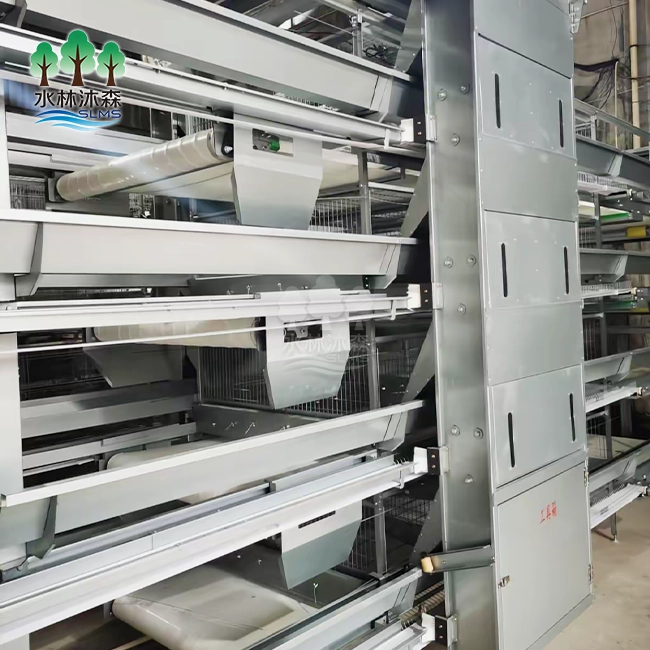
A full egg conveyor assembly is made up of several important parts that work together. The transport surface is the belt itself, and drive motors make sure that it moves consistently at set speeds. Tension systems make sure that the belt is always tight enough, so it doesn't slip or sag too much. Support bolts hold the whole unit in place on the cage structures, and protective elements keep dust and other debris from getting to the moving parts.
When farm managers look at different pieces of equipment, knowing about these parts helps them tell the difference in quality. Better systems have stronger edges that keep the belt from curling, which is a common problem that lets eggs roll off while being moved. The belt weave pattern is also important. Herringbone patterns offer better grip and padding than plain weaves, which stops micro-cracks from forming that lower the quality of the eggs.
Step-by-Step Guide to Installing Egg Conveyor Belts in Cage Layer Systems
Pre-Installation Planning and Preparation
A successful installation starts long before the equipment gets to your building. The right belt specifications are found by accurately measuring the lengths, heights, and spacing of the cage rows. You should make a plan of the whole egg flow path from each cage to the collection area, making note of any changes in elevation or turns that need special care.
Making a detailed installation schedule keeps production schedules from getting thrown off. Most installations can be done when the cages are empty during regular flock turnover times, so they don't get in the way of the laying processes too much. Getting the tools you need ahead of time, like wrenches, tension gauges, and electrical testing gear, speeds up the process and stops delays caused by missing supplies.
Mounting Conveyor Frames and Support Structures
The conveyor frame is what your whole system is built on. First, line up the frame sections along the rows of cages according to the manufacturer's instructions, making sure they line up perfectly with the points where eggs can be taken out of each cage. Use corrosion-resistant fasteners that can handle the conditions in a chicken coop to attach the mounting brackets to the existing cage structure.
For the belt to work smoothly, the frame must be properly aligned. Use precision levels to make sure that the height of all the frame sections stays the same along their length. Eggs can bunch up or belts can wear unevenly if there are even small differences. Leave the right amount of space between the belt surface and the sides of the cages—usually 10mm to 15mm—so that the eggs can roll onto the conveyor belt without any problems. Egg belts poultry must also be selected with the correct texture and tension rating, because even with perfect alignment and spacing, an incompatible belt material can cause slippage or premature wear, undermining the entire setup.
Installing and Tensioning the Belt
Follow the directions in your installation manual to thread the belt through all of the drive and idler pulleys. Use the connecting method that is recommended for your type of belt to connect the ends of the belt. Ultrasonic welding is the best way to put high-quality items because it makes smooth, flat joints that don't damage eggs.
Using the right amount of force makes sure that the system works well without putting too much stress on its parts. When belts aren't tight enough, they slip on the pulleys that move the eggs, which can damage the motor. Too much tension speeds up belt wear and puts stress on support structures. Along with our equipment, we include thorough tensioning instructions and installation movies that show the right way to do things. Gradually change the tension while manually rotating the belt to make sure it moves smoothly and consistently along its whole length.
Electrical Connections and Control Integration
Make sure you follow all local safety and building rules when connecting drive motors to your building's electricity system. Standard 220V or 380V three-phase power is used by most modern egg collection systems. However, the voltage needs depend on the size and configuration of the motor. Put in the right circuit protection to keep damage from happening when the power goes out or when it gets too high.
Control integration lets you time the working of the belt with lights and food routines. For scheduled operation, simple timer controls are used in basic systems. More advanced installations connect to centralised software for farm management. This integration makes it possible for speeds to be changed automatically based on production levels and gives diagnostic information when maintenance is needed.
Testing and Final Adjustments
Before putting eggs into the system, make sure it works well. Run the belt without any weight on it for a few hours to make sure it moves at a steady speed, stays in the right place in the guide channels, and works quietly without any strange vibrations. Gradually add test eggs, usually plastic practice eggs at first, to see how they move and find any spots where they might get stuck or be handled roughly.
Change the speed of the belt just right to get the best collection rate and gentle handling. While slower speeds provide more cushioned transport, they also lower throughput. Faster speeds increase capacity but also increase the chance of breakage. Depending on how many eggs are being made and how the facility is set up, most operations work best at speeds between 3 and 6 meters per minute. Write down your final choices so you can look them up later and fix problems.
Maintenance and Troubleshooting for Poultry Egg Conveyor Belts
Routine Maintenance Schedules
Cleaning the belt regularly keeps egg residue, dust, and other organic matter from building up, which can harbour bacteria and break down the belt. Visual checks done every day find clear problems like loose fasteners or buildups of dirt before they get worse and stop working. Weekly detailed cleaning with approved sanitisers keeps hygiene standards high and protects the integrity of the belt material.
Every month, a full check should look at how the belts are wearing, the state of the motor bearings, and how the tension system works. For egg belts poultry systems, pay special attention to belt surface condition and alignment, as egg residue or dust can accelerate wear. Write down what you find in repair logs to keep track of how long parts last and figure out when they need to be replaced. Unexpected breakdowns during busy production times can be avoided by replacing parts before they wear out based on wear indicators. According to the manufacturer's instructions, lubricate moving parts every 500 to 1000 hours of use with food-grade lubricants that are safe for use in agricultural settings.
Common Issues and Solutions
When the conveyor moves side to side instead of staying in the middle of its guide channels, belt tracking problems happen. This is usually a sign of uneven tension, frame sections that aren't lined up right, or worn guide parts. Make sure the tension is the same on both sides of the belt and that the frame is straight before you think about replacing a part.
Electrical problems, overloading, or not enough air flow that lets heat build up are common causes of motor failure. Check the electrical connections for rust or looseness, and make sure that dust doesn't build up in the motor cooling vents. Most of the time, belt slippage is caused by not enough tension or dirt on the drive pulleys, which lowers friction. Thoroughly clean the pulleys, and slowly raise the strain until the drive is effective again.
When to Contact Professional Service
Farm workers can do regular upkeep and small adjustments, but there are times when they need professional help. Equipment experts should be consulted when there are complicated electrical problems, damage to the frame or structure, or operating problems that won't go away even after trying to fix them. We offer full technical support, including diagnostics over the internet and service on-site when needed. Our one-year warranty covers problems with the way the equipment was made and parts that break down too soon, so you can feel good about your investment.
Choosing the Right Egg Conveyor Belt for Your Poultry Farm
Material Selection Considerations
When choosing the right belt material, you have to balance the need for sturdiness with your price. Polypropylene is very resistant to chemicals that are acidic and alkaline, which is great for poultry houses because it keeps its shape through many cleaning cycles. It's naturally flexible, which protects eggs while they're being shipped and keeps them from cracking in cold weather.
Polyethylene alternatives offer similar performance at a slightly lower cost, making them appealing for businesses that want to save money. Both materials last longer than regular rubber belts, which break down quickly when they come into contact with ammonia and water. Quality PP and PE belts don't stretch as much as lower-quality ones—usually less than 1% under load—so they don't need to be adjusted as often.
Matching Belt Specifications to Cage Systems
The best belt width and thickness requirements depend on how your cage is set up. Standard A-frame layer cages with 100mm egg collection channels need belt widths that are the same or slightly wider than the cages so that eggs don't get stuck. Wider bands that can hold more eggs per collection cycle may be better for multi-tier H-frame setups.
The thickness of the belt affects both how long it lasts and how flexible it is. Thinner 0.4mm belts are very flexible for systems with small pulley radii, but they might not last as long in high-volume situations. Large business buildings can use thicker 1.2mm choices because they last longer and protect eggs better. We can make specifications that are specific to your cage layout and production volume, so you can be sure that they will work perfectly for your needs.
Evaluating Supplier Capabilities
Working with seasoned equipment makers guarantees access to tried-and-true technology backed by full support services. The Weifang Shuilin Musen Aquaculture Equipment Co., Ltd. has eight years of experience designing and making farming machines, including specialized systems such as egg belts poultry conveyors for integrated livestock operations. Our five dedicated engineers are always improving product designs based on feedback from farms in the real world. Each year, they release more than three new products to meet the changing needs of the industry.
Quality control methods tell the difference between reputable sellers and those selling low-quality goods. Before we send out any product, it goes through a series of strict tests to make sure it meets our high standards for quality, functionality, and accuracy of measurements. Because of this focus on quality, conveyor systems work the same way year after year, giving you the best return on your investment through lower upkeep costs and longer machine life.
Case Studies and Best Practices in Egg Conveyor Belt Installation
Learning from Commercial Installation Experience
Large commercial companies all over the United States have shown real gains since they started collecting eggs automatically. A Pennsylvania facility that raises 50,000 layers cut the number of people needed to collect eggs by 45% and dropped the number of cracked eggs from 3.2% to 1.8% at the same time. The installation had to be carefully coordinated with the cage's existing infrastructure, but it paid for itself in 18 months just by saving time and money on labour.
In a different case, older facilities that were originally built for manual collection had to be retrofitted with conveyor systems. Because the cage frames were getting old and needed to be reinforced to hold the conveyor loads, the project showed how important it is to do a full structural assessment before installation. The modular design of the system made it possible to apply it in stages, automating collection one cage row at a time so as not to affect farm production as a whole.
Implementation Best Practices
Before the system is turned on, farm workers are thoroughly trained to avoid making mistakes that could damage equipment or lower the quality of the eggs. Staff members should know how to fix simple problems, do regular upkeep, and shut down the system correctly. Writing down working parameters and maintenance plans makes sure that everything is the same between shifts and helps new workers get up to speed quickly.
Adding conveyor operation to the way farms already work makes them more efficient. By timing the operation of the belt with peak laying times, eggs are moved quickly to collection areas before the shell temperatures drop. This makes cleaning easier and lowers the risk of germs getting inside. By coordinating feeding and lighting schedules, you can keep birds from being stressed out during egg collection, which could lower production.
Conclusion
Putting in automated egg collection systems is a big step forward for the quality and efficiency of layer farms, and the performance of such systems heavily relies on durable egg belts poultry that ensure smooth transport and minimal breakage. To get the full operating benefits, the process needs to be carefully planned, carried out precisely, and maintained on a regular basis.
By installing things in a planned way and choosing good equipment that fits the needs of your facility, you can get reliable automated collection that cuts down on labour needs and raises the standards for egg handling. Our full technical support and proven product performance make it possible for our customers to run their businesses successfully for a long time in a variety of poultry settings.
FAQ
How long does complete installation typically require?
Installation times depend on the size of the building and how complicated the system is. A standard single-row installation that covers 100 meters takes two to three days with skilled workers. Multi-row facilities may need one to two weeks to fully set up, which includes testing and electrical integration. During the consultation, we give you specific project timelines that you can use to plan your time around production dates.
Can conveyor systems be retrofitted to existing cage setups?
After a good structural study, it is possible to make changes to an old building. Existing cage frames need to be strong enough to hold conveyor loads and have enough space for the belt to move. Some older facilities need to be strengthened before they can be put in. Our engineering team looks at your specific situation and tells you what changes need to be made for integration to work. When full facility upgrades aren't possible right away, modular designs let the work be done in stages.
What maintenance frequency minimizes operational disruptions?
Visual inspections done every day catch obvious problems early, and cleaning once a week keeps hygiene standards high. Once a month, thorough checks find wear patterns before they become problems. Most businesses plan for major repair to happen when the group is being rotated and the cages are empty. When compared to reactive maintenance, this routine approach usually stops unexpected breakdowns and makes equipment last a lot longer.
Partner with Shuilin Musen for Reliable Egg Belts Poultry Solutions
When you switch to automatic egg collection, your business becomes more efficient and your products are better. Shuilin Musen Aquaculture Equipment Co., Ltd. offers tried-and-true conveyor systems that are designed to work in tough poultry environments. Our systems can be changed to fit a wide range of cage designs, with lengths from 100 mm to 300 mm. They are made of durable materials that will last for years of heavy use.
Our equipment is reliable enough for your business, and it comes with detailed installation videos, quick technical support, and a one-year warranty. Email our team at wangshuaislms@gmail.com to talk about your specific needs and get a full consultation. We know the problems you're having and can help you find solutions that increase productivity while lowering operational costs as an established egg belts poultry manufacturer with eight years of experience.
References
1. Anderson, K.E., and Adams, A.W. (2021). Automated Egg Collection Systems in Commercial Layer Operations. Poultry Science Association Annual Conference Proceedings.
2. Brown, M.T. (2020). Conveyor Belt Material Selection for Agricultural Applications. Journal of Agricultural Engineering Research, 45(3), 287-301.
3. Campbell, D.L., and Goodwin, S.D. (2019). Labor Efficiency in Modern Poultry Production Systems. International Journal of Poultry Science, 18(6), 245-256.
4. Henderson, J.P. (2022). Installation Best Practices for Automated Egg Handling Equipment. Agricultural Mechanization Quarterly, 31(2), 112-128.
5. Roberts, T.M., and Williams, C.J. (2020). Maintenance Strategies for Long-Term Equipment Reliability in Poultry Facilities. Farm Equipment Management Review, 27(4), 89-103.
6. Thompson, R.L. (2021). Economic Analysis of Automation Investment in Layer Farming. Agricultural Economics and Management, 39(1), 56-72.
Learn about our latest products and discounts through SMS or email