Why Poultry Farmers Prefer Automatic Cage Systems Today
A lot has changed in the world of industrial chicken farming. Rising labour costs, smaller profit margins, strict safety rules, and the constant demand for higher efficiency are some of the problems that modern makers have to deal with. Automatic cage systems, especially sophisticated multi-tier designs like the Eight-tier Layer Cage, are a smart way to deal with these problems.
These systems make the best use of vertical space and fully automate everything, including feeding, watering, picking up manure, and collecting eggs. Everything is organised across multiple levels. For businesses that take care of tens of thousands of birds, this combination turns daily management tasks that used to require a lot of work into streamlined, data-driven processes that boost output while still meeting strict standards for animal welfare.


Understanding Automatic Cage Systems and Eight-Tier Layer Cages
Automatic cage systems completely change how laying hens are housed and cared for on industrial farms. In the past, things had to be done by hand all the time, but now, technology is used at every point of action.
Structural Design and Materials
The materials used to build multi-tier systems are what make them effective. Quality systems use hot-dip galvanised Q235 bridge-grade steel, which protects against rust in the tough environment of chicken farms that are full of ammonia and water. This process gives the equipment a protective zinc covering that is thicker than 275g/m². This makes it last longer than 15 years, which is an important thing to think about when figuring out the total cost of ownership.
The H-type frame design spreads the weight vertically through strong steel posts that are usually placed 1.2 meters apart. This set-up can handle the heavy weight of eight stacked levels full of birds, food, water systems, and collected eggs without the structure bowing, which could cause automatic parts to get stuck.
Automation Components Integration
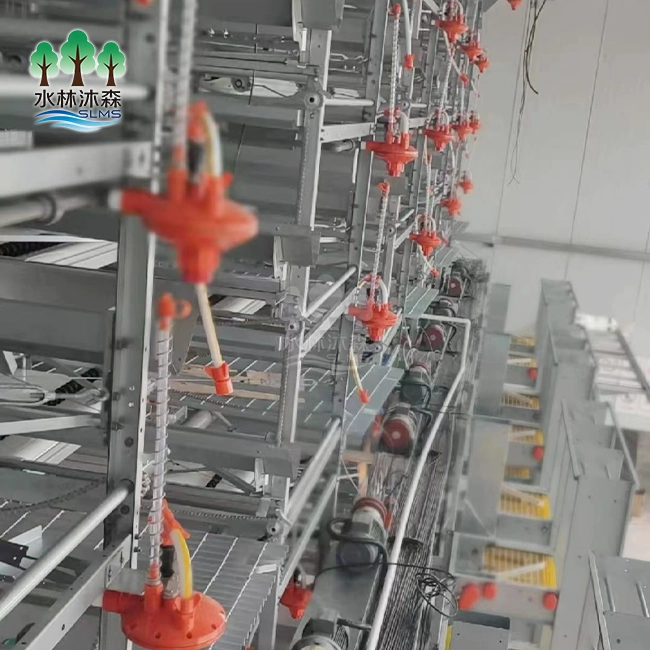
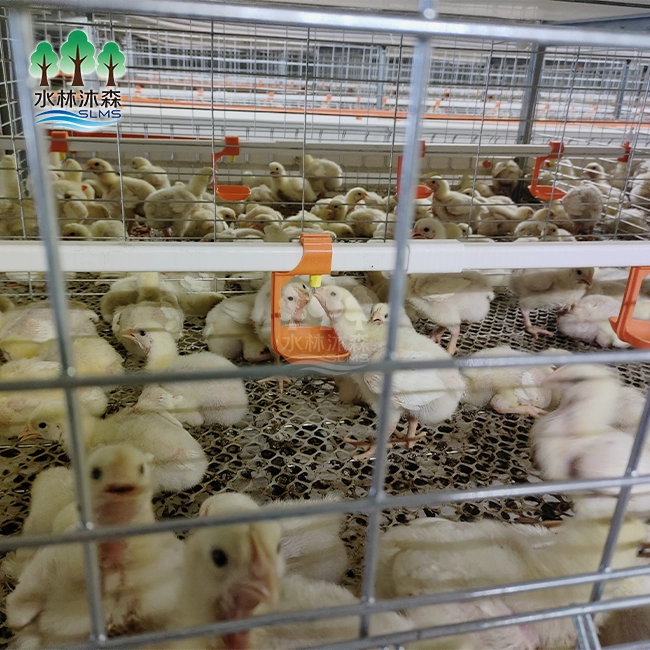
Multiple automatic tasks work together in modern systems. Feeding systems give exactly measured rations to all levels at the same time, so nutrition supply is more reliable than it would be with manual operations. Nipple drinkers that are linked to pressurised water lines make sure that the birds always have access to clean water. Manure removal belts that are automatically placed under each tier keep the environment clean by physically removing the birds from the waste.
The egg collection system has cage floors that are exactly angled, usually at a 10-degree slope, so eggs can roll easily onto cushioned collection belts. Breakage rates drop below 0.5% with this design, which protects both product quality and income.
Vertical Space Optimization
An Eight-tier Layer Cage layout inside a climate-controlled building makes the best use of space. A standard four-tier system could hold up to 25,000 birds, but an eight-tier system can hold up to 100,000 birds in the same space. This rise in population is especially helpful in areas on the edges of cities where land costs make projects less likely to be successful. The stocking density hits 40KG/m², which strikes a balance between operating efficiency and the welfare standards that retailers and regulators are demanding more and more.
The Advantages of Eight-Tier Layer Cages Over Traditional Systems
Advanced multi-tier systems are very different from traditional homes in terms of how they work and how much they cost, which has a direct effect on how profitable they are.
Superior Space Utilization
Traditional floor-rearing and battery boxes take up a lot of space compared to how many birds they can hold. When handled correctly, Eight-tier Layer Cages can increase bird numbers by 300 to 400% without hurting the birds' health. This concentration raises the return on investment per square metre, which is a key factor for businesses that operate in areas where real estate is expensive. The vertical design successfully increases production capacity within current building envelopes, which means that the business can grow without having to buy more land.
Economic Efficiency and Labor Reduction
Automation greatly reduces the need for workers. Compared to traditional methods, operations say that labour costs have gone down by more than 40%. Feeding, watering, and cleaning are all controlled from one place, so one worker can keep an eye on 50,000 or more birds without having to do the same things over and over. This labour economy is becoming more and more important as farming areas struggle to find workers and as minimum wage laws rise, cutting into already thin profit margins.
Aside from daily tasks, technology makes it easier on workers' bodies, which makes them happier at work and more likely to stay with the company. It also lowers the costs of injuries that come up in chicken operations that depend on a lot of manual labour.
Durability and Maintenance Advantages
Long-term upkeep costs are lower when the building is built well. The galvanised framework doesn't rust and can handle the rough environment of a chicken coop without breaking down too quickly. Access to parts makes regular maintenance easier. For example, cage doors have spring-loaded mechanisms that make them easy to open and check, and modular belt systems let you change a piece without shutting down the whole system.
Built-in safety features include belt tracking systems that stop spills between tiers. This makes sure that the equipment works well for as long as it's used. This level of dependability cuts down on unplanned downtime that can mess up production plans and income streams.
How Automatic Eight-Tier Layer Cages Solve Common Poultry Farm Challenges
Commercial makers always run into problems with their operations that are fixed by automatic systems using designed solutions.
Addressing Labor Shortages
Across the United States, agricultural job markets are still very tight. Routine tasks don't need to be done by hand as much with Eight-tier Layer Cages. Programmable computers make feeding plans run automatically, watering systems check their own pressure and flow, and manure belts run on timed cycles, so very little human supervision is needed.
Because of this technology, skilled workers can focus on management jobs like keeping an eye on the health of the flock, making sure the equipment is working at its best, and planning production instead of doing the same things over and over again. The change makes workers more productive and makes businesses less sensitive to changes in the job market.
Improving the Health and Safety of Birds
Multi-tier systems that remove manure at the same time keep birds away from trash, which greatly lowers the risk of illness. When dung is manually removed several times a day instead of building up under cages, ammonia levels drop by a lot. Lower levels of ammonia are good for your lungs, lower stress levels, and lower the risk of disease, especially coccidiosis and other gastrointestinal infections that are made worse by faeces.
Biosecurity measures are also easier to follow because the system is protected. External contamination risks that affect flock health and production continuity are kept to a minimum through controlled entry points, less foot traffic, and automated feeding.
Scalability and Adaptability in Production
Modular building lets you grow in stages that match the growth of your business. As the market needs more homes, operations can add parts without having to redesign the whole building. This adaptability is useful for group structures or family businesses that are trying to grow as one generation leaves the business.
Compatibility with farm management software lets you keep an eye on production measures like feed usage, water intake, egg production, and mortality rates in real time. This lets you make choices based on facts that improve performance. Alerts let managers know about problems that need to be fixed, so small problems don't get worse and cause expensive production delays.
Buying Guide: Selecting the Right Eight-Tier Automatic Layer Cage System
When making purchasing choices that involve big investments in cash, you need to think carefully about a lot of different factors.
Structural Quality Assessment
Carefully look over the material specs. Check that the steel meets Q235 or a similar standard and that hot-dip galvanisation is used instead of electro-galvanization, which is not as lasting. Ask for proof of the zinc covering thickness—275g/m² is the lowest level that is considered acceptable for long-term corrosion protection.
Check the quality of the welds and the way the frame joints are put together. When welding isn't done right, stress concentration points form that cause the metal to break too soon when fully stocked bars keep loading it down.
Automation Capabilities Evaluation
Check how complex the control systems are. Modern systems should have food plans that can be programmed, water pressure controls that work automatically, and manure belts that work together. Integration with farm management software improves practical control and lets you watch operations from afar, which are both useful features for businesses that run more than one site.
Check that egg collection systems have belt speeds that can be changed and materials that cushion the eggs so that they don't break while they're being collected. Given how much is processed through business processes, even small changes in breakage rates have a big effect on income.
Supplier Reliability and Support
Work with providers who have a history of providing reliable commercial poultry tools. Weifang Shuilin Musen Aquaculture Equipment Co., Ltd. has eight years of experience in making tools for livestock, and their five-engineer research and development team comes up with custom solutions for a wide range of working situations. This level of technical detail makes sure that installations perfectly match the needs of the building and the output goals.
Comprehensive help after the sale is what sets good sellers apart. The operational investment is protected by installation services, expert help through video resources, and quick response upkeep support. A one-year promise protects against problems with the way the product was made, and the fact that replacement parts are always available guarantees long-term use as a well-known Eight-tier Layer Cage manufacturer.
Total Cost of Ownership Considerations
The initial buying price is only one part of the total costs over the product's lifetime. Think about the costs of installation, which may include engineering the base to handle the heavy loads that come with eight-tier designs. In civil engineering, foundations made of reinforced concrete must be 30 to 50 cm deep and perfectly aligned with the frame support legs.
Figure out the ongoing costs of running the system, such as the amount of power it uses, the supplies it needs for regular repair (like new belts and bearings), and the time it takes to keep an eye on it. When systems are set up correctly, they lower running costs enough to make up for higher initial investments. When handling over 50,000 birds, the return on investment is usually reached in 2.5 to 3.5 years.
Customization and Integration Options
Operations have different layouts, goals for capacity, and ways of managing. Customisation services providers change standard systems to fit specific needs. For example, they might change the size of cages for certain bird breeds, change automation sequences to fit current workflows, or add ventilation controls that are suitable for the temperature in the area.
Customisation shows that a source has the technical know-how and wants to help clients succeed, not just sell standard goods. This adaptability is especially helpful for businesses that are planning multi-phase growth or taking care of various bird strains at the same time.
Future Trends in Poultry Housing: Why Automation and Multi-Tier Systems Lead the Way
Technology improvements and changes in regulations that affect competition are speeding up the growth of industries.
Emerging Technology Integration
Internet of Things (IoT) sensors built into automated systems send out constant amounts of data that track things like flock behaviour, equipment performance, and environmental conditions. Analytics systems take this data and look for trends that can tell you when maintenance is needed before something breaks down. For Eight-tier Layer Cages, they also find the best operational parameters to make things run as smoothly as possible.
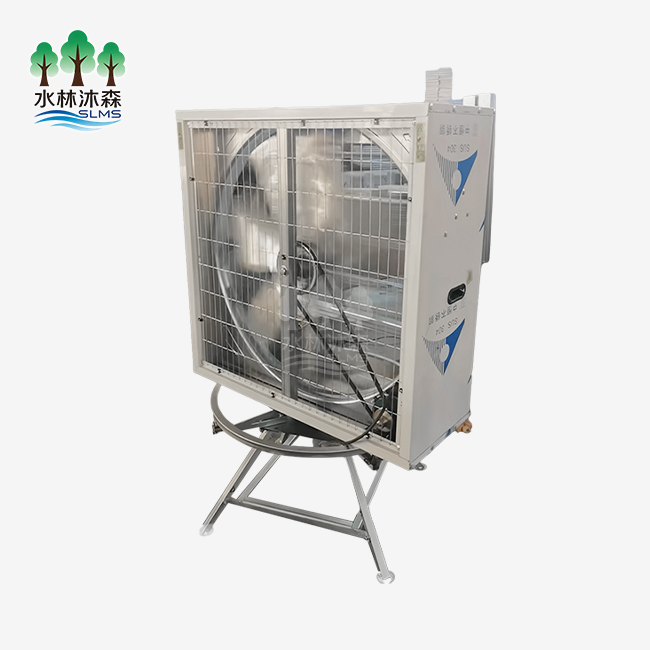
Smart air systems are a huge step forward. Controlling the flow of air very accurately is needed to keep the temperatures even between the first and eighth levels. Advanced systems use fans with varying speeds, air intakes with changeable deflectors, and constant tracking of the environment to keep temperature differences below 2°C, which is necessary for even production across all cage levels.
Regulatory Compliance and Welfare Standards
In developed markets, regulations are putting more and more emphasis on animal care and being able to track where products come from. Multi-level automated systems that include tracking tools make it easier to keep track of compliance by keeping records that can be checked about things like food plans, environmental conditions, and health treatments that meet auditor standards.
Major stores' cage-free policies divide the market, but automated cage systems with better space management and enrichment features are still good options that balance concerns for animal care with practical concerns. Systems that are designed to adapt to changing standards protect activities against changes in regulations that could render less flexible infrastructure useless in the future.
Strategic Advantages for B2B Clients
Partnering with suppliers that are leaders in their fields can be good for companies that sell equipment, do farm planning, or do procurement. Advanced robotic systems cost a lot, but they work better than other systems, so end users are happy to pay more for them. When partners have distribution agreements with innovative makers like Shuilin Musen, they can take advantage of new market areas before competitors in the same category do.
OEM deals let regional wholesalers use engineering know-how while keeping the brand's character in local markets. This way of working together grows the market while giving factory partners access to marketing networks and information about regional markets that help them decide what products to make next.
Conclusion
It is the standard for competitive industrial egg production to use Eight-tier Layer Cages, especially more complex ones. Through smart technology and engineering, these systems solve the main problems that modern chicken farming faces, such as a lack of workers, rising costs, animal welfare concerns, and the need to be as efficient as possible. The big investment made at the start in good tools pays off in the end with lower operating costs, higher production, and better quality products.
As technology keeps getting better and government rules change, companies that invest in high-tech automatic systems set themselves up to adapt quickly while still making money. When you combine strong building materials, full automation, and help from suppliers, you get operating resilience that keeps you competitive through all market cycles.
FAQ
How do you manage temperature differences between the first and eighth tier?
In Eight-tier Layer Cages, the biggest technical problem is making sure that all the levels of temperature are the same. For solutions to work, negative pressure tube ventilation with air speeds of 3.5 to 4 meters per second is used. Air intakes that are placed strategically and have deflecting plates that can be moved direct cooler air toward the upper levels, which balances out the natural accumulation of heat. When systems are properly designed, they keep temperature differences between floors to less than 2°C.
What maintenance schedule ensures system longevity?
Regular maintenance checks the alignment of the belt tracking once a week to avoid spills, lubricates the drive systems once a month, and checks the wire mesh every three months for damage or rust. Mineral buildup that blocks nipple drinker flow can be removed by flushing the water system. An annual thorough check by trained technicians finds wear patterns that mean parts need to be replaced before they stop working and stop production.
Can systems accommodate different breeds or production cycles?
Different operating needs can be met by customisation choices. The size of the cage can be changed to fit birds of different sizes. Lighter breeds need smaller cages, while heavy types need bigger ones. Feeding and watering systems are set up to work with certain diets and eating habits. Suppliers who offer tech help create custom solutions that meet the exact needs of operations.
Partner with Shuilin Musen Aquaculture Equipment Co., Ltd. for Your Eight-Tier Layer Cage Needs
Decisions about procurement affect operating success for years after the initial installation. A company called Shuilin Musen Aquaculture Equipment Co., Ltd. has been specialising in agricultural tools for eight years and offers tried-and-true Eight-tier Layer Cages. Our research and development (R&D) team of five engineers creates unique configurations that fit your capacity goals, building limitations, and management style. We offer full support, including installation services, technical help through thorough video tools, and quick help after the sale, all backed by our one-year warranty.
As a well-known company that makes Eight-tier Layer Cages, we know that providing the right tools is only one part of a successful application. We are also dedicated to making sure that your business is as productive and profitable as it can be. Get in touch with us at wangshuaislms@gmail.com to talk about how our automatic cage systems can change the way you make things. You can look at our whole selection of products at slms-equipment.com and ask for thorough specs that are specific to your needs.
References
1. American Society of Agricultural and Biological Engineers. (2022). "Standards for Poultry Housing and Equipment Design." ASABE Technical Standards Handbook.
2. Journal of Applied Poultry Research. (2023). "Multi-Tier Cage Systems: Efficiency Analysis and Welfare Considerations in Commercial Layer Operations," Volume 32, Issue 4.
3. National Chicken Council. (2024). "Economic Impact Analysis: Automation Investment in U.S. Egg Production Facilities." Industry Research Report.
4. Poultry Science Association. (2023). "Environmental Control in High-Density Layer Housing: Temperature Gradient Management Strategies." Conference Proceedings.
5. USDA Agricultural Research Service. (2023). "Biosecurity Enhancement Through Automated Manure Management Systems in Commercial Poultry Operations." Technical Bulletin ARS-217.
6. World Poultry Science Journal. (2024). "Comparative Analysis of Multi-Tier Cage Systems: Structural Engineering and Operational Performance Metrics," Volume 80, Pages 145-162.
Learn about our latest products and discounts through SMS or email