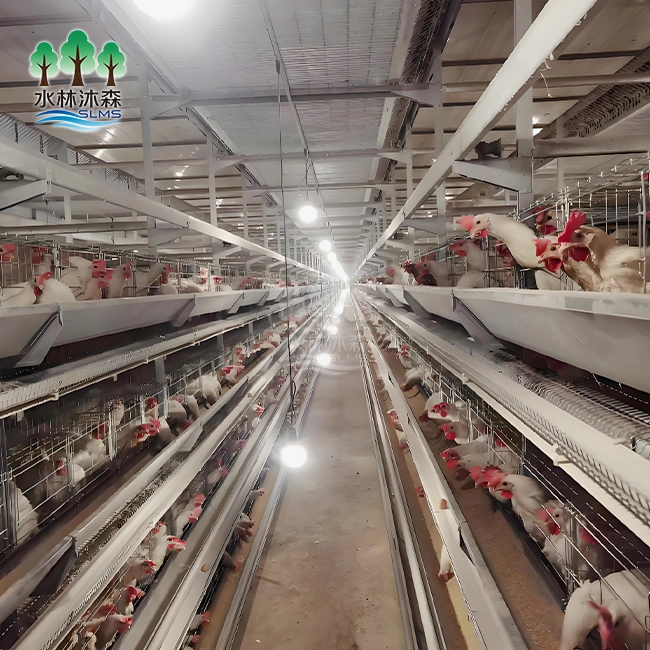
Top Poultry Farm Equipment for Efficient Egg Production Systems
These days, you need more than just chicken coops and feed buckets to run a profitable egg business. Modern poultry farming needs high-tech tools that balance the needs of the animals with the need to run the business efficiently and get a good return on investment. The Eight-tier Layer Cage arrangement, which is the pinnacle of vertical space optimization, is one of the most revolutionary developments in this field.
Modern commercial egg production is based on these complex structures, along with automated feeding systems, climate control ventilation, and built-in watering systems. Choosing the right mix of equipment has a direct effect on your labor costs, egg quality, production consistency, and long-term profits. In today's market, you need to make smart purchasing decisions to stay ahead of the competition.


Understanding Advanced Layer Housing Systems in Modern Egg Production
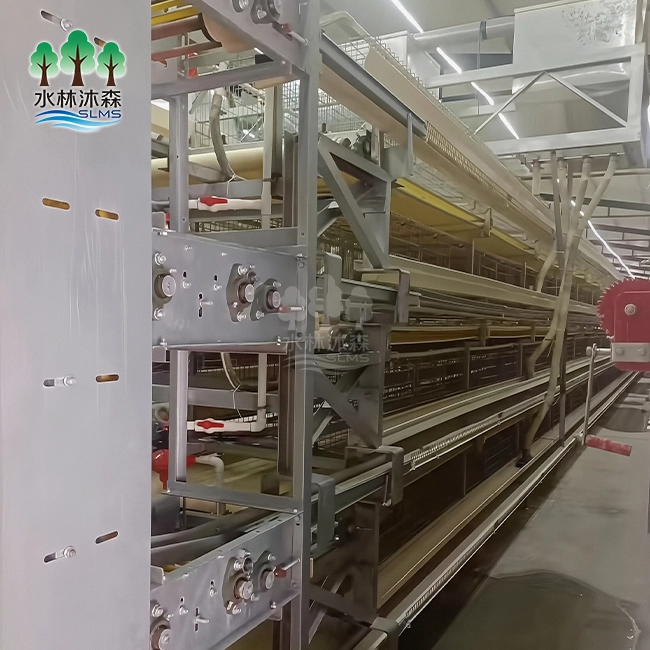
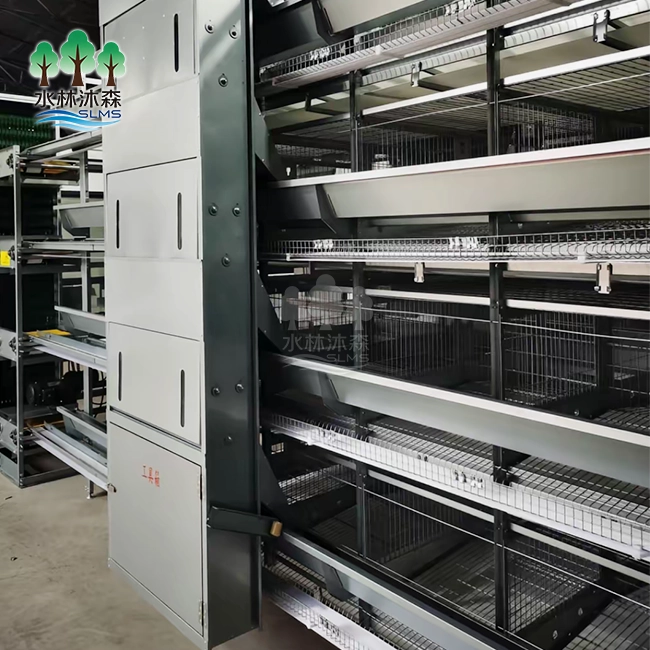
The switch from standard floor-based living to vertical cage systems is a big change in how much it costs to raise chickens. Multi-tier layer cages solve the biggest problem in the industry, which is how to get the most birds into each square foot without hurting the birds' health or the quality of their eggs. The advanced Eight-tier Layer Cage design achieves stocking densities of about 40KG/㎡, which is a huge increase in production potential compared to standard three- or four-tier setups.
The strong H-type structural frameworks used in these vertical housing options are made from Q235 galvanized steel wire and are designed to last for over 15 years of constant use. The galvanization process gives the metals important corrosion resistance in the harsh, ammonia-filled environment of large poultry farms. The quality of the materials directly affects how long the system lasts, so the grade of steel and the thickness of the coating are very important things to think about when buying.
Structural Design and Space Optimization
These days, multi-tier systems are smartly designed to do more than just stack things vertically. Each cage unit is 45 cm long, 45 cm wide, and 450 cm high. This makes modular arrangements that can be used in a variety of building sizes. The 10-degree slope in the bottom wire mesh lets eggs roll gently into collection troughs, which greatly reduces the number of broken eggs and the amount of work that needs to be done by hand.
The H-frame design easily spreads weight loads across foundation points, which lets facilities handle much larger bird populations without adding more support to the structure. This new design is especially helpful for businesses that need to increase production while staying within the size of their current buildings or that can't afford to buy new land.
Material Specifications and Durability Factors
Hot-dip galvanized steel with zinc covering densities above 275g/m² is used in premium layer cage systems to protect against corrosive dung acids better. This standard for surface treatment has real benefits over cold-galvanized options, which usually need to be replaced every three to five years. By using higher-quality materials, the equipment will need less maintenance and have a lower total cost of ownership over its entire life.
Another important factor for durability that is often overlooked during the initial procurement process is the quality of the welds. To keep the structure's stability under constant shaking and weight loads, the spot welds that hold the cage mesh in place must be able to withstand tensile forces of more than 350N. Reputable manufacturers use weighted testing to do load-bearing simulations that mimic fully grown bird populations across all tiers at the same time.
Comparing Multi-Tier Systems with Alternative Production Methods
To make a procurement decision, you have to carefully compare different housing approaches, as each has its own pros and cons when it comes to capital investment, operational costs, and following the rules. By knowing these comparison metrics, farm managers can choose equipment that fits their budgets and most important operational needs.
Capacity and Space Utilization Analysis
Compared to standard four-tier systems that take up the same amount of floor space, Eight-tier Layer Cage configurations can hold 300–400% more items. This vertical efficiency changes everything for businesses that can't grow because of high land costs or zoning laws that don't let them build bigger. The higher capacity density shortens the time it takes to get a return on an investment, especially in places where real estate is expensive or where property taxes are high.
On the other hand, the higher structure requires investments in foundation engineering and vertical access infrastructure to match. For Eight-tier Layer Cage systems to work, facilities need reinforced concrete supports that are usually 30 to 50 cm deep and have exact alignment lines to keep the ground from sinking, which could block automatic manure removal belts. These civil engineering requirements raise initial capital costs that need to be weighed against operational benefits that will last for a long time.
Automation Integration and Labor Efficiency
The biggest difference in operational costs between housing options is the switch from fully manual to fully automated systems. In traditional battery cages, eggs are often collected, food is distributed, and waste is removed by hand, which requires a lot of ongoing work. Complete automation packages, on the other hand, include mechanical feeding tracks, nipple watering lines, and manure removal by conveyor belt, which cuts the number of workers needed by birds to about one technician for every 50,000 birds.
Automated systems offer benefits for uniformity that go beyond just lowering the cost of labor. To make sure that animals get the right amount of protein, mechanical feeding makes sure that the feed is distributed evenly and that the right amount is given to each animal. Automated watering systems get rid of the risk of disease spread that comes with manually filling waterers and lower the risk of pollution from pools of standing water.
Eight-tier Layer Cage systems, in particular, maximize space efficiency while integrating seamlessly with these automated feeding and watering setups, further enhancing uniform access to resources across all tiers. Over time, these automation benefits add up, making flock health measurements better and egg production more consistent.
Environmental Control and Biosecurity Considerations
To deal with the problems of temperature stratification that come with vertical housing, advanced multi-tier systems need sophisticated climate management. Without proper ventilation design, the difference in temperature between the bottom and top tiers can have a big effect on the health and output of the birds. Premium setups use negative pressure systems that keep temperature changes below 2°C across all floors by calculating air speeds that are usually between 3.5 and 4.0 meters per second.
Put automated manure removal belts under each level to physically separate the birds from the waste, which greatly lowers the amount of ammonia and the health risks that come with it. This improvement to biosecurity means that diseases happen much less often than in deep-litter or deep-pit systems where birds are constantly in contact with waste. Lower disease pressure directly raises the number of eggs laid and lowers the cost of veterinary care.
Installation, Assembly, and Maintenance Protocols
Correct installation and maintenance procedures are very important for making sure that equipment lasts a long time and works well. Farm operators often don't realize how complicated it is to put together a multi-tier system. This can cause structural problems that make the system less efficient and parts to wear out faster.
Pre-Installation Planning and Site Preparation
A thorough site assessment that includes foundation needs, utility access, and vertical clearance requirements is the first step to a successful installation. The structures of buildings must be tall enough to accommodate Eight-tier Layer Cage configurations and have enough space above for maintenance access and environmental control equipment. Planning for the ability of automated feeding motors, lighting systems, ventilation fans, and possible temperature control heating or cooling systems is needed for the electrical infrastructure.
For foundation preparation to go smoothly, the foundation must be perfectly aligned. Support poles must line up perfectly with the positions of the H-frame legs. This keeps the weight properly distributed and stops the sinking that happens when the manure belt tracking fails. In this early stage, many installations benefit from consulting with civil engineers to make sure the structure is sound before the equipment arrives.
Assembly Sequence and Quality Verification
Professional installation services are helpful because they know how to handle the complicated process of putting things together and make sure that the manufacturer's warranty is followed. The building process usually starts with the base and moves up through multiple levels of additions, adding feeding systems, watering lines, and power connections at each level. Before moving on to the next level, quality verification checkpoints should make sure that the weld is solid, the wire mesh is tight, and the slope is correct.
Tracking the manure belt is a common installation problem that needs extra care during the first setup. The manufacturer's specifications must be met for belt tensioning, and anti-deviation mechanisms must be properly adjusted to stop lateral drift while the machine is running. The quality of the ultrasonic welding on the belt has a direct effect on how reliable it will be in the long term. This connecting point should be given extra attention during acceptance testing.
Maintenance Schedules and Inspection Protocols
Proactive maintenance programs greatly increase the useful life of equipment while reducing the number of times that unexpected breakdowns stop production. Structure integrity monitoring, mechanical component lubrication, electrical connection verification, and manure removal system performance should all be part of regular inspection schedules. Weld points, wire mesh condition, and framework alignment are checked on a monthly basis during walkthroughs. This lets problems be found early, before they get so bad that they stop working.
Cleaning protocols are especially important for keeping hygiene levels high and keeping equipment from breaking down. While automated manure removal systems take care of the daily buildup of waste, deep cleaning should be done on a regular basis to get rid of any leftover buildup and allow a full inspection of any hidden parts. Keeping good records of maintenance creates an important operational history that can be used to support warranty claims and help plan when to replace parts.
Procurement Strategies and Supplier Selection Criteria
To find your way around the global market for equipment, you need to use structured evaluation tools that weigh price competitiveness against quality assurance, technical support skills, and the chance of forming a long-term relationship. Eight-tier Layer Cage serves as a concrete example of such a specialized equipment type, where these criteria become particularly critical. Beyond the original deal, the process of choosing a supplier has a big impact on the overall success of an operation.
Manufacturing Capability and Quality Assurance Systems
Reputable manufacturers follow well-established quality control procedures that include checking the raw materials and testing the finished product. Companies with dedicated engineering teams usually have five or more specialized employees and release three or more new products every year, which shows that they can keep coming up with new ideas and are technically advanced. This ability to develop is especially useful for businesses that need custom solutions to deal with unique facility limitations or specific production needs.
Quality control should look at certain manufacturing standards, such as using non-destructive digital gauges to test the thickness of the zinc coating, checking the tensile strength of the welds, and simulating operational conditions during load-bearing simulations. Suppliers who are ready to provide third-party certification paperwork and help with facility checks show that they are honest, which is linked to reliable product performance.
Technical Support and After-Sales Service Infrastructure
Because the equipment is so complicated, it needs full technical support that goes far beyond the initial installation. When evaluating a supplier, you should look at how available the training programs are, how good the documentation is (including installation videos and maintenance guides), and how quickly you can get help with problems. On-site installation services get rid of a lot of common mistakes that happen during assembly and make sure that the system is properly set up and operators are trained.
The terms of the warranty show how confident the manufacturer is in the product's durability. Standard covering lasts for one year, but luxury providers may offer longer safety for important structural parts. The warranty should make it clear what parts are covered, how long you have to respond, and how to repair parts so that there are no disagreements when the claim is being settled. Understanding the regional spread of a service network is especially important for foreign procurement because it makes sure that all facilities can get technical help quickly, no matter where they are located.
Customization Capabilities and Scalability Options
Companies that need non-standard building sizes or specific production methods can benefit a lot from suppliers that offer customization services. Changing the size of the cage, the number of tiers, or adding special features makes it possible for equipment to work best with the infrastructure that is already there, instead of having to pay for expensive building changes. Customization options also support phased growth strategies, which let production grow in line with how market demand changes and how much capital is available.
Scalability is more than just adding more space; it also includes integrating new technologies as automation gets better. Proactive procurement looks at supplier roadmaps for digital monitoring systems, data analytics platforms, and precise environmental controls that could be useful in the future. By choosing partners who are dedicated to ongoing innovation, businesses can use new technologies without having to update their whole systems.
Optimizing Production Efficiency Through Equipment Integration
Individual pieces of equipment are most useful when they are put together in production systems that work well together and use technologies that complement each other to make the whole system work better. Holistic methods to building planning lead to greater energy savings than the sum of the improvements made by each individual part.
Automated Feeding and Nutrition Management Systems
Modern feeding automation can do more than just mechanically deliver food; it can also precisely manage nutrition. Programmable feeding schedules let you change the ration based on the age of the flock, its production stage, and the seasons. Automated portion control cuts down on feed waste, which is usually between 8 and 12% in human distribution systems. This saves money for big operations.
Integration with inventory management systems lets you track how much feed is being used in real time, which helps with making purchases and keeping accurate cost records. In more advanced installations, load cell weighing systems may be used to track how much food each feeding station receives. This lets health problems that show up as changes in appetite be found early.
Eight-tier Layer Cage systems, when paired with such weighing and inventory tools, benefit greatly from this real-time data because each tier's consumption pattern can be monitored individually, enabling more precise ration adjustments. With these data-driven management tools, feeding systems go from being simple machines to strategic production tools.
Climate Control and Ventilation Optimization
Environmental management is an important part of production because it affects how comfortable birds are, how well they fight disease, and how many eggs they lay. Negative pressure ventilation systems keep the air quality at its best while dealing with the problems of temperature stratification that come with vertical housing. Programmable controllers change fan speeds and inlet positions based on feedback from temperature and humidity sensors in real time. This keeps the target environment parameters stable even when outside conditions change.
As power costs affect a business's ability to make money, energy efficiency becomes a bigger factor in choosing a ventilation system. Variable frequency drives let you change the speed of the fans so that they match the amount of air flow to the actual cooling needs instead of always running at full capacity. This adaptive method usually cuts down on electricity use by 30 to 40 percent compared to fixed-speed options. It also makes motors last longer by reducing mechanical stress.
Integrated Monitoring and Data Analytics Platforms
When digital technologies are combined, it's possible to see more than ever before about the health of flocks, output measures, and equipment performance indicators. Monitoring temperature, humidity, ammonia levels, and feed usage habits with sensor networks creates data streams that help proactive management actions. Analytics platforms that find patterns in trends let problems be fixed before they have a negative effect on production.
These tracking tools are especially useful for businesses that have more than one location and want to make sure that production stays consistent across all of those locations. Centralized dashboards let executives see how different performance metrics compare, which makes it easier to find and standardize best practices. The operational intelligence that comes from full monitoring systems is becoming a bigger way to stand out in markets that focus on efficiency.
Conclusion
When choosing the best equipment for a chicken farm, you have to weigh the immediate cost of the purchase against the long-term benefits in terms of labor efficiency, production consistency, and the ability to expand the facility. Modern multi-tier housing systems offer huge increases in capacity within existing building footprints, and incorporating automation greatly lowers the amount of work that needs to be done on a regular basis.
During the buying process, it should be emphasized that the maker should have quality assurance procedures, a full technical support infrastructure, and the ability to customize products to meet specific operating needs. Eight-tier Layer Cage systems, in particular, demand such customization and support due to their vertical complexity and the need for precise integration with feeders, environmental controls, and tracking sensors. Putting together tools that help with feeding, controlling the environment, and tracking makes the benefits of each part even greater. This makes production systems that work well together, get the best return on investment, and set up businesses to stay competitive.
FAQ
What structural requirements support eight-tier cage installations?
Eight-tier Layer Cage systems put a lot of weight on a few points, so they need reinforced concrete foundations that are 30 to 50 cm deep and have precise alignment channels. It's important that the design of the foundation keeps it from sinking, which can jam automated manure removal belts, and that the weight is spread out evenly across the support columns. The height of the building has to be big enough to fit the vertical dimensions of the cages plus enough space above for maintenance workers and equipment that controls the environment.
How do multi-tier systems address temperature variation between levels?
Temperature differences between levels are kept below 2°C with negative pressure ventilation and air speeds of 3.5 to 4.0 m/s. The placement of the air intakes is planned so that cooling air flows to the upper levels, and deflector plates make sure that the air is spread out evenly. It is very important to make sure that all layers of houses have the right ventilation for the birds' comfort and consistent production.
What maintenance protocols extend equipment service life?
Monthly structural inspections that check the condition of the wire mesh, welds, and framework alignment help find problems early. Regularly greasing mechanical parts, checking the tracking of the manure belt, and testing electrical connections keep them from breaking down without warning. Deep cleaning rounds get rid of leftover buildup and let you check all of the parts carefully.
Partner with Shuilin Musen Aquaculture Equipment Co., Ltd. for Proven Production Solutions
To get the most out of your egg production, you need to work with equipment partners whose reputations are built on high-quality manufacturing and quick technical support. Eight years of specialized experience have given Weifang Shuilin Musen Aquaculture Equipment Co., Ltd. the ability to provide complete poultry farming solutions to large operations all over the United States.
Our focused team of five professional engineers comes up with three or more new goods every year while following strict quality control standards from choosing the raw materials to delivering the finished product. We have premium hot-dip galvanized steel multi-tier layer cage systems that can be fully customized and come with built-in automation for feeding, watering, and removing manure.
On-site installation services make sure that the system is properly set up, and full training makes sure that it works at its best from the start. Every installation comes with a one-year guarantee and ongoing technical help that can be reached at wangshuaislms@gmail.com. At slms-equipment.com, you can find detailed product specifications and ask a reputable Eight-tier Layer Cage manufacturer for personalized quotes.
References
1. North, M. O., & Bell, D. D. (2019). Commercial Chicken Production Manual. Springer Publishing.
2. Appleby, M. C., Mench, J. A., & Hughes, B. O. (2018). Poultry Behaviour and Welfare. CABI International Publishing.
3. National Research Council. (2020). Nutrient Requirements of Poultry: Ninth Revised Edition. National Academies Press.
4. Lacy, M. P., & Vest, L. R. (2017). Improving Egg Production Efficiency in Commercial Layer Operations. Poultry Science Association Monograph Series.
5. Xin, H., Berry, I. L., & Barton, T. L. (2021). Environmental Management in Confined Poultry Buildings. American Society of Agricultural and Biological Engineers Technical Publication.
6. Hunton, P. (2019). Research and Development in Egg Production Systems: Global Perspectives. World's Poultry Science Journal Publications.
Learn about our latest products and discounts through SMS or email