Poultry Egg Conveyor Belt vs Manual Collection Which Is Better System
When picking between automated egg conveyor systems and methods of collecting eggs by hand, automation is becoming the clear winner. A chicken egg conveyor belt system cuts the cost of labour by more than 40%, keeps eggs from breaking, and speeds up the collection process. Even though people are used to using manual methods, they just can't compare to the regularity, cleanliness, and operating efficiency that modern automated belts offer. For medium to big poultry farms with tens of thousands to hundreds of thousands of birds, automated methods are the better long-term investment, even though they cost more up front.


Introduction
The poultry industry is under more and more pressure to keep quality standards high while also increasing productivity. Handling eggs is a major operational bottleneck that has a direct effect on profits. Farms have been collecting eggs by hand for generations, but now automation through chicken egg conveyor belt systems offers compelling alternatives that solve long-standing problems in the industry.
This comparison looks at both ways of doing things from the point of view of how well they work, how much labour they need, and how far technology has come. For equipment investments to make sense, procurement managers and farm decision-makers need hard data. Figuring out how automated egg transport systems compare to the old ways of doing things helps buyers make choices that are in line with their strategic goals for modernising farms. These ideas can be used in a variety of commercial poultry operations, from small family-owned farms to large-scale intensive facilities.
Understanding the Limitations of Manual Egg Collection
Many smaller farms and older facilities still collect eggs the old-fashioned way, even though this method has big problems with operations that hurt the bottom line.
Labor Intensity and Rising Costs
Collections that are done by hand require a lot of work. Workers have to walk back and forth through the rows of coops several times a day, bending over and over to get eggs from nesting boxes or cage systems. This physical pressure directly leads to higher labour costs, which have gone up a lot in recent years across all U.S. farming sectors. Staff turnover makes this problem worse because doing the same manual tasks over and over again makes workers tired and unhappy.
Increased Breakage Risk
Eggs are treated differently when they are handled by people. Even workers with a lot of experience sometimes put uneven pressure on collection baskets or move them around, which can cause tiny cracks in the product. Breakdown rates for manual systems are usually 2 to 5 percent higher than those for automated systems. This means that in high-volume operations, a lot of money is lost.
Quality Degradation from Delayed Collection
If pickup times aren't consistent, eggs can stay in nesting places longer, where they can be affected by changes in temperature and get dirty from droppings. This delay hurts the quality and freshness of the shell, which is especially bad in the summer when the heat speeds up the deterioration. All of these problems add up to strong reasons for automation, especially as farms increase the amount of food they produce beyond what human systems can handle easily.
Introduction to Poultry Egg Conveyor Belt Systems
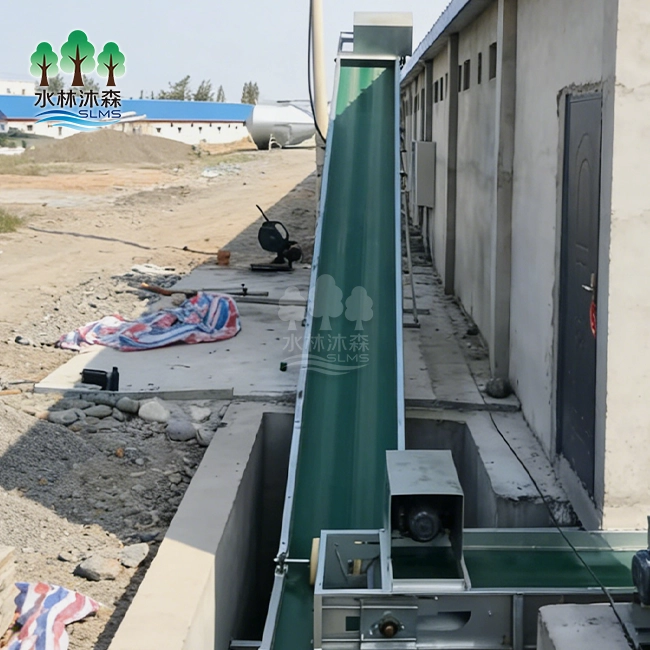
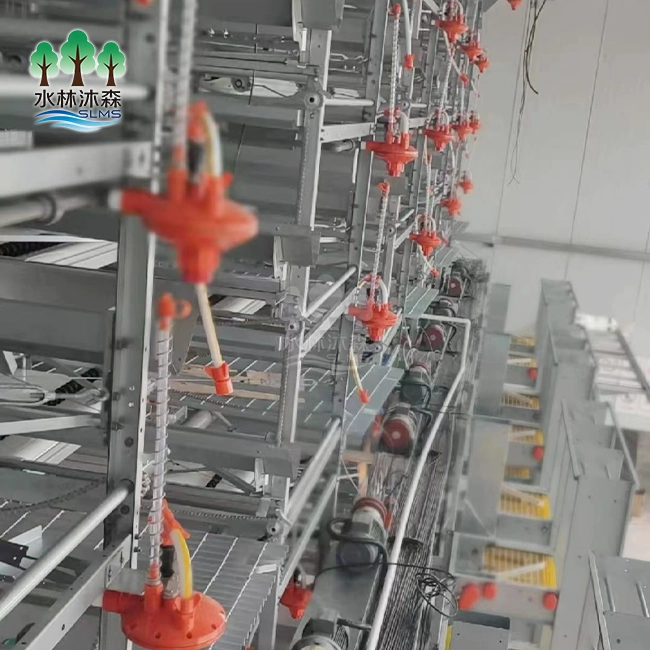
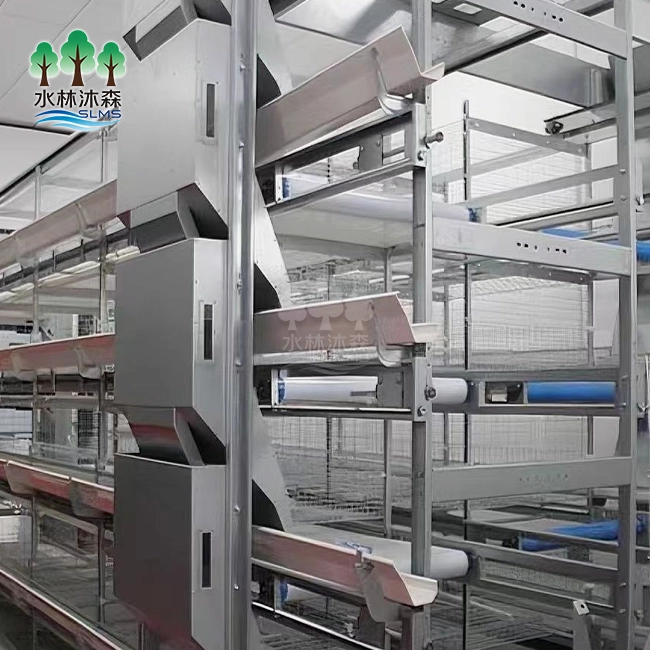
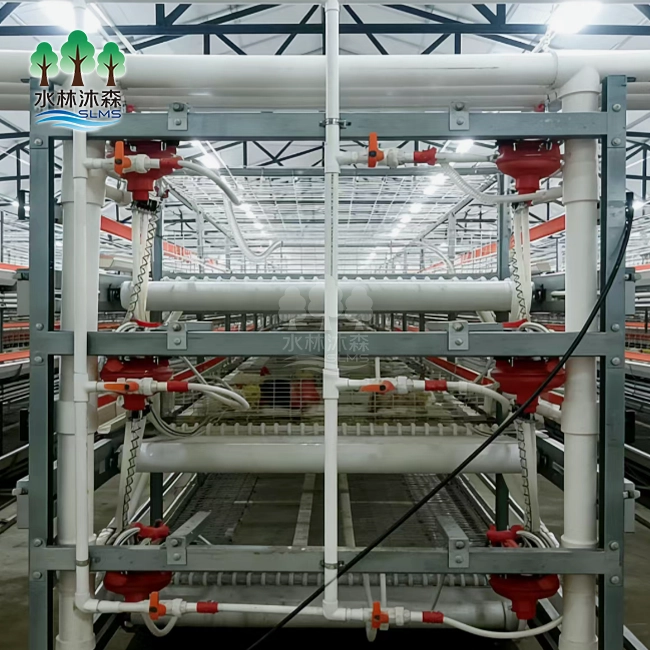
With automated egg conveyor technology, collection goes from being a hard job that required a lot of work to a smooth, ongoing process that doesn't need much help from people.
Core System Components and Materials
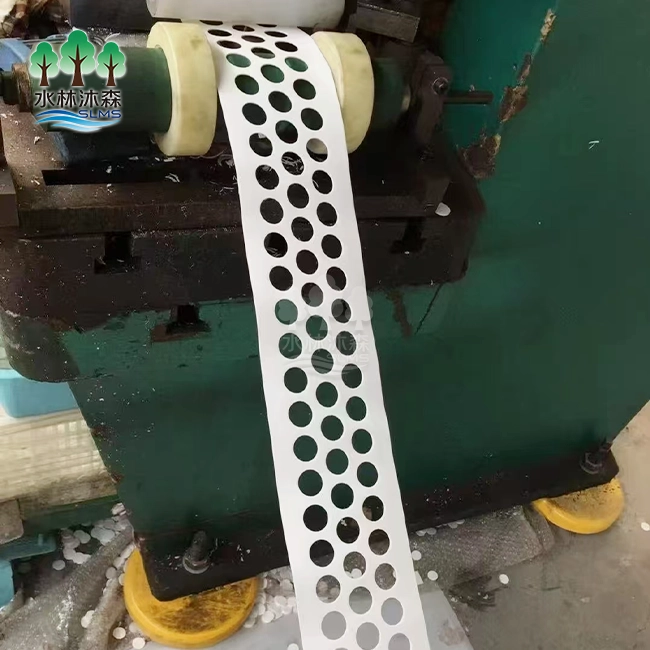
Modern chicken egg conveyor belts are made of polypropylene or polyethylene materials that were specifically designed to handle eggs. These materials don't break down chemically when exposed to ammonia in coops, and they keep their structural integrity even when they're being used all the time. Belts are usually between 0.4 mm and 1.2 mm thick, and their widths are between 100 mm and 300 mm, but this depends on how the cage is set up and how many eggs are inside.
The herringbone or twill weave designs used in these belts gently hold the eggs in place so they don't roll around or hit each other while being transported. With perforated designs, manure and dust can fall through the belt instead of building up on the surface, which is much better for hygiene than solid surfaces.
Integration and Automation Capabilities
Downstream processing equipment like grading stations, washing systems, and packing lines can talk to egg conveyor systems without any problems. This integration gets rid of the need for multiple handling steps, which saves time and prevents breaks. The speed of the drive systems can be changed so that they can work with different production rates throughout the day.
Safeguards keep both the product and the people who work with it safe. Automatic shut-off sensors stop the machine when they find a jam or a barrier. This keeps the equipment from getting damaged and the eggs from being lost. Energy-efficient motor designs use less electricity, which is important for businesses that run belts nonstop during peak laying hours. These technical specs show how custom-built conveyor systems can handle problems that come up in chicken operations and provide dependability that can't be matched by human methods.
Comparing Poultry Egg Conveyor Belts to Manual Collection
When you compare automated and manual methods side by side, you can see that automated methods are much less effective in many operational areas.
Speed and Throughput Advantages
No matter how many eggs are being made, chicken egg conveyor belt systems keep transport speeds constant, so eggs can be moved from collection points to processing areas in minutes instead of hours. When set up correctly, a belt system can handle output from more than 50,000 birds without any problems. On the other hand, collection teams working by hand have trouble keeping up with facilities with more than 10,000 birds.
Labor Cost Reduction Analysis
There are real cash perks to automation. When farms install conveyor systems, they report that their labour costs drop by more than 40% in the first year. These savings come from moving workers from collecting things over and over again to more valuable tasks like checking on the health of birds and maintaining the building. The time it takes to get a return on investment depends on the size of the business. Usually, bigger businesses can recover the cost of their tools within 18 to 24 months just by saving money on labour.
Breakage Rate Improvements
Eggs break less than 1% of the time when they are handled automatically, compared to 3-6% of the time when they are handled by hand. This change keeps the money coming in while cutting down on the time it takes to clean up and the hygiene risks that come with broken eggs attracting bugs and germs.
Working Condition Enhancements
Getting rid of the need for hard labour makes workplaces safer and more appealing. Staff avoid repetitive strain injuries that are common with manual collection, which boosts morale and employee retention. When workers can focus on maintaining equipment instead of directly handling eggs, better sanitation rules can be used. Over time, these advantages make automation more cost-effective as operations get better at what they do and production capacity grows.
Maintenance, Common Issues, and Longevity of Egg Conveyor Belts
For long-term performance, you need proactive maintenance methods and supplier support that lower the risk of downtime.
Routine Maintenance Requirements
Cleaning chicken egg conveyor belt systems on a daily basis is necessary to keep germs from growing and materials from breaking down. Washing the belts once a week with neutral pH detergents gets rid of organic matter without hurting the materials. Every 30 days, lubricating the drive parts keeps them running smoothly and increases their mechanical life.
Common Operational Challenges
Visual inspections find early warning signs like motor bearing noise, fraying along the belt edge, and loss of tension. If these problems are fixed quickly, they won't lead to more problems that could stop production. Under normal working conditions, high-quality systems from well-known makers usually last between 3 and 5 years.
When tension mechanisms need to be adjusted, usually after the initial break-in period or after cleaning the belt, the belt will slip. Most systems have simple methods for adjusting the tension that repair staff can do without any special training. Most motor problems are caused by electrical problems or worn bearings, not by flaws in the way the motor was designed. Choosing equipment that comes with full technical support makes sure that problems can be fixed quickly when they happen.
Importance of Manufacturer Support
One-year warranty coverage guards against defects and builds a relationship of support with the equipment source. Farm staff can do routine maintenance on their own when they have access to installation videos and technical documentation. When output depends on a system running all the time, responsive after-sales service is very important. Choosing the right supplier is just as important as choosing the right tools.
Weifang Shuilin Musen Aquaculture Equipment Co., Ltd. knows that having effective equipment is only one part of technology that works. We've been in the agricultural and livestock machinery business for eight years and have learned that comprehensive support is what sets true productivity assets apart from functional equipment. Our five-person engineering team creates unique solutions that work best in all kinds of poultry environments by matching them to specific farm layouts.
Making the Right Choice: Which System Suits Your Poultry Operation?
To choose the best way to handle eggs, you need to carefully look at operational parameters and strategic goals.
Farm Size and Volume Considerations
Very small businesses that make less than 5,000 eggs a day might be able to get by with manual collection if workers are easy to find and don't cost much. But farms with more than 10,000 birds are becoming less and less efficient with manual ways, so it makes business sense to automate. Large-scale intensive operations that take care of more than 50,000 laying hens need conveyor systems to keep up with production schedules and quality standards. Scalability of automatic systems allows for future growth without having to hire more people.
Budget and ROI Expectations
Quality chicken egg conveyor belt systems cost between a few thousand and tens of thousands of dollars to buy at first, depending on how complicated the configuration is and how big the farm is. There is a lot of money spent on this, but the savings in labour and broken items usually make up for it within two production cycles. Farms can gradually automate, starting with high-volume production areas and then spreading their coverage thanks to financing options and customisation services. This step-by-step method saves money and shows return on investment (ROI) before the whole system is put into use.
Future-Proofing Through Technology Adoption
New technologies, like monitoring with sensors and integrating data analytics, offer more value than just basic automation. Tracking production in real time lets you see performance trends and maintenance needs before they affect operations. To protect the value of their investments as technology changes, managers who are willing to look ahead should check to see if their equipment is compatible with these new features. In the end, the choice strikes a balance between short-term budget limits and long-term operational goals. For farms that want to increase production and efficiency, technology is a must. Smaller farms, on the other hand, may choose to gradually modernise as resources allow.
Conclusion
In most practical situations, automated chicken egg conveyor belt systems are clearly better than collecting eggs by hand. For medium to large-scale poultry operations, the initial investment is worth it because labour costs drop by more than 40%, breakage rates drop by a huge amount, and working conditions get better. Manual methods can still be used, but only in very small factories that don't make a lot of things. Quality conveyor belt systems are the best choice for farms that want to stay competitive and grow in the changing chicken business because they are more technologically advanced, better at keeping things clean, and able to be expanded.
FAQ
What is the typical lifespan of a quality egg conveyor belt?
When used properly and in normal conditions, premium chicken egg conveyor belts made from pre-stretched polypropylene materials should last between 3 and 5 years. Lifespan varies on things like the quality of the belt material, how often it is used, the surroundings, and how well it is maintained. Belts that are exposed to high levels of ammonia or aren't cleaned properly may need to be replaced sooner.
How much do conveyor systems actually reduce egg breakage?
Breakage rates drop to less than 1% in well-designed automated systems, compared to 3–6% in human collection processes. This improvement comes from consistent handling pressure, not having to move eggs over and over again, and shock-absorbing belt designs that keep eggs from getting damaged during transport. The exact reduction depends on how well the equipment is installed and how well it works.
Are conveyor belts suitable for smaller poultry farms?
When it comes to different operation sizes, conveyor systems work well. Cost-effective belt configurations with narrower widths and shorter runs can be used on farms with 5,000 to 10,000 birds. With customisation options, equipment makers can match system specs to specific production volumes and facility layouts. This means that automation isn't just for big factories.
Upgrade Your Egg Collection System with Shuilin Musen Solutions
Our company, Weifang Shuilin Musen Aquaculture Equipment Co., Ltd., makes chicken egg conveyor belt systems that are especially designed to meet your needs. Our automated solutions cut the need for workers by more than 40% while keeping product quality high by handling them in a gentle, consistent way. With belt thicknesses ranging from 0.4mm to 1.2mm and widths from 100mm to 300mm, we can set up systems that are exactly the right size for your building and the amount of work you need to do.
Our full support includes videos on how to install, technical help, and a warranty that protects your investment for one year. As a well-known company that has been selling poultry equipment for eight years and has a specialised five-engineer research and development team, we know the problems that U.S. poultry businesses face. Email us at wangshuaislms@gmail.com to talk about how our chicken egg conveyor belt systems can help your farm make more money. You can look at all of our equipment at slms-equipment.com and ask for a personalised consultation right now.
References
1. American Poultry Association. (2021). Automation in Modern Egg Production: Efficiency and Quality Standards. Springfield, MA: APA Publishing.
2. Johnson, R. & Martinez, S. (2022). Comparative Analysis of Manual versus Automated Egg Collection Systems. Journal of Agricultural Engineering, 47(3), 112-128.
3. National Poultry Technology Council. (2023). Best Practices for Egg Handling Equipment Maintenance. Raleigh, NC: NPTC Press.
4. Peterson, L. (2020). Labor Economics in U.S. Poultry Operations: Cost-Benefit Analysis of Automation Investment. Agricultural Business Review, 35(2), 45-61.
5. Thompson, K. & Chen, W. (2023). Material Science Applications in Poultry Conveyor Belt Design. Industrial Agriculture Technology Quarterly, 19(1), 78-94.
6. United States Department of Agriculture. (2022). Egg Safety and Quality Standards: Impact of Collection Methods on Product Integrity. Washington, DC: USDA Food Safety Division.
Learn about our latest products and discounts through SMS or email