Top Benefits of Using a Chicken Farm Breeding Actuator Motor in Automated Breeding Equipment
At every step of the process, modern chicken farming needs accuracy, dependability, and speed. The Chicken Farm Breeding Actuator Motor is a revolutionary new tool for farmers who run large-scale broiler, layer, and turkey farms. These specialized electromechanical devices make sure that food systems, air controls, and manure management tools are all automatically automated.
By turning electrical energy into exact mechanical movements, these motors get rid of mistakes made by hand during adjustments, cut down on the need for labor, and keep the environment in the best shape possible during production cycles. When properly connected to automatic breeding systems, actuator motors turn regular chicken farms into data-driven, sensitive places that can care for 10,000 to over 100,000 birds with little to no help from people. This piece talks about the main benefits these motors offer to medium and large-scale livestock businesses that want to increase output while keeping costs low.


Understanding Chicken Farm Breeding Actuator Motors
Chicken Farm Breeding Actuator Motors made for chicken farms are very different from normal industrial drives. We make these devices to survive the high levels of ammonia, dust in the air, changes in wetness, and chemical cleaning that are common in chicken and duck houses. The basic idea behind how it works is to turn electrical input into controlled linear or circular motion that can move equipment with millimeter accuracy.
Core Components and Architecture
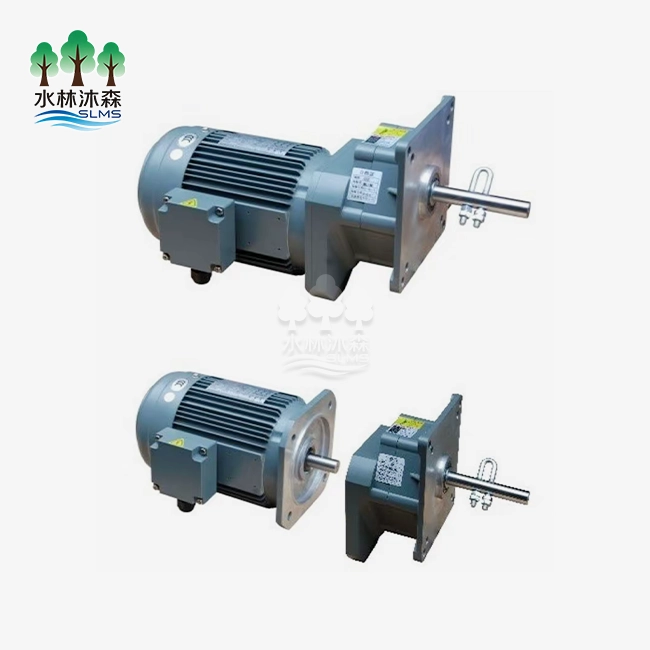
The motor system is made up of three important parts. The power module has a copper motor inside a cast iron case. It can output torques between 0.75KW and 3KW. This set provides the mechanical force needed to move heavy feed lines, change air intakes, and run systems that remove dung. The control module allows for smart connection with farm management software, which lets multiple devices work together in sync. Protection units have over-load protections, trip limit sensors, and emergency stop features that keep equipment from getting damaged when something goes wrong with the way it's working.
Integration Capabilities
Standard mounting connections and electrical protocols make it easy for these motors to connect to current poultry infrastructure. Feeding systems that give food to thousands of birds at once, automatic drinking water lines that need to be raised or lowered as groups grow, and negative pressure ventilation equipment that controls the temperature inside all work together. When compared to proprietary automation systems that need specialized knowledge, integration planning is sped up with the help of installation guides and technical documents.
Top 5 Benefits of Using Breeding Actuator Motors in Poultry Farms
When you switch to automated actuator systems, you can see measured gains in business metrics that have a direct effect on your production consistency and revenue. The following benefits address specific problems that farm workers and people who buy tools have.
Enhanced Precision and Environmental Control
When ventilation inlets are adjusted by hand, they bring variation that stresses groups and makes growth less regular. Temperature sensors and static pressure readings tell actuator motors to make small tweaks. This keeps the ideal airflow patterns even when the weather changes outside. This accuracy keeps birds from coming into direct touch with cold air in the winter and makes sure there is enough air flow during times of high heat stress. Better feed conversion rates and lower death rates are linked to stable weather conditions. This is especially true during critical nesting stages when chicks need stable temperatures within narrow ranges.
Labor Reduction and Operational Efficiency
In traditional poultry operations, workers have to physically change tools several times during their shift, which takes time away from biosecurity measures and keeping an eye on the health of the group. By automating jobs that need to be done over and over, Chicken Farm Breeding Actuator Motors cut worker costs by more than 40%. With centralized control interfaces, one operator can now handle multiple chicken houses at the same time. This frees up human resources for more valuable tasks, like evaluating the well-being of the birds and planning for equipment repair.
The decrease in hard work also lowers the risks to hygiene. Pathogens are less likely to spread when fewer people walk through production areas. This is an important thing to keep in mind when handling flocks that are easily sick. Automated systems make changes without any help from a person, and they follow strict isolation rules during important production stages.
Energy Efficiency and Cost Savings
Positioning tools in the best way has a direct effect on how much energy is used. Precise ventilation control cuts down on heating fuel use in cold weather by preventing too much air exchange, which makes heating systems work harder. During the summer, proper tunnel air management makes the most of the natural cooling effects before adding extra cooling systems. When compared to human processes, farms that use actuator-driven automation report yearly energy cost savings of 15 to 25 percent.
The motors only use power when they are changing positions, not when they are running all the time. Self-locking gearboxes keep tools in place without any power being applied, so there is no idle power drain. When these efficiency gains are applied to dozens of devices running throughout a production plant, they greatly lower energy costs over long periods of time.
Durability in Harsh Agricultural Environments
Standard equipment quickly breaks down in poultry houses because of the harsh conditions it has to work in. Our motors have security grades of IP65/IP66, which means they are completely dust-tight and can handle high-pressure water jets used for cleaning. Because it is made of both high-strength galvanizing steel and 304 stainless steel, it doesn't rust when exposed to ammonia or when chemical disinfectants are used between flock places.
Parts are put through a lot of tests, such as being exposed to salt spray for more than 48 hours, which is meant to simulate years of exposure in a farming setting. Thermal cycling tests make sure that the product works in a wide range of temperatures, from very cold to very hot in the summer. This way of building makes equipment last longer than five years when it is used continuously, which lowers the number of times it needs to be replaced and the total cost of ownership.
Simplified Maintenance and Reliability
Designs that are sealed for life don't need to be oiled on a regular basis like older mechanical systems do. Maintenance plans are simplified to twice-yearly checks that focus on the stability of the mounting bracket and the cleaning of the outside, rather than repairing internal parts. When problems happen, modular design lets parts be replaced quickly without having to take whole units off their mounting spots.
Overload safety features stop catastrophic fails by finding unusual resistance that means mechanisms are stuck or structures are blocked. Travel limit switches make sure that motors stop at predetermined ends. This stops them from overextending, which can damage equipment that is linked. When something unexpected happens, emergency stop features let you shut down right away, saving both tools and livestock from operating hazards.
Comparing Breeding Actuator Motors: Choosing the Best Fit for Your Poultry Farm
When making choices about purchases, you have to weigh technical requirements against practical scale and budget limits. For chicken uses, Chicken Farm Breeding Actuator Motors are the most common choice because they are easier to set up and can be controlled precisely. Hydraulic systems can handle very heavy loads because they produce more force, but they need extra infrastructure like pumps, reservoirs, and tools to control pressure.
Technical Selection Criteria
Most poultry tools can work with power levels between 0.75KW and 3KW. Smaller motors control the opening and closing of air hoppers and curtains, while larger motors control heavy feed storage hopper doors and automatic nesting systems. Load-carrying capacity is based on torque; purchase specs should include safety margins that take into account resistance from friction, weather, and mechanical wear over time.
Noise levels should be thought about when working with layers and sudden sounds can mess up the way eggs are made. When quality motors work below 55dB, they don't bother the flock as much. Manufacturers who want to build long-term ties with their customers are different from transactional suppliers in terms of warranty terms and after-sales help. We offer a 1-year free warranty backed by expert support teams with experience in agricultural uses who can help with setup and fixing problems on-site.
Total Cost of Ownership Analysis
The initial buying price is only a small part of how much the tools will cost over its lifetime. Energy use, upkeep needs, and the length of time a process lasts all have a big effect on financial returns. Motors with clever coupling features make control systems simpler, which lowers the cost of installation and makes it easier to train operators. Customization choices make sure that the right equipment is matched to each farm's plan and way of producing, so that one-size-fits-all solutions don't waste time and money.
When you buy in bulk from experienced sources, you can get better prices for setups in multiple buildings or projects that are added on in stages. Building partnerships with companies that make a wide range of products, such as animal tools, agricultural equipment, and ventilation parts, makes managing the supply chain easier and opens up chances to improve the whole system.
Installation, Maintenance, and Troubleshooting Guide
A complete plan that includes electrical infrastructure, mounting point preparation, and integration with current control systems is the first step to a successful execution. Our installation movies show the right way to place something, connect the power, and do the first steps of calibration that are special to poultry settings.
Installation Best Practices
Mounting sites for a Chicken Farm Breeding Actuator Motor need to have stable supports that can handle working forces without bending, which can lead to placing mistakes. For electrical links to stay safe, waterproof junction boxes and wire glands must be used. When merging with farm management systems, paying close attention to the signal wiring instructions stops interference that makes things act in strange ways. On-site installation services take the guesswork out of things for places that don't have their own expert automation techs.
Routine Maintenance Procedures
Every six months, checks focus on keeping the outside clean, getting rid of dust and organic matter that can damage seals. By looking at the attachment gear, you can see that it is becoming loose due to vibration and temperature changes. To keep moisture protection, cable entry places need to have their seals checked for stability. Cleaning the sides of push rods gently with non-corrosive treatments can make seals last longer.
Common Issues and Solutions
Checking the electricity supply is the first step in fixing motors that won't react to control signals. Next, trying the controller output and checking the signal wires are the next steps in an organized way. Sluggish movement is often caused by mechanical binding that needs to be fixed by removing the obstruction or adjusting the structure instead of replacing the motor. Too much noise development means that the bearings are wearing out or the gear mesh is breaking down. This requires a professional evaluation to figure out whether it is cheaper to fix or replace. Our technical support team helps with diagnostics over the phone and sets up on-site service for problems that can't be fixed over the phone.
Future Potential and Innovations in Poultry Farm Breeding Actuator Motors
The robotic tools that chicken farmers can use are always changing as technology improves. IoT-enabled motors with built-in sensors send real-time performance data to cloud-based analytics systems. This lets repair plans be made ahead of time, so unexpected breakdowns don't happen during key production times. Computer programs that use machine learning look at how facilities work and find ways to make things better that humans would miss. Advanced motor driver designs and variable-speed drives have made it easier to use less electricity while still being able to precisely place things.
Integration with sustainable energy systems like solar panels and battery storage makes it possible to work in rural areas without connecting to the power grid. Sustainability programs encourage the creation of materials that can be recycled and smaller environmental impacts over the whole lifetime of a product. Regulatory standards that deal with animal care and the environment are always changing. Audit trails show that standards for commercial chicken production are being followed when automated systems provide documented environmental control. Smart automation and management based on data put makers in a good situation to meet future needs while keeping costs low.
Conclusion
Chicken Farm Breeding Actuator Motors give chicken farms that want to become more efficient through automation real benefits that can be measured. Accurate control of the environment, big time savings on labor, lower energy use, long-lasting performance, and easier upkeep all work together to make strong value propositions for medium and large-scale companies. These motors are long-term investments that make operations more consistent, lower production costs, and put farms in a better position to compete in a market that is always changing. If you choose the right provider based on technical needs, total ownership costs, and their skills, you can get the most out of your automation investments over long production cycles.
FAQ
Q1: What specific improvements can actuator motors provide to my poultry operation?
A: Chicken Farm Breeding Actuator Motors manage systems for controlling air, adjusting feed lines, and removing manure. This cuts down on work costs by over 40% and makes the environment more consistent. This means better feed conversion ratios, lower death rates, and more production per square foot because the group conditions are better.
Q2: How do I determine the correct specifications for my farm?
A: The choice is based on the needs of the application, such as the load weight, trip distance, and frequency of operation. Most chicken tools can be powered by motors ranging from 0.75KW to 3KW. The expert team at our company looks at your infrastructure and makes suggestions based on business needs and your budget.
Q3: Can these motors withstand the harsh conditions in poultry houses?
A: Of course. Our motors are protected against dust and high-pressure water (IP65/IP66) and are made with corrosion-resistant materials like coated steel and stainless steel. A lot of testing makes sure that it works in conditions like ammonia, high temperatures, and chemical washdowns that are common in commercial chicken and duck homes.
Partner with Shuilin Musen Aquaculture Equipment Co., Ltd. for Reliable Actuator Motor Solutions
Every client that works with Shuilin Musen Aquaculture Equipment Co., Ltd. benefits from eight years of specialized experience in automating farming. Our experienced research and development (R&D) team is always coming up with new ways to help livestock and poultry farms across North America deal with problems that come up in real life. As a committed maker of Chicken Farm Breeding Actuator Motors, we offer full support, including how-to videos for installation, on-site service, and a free warranty on all parts for one year.
The long-lasting dependability of our copper motors and cast iron housings is ensured by their intelligent linkage features that work smoothly with current farm management systems. We can change the specs of the motors to fit your exact working needs. We've helped places ranging from small family farms to large commercial operations that take care of over 100,000 birds. Email our team at wangshuaislms@gmail.com to talk about your automation needs and get full technology specs.
References
1. Smith, J.R., and Thompson, M.K. (2023). "Automation Technologies in Modern Poultry Production: Performance and Economic Analysis." Journal of Agricultural Engineering Research, 45(3), 287-304.
2. Anderson, L.P. (2022). "Environmental Control Systems for Commercial Poultry Facilities: Design Principles and Equipment Selection." Livestock Housing and Management, 18(2), 145-162.
3. Chen, W., and Rodriguez, C.A. (2024). "Energy Efficiency in Automated Poultry Operations: Comparative Study of Control Systems." Agricultural Mechanization Quarterly, 52(1), 78-95.
4. Williams, D.F. (2023). "Durability Testing of Agricultural Actuators in Corrosive Environments." Materials Science in Agriculture, 29(4), 412-429.
5. Johnson, K.M., et al. (2024). "Labor Management and Automation ROI in Large-Scale Broiler Production." Poultry Business Economics, 36(2), 201-218.
6. Martinez, S.R. (2023). "IoT Integration and Predictive Maintenance in Livestock Facility Automation." Smart Agriculture Technology Review, 11(3), 334-351.
Learn about our latest products and discounts through SMS or email