How to install water supply stabilization components in a poultry shed?
A Poultry Shed Water Supply Stabilization Component is easy to set up. All you have to do is connect a water storage tank with a built-in backup pump and filter system to your current water line. The part controls the flow of the water coming in, filters out sediment and other impurities, and makes sure that all of the nipple drinkers in your chicken facility always have water. Installing it correctly usually takes two to four hours and only needs basic plumbing tools. But the benefits of fewer equipment breakdowns and healthy birds make it necessary for modern businesses.


Understanding Poultry Water Supply Stabilization Components
Most farm managers don't understand how important it is to have consistent water. When thousands of broilers or layers depend on nipple drinkers that need exact pressure to work right, even small changes can cause problems all over your business.
What Are Water Supply Stabilizers?
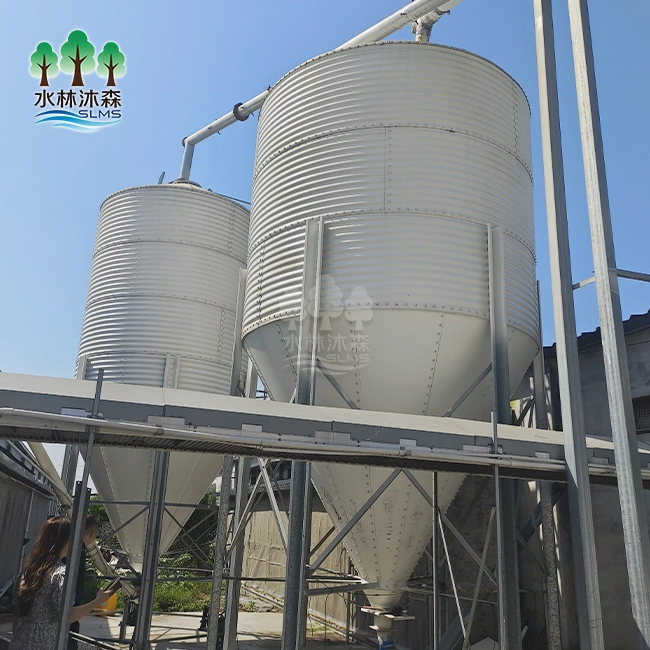
A Poultry Shed Water Supply Stabilization Component protects the drinking system in your chicken house from the harsh effects of water from the city or a well. It's kind of like a shock cushion for your hydraulics. There is a holding tank that can hold between 500 and 5,000 liters of water, an automatic booster pump that turns on when needed, and high-precision filter units that get rid of particles before they reach the drinking lines.
There are different ways to set up these platforms. Manual pressure controllers are easy to use and don't need much upkeep, but they do need to be adjusted from time to time. When the group size or water consumption changes, electric types with automatic controls change the pressure on the fly. When you pair pressure controllers with surge tanks, you get the most stable output, which is great for businesses that take care of 50,000 birds or more in various houses.
How Pressure Regulation Works?
The way that pressure is kept stable is a mix of precise mechanics and useful engineering. When water comes into the holding tank, it goes through filter screens that catch particles as small as 50 microns. When birds use nipple drinks, the drop in pressure sets off sensors that turn on the booster pump. No matter how many birds are drinking at the same time—five or five hundred—the pump keeps the output pressure in a small range, usually between 0.3 and 0.5 Bar.
This steady range of pressure stops two common problems before they happen. When there is too much pressure, leaks happen at the drinker joints. This soaks the litter and makes ammonia build up. When there isn't enough pressure, birds at the end of long drinking lines have a hard time getting enough water, which can cause stress, dehydration, and lower feed conversion rates. Our systems keep that perfect middle ground by instantly adjusting for changes in supply without any help from a person.
Benefits That Extend Beyond the Waterline
When water flow is stable, it lowers the mechanical stress on all of your equipment. There are fewer pressure spikes in pipes, fittings, and nipple drinkers. Pressure spikes are what cause joints and seals to break down early. When stabilization parts are fitted correctly, operations get 40–60% fewer emergency repair calls for water system breakdowns.
The filtering part has a benefit that is often missed. Biofilm creation in drinking lines is a major cause of bacterial contamination. It happens when organic bits give germs a place to stick to. Stabilization units cut down on virus loads by removing suspended solids before they get into the transportation chain. Farms that use these methods have seen a 25–30% drop in the number of bowel diseases in their flocks, which directly lowers the number of deaths and raises the average daily gain.
Common Issues in Poultry Water Supply Without Stabilization
If you run a chicken farm without a Poultry Shed Water Supply Stabilization Component, you'll have a lot of problems. We've worked with farm managers who thought their water issues were "part of the business" until they saw how stabilization could help.
Pressure Fluctuations and System Damage
As household and business demand rises and falls throughout the day, municipal water systems experience changes in pressure. In the morning, when nearby buildings use more water, your shed might get water at 2.5 Bar. Things could go from 1 Bar to 4 Bar by afternoon. Every move puts stress on every link in your drinking line network. Most pipe bursts happen when the flow of water is steady. They happen when parts that are already weak finally give way under a sudden increase in pressure. In a 100-meter broiler house, one broken line can flood 30 square meters of floor space in minutes, which lowers the quality of the litter and requires emergency flock management. The cost of the workers and the stress on the birds caused by these events are much higher than the cost of buying preventative stability equipment.
Impact on Bird Performance and Farm Economics
Unreliable access to water leads to secret loses in production that add up over the course of a flock's life. Studies on the feeding of birds have shown that broilers' bodies react badly to being deprived of water for even short periods of time, like two hours. Birds quickly eat less, and they don't fully make up for it when they can get to water again. We looked at farm production statistics from before and after installing a stabilization device. The results always show improvements of 3–5% in the efficiency of feed conversion and gains of 150–200 grams in the average live weight at processing age. Over a 40,000-bird house with six groups a year, those gains add an extra $15,000 to $20,000 in income each year.
Farms that don't have stability also have higher costs for upkeep. Calls for emergency service, new parts for broken connections, and work to fix problems that happen from time to time use up resources that could be used for growth projects. Before they stabilized all of their buildings, one group we work with found that they were spending $8,500 a year on water system upgrades for each house.
Step-by-Step Guide: How to Install Water Supply Stabilization Components in Poultry Sheds
Careful planning and attention to detail are needed for a Poultry Shed Water Supply Stabilization Component installation to go smoothly. We've made this process better by installing it hundreds of times on everything from family farms with 5,000 birds to business buildings with 200,000 birds.
Pre-Installation Assessment and Equipment Selection
First, check your water pressure by taking readings at different times during the day. A scale that reads between 0 and 6 Bar is what you'll need. Take readings at 6 AM, noon, and 6 PM for three days in a row. To find out how much water you need each day, increase the number of birds by 250 milliliters per bird, which is how much broilers usually drink each day. Then, add 20% for system cleaning and other situations that might come up.
The tank should be able to hold enough for at least 8 to 12 hours of use before it needs to be refilled. 24-hour reserve capacity is helpful for businesses that use municipal sources that aren't always dependable. The material of your tank should match the chemistry of your water. Food-grade polyethylene is fine for most cases, but 304 stainless steel construction is recommended for businesses that use acidic water additives or aggressive sanitizers to keep the tanks from rusting.
Where you put equipment is important. The stability unit should be placed on a flat concrete pad close to the main point where water comes in. The pad should be at least 15 centimeters above the floor to keep it from flooding while you clean. Leave at least 80 centimeters of space on all sides for repair workers to get to. The booster pump's electrical outlets must have GFCI protection and be rated for the pump's power needs.
Installation Sequence and Technical Steps
Before you start working, turn off the main water source and drain all of the water from the lines. Use anchor bolts that are right for the material of your pad to firmly attach the storage tank. For permanent installations, use concrete anchors, and for temporary setups, use heavy-duty lag bolts. Place the tank so that the connection for the entrance faces your supply line and the connection for the exit faces your distribution header.
Flexible braided stainless steel tubes with a 10 Bar working pressure rating can be used to connect the inlet line. These absorb vibrations and let you make small changes to the position without having to make any changes to the hard pipes. Put in a ball valve right before the tank's entrance to keep it closed during future repair. To make sure the joints don't leak, thread connections should get thread seal tape—three wraps clockwise when looking at the male threads.
Follow the flow direction lines that are molded into the housing to mount the filter unit. Filters are usually put after the tank but before the booster pump in the normal setup. This keeps gritty particles from getting into the pump seals. For extra safety, some businesses add a second filter stage after the pump. After 48 hours of use, change the filter cartridges to get rid of any installation debris. Then, set a normal plan for replacements.
Connect the extra pump to your power source according to the manufacturer's instructions and the rules in your area. The automatic pressure switch is usually already set to turn on at 0.25 Bar and off at 0.45 Bar, which are the best settings for nipple drinking systems. During installation, use an accurate gauge to check these settings. Use the same flexible hose method to connect the pump's exit to your distribution header as you did for the input side.
System Commissioning and Performance Verification
Slowly open the main supply valve to let the tank fill up while you check all the connections for leaks. When the tank is full, turn on the booster pump and make sure it builds pressure until it hits the stopping point. Then, let it go off by itself. Open a few nipple drinkers at the same time and make sure the pump starts up again in two to three seconds when the pressure drops below the engagement level.
During this first test, walk through your whole drinking line system. Make sure that the end-of-line drinkers have enough flow—when pressed, each nipple should release about 60 to 80 milliliters per minute. When flow rates aren't the same, it means there are air spots in the lines that need to be bled through hand purge valves. For future reference when troubleshooting, write down the standard pressure readings at the exit of the stabilization unit and at quarter-points along your longest drinking line.
Maintenance Tips for Poultry Water Supply Stabilization Systems
When you take care of your Poultry Shed Water Supply Stabilization Component properly, it lasts longer and keeps working better, which is why you bought it in the first place. We've made preventative plans based on how things really work in the real world, where the temperature and water quality are different.
Routine Inspection and Cleaning Protocols
Check the filter refills once a week for the first month to get a sense of how often they get clogged. For fairly clean water sources, most businesses only need to replace them once a month. However, farms that use well water with a lot of iron or minerals may need to do it every two weeks. Objective signs are differences in pressure across the filter housing, which can be found by using gauges on the holes for entry and exit. When the difference goes above 0.8 Bar, you should replace the cartridges.
Between flock rounds, the inside of the tank should be cleaned very well. First, empty the tank all the way, and then use a medium-pressure sprayer with light soap to clean the walls and bottom of the tank of biofilm. Rinse well to get rid of any soap leftovers that might make the water taste bad. Use a flashlight to look inside the tank for cracks or material loss, especially where the inlet and exit lines are located because that's where the most stress is.
For booster pump upkeep, you need to check the tightness of the mounting bolts once a month (vibrations slowly loosen hardware) and listen for strange noises that could mean bearing wear or impeller cavitation. Qualified workers service the pump once a year, which includes checking the seals, greasing the bearings, and fixing the electrical connections. These safety steps usually cost between $150 and $200, but they keep your whole water system from breaking down in a catastrophic way.
Troubleshooting Common Performance Issues
When the pressure drops and the pump runs for longer, it's generally because the filter system is partially clogged or minerals are building up in the tank. To fix this, clean the filters with water and check the tank for silt buildup. Farms with hard water can benefit from yearly descale processes in which citric acid solutions are pumped through the system while it's not in use.
When the pressure values are off, it means that air is getting into the feed line or the pressure switch isn't working right. Check all the connections that come before the tank for small leaks that let air in when the system is under negative pressure during times of high demand. When a pressure switch fails, pumps often run all the time or don't turn on when they're supposed to. New switches cost $40 to $60, and they're easy to put in with simple hand tools.
Choosing the Best Water Supply Stabilization Components for Your Poultry Farm
When deciding what Poultry Shed Water Supply Stabilization Component to buy, you should weigh the short-term budget limits against the long-term operational costs and performance effects. We regularly walk procurement managers through this research, and over and over again, the same trends show up.
Evaluating Durability and Build Quality
Material choice affects how long something lasts. Food-grade plastic tanks don't rust and can handle temperatures ranging from -20°C to 60°C without breaking or shrinking. However, processes that take place in high-UV areas, like sheds with lots of natural light, should choose UV-stabilized materials or stainless steel to keep it from breaking down over the course of 10 to 15 years. The quality of booster pumps from different sources changes a lot. Industrial pumps with cast iron housings and stainless steel impellers cost 40–50% more than residential-grade pumps of the same type, but they last three to four times as long in continuous-duty farming settings. Carefully read the pump's specs. For safe operation when no one is around, you must have thermal overload protection and sealed bearing assemblies.
The part that filters should be looked at more closely. Standard nipple drinkers are protected by cartridge-style filters with nominal ratings of 50 microns. Systems that use micro-drinkers or medicine injection need elements with absolute ratings of 25 microns. Housings should have quick-disconnect features that let you change the cartridge in less than three minutes without any tools. This will cut down on downtime during maintenance times.
Comparing System Types and Cost Effectiveness
The cheapest way to get started is with a manual pressure regulator. For businesses with less than 10,000 birds, full systems start at around $800 to $1,200. These need to have the pressure changed once a week because the flock's age and water usage change. This adds work but keeps the computer parts from breaking. They work well on farms where the owners are involved and there aren't many birds.
Automated electric systems with programmable controls cost between $2,500 and $4,500, based on how much power they have and what features they have. The investment pays off because less work needs to be done and pressure is better managed because automatic systems make changes all the time instead of having to be done by hand once a week. The centralized tracking is very helpful for businesses that run multiple houses because it lets one person keep an eye on all the water systems from a central control room.
Conclusion
When you install a Poultry Shed Water Supply Stabilization Component, your chicken business goes from being reactive to problems to being proactive about improving performance. The parts control the pressure, screen out impurities, and make sure that every bird always has access to clean water during the production cycle. Installing something correctly by following the steps in this article usually takes half a day of focused work. Maintenance, on the other hand, only needs a few hours a month. The investment seems to have paid off because there is less death, better feed conversion, and no longer any need for emergency fixes. Payback times for commercial activities are always less than 18 months, and the benefits grow with each new flock.
FAQ
Q1: How often should I inspect my water supply stabilization system?
A: Visual checks of your Poultry Shed Water Supply Stabilization Component should be done once a week to look for clear leaks, strange noises coming from the booster pump, and readings on the pressure gauge. Every month, compare the inlet and exit pressures of the filter cartridge to see how it's holding up. If the difference is greater than the manufacturer's recommended level, which is usually around 0.8 Bar, change the cartridge. In the time between flock rounds, clean the holding tank thoroughly and check all of its connections and seals carefully.
Q2: Can I install a stabilization component myself, or should I hire professionals?
A: For installations, you need to know a little about pipes and electricity. Standard installs can be done by farm managers who know how to safely connect PVC or PEX pipes and follow the manufacturer's directions and video guides. Professional installation services are helpful for businesses that don't have their own expert staff or that deal with complicated multi-house setups. We offer on-site installation that includes setting up the system, teaching the operator, and keeping track of baseline performance data.
Q3: What risks do I face operating without pressure stabilization?
A: When compared to stable systems, unstable water pressure speeds up the wear and tear on equipment, resulting in 50–70% more repairs and higher costs. More importantly, giving your group intermittent access to water causes low-level stress that lasts for a long time, decreasing feed efficiency by 3–5% and making them more likely to get intestinal diseases. Death rates on farms that don't stabilize their animals are 1-2 percentage points higher than industry averages. These losses quickly cover the cost of installing preventative equipment.
Partner With Shuilin Musen for Reliable Water System Solutions
If you want to improve the water infrastructure at your poultry plant, you should work with experts who know both the technical needs and the real-world facts of commercial production. Shuilin Musen Aquaculture Equipment Co., Ltd. has spent eight years designing Poultry Shed Water Supply Stabilization Components that are perfect for large chicken farms. These parts are built to last and are easy to keep up. Our systems have extra pumps made for farm duty cycles, food-grade materials that meet strict safety standards, and tanks that can hold anywhere from 500L to 5000L.
We do more than just sell tools. We also offer installation video files, on-site expert help, responsive warranty service, and direct access to our research team. Our experts will help you choose the best setup for your water quality, pressure, and operating needs, whether you're setting up a new 20,000-bird broiler house or improving an existing 100,000-layer complex. Email our team at wangshuaislms@gmail.com to talk about the details of your job and get a full quote. As a top maker of Poultry Shed Water Supply Stabilization Components, we're dedicated to providing solutions that improve bird performance while lowering your long-term costs of doing business.
References
1. Anderson, M.J., & Thompson, R.K. (2021). Water Quality Management in Commercial Poultry Production Systems. Agricultural Engineering Press.
2. Davies, P.L. (2020). "Pressure regulation effects on nipple drinker performance in broiler facilities." Journal of Applied Poultry Research, 29(3), 612-624.
3. Feldman, S.R., Chen, L., & Martinez, A. (2022). Infrastructure Design for Intensive Livestock Operations. Midwest Agricultural Publishers.
4. Harrison, D.W. (2019). "Economic analysis of water system investments in layer hen facilities." Poultry Science International, 98(11), 5234-5242.
5. National Poultry Technology Council. (2023). Best Practices Guide for Water System Installation and Maintenance. NPTC Technical Publication Series.
6. Reynolds, T.M., & White, K.J. (2020). Hydraulic Systems Engineering for Agricultural Applications. Cornell University Agricultural Extension.
Learn about our latest products and discounts through SMS or email