Top-rated breeding chicken transport cage frames for hatcheries
When hatcheries need to move thousands of birds between sites safely, the right tools make all the difference. A good Breeding Chicken Transport Cage Frame is the most important part of safe and efficient chicken operations. It protects your investment and the animals' well-being. Modern hatcheries need transportation methods that keep hygiene standards, reduce stress-related deaths, and work well with automatic processes.
Choosing durable and well-designed transport cage systems has a direct effect on your bottom line, whether you're in charge of a medium-sized business or sites that handle over 100,000 birds. This guide tells procurement managers and farm operators what they need to think about when buying the best transport cage frames. It focuses on the features that make a real difference in improving efficiency, bird safety, and operational dependability in tough production settin


Understanding Breeding Chicken Transport Cage Frames: Key Features and Benefits
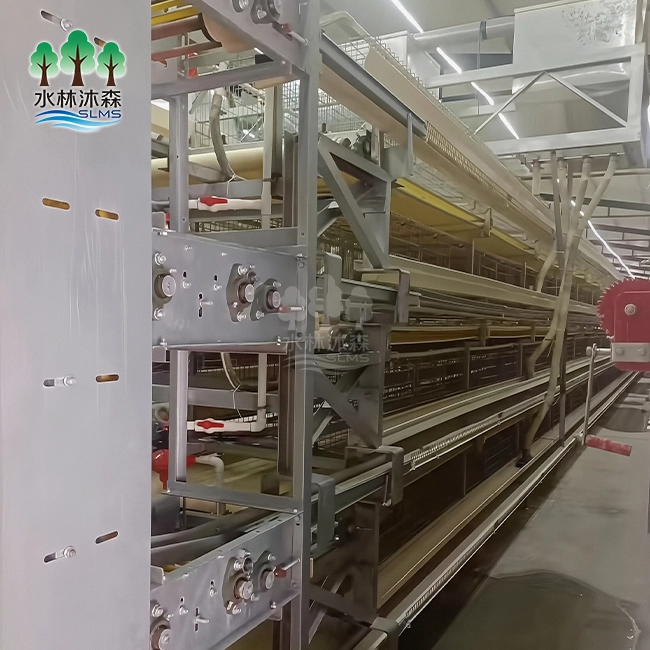
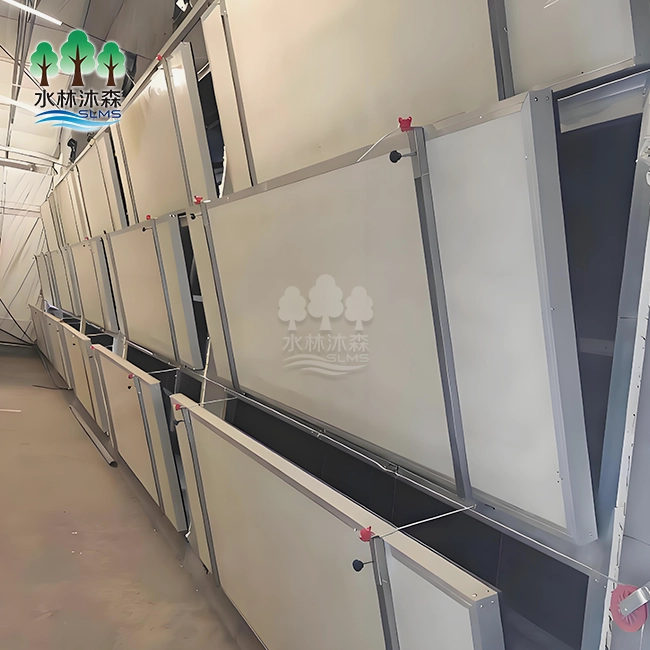
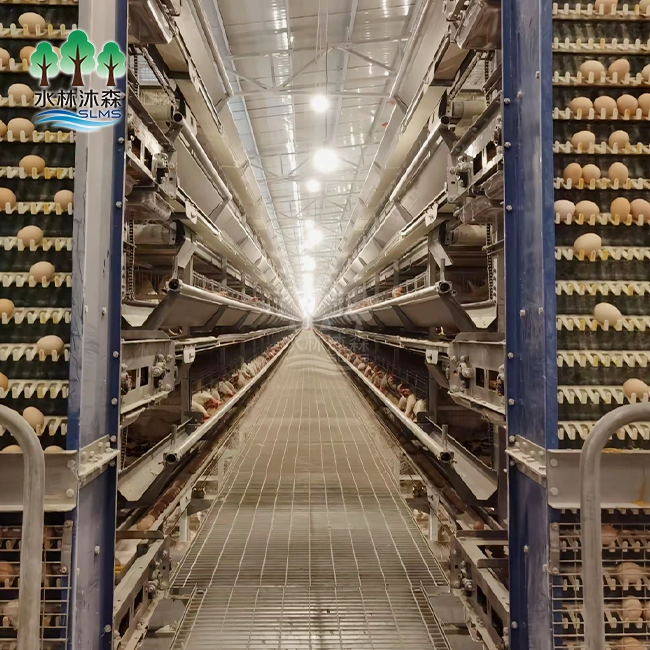
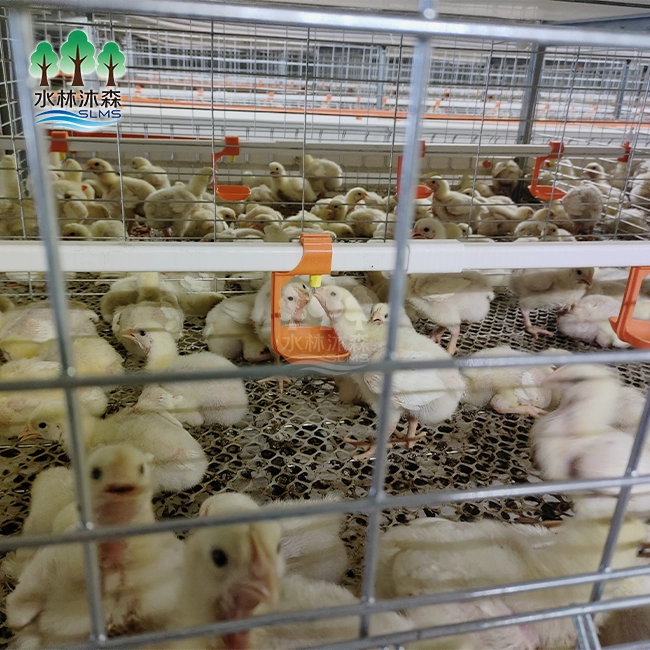
Breeding Chicken Transport Cage Frames are special kinds of frames that are made for moving live chickens inside and outside of production buildings. Instead of using standard boxes, these engineered solutions are better at handling the specific problems of hatchery logistics by integrating them carefully into the design. The best systems have hot-dip galvanized steel frames that are paired with high-density plastic cage sections. This creates a balanced approach that makes the structure strong and resistant to rust.
Why Material Selection Matters for Long-Term Performance
The main thing that decides how well equipment works in harsh settings is what the materials are made of. Galvanized steel can hold a lot of weight and is resistant to the damaging effects of ammonia-rich chicken waste and strong cleaning agents. When properly handled with zinc coats that meet industry standards for thickness, these frames will keep their shape even after years of being washed every day. The plastic parts go well with the metal frames because they have smooth insides that keep feathers and skin from getting damaged. This directly lowers the quality of the body during processing. This combination of materials has benefits beyond just being durable. It makes washing easier and more regular, which is good for the health of the flock.
Ventilation Design and Bird Welfare Considerations
Proper breathing is still very important during transport, especially on longer trips or when the weather is bad. Modern Breeding Chicken Transport Cage Frame designs use planned airflow patterns to keep heat from building up when the frames are stacked. The open lattice structure lets air flow evenly through all levels, which lowers the risk of suffocation in the middle of the stack, where solid-sided boxes usually create dangerous dead air spots. According to research, shipping death rates can be cut by up to 20% when ventilation geometry is improved compared to standard stacking methods. These changes directly mean more money in the bank and meet stricter rules about animal care that apply to commercial chicken transport.
How to Choose the Best Breeding Chicken Transport Cage Frame for Your Hatchery
To choose the right transportation equipment, you need to carefully look at your unique operational factors. The size of your hatchery, how far you usually move your birds, and the type of birds in your flock will all affect which Breeding Chicken Transport Cage Frame specifications will work best. Making smart choices during the purchasing process avoids expensive problems when equipment capabilities don't match up with real operating needs.
Assessing Capacity Requirements and Dimensional Specifications
First, figure out how many items you need to move at busy times and how much space you have in your loading areas and truck beds. A normal arrangement measuring 2440cm × 1340cm × 116cm offers a lot of space thanks to its multi-layered design, and it can still be used with regular transportation vehicles. For most activities, this dimension makes the best use of room without changing the building.
The pull-out cage system in this framework makes loading and unloading go quickly, which saves time on high-volume movement operations. If your facility deals with a lot of different species or age groups, you might want to look into systems that have compartments that can be changed in size so that they can fit everything from day-old chicks to adult breeding stock without breaking the rules on density.
Evaluating Build Quality and Structural Resilience
Look at the construction features that set high-end tools apart from cheaper options. When welding steel frames together, the bead patterns should be uniform, and there shouldn't be any gaps or too much spatter that could hold germs. The thickness of the galvanized coating is very important, especially for the Breeding Chicken Transport Cage Frame, which endures frequent handling and heavy loads. Specifications calling for at least 80 microns of zinc layers ensure that rust protection lasts for 8 to 10 years in normal nursery circumstances. Instead of recycling compounds, the plastic cage sections should use new high-density polyethylene.
This is because new material stays flexible at temperatures ranging from -20°C to +50°C without breaking. Certifications from load tests show that frames can support rated stacking weights of more than 1000 kg without deforming. This is very important to keep fails from happening during shipping. You might think that these technical requirements are too strict until you think about how much it would cost to replace the equipment and how much you could lose if it breaks down during crucial production times.
Weighing Total Cost of Ownership Against Initial Investment
The price of buying something is only one part of equipment economics. Figure out how much care is needed, how often it should be replaced, and how much more efficiently work can be done with good tools. Frames that can survive sterilization tubes that hit 90°C lower biosecurity risks and get rid of the need for different cleaning tools. When you use bolt assemblies instead of permanent welds in modular building, you can replace broken parts instead of throwing away whole units.
This saves a lot of money on long-term upkeep costs. Designs that save energy and lighten up transportation vehicles can lower fuel costs over thousands of trips every year. When you look at the total cost of ownership over five years, more expensive equipment with a full guarantee is often cheaper than cheaper options that need to be fixed more often and replaced sooner.
Top-Rated Breeding Chicken Transport Cage Frames in 2026: Product Comparison
On the market right now, there are a lot of great choices from companies whose designs have been improved by a lot of field experience. Weifang Shuilin Musen Aquaculture Equipment Co., Ltd. has become a well-known seller because they offer Breeding Chicken Transport Cage Frame options based on their eight years of experience in cattle equipment. Their product line shows the kind of useful improvement that comes from working with hatcheries all the time.
Standout Features of Leading Market Solutions
Shuilin Musen's Breeding Chicken Transport Cage Frames have a number of design features that solve problems in the real world. The multi-layered pull-out mechanism can handle high turnover rates in chicken coops and duck sheds while also offering a safe temporary holding area during cleaning processes. This gives you a lot of freedom when it comes to organizing group cleaning and health checks without having to buy different tools.
The hot-dip galvanized steel construction meets the standards for corrosion resistance needed for daily cleaning, and the built-in plastic cage parts provide smooth touch surfaces that keep valuable breeding stock safe during moves between facilities. Their standard 2440cm × 1340cm × 116cm size makes them easy to integrate into most medium- to large-scale companies' current transportation systems.
There is more than just the actual product specs that set top-tier suppliers apart. Full technical support, including guides on how to install new equipment, helps operations teams get it up and running quickly without having to go through long learning curves. During the important merger time, the one-year free warranty coverage backed by helpful service teams gives you peace of mind. It's a fact that no two hatcheries have the same needs, and being able to customize equipment to fit specific species, facility sizes, or work flows means that equipment really meets operational needs instead of forcing operations to adapt around equipment limitations.
Comparative Performance Metrics That Matter
Instead of marketing claims, use measurable success indicators to help you decide between different choices. Transport death rates are directly related to how well the ventilation system works, so look at the open surface area percentage and the results of the airflow validation tests. Drop impact tests should be part of durability tests to show that loaded units can handle rough handling at high and low temperatures without breaking, and these tests are especially critical for the Breeding Chicken Transport Cage Frame, which must maintain structural integrity under repeated stress. The amount of work that needs to be done each day is affected by how easy it is to clean and sanitize.
Smooth surfaces without cracks that trap organic matter use less water and make sure that bacterial counts stay below regulatory limits after washing. To be price competitive, you need to think about more than just the initial buy price. You also need to think about the guarantee terms, the availability of replacement parts, and the supplier's track record for keeping promises throughout the equipment's service life.
Maintenance and Longevity: Maximizing the Value of Your Transport Cage Frames
Spending money on good tools is only the beginning. Following the right upkeep steps will determine whether that investment lasts as long as it could. Setting up regular care routines for the Breeding Chicken Transport Cage Frames and the birds it moves protects both and improves working efficiency.
Establishing Effective Cleaning and Sanitization Routines
To protect galvanized surfaces and plastic integrity, come up with cleaning procedures that use non-corrosive soaps that are made just for farm equipment. High-pressure washing gets rid of biological matter from the grid structure well, but putting too much pressure on joints and welds can speed up the wear process. Temperature is important for sanitization. Using the equipment's 90°C steam cleaning feature gets rid of germs like Salmonella and Avian Influenza carriers between runs without using harsh chemicals.
Plan to clean right away after each shipping cycle, before the material dries and hardens. This will cut down on the time and water needed by a large amount. When you drain water properly after washing, you keep it from standing and causing rust in hidden areas. By following these steps, you can get the most out of your HDPE cage modules for an extra 3 to 5 years and your metal frames for an extra 8 to 10 years.
Conducting Preventive Inspections and Timely Repairs
Set up regular review plans to find problems as they arise before they become operational failures. Check the locking devices to make sure they work smoothly and securely. If they don't, cage spillage could happen during transport. Check for tiny cracks or deformation that could mean wear in welded joints and high-stress connection places. Check the pull-out drawers for binding or mismatch that makes loading take longer and makes the operator angry.
Replace any cracked or overly weak plastic parts that are worn out before they break while being transported with birds on board, which could be bad for their health and could be against the law. The flexible design of good frames makes it easy to change parts. For example, a broken drawer can be swapped out without having to throw away the whole unit, which keeps repair costs low. By keeping detailed service logs, you can find trends that can help you decide what tools to buy next.
Procurement and Ordering Guide: Streamlining Your Purchase Process
To successfully buy things from other countries, you need to pay attention to logistics details and seller relationship factors that go beyond the Breeding Chicken Transport Cage Frame specs. Building relationships with dependable makers that you can trust adds value through consistent quality and quick support.
Identifying Qualified Suppliers and Negotiating Terms
Instead of trading businesses that don't have direct control over production, look for sources that can show they have real manufacturing experience. Weifang Shuilin Musen Aquaculture Equipment Co., Ltd. is an integrated business that does research and development, sales, service after the sale, and expert support. This system makes sure that everyone is responsible for the whole lifecycle of a product. Their eight-year history of making farming and cattle equipment shows that they are stable and have gained a lot of experience.
When talking about requirements, providers who offer customization choices show that they are flexible and can meet specific operational needs. When you buy in bulk, you can usually get savings, but make sure that the lower prices don't mean that you have to use cheaper materials or hurry through the manufacturing process. Safe ways to pay for things across borders through trusted sites keep everyone safe and make deals go more smoothly.
Managing Logistics and Timeline Expectations
Plan shipping methods and times based on the due dates and funds for your job. Ocean freight is cheaper for big orders, but it takes longer to get to you. Air freight, on the other hand, speeds up delivery at higher costs, making it better for urgent repairs. To avoid surprise costs, make it clear who is in charge of clearing customs and paying import taxes. Tracking during the shipping process gives you peace of mind and lets you work together with installation teams before they arrive.
For businesses that are adding capacity or moving from older systems, having access to expert support that includes installation help is very helpful. Setting up ways to communicate, like an email address like wangshuaislms@gmail.com, before making an order makes sure that any questions are quickly answered during implementation. Having clear written records of guarantee terms, such as what situations are covered and how to make a repair claim, helps avoid disagreements and delays when problems do happen.
Conclusion
Choosing the right Breeding Chicken Transport Cage Frames is a smart choice that will affect daily operations, standards for animal care, and the long-term costs of the equipment. Quality methods for transporting breeding chickens have measurable benefits, such as lower death rates, more efficient use of labor, and reliable performance in tough production settings.
Your hatchery will run smoothly if you put an emphasis on long-lasting building, smart ventilation design, and full supply support. If you buy tested tools from a company with a lot of knowledge, it will last for years and years. More technology and efficiency are being added to hatchery operations all the time. Transport logistics equipment needs to keep up with these new standards while still being able to adapt to changing operating needs.
FAQ
How do I determine the right cage frame size for my flock?
How do I figure out what size Breeding Chicken Transport Cage Frame my group needs? Figure out how much transport you usually do, taking into account both daily averages and high yearly demand. Standard setups can hold 12 to 16 broilers per drawer tier, which weighs about 2.5 kg each, for a total of 50 to 75 kg per module. Make sure the sizes you choose fit your transport vehicles and loading docks while making the best use of room. Customization options let you change the size of the compartments to fit different species or age groups. This makes sure that you follow the rules about animal density in your unique tactical setting.
What advantages does galvanized steel offer compared to alternative frame materials?
Hot-dip galvanized steel is better at resisting corrosion when exposed to ammonia and harsh cleaning agents that are common in chicken settings. The zinc layer makes a shield that protects the frame and, with proper care, extends its life to 8–10 years. Steel is strong enough to support multi-level stacks without deforming, which is important for getting things from one place to another as quickly as possible. The material can handle being sterilized at high temperatures, which lets strict biosecurity rules be followed between shipping rounds.
Can damaged components be replaced individually?
Yes, good modular systems use bolt assemblies and clip links that let you change specific drawers, locking mechanisms, or structural parts without having to throw away whole units. This way of designing cuts down on upkeep costs by a large amount over the equipment's useful life and fixes take less time. Check with your seller about the availability and cost of parts before you buy them to make sure they will work for a long time.
Partner with a Trusted Breeding Chicken Transport Cage Frame Manufacturer
To improve your hatchery's transport options, you should first find a trusted equipment partner who knows how hard your business is. Shuilin Musen Aquaculture Equipment Co., Ltd. has been making specialized equipment for eight years and offers full expert help and quick customer service. Our Breeding Chicken Transport Cage Frames are made with hot-dip galvanized steel, have a multi-layered design that makes them efficient, and can be customized to fit your needs. We stand behind every system with a one-year guarantee and ongoing expert support, which includes help with setup.
Get in touch with us right away at wangshuaislms@gmail.com to talk about your travel logistics needs and get full details on our cage frame options. Our team offers clear pricing for large orders and can speed up delivery for building upgrades that need to happen quickly. Check out our full line of products at slms-equipment.com and learn how the right transport equipment provider can save you money in the long run.
References
1. Bell, D.D. and Weaver, W.D. (2002). Commercial Chicken Meat and Egg Production. Springer Science & Business Media.
2. Grandin, T. (2014). Livestock Handling and Transport. CABI Publishing, 4th edition.
3. Mench, J.A. (2018). "Poultry Welfare During Transport and Slaughter," Advances in Poultry Welfare, Elsevier.
4. Nijdam, E., Arens, P., Lambooij, E., Decuypere, E. and Stegeman, J.A. (2004). "Factors Influencing Bruises and Mortality of Broilers During Catching, Transport, and Lairage," Poultry Science, 83(9): 1610-1615.
5. Whyte, R.T. (2003). "Factors Affecting Carcass and Meat Quality in Cattle and Their Application in Live Animal Evaluation," Australian Journal of Experimental Agriculture, 43(8): 861-873.
6. European Food Safety Authority (2011). "Scientific Opinion Concerning the Welfare of Animals During Transport," EFSA Journal, 9(1): 1966.
Learn about our latest products and discounts through SMS or email