Why Chicken Farm Drinking Water Regulation Modules Improve Poultry Health and Productivity
Not only is clean water important for birds, it's essential for their life and success. The Chicken Farm Drinking Water Regulation Module changes how modern farms handle watering by changing the high-pressure city supply into a steady, controlled flow that is perfectly suited for nipple drinker systems. This precise machinery saves the right amount of water, stabilizes and presses the flow, screens out sediment and other impurities, and makes sure that the water quality stays the same throughout your operation. These modules directly lower wet litter issues, improve flock uniformity, and lower the risk of disease spreading through polluted water sources by stopping pressure changes that lead to nipple leaks or poor activation


Understanding the Impact of Water Regulation on Poultry Health and Productivity
About 70% of a chicken's body weight is water, which is essential for absorbing nutrients, keeping the body's temperature stable, and running its metabolism. When the quality of the water gets worse or when transport isn't reliable, birds' immune systems are quickly weakened and their ability to convert food into energy is decreased.
How Water Quality Affects Bird Wellbeing?
According to research from the University of Georgia, broilers that drink water with bacterial counts higher than 10,000 CFU/mL have growth rates that are 12–15% slower than groups that drink water that has been properly cleaned. Pathogenic bacteria like E. coli are brought in by contaminated water. coli and Salmonella straight into the digestive system. This causes inflammation in the intestines, which shifts energy from growth to the immune reaction. Mineral layers and silt, in addition to microbes, make nipple drinkers not work right, which causes dehydration stress that builds up over the course of the production cycle.
Regulation units deal with these problems by using multistage filter devices that get rid of particles as small as a few molecules. Our water control systems are made from food-grade PE or 304 stainless steel, which stops chemicals from escaping and keeps the structure strong even when the pressure changes all the time. Based on pressure sensors, the built-in booster pump turns on automatically, making sure that every bird on the drinking line, from the closest to the farthest, gets the same height of water for a consistent activation force.
Measurable Production Improvements
Businesses that regulate water with a Chicken Farm Drinking Water Regulation Module in a thorough way say they see real benefits. After putting in pressure-regulated equipment, the feed conversion ratio went up by 7% in just two production rounds at a 50,000-bird broiler farm in North Carolina. The stability got rid of pressure jumps during times of high usage, which used to cause flooding in the nipples and the buildup of wet litter. Lower amounts of ammonia in litter boxes that are dry made breathing easier for animals, which cut death rates by 1.8%.
Layer processes see benefits in the same way. When there is consistent water pressure across multiple-tier cage systems, the problem of birds on the bottom levels getting too much pressure and dripping all the time doesn't happen, and birds on the upper levels having trouble with not enough flow is avoided. Proper control makes sure that all types of cages produce the same number of eggs and cuts down on manure belt contamination, which can make egg shells less clean.
Key Components and Functionality of Chicken Farm Drinking Water Regulation Modules
Knowing what makes a water regulation system work well helps people who buy things compare different choices and find the right technology for the job.
Essential System Elements
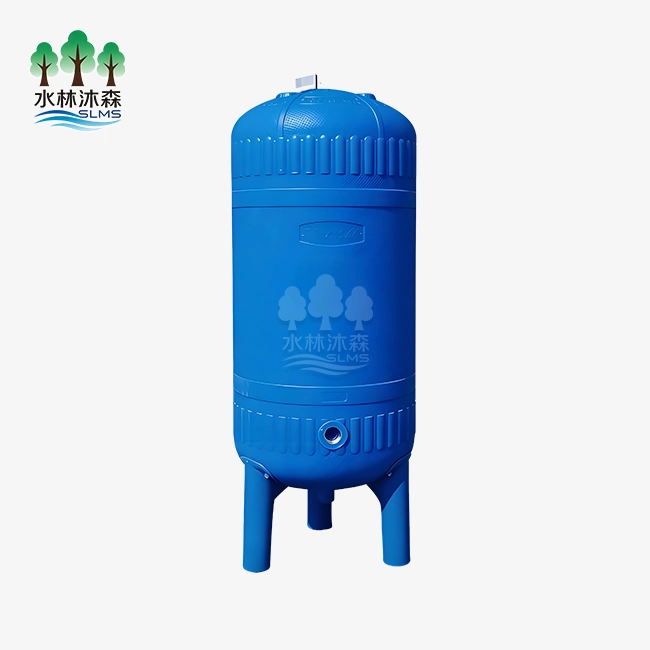
Modern control units are made up of three main parts that work together. The water storage part can hold anywhere from 500 liters of water for smaller businesses to 5,000 liters of water for sites that house over 100,000 birds. This tank can handle changes in demand and keep the supply going during short city outages. The materials used to make tanks are very important. Food-grade polyethylene is better at keeping germs away than regular plastics, and 304 stainless steel lasts longer when acidic water treatments or harsh sanitizers are used.
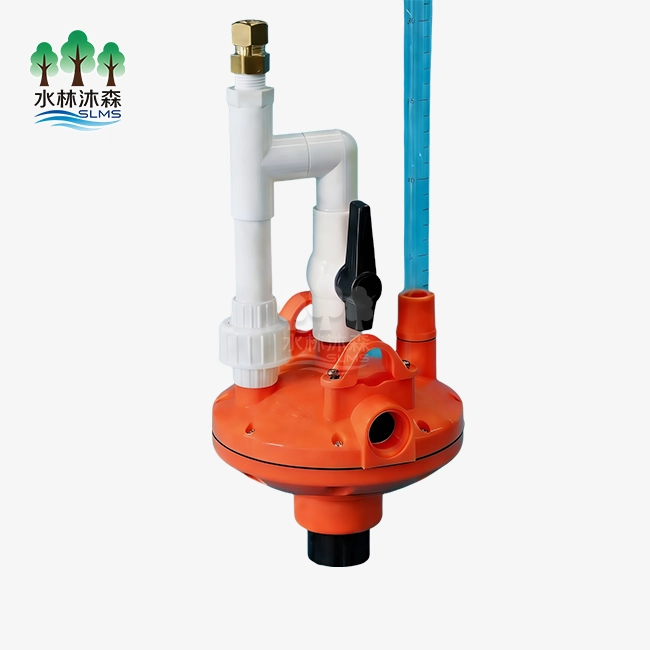
The pressurization section is made up of automatic booster pumps that are designed to work with heavy loads in agriculture. Unlike home pumps, these units can handle regular start-stop operations that are set off by pressure buttons that are specifically designed for chickens. When the line pressure falls below the setpoint, which is usually equal to 10 to 30 cm of water column height at the tip, the pump starts to bring the pressure back up to the goal level. Advanced types have variable frequency drives that change the motor speed proportionally instead of just turning it on and off. This makes the parts last longer and uses about 20% less electricity.
Automated Monitoring and Control
The third very important part is filtration. Multistage designs start with grit screens that get rid of particles bigger than 100 microns. Next come capsule filters that get rid of contaminants smaller than 20 to 50 microns. This step-by-step process keeps fine filters from getting clogged too soon and keeps dirt from getting into nipple sip mechanisms, which can cause valves to stick. Filter housings made of materials that don't rust can handle being exposed to chlorine water every day and being backwashed every so often.
Premium systems like the Chicken Farm Drinking Water Regulation Module are different from simple ones because they can integrate with other systems. Modules that are more advanced have flow meters, pressure transducers, and water quality sensors that send data to central control screens or software tools for farm management. This connectivity allows real-time tracking of consumption patterns that show health problems before they show clinical signs. For example, a 15% drop in water intake often happens 24 to 48 hours before disease spreads, giving time for action that stops flock-wide losses.
When systems get the care they need, maintenance needs stay reasonable. Checking the accuracy of the pressure measurements, checking for leaks in the pump seals, and checking the state of the filter should all be done every three months. Filter tubes need to be replaced every 3 to 6 months, but this depends on the quality of the water that comes from the source. Our technical support team offers installation movies that show the right way to set up, and our on-site installation services make sure that the system is set up in the best way for your facility's plan.
How to Choose and Install the Right Water Regulation Module for Your Chicken Farm?
Finding the right equipment means matching the system's features and ability to the size of the business, the state of the infrastructure, and the management's goals.
Capacity Considerations for Different Farm Sizes
Small to medium-sized farms that raise 5,000 to 20,000 birds can get by with basic systems that have 500 to 1,000 liters of storage space and a single pump. These setups handle normal usage rates while keeping enough water in store for morning peak demand, when the lights come on and birds start looking for water at the same time. Farms this size profit from easy manual pressure adjustments that let changes happen with the seasons as the birds get bigger during the grow-out time.
Professional Installation Advantages
Large business sites with more than 50,000 birds need strong specs, such as reservoirs that hold 2,000 to 5,000 liters of water and backup pump systems that work in case one fails. Investing in dual-pump systems pays off when equipment needs to be serviced or breaks down unexpectedly. Making sure there is always water is important when thousands of birds can die within hours of not drinking. Automated pressure adjustment for drinking lines longer than 100 meters stops the difference in pressure between the beginning and end of the line, which hurts regularity.
Professional installation services for a Chicken Farm Drinking Water Regulation Module are worth the money because they provide measurable value. Experienced farm care staff can install basic systems by following detailed directions. Certified technicians make sure that parts are in the right place to get the most out of the hydraulic system. They also make sure that the pressure settings are right for each type of nipple drinker and that the system works with the current infrastructure. The most common installation mistake is setting the pressure incorrectly. Too high of a pressure results in constant leaks and wet trash, while too low of a pressure makes it impossible for birds to use their nipples, which causes dehydration stress.
As part of our assembly service, we test the whole system under full operating load. Technicians make sure that the pressure stays the same from the first to the last nipple on each line, make sure that the automatic pump spinning works right, and teach farm workers how to do regular maintenance. This hands-on help gets rid of the time needed for trial-and-error that usually comes with trying to install something yourself. Your system will be running at its best from the start.
Best Practices and Innovations in Poultry Drinking Water Regulation
Forward-thinking businesses can stay ahead of the competition by keeping up with industry standards and new technologies.
Regulatory Compliance and Quality Standards
More and more, chicken farms in the US follow the standards set by the National Chicken Council and the USDA Food Safety Inspection Service for water quality parameters. These frameworks say what the highest amounts of bacterial contamination, mineral content, and pH ranges are that are allowed. Advanced regulation units with internal quality sensors make sure that compliance is always being checked, and they send out automatic alerts when parameters start to move outside of what is accepted.
European markets have even higher standards because of rules about food safety and animal care. Farms that sell their goods in the EU or have better welfare standards benefit from well-documented water management systems that show they are proactive about quality control. Digital tracking tools make audit trails that show that clean, safe water is always delivered during production rounds.
Emerging Technologies Driving Efficiency
Innovations keep changing the ways that water can be managed. Internet-connected sensors now send real-time data to cloud platforms that can be accessed through smartphone apps. This lets managers keep an eye on various farm sites from afar. Machine learning algorithms look at patterns of consumption to find outliers that could mean that equipment isn't working right or that a disease is spreading before normal observation methods can find problems.
Saving water is another area of progress that is just getting started. Smart control systems cut down on waste by perfectly matching supply to demand instead of keeping the flow steady. Temperature-responsive settings change the pressure based on the temperature of the environment. During times of high heat stress, birds drink a lot more water, and automatic systems can handle this change without any help from a person. Compared to standard constant-pressure methods, these changes cut the amount of water used by 15 to 25 percent while still keeping birds properly hydrated.
Conclusion
Investors in good water regulation technology like the Chicken Farm Drinking Water Regulation Module get gains that keep growing across a number of performance measures. Better consistency of hydration increases the efficiency of feed conversion, better disease avoidance lowers the cost of medications and the number of deaths, and automatic tracking lowers the need for work while raising the accuracy of management. Putting storage, pressurization, and filtering into one system solves the complicated problems that come up when you try to give clean water to thousands of birds at the same time. As chicken farms get bigger and government rules get stricter, all-around water management solutions go from being nice-to-have extras to being essential for running the business. Farms that use advanced regulation units are at the cutting edge of standards for animal care and production efficiency.
FAQ
Q1: What maintenance schedule ensures optimal system performance?
A: As part of regular maintenance, the pump's operation, the numbers on the pressure gauge, and the condition signs on the filter must be checked visually every month. Every three months, jobs like checking the pressure reading and carefully checking seals and connections for leaks are due. Replacement of the filter cartridge is usually needed every three to six months, but if the turbidity level rises, it may need to be done sooner. Professional techs check the pump motor bearings, electrical connections, and control system calibration once a year to make sure they don't break down during production runs.
Q2: Can automated systems reduce overall water consumption?
A: When set up correctly, automatic methods for controlling water use 15 to 25 percent less than manual systems. Over-pressurization, which leads to nipple leaks and wasted water building up as wet litter, can be avoided by automating pressure change. Demand-responsive pump operation stops constant circulation losses, and built-in tracking finds leaks or problems right away, instead of letting them go for a long time. These saves mean lower energy bills and better environmental conditions, which are especially important in places with limited water.
Ready to Transform Your Poultry Farm's Water Management?
With eight years of experience, Shuilin Musen Aquaculture Equipment Co., Ltd. can provide full water control solutions that are perfect for large chicken farms. Our regulation units use precision engineering, materials that are safe for food, and automatic control to help fields with their hydration problems. As a reliable maker and provider, we back up every system with full technical support, such as installation videos, on-site setup services, and a warranty that covers all parts for one year. No matter how many birds you're taking care of—5,000 or 100,000—our customization options will make sure that everything works perfectly with your facility's needs. Email our team at wangshuaislms@gmail.com to talk about the needs of your business and get full information about our Chicken Farm Drinking Water Regulation Module for sale.
References
1. Fairchild, B. D., & Ritz, C. W. (2020). Poultry Drinking Water Quality and Its Impact on Bird Performance. University of Georgia Cooperative Extension Bulletin 1301.
2. National Chicken Council. (2019). Animal Welfare Guidelines and Audit Checklist for Broiler Chickens. Washington, DC: National Chicken Council.
3. Watkins, S. E., & Tabler, G. T. (2021). Water Quality and Management for Poultry. University of Arkansas Division of Agriculture Research and Extension Publication FSA8007.
4. European Food Safety Authority. (2020). Scientific Opinion on Water Quality Parameters Affecting Poultry Health and Welfare. EFSA Journal 18(4):6035.
5. Lacy, M. P., & Czarick, M. (2018). Nipple Drinker Management for Optimal Broiler Performance. Poultry Science Association Technical Bulletin Series.
6. Thornton, K. (2022). Automated Environmental Control Systems in Modern Poultry Production. Journal of Applied Poultry Research 31(2): 100245.
Learn about our latest products and discounts through SMS or email