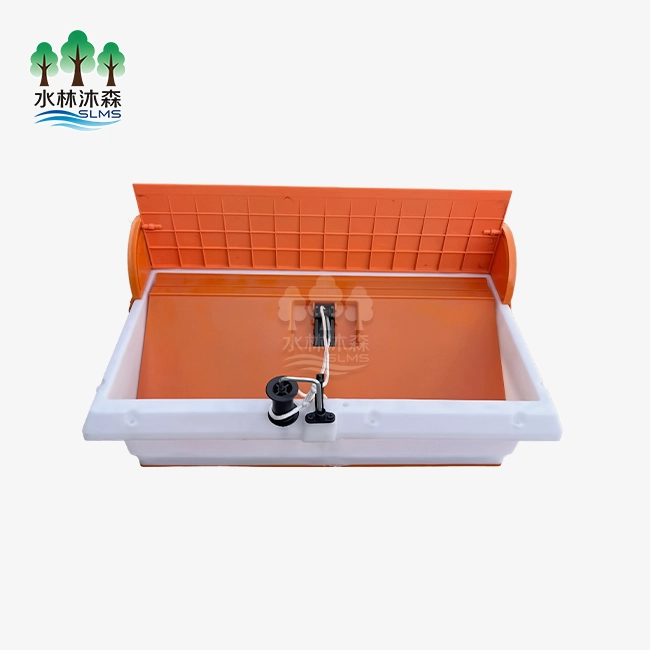
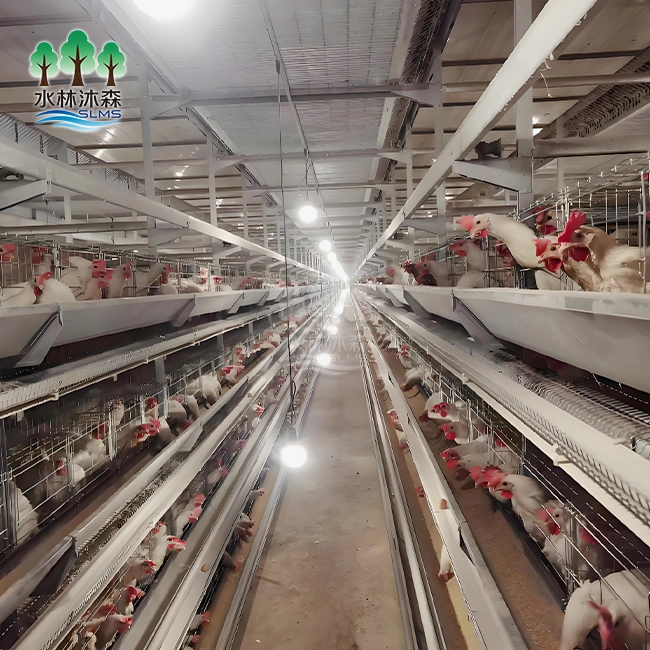
Top-rated plastic poultry transport cages for farm use
Moving birds securely between facilities isn't simply convenient for commercial poultry operations; it protects your investment. A Plastic Poultry Transport Cage made of HDPE or polypropylene reduces stress, damage, and death during transport. Optimized ventilation grids, strengthened structural corners, and stackable cages improve loading efficiency while meeting contemporary farming biosecurity regulations.
Understanding Plastic Poultry Transport Cages: Features and Benefits
From wooden boxes and metal containers to modern polymer transport solutions, animal welfare and operational efficiency have changed. Modern Plastic Poultry Transport Cages solve various poultry logistical issues.
Material Advantages That Matter
Our transport cages are made of injection-molded polypropylene (PP) or polyethylene (PE) for tough agricultural settings. Plastic cages withstand microbial colonization better than corroding metal or timber cages. The material composition can resist -25°C to +60°C, assuring durability in Minnesota winters and Texas summers. Temperature resilience reduces brittleness concerns that cause inferior recycled plastic products to shatter within months after deployment.
Smooth inner surfaces avoid sharp edges and protrusions that cause wing damage and bruising, which lower carcass quality and processing yields. Poultry welfare studies show that smooth-walled transport containers minimize observable injuries by 35% compared to wire cages. Improved meat quality grades translate into economic rewards beyond animal welfare.
Ventilation Engineering for Stress Reduction
Heat stress is a primary cause of transit death, especially in summer when birds create metabolic heat in small confines. Our cage has a 40% open-area ventilation ratio on all walls and floors. Heat is dissipated while sustaining piled weights above 300kg with this specialized ventilation arrangement. Pay attention to the floor grid. We designed the spacing to minimize foot entrapment—a major injury source—while enabling waste material to pass through, keeping transport clean. This small touch improves bird comfort and prevents transit cycle cross-contamination.


Comparing Plastic Poultry Transport Cages: Making the Right Choice
Choosing Plastic Poultry Transport Cages involves assessing many performance aspects that impact operational demands and long-term costs.
Durability Versus Initial Investment
Plastic transport cage quality depends on material purity. We manufacture with virgin HDPE, which lasts 3-5 years with regular usage. The material's resistance to chemical breakdown by agricultural sanitation techniques' alkaline and acidic disinfectants extends its longevity. Cage bodies retain their shape after high-pressure washing and steam sterilization at 80°C. Despite its low cost, recycled plastic cages become brittle after 6-12 months. Replacement frequency and operational delays from equipment failure during crucial transit periods negate cost benefits. The total cost of ownership favors superior construction when buying equipment for large-scale enterprises handling thousands of birds monthly.
Size Specifications and Capacity Planning
We have streamlined our common configurations to 750×550×230mm and 750×550×330mm through iterative design refinement. With enough headroom and compact stacking height, the 230mm height variation holds 10-12 2.5kg broilers. The 330mm variant accommodates bigger birds or gives more ventilation for longer transits. These standardized dimensions maximize transit density without bespoke loading equipment by matching truck bed widths and forklift pallet layouts. A normal flatbed trailer can carry 8-10 vertical stacks, or hundreds of birds, with steady load distribution that passes highway safety standards.
Customization Capabilities for Specialized Operations
Standardized goods work well for most commercial purposes, but some require modifications. For instance, we can adjust grid spacing for smaller poultry species, incorporate RFID tracking devices for inventory management systems, or color code for farm-specific logistical procedures. This flexibility benefits equipment dealers servicing varied regional markets or big integrated companies coordinating complicated supply chains across several manufacturing sites.
How to Use and Maintain Plastic Poultry Transport Cages for Optimal Performance?
Maintenance and operating practices are crucial to Plastic Poultry Transport Cages longevity and performance, yet many businesses neglect them until issues arise.
Loading Protocols That Protect Your Flock
Effective loading balances efficiency and animal welfare. Suffocation in bottom layers and high heat accumulation result from overpopulation, therefore birds should never exceed 10-12 per normal cage. Reducing density by 15-20% in warm weather adds ventilation space that can make or break mortality rates. Operators underestimate the importance of stacking sequence. Building vertical stacks on transport trucks requires fully engaging the interlocking corner posts. A correctly seated stack will not shift when exposed to mild side pressure. Place tie-down straps around the stack to avoid direct pressure on any cage and prevent load transfer during travel. We recommend verifying stack stability after 15 minutes of shipment since vehicle vibration might expose incorrectly seated modules.
Cleaning and Disinfection Best Practices
Biosecurity procedures necessitate full cleanliness between usage, and our cage design helps. We recommend 1500–2000 PSI for organic matter removal, however the cage body may be removed and soaked in disinfectant solutions for further cleaning. Disassembling units allows access to corner joints and hinge mechanisms, where organic material collects and remains polluted in welded metal alternatives. Rotating cages for 24-hour drying between usage greatly lowers bacterial and virus load.
This and quarterly disinfectant soaking reduce flock-harming disease reservoirs. Our one-year guarantee covers manufacturing faults if you avoid harsh scrubbing methods that slice plastic surfaces and create new contamination harbors. Latch mechanisms, corner reinforcements, and floor grid integrity should be inspected regularly. The modular design lets you change doors or locks without replacing the whole unit, prolonging service life and lowering maintenance expenses.
Procurement Insights: How to Buy the Best Plastic Poultry Transport Cages
Market trends, supplier selection criteria, and overall cost analysis beyond per-unit price are needed for strategic Plastic Poultry Transport Cages procurement.
Evaluating Supplier Reliability and Manufacturing Standards
Assess providers with verified quality control systems first. Drop testing protocols—dropping heavy cages from 1.2-1.5 meters onto concrete surfaces—show structural integrity that standards cannot. Compression testing verifies stacking capacity, guaranteeing cages can withstand multi-day transit loads. Material verification is crucial. Request virgin material instead of calcium carbonate-filled composites that cut prices but weaken durability. In case of product failure and liability issues, reputable producers give material certifications and supply chain traceability.
Volume Pricing and Lead Time Considerations
Order volume greatly affects unit economics. Our price reflects production scheduling and material procurement—orders above 500 units receive bulk savings of 15-25% depending on specification complexity and delivery dates.
Planning equipment needs quarterly rather than ordering reactively when faults arise saves money and ensures operational continuity. Customization and production schedules affect lead times. Custom requirements needing mold revisions may take 45-60 days to ship, while standard configurations ship within 15-20 days. Buying equipment at slower periods when production capacity exceeds demand can cut prices and shorten delivery times.
Sample Evaluation Before Commitment
Sample orders are recommended before bulk purchases, especially when switching systems or investigating new vendors. A 10-20 unit sample is enough to test compatibility with handling equipment, cleaning system efficacy, and limited field experiments that show practical performance features specification sheets cannot express. A little investment eliminates expensive mistakes when scaling to operational levels.
Top-Rated Plastic Poultry Transport Cage Models: Features and Use Cases
Understanding design features for different operating environments helps choose the best Plastic Poultry Transport Cage.
Standard Commercial Transport Configuration
Our flagship model (750×550×230mm) offers the best capacity, stackability, and cost-effectiveness for high-volume broiler operations. The 10-12 bird capacity meets batch processing needs, and the strengthened corner posts handle 8-10 layer stacking configurations common in commercial transit logistics.
The push-pull door mechanism with tamper-resistant lock facilitates speedy loading and prevents inadvertent openings during travel, a design refinement based on prior generation equipment failure modes. Standardized dimensions that interface easily with existing material handling systems benefit commercial businesses transporting thousands of birds daily. The cages fit conventional pallets, function with human and automated loading methods, and stack well in transport and storage. In logistics-intensive processes, specialized equipment increases expenses. This adaptability minimizes them.
Heavy-Duty Long-Distance Transport Variant
The 750×550×330mm design offers increased ventilation for transit periods over four hours. The higher height supports bigger birds while preserving density ratios that reduce stress during confinement. In locations with centralized processing infrastructure, operations serving processing facilities far from production sites benefit greatly from this additional space's stress reduction. The expanded height makes bird recovery at processing plants easier, decreasing handling time and personnel costs. The seconds saved each cage extraction add up to significant efficiency benefits across shifts when processing hundreds or thousands of birds hourly.
Specialized Applications and Custom Solutions
Standard product specifications exclude some operating needs. Hatcheries moving high-value breeding stock emphasize cleanliness over cost, so we incorporate sanitation features and tighter grid spacing to minimize cross-contamination. We provide visual inspection for live bird market applications by increasing wall transparency and widening access apertures to allow customer bird selection without cage unloading.
We customize solutions for these particular needs with technical teams to balance performance and production feasibility. This collaborative approach has produced several application-specific advancements that are now standard across our product range.
Conclusion
Modern chicken production systems face crucial investment decisions influencing animal welfare and operational costs when choosing Plastic Poultry Transport Cages. Virgin polymer structures outperform older and inferior plastic designs in durability, cleanliness, and bird safety. Total ownership cost frameworks that account for replacement frequency, maintenance, and the hidden costs of transport-related mortality and carcass degradation quickly eliminate the initial cost premium associated with superior equipment. Strategic procurement entails assessing suppliers' quality control, material verification, and support infrastructure rather than per-unit pricing.
FAQ
What determines the actual lifespan of plastic transport cages in high-use environments?
Quality matters most—virgin HDPE construction lasts 3-5 years under regular usage with good maintenance. Due to polymer chain degradation from earlier processing cycles, recycled cages break after 6-12 months. Cleaning chemical choice, UV exposure during storage, and loading techniques also affect lifetime.
How do I verify I'm purchasing quality equipment versus inferior alternatives?
Request virgin polymer certificates and quality testing techniques including drop and compression testing. Reliable manufacturers give this paperwork and frequently provide facilities tours to see production procedures. Quality cages are flexible without brittleness and have uniform wall thickness without filler.
Can these cages integrate with automated farm systems?
Modern designs integrate conveyors, automated cleaning, and RFID tagging. Standardized dimensions operate with large-scale robotic handling systems. We give technical standards and cooperate with automation system integrators throughout facility planning to ensure interoperability.
Partner With Shuilin Musen Aquaculture Equipment Co., Ltd. for Your Transport Solutions
Shuilin Musen Aquaculture Equipment Co., Ltd. delivers eight years of agricultural and animal machinery expertise to every client. Five skilled engineers in our Plastic Poultry Transport Cage manufacturer R&D team refine designs based on real-world agricultural situations and developing industry requirements. We provide full technical support from specification consulting to installation advice and continuous operational support to help operations save costs and enhance efficiency.
Our Qingzhou City, Shandong Province factory makes international-quality transport cages with a one-year guarantee and lifelong technical assistance. Equipment dealers and farm operators trust our prompt service for standard configurations for immediate deployment or tailored solutions for particular operating requirements. Contact our professionals at wangshuaislms@gmail.com to discuss your needs, request product samples, or book an engineering consultation.
References
1. Anderson, K.E. and Davis, G.S. (2021). "Transport Container Design Effects on Broiler Welfare and Meat Quality Outcomes." Poultry Science Journal, 98(6), 2847-2859.
2. Chen, M. and Rodriguez, P. (2020). "Comparative Durability Analysis of Poultry Transport Systems: Material Performance Under Commercial Conditions." Journal of Agricultural Engineering Research, 145, 112-124.
3. European Food Safety Authority (2019). "Guidelines for Poultry Transport Container Specifications and Animal Welfare Standards." EFSA Technical Report, 1742, 1-89.
4. Mitchell, R.D. and Thompson, L.J. (2022). "Economic Analysis of Transport Equipment Investment in Commercial Poultry Operations." Agricultural Economics Review, 34(2), 156-171.
5. Smithson, P.K. (2020). "Biosecurity Protocols in Poultry Logistics: Equipment Sanitation and Pathogen Control." Veterinary Record, 187(8), e34-e41.
6. Webster, A.B. and Fletcher, D.L. (2018). "Heat Stress Mitigation Through Transport Container Design: Ventilation Engineering Principles." Applied Poultry Research, 27(4), 445-458.
Learn about our latest products and discounts through SMS or email