Top-rated ventilation windows for commercial poultry farms
When you're in charge of large poultry farms with tens of thousands to over one hundred thousand birds, controlling the environment becomes very important for making money and keeping the birds healthy. The best Poultry House Ventilation Windows for business chicken farms are more than just openings; they are carefully designed to help control the air flow. A Poultry House Ventilation Window lets air in through the side walls of negative pressure systems. It directs fresh air in a way that keeps your whole facility at the best temperature for growth and avoids lung diseases and thermal stress.


Understanding Poultry House Ventilation Windows and Their Importance
Every practical measure that procurement managers and farm owners keep an eye on is affected by ventilation infrastructure, from the percentage of feed that is converted to meat to the percentage of animals that die. Commercial-grade side-wall inlets are very different from regular building windows because they are designed to control how air flows through big homes.
The Critical Role of Air Management in Modern Poultry Operations
Lack of air flow is often the cause of respiratory diseases, deaths from heat stress, and uneven weight gains in broilers. The Coanda effect is used by professional ventilation inlets to move entering cold air up along roof surfaces, where it mixes with warmer air before slowly falling onto the flock. This system stops direct cold drafts that stress animals out and wet litter that can lead to footpad rashes and hock burns.
As another technical difference between industrial ventilation equipment and home options, static pressure control comes into play. Keeping pressure differences between 0.05 and 0.12 inches of water column ensures even air flow throughout homes that are at least 150 meters long, getting rid of dead zones where ammonia builds up and lowers the quality of the air.
Ventilation Window Types and Their Operational Applications
During different stages of production, different airflow plans are needed. When day-old chicks are being brooded and there isn't enough air flow, inlets work at narrow openings to send high-speed jets to heating systems without freezing birds that are more likely to get sick. When the weather is mild, transition ventilation needs to be adjusted slowly so that the flow of fresh air and temperature control are balanced. Knowing these operating needs helps buying teams choose equipment that meets the environmental control needs of their building.
Automated systems with mechanical controls can be very precise, which is not possible with designs that use gravity. Mechanical connections make sure that all of the house's openings are the same size and shape. This keeps the air flow even even if the wind is blowing in different directions at different times.
Top-Rated Ventilation Windows: Features and Material Considerations
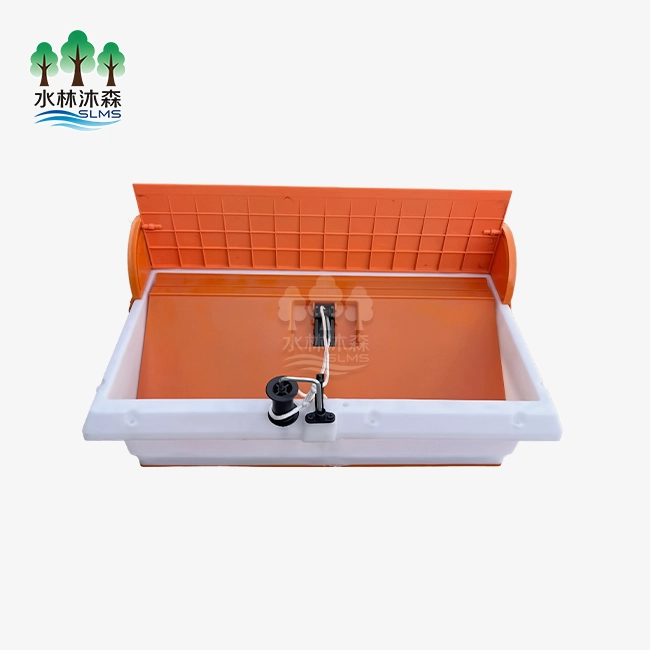
In an acidic climate with high humidity, ammonia, and hydrogen sulfide, the choice of material has a direct effect on how long equipment lasts. Our Poultry House Ventilation Windows are made from raw ABS engineering plastic that has been treated with UV stabilizers and anti-aging chemicals. This makes them resistant to external stresses that weaken other materials.
Engineering Specifications That Determine Performance
Our normal production model is 560mm x 270mm and has a fitting opening that is 570mm x 280mm. Each unit effectively ventilates between 0.11 and 0.13 square meters. The 1.5-kilogram weight makes it easy to place, and the structure stays strong in temperatures ranging from -30°C to +60°C. This temperature range is necessary for activities in places where the seasons change a lot.
The internal deflector is an important part of the design that is often left out of purchase specs. This bent mechanical part directs air jets upward, keeping birds from getting hit directly by cold air. When high-density insulation is used to fill the window frame, thermal bridging is removed and the risk of condensation is kept to a minimum during cold weather operation.
Stainless steel springs give opening systems a mechanical edge while also fighting oxidation, which is what breaks down regular steel parts within months of being installed. Paying attention to the reliability of individual parts increases the time between repair visits and lowers the chance of equipment breaking down during busy production times.
Integration With Climate Control Systems
Automatic environmental controls change the rate of airflow based on temperature sensors and static pressure readings. This is how chickens are raised today. Our Poultry House Ventilation Windows work with most control systems because they are mechanically connected to actuator wires or chains. The precisely molded ABS frame stays the same size, so even when the motors spin thousands of times during a production cycle, they don't get stuck or work unevenly.
Energy economy isn't just about the windows; it's about how the whole air system works. When intake systems are built correctly, they minimize static pressure losses, which means that smaller, more efficient fans can reach the same air exchange rates. When windows are closed all the way, airtight seals keep the tunnels cool without letting air leak in and messing up negative pressure systems.
Comparing Leading Ventilation Window Solutions on the Market
When making a purchase choice, you have to weigh the initial cash investment against the costs that come up over the product's lifetime, such as repairs, energy use, and replacements. Manual air systems are cheaper up front, but they need constant work to make changes for each season and aren't precise enough to keep the environment at its best. When compared to human adjustment procedures, automated installs require over 40% less work and improve flock performance through consistent environmental management.
Evaluating Total Cost of Ownership
In addition to the buy price, you should compare choices based on how hard they are to install, how much maintenance they will need, and how long they are expected to last. Our equipment comes with full technical help, including how-to videos and thorough instructions for installation, as well as guidance on integrating key components like the Poultry House Ventilation Window to ensure optimal airflow and environmental control. This cuts down on the time it takes to set up and prevents mistakes that cost a lot of money. A one-year guarantee protects you against problems with the way the equipment was made, and our engineering team is ready for technical support for as long as your equipment is in use.
When you buy in bulk for multiple homes or building expansions, you can get discounts for the sheer number of items you buy, and the specs of the equipment will be the same across your whole business. Standardization makes it easier to train staff, keep track of spare parts, and do upkeep. When workers work on the same tools, they can do their jobs more quickly and accurately.
Customization Capabilities for Specialized Requirements
Standard specs often need to be changed for large-scale operations to work best with current infrastructure or custom facility designs. We offer customization services for sizes, materials, and automation features that are based on specific operational needs or problems in the area. Our engineering team creates solutions that meet your exact needs, whether you need larger holes to let more air flow through, unique mounting arrangements for retrofit setups, or changes to the material to handle harsh weather.
Procurement Guide for Commercial Poultry Farm Ventilation Windows
When choosing suppliers, you need to look at more than just their ability to make products. You also need to look at their professional help, delivery reliability, and quality of after-sales service. Failures of equipment during key production times cause losses that are much higher than the initial savings from buying equipment from low-cost sources without support infrastructure.
Quality Verification and Performance Standards
Ask for proof of material certificates that say the ABS is made of certain ingredients and that the mixtures protect against UV light and can handle different temperatures. Look at sample units to make sure the production is accurate—make sure the dimensions are the same, the moving parts work smoothly, and the lock stays in place when the unit is closed. When units aren't made well, they bend, stick together, or have gaps that let air leak out, which lowers the performance of the Poultry House Ventilation Window system.
Under controlled conditions, static pressure testing shows how much air can actually flow through different hole positions. Manufacturers with a good reputation give performance data that comes from tests, not theoretical formulas that might not be accurate in the real world. We do a lot of quality tests, like 50,000-cycle fatigue tests on spring systems and salt spray corrosion tests on metal parts, to make sure they will work reliably in tough circumstances.
Installation and Technical Support Services
Professional installation services get rid of the risk of putting something incorrectly, which can lead to problems with how it works or failure before its time. For big projects, we offer on-site installation help. Our skilled experts make sure that everything is set up correctly, sealed properly, and connected to control systems. This hands-on method teaches your repair staff new things and makes sure the system works at its best from the start. Technical help is available through a variety of sources for as long as your device is in use. Installation guides show you how to do maintenance tasks, and as your business grows, our tech team answers questions about how to improve performance, fix problems, and find upgrade options.
Maintaining and Optimizing Your Poultry House Ventilation Windows
Preventive repair plans make tools last longer and work consistently, which saves the health and productivity of the flock. Check all the Poultry House Ventilation Windows between production runs for dust buildup, mechanical wear on moving parts, and broken seals. Corrosive farming settings speed up the breakdown process, so regular checks are needed to find problems before they make ventilation less effective.
Routine Maintenance Procedures
When cleaning the barn with high-pressure water, care must be taken not to move oils or damage sensitive parts. Focus the water streams on the outside surfaces and louvers, but don't spray them directly into the mechanical parts. After cleaning, make sure the device works smoothly across its entire range of motion. Look for binding or resistance, which could mean that dirt and dust have built up inside the adjustment mechanisms. Seal cleaning stops air leaks that make it harder to control static pressure and spread air unevenly. TPE rubber seals may need to be replaced after a while to keep the lid closed. This relatively low-cost maintenance job stops wasted energy and performance loss that is bad for the health of the group.
Upgrading Systems for Enhanced Performance
There are ways for businesses with older human systems to get the benefits of automation without having to completely rebuild their facilities. Changing from manually operated inlets to modern environmental controllers that control them automatically greatly improves the stability of the environment while lowering the need for labor. We design retrofit options that work with current mounting arrangements. This keeps installation costs low while still meeting modern performance standards.
Smart temperature control integration is the next step forward in environmental management. It uses sensor networks and predictive algorithms to figure out how much ventilation is needed based on the age of the flock, the weather outside, and readings of the air quality in real time. If you upgrade to outlet systems that work with these technologies, your business will be ready to use them when they become standard in the industry.
Conclusion
Choosing the right air system is a long-term investment that affects every part of raising chickens for profit. By managing air in a way that keeps the environment at its best, top-rated systems make measured changes in the health of the flock, the amount of feed that is used, and the cost of running the business. When making a purchase choice, you should look at the total lifecycle value instead of just the original cost. This means taking into account things like durability, expert support, and the ability to be customized to fit your unique operational needs, including critical components such as the Poultry House Ventilation Window. Working with well-known companies that offer complete solutions will make sure that your air system supports long-term output and profits.
FAQ
How many ventilation windows does my poultry house require?
To find out how many Poultry House Ventilation Windows you need, divide the total exhaust fan capacity (in cubic feet per minute) by the airflow rate of each window at the standing pressure you want to reach, which is usually 0.10 inches of water column. Add a 10% safety cushion to make sure there is enough inlet area to stop fan back-pressure, which lowers performance. Based on the size of your building and the specs of your equipment, our technical team can help you with calculations.
What causes condensation on ventilation windows during winter operation?
When there isn't enough insulation, cold air from outside can chill surfaces inside below the dew point of warm, humid barn air, which is called thermal bridging. Make sure that the insulation layers inside the Poultry House Ventilation Window frame are still there and that the seals are completely closed so that cold air can't get in. Condensation problems can be avoided by building units with high-density insulation and airtight seals.
Can existing windows be upgraded to automated operation?
Most buildings can have retrofit setups done, but the exact compatibility depends on how the equipment is mounted and how much room is available for actuators. Mechanical conversion kits change manual inlets into systems with wire or chain actuators that are controlled by common environmental controls. We look at current installations and suggest ways to update that will improve performance the most while keeping costs low.
Partner With a Trusted Poultry House Ventilation Window Manufacturer
At Weifang Shuilin Musen Aquaculture Equipment Co., Ltd., we bring eight years of experience as a trained engineer to every air solution we offer. Our team of five dedicated engineers comes up with unique solutions for commercial poultry companies that need equipment that works reliably and regularly during busy production cycles. We use high-strength materials and strict quality control procedures to make sure that our products last. We also offer full technical help and a one-year guarantee.
We provide Poultry House Ventilation Window systems that improve environmental control while lowering operational costs, whether you need standard specifications or solutions that are made to fit the needs of your particular building. Email our team at wangshuaislms@gmail.com to talk about your project needs and find out how our air window solutions can help your flock do better and your business run more smoothly. You can find full specs and technical information at slms-equipment.com.
References
1. Donald, J. (2018). Poultry Production Systems: Behaviour, Management and Welfare. CABI Publishing, Wallingford, UK.
2. Lacy, M. P., & Czarick, M. (2020). Mechanical Ventilation for Poultry Houses: Design and Management Principles. University of Georgia Cooperative Extension Service.
3. Purswell, J. L., & Dozier, W. A. (2019). "Air velocity and temperature distribution in tunnel-ventilated broiler houses." Journal of Applied Poultry Research, 28(3), 633-642.
4. Simmons, J. D., Lott, B. D., & May, J. D. (2017). "Static pressure and air movement in commercial broiler houses." Poultry Science, 82(7), 1168-1176.
5. Van Wicklen, G. L., & Baughman, G. R. (2019). Poultry Housing Environmental Control Systems Engineering Fundamentals. American Society of Agricultural and Biological Engineers.
6. Yahav, S., Straschnow, A., & Plavnik, I. (2018). "Temperature regulation in broiler chickens: Effects of environmental conditions on performance." Poultry Science Review, 14(2), 87-104.
Learn about our latest products and discounts through SMS or email