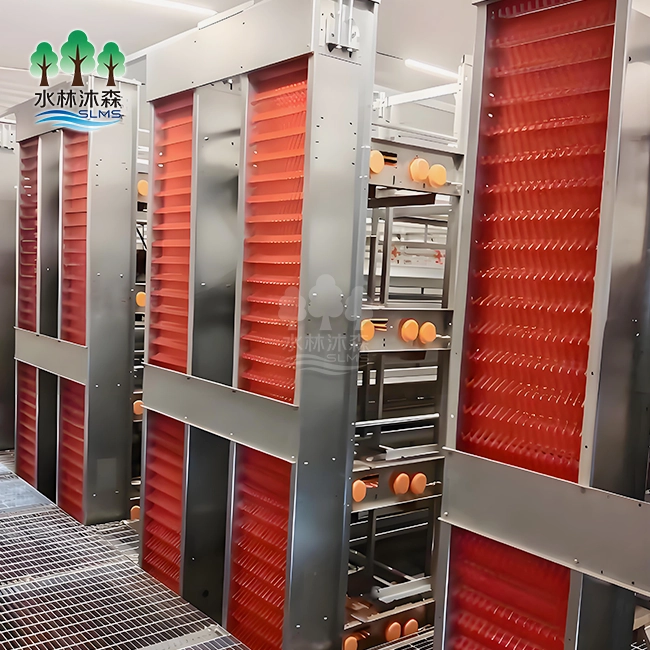
How to choose the right poultry transport cage frame for chicken farming?
Choosing the right shipping cage frame is essential for keeping birds healthy, reducing losses, and making sure that poultry processes run smoothly. The best Poultry Transport Cage Frame for Chicken Farming should provide good ventilation, safe confinement, and resistance to the harsh climate common in poultry operations, while also being long-lasting and caring for the animals. When looking at different choices, you should pay attention to the quality of the materials (especially hot-dip galvanized steel), how well they fit together with computerized systems, and how long the frame can last between cleanings and transporting multiple levels of item


Understanding the Core Requirements for Poultry Transport Cage Frames
One of the most dangerous parts of raising chickens is the logistics of transport. As the birds move from the farm to the processing plant, they are stressed by things like changes in temperature, vibrations, and being crowded, all of which have a direct effect on the death rate and quality of the meat. These problems can be solved by a well-designed transport cage frame that keeps airflow paths between stacked layers. This stops heat buildup that can cause suffocating in trucks that are very full.
Structural Integrity and Load Distribution
Any transport frame's main job is to safely hold up several layers of boxes with live birds inside them. Professional frames made of Q235 carbon steel that has been hot-dip galvanized can hold more than 1,500 kg of weight in the vertical direction while staying stable during transport on the highway. Big businesses that move thousands of broilers or layers at once will need this load ability more than anything else. Quality Poultry Transport Cage Frames for Chicken Farming have a linked footing system that stops the frame from moving laterally when speeding up or slowing down. This lowers the risk of cage failure, which could hurt or kill whole groups.
Ventilation Architecture and Animal Welfare
Modern transport frames have set spaces between the cage layers, usually 15 to 20 cm in height, so they don't get squashed when they're loaded. When the weather is hot, this little bit of engineering is very important because stacked cages can get 10-15°C warmer inside than the outside air. These sudden drops in temperature make Dead on Arrival rates go up by a lot, which has a direct effect on profits. At Shuilin Musen, our designs put these ventilation gaps at the top of the list. We also use open-profile construction (C-channel steel instead of closed tubes) to make sure that air flows freely through the whole load.
Contamination Control and Biosecurity
There is a lot of ammonia and acidic chemicals in chicken dung that quickly eat away at metals that haven't been treated. If you don't clean the tools you use on one farm before taking them to another site, they could spread disease. Transport frames must be washed over and over with high-pressure water (80°C) and harsh disinfectants that are acidic without breaking down. The hot-dip galvanization process adds a zinc covering that is thicker than 80 microns. This makes the metal resistant to corrosion and able to handle the harsh cleaning methods needed for safety reasons.
Essential Criteria for Selecting Poultry Transport Cage Frames
To make smart purchasing choices, you need to look at a lot of different technical specs and operating factors that affect both the short-term performance and the overall cost of ownership over time.
Material Composition and Surface Treatment
When it comes to shipping frames, steel is still the standard because it is stronger for its weight and cheaper than aluminum options. But the most important difference is how the surfaces are treated. Hot-dip galvanization physically connects zinc to steel, making a protected layer that can fix itself even if it gets scratched while being handled. This is very different from electro-galvanized coatings, which only protect on the surface and quickly fail in chicken conditions that are acidic. Frames made of hot-dip galvanized steel last 10 to 15 years, while frames made of less durable materials only last 2 to 3 years.
Dimensional Specifications and Compatibility
In North America, standard shipping cage sizes are about 970mm x 580mm, but these sizes can be different between integrators and processing sites. To make sure they can load smoothly, transport frames must be able to fit these cages with ±2mm of space between the dimensions. This is especially important when they are used with automated gathering systems. Our normal Poultry Transport Cage Frame for Chicken Farming, which is 2440 mm long, 1340 mm wide, and 116 mm high, makes the best use of cubic space in regular semi-trailers while still working with forklifts. With customization choices, you can make changes to fit your fleet's needs or the way equipment works in your area.
Load Capacity and Safety Factors
Professional standards for buying things should make sure that frames meet minimum load rates and have the right safety factors. A frame that can hold a standing load of 1,500 kg should still be structurally sound when tested at 2,250 kg (1.5 times the safety factor). This gap takes into account dynamic loading during travel, where sudden stops and vibrations on the road can temporarily raise the effective load by 40 to 60%. Manufacturers of good products show proof of load tests and weld integrity checks that back up their performance promises.
Regulatory Compliance and Certification
Animal care rules set by the USDA and state agricultural offices must be followed by transport equipment. While certification programs are different, frames should make it easier to handle birds humanely by having smooth surfaces that don't hurt them, enough ventilation that meets minimum breathing standards, and designs that let you see the birds while they're in transit. As retailers and processors put in place tighter animal welfare auditing programs throughout their supply lines, the paperwork that backs up these compliance claims becomes more and more important.
Comparing Poultry Transport Cage Frame Options in the Market
There are different frame designs on the market, and each has its own benefits based on operational size, transport distance, and compatibility with current equipment.
Wire Mesh Versus Solid Containment Systems
Traditional wire mesh cages let in a lot of air and light, but they need strong outside frames to keep their shape when they're loaded. Solid plastic box systems are easier to clean and don't have any sharp edges that could damage the product. However, they make it harder for air to move and add weight. These factors are balanced by hybrid systems that use both metal structure frames and plastic cage sections. Our equipment is made up of metal main frames, plastic cage parts, and extra fixing structures. The metal gives it strength where it's needed, and the smooth surfaces protect the birds' health and make cleaning easier.
Lightweight Versus Heavy-Duty Construction
Short-distance shipping (less than 50 miles) operations may choose metal frames that are light to save money on fuel and make moving the vehicles easier. But integrated chicken companies that run specialized teams over long distances benefit from building made of heavier steel that lasts for years of heavy use. The extra weight penalty—usually 15 to 20 kg per frame—isn't noticeable when spread out over tens of thousands of birds per load, and the lifetime benefits of a heavy-duty Poultry Transport Cage Frame for Chicken Farming keep you from having to buy new ones too soon.
Modular Design and Assembly Considerations
Frames made with movable parts let you fix and change parts in the field instead of throwing away the whole unit when it breaks. For links that aren't structural, look for designs that use standard fasteners instead of lasting welds. This method lowers the cost of upkeep and increases the useful life of the product. This way of thinking is built into our frames, and key soldered joints in high-stress areas keep the structure strong. Videos and written instructions for installing things help with both the initial setup and continued upkeep, which cuts down on downtime and the need for training.
Sustainability and Environmental Impact
Sustainable tool choices are becoming more popular as environmental responsibility becomes more important. Hot-dip galvanizing steel frames are very environmentally friendly because they last longer, can be recycled when they're no longer useful, and need to be replaced less often. If you look at the overall environmental effect, a frame that lasts 15 years uses a lot fewer resources than lightweight frames that need to be replaced every 3–5 years. Some companies now make frames out of recovered steel, which lowers the company's carbon footprint even more without affecting function.
Procurement Tips: How to Buy Poultry Transport Cage Frames Effectively
When making strategic buying choices, you have to weigh the short-term cost of the item against its long-term value for operations and the reliability of the seller.
Identifying Reliable Suppliers and Manufacturers
When choosing a supplier, you should look at more than just the lowest price. You should also look at the supplier's manufacturing knowledge, quality control systems, and customer service after the sale. Manufacturers that have been around for a while and have dedicated research and development teams, like our engineering staff at Shuilin Musen, are always making product ideas better based on feedback from customers and new needs in the industry. Ask for written proof of the quality control steps, such as methods for weld inspection, testing of galvanization thickness, and checking load capacity. Suppliers who offer installation help and expert advice show that they are committed to a successful implementation rather than just closing a deal.
Bulk Ordering and Customization Benefits
Through economies of scale in production and shipping, large purchases usually lead to big savings on costs. But standard large sales might not perfectly fit the needs of a specific business. Progressive providers offer customization services that change frame sizes, stacking arrangements, or mounting options to fit the needs of a fleet or building. At Shuilin Musen, we support customized production based on what the customer wants. This way, businesses can make the best use of their space and work more efficiently without having to settle for standard Poultry Transport Cage Frames for Chicken Farming that don't fit right.
Price Benchmarking and Payment Terms
To do effective buying, you need to get several competitive quotes and carefully compare the specs to make sure that the comparisons are similar. The cheapest choice usually uses lower-quality materials or steel with a thinner thickness, which makes it less durable. Find the projected service life, upkeep needs, and replacement frequency, as well as the total cost of ownership. Flexible payment terms and bulk savings can have a big effect on cash flow, especially for businesses that are growing or replacing old equipment fleets. Reliable sellers make their prices clear and stand behind their goods with warranties that cover what they say they will cover.
Pre-Purchase Validation Checklist
Before placing an order, make sure that these important details are met: a material certification that shows the steel grade and galvanization standards; dimensional drawings that show how the new cages will fit with existing ones and handling equipment; load capacity documentation that shows the safety factor; warranty terms that cover both the structure's integrity and the coating's durability; and the ability to get replacement parts or repair services. Ask for examples or trips to the factory to check the quality of the production if the size of the order warrants it. Our free one-year warranty gives buyers peace of mind that the product will last, and our expert help, which includes installation guides, makes sure that the product is set up correctly.
Maintenance and Operational Best Practices for Longevity and Safety
Taking good care of your tools will get you the best return on your investment while still meeting biosecurity and animal health standards.
Cleaning and Disinfection Protocols
Frames must be cleaned thoroughly every time they are used to get rid of organic matter and disease loads. High-pressure cleaning systems with 80°C water can get rid of manure and feathers on frame surfaces. After mechanical cleaning, use approved disinfectants like peroxygen-based liquids or quaternary ammonium chemicals that kill a wide range of microbes. The open-profile shape of good Poultry Transport Cage Frames for Chicken Farming lets all the water drain out and keeps water from building up in cracks where bacteria could grow. Set up written plans for cleaning that meet both internal biosecurity needs and government standards.
Routine Inspection and Preventive Maintenance
Set up regular inspection schedules that check weld spots for cracks, galvanized surfaces for coating wear, and structural parts for warping. Finding small problems early on keeps big problems from happening during heavy travel, which could cause a lot of bird deaths. Pay special attention to link places that are under a lot of stress and areas that will be hit over and over again during loading operations. Instead of letting damage spread to nearby buildings, replace broken parts as soon as they are found. These safety steps keep things safe while extending the frame's useful life well past its usual replacement time.
Operator Training and Safe Handling Procedures
Both the longevity of tools and the comfort of animals are greatly affected by human actions. Teach your staff the right way to handle frames so that they don't cause too much impact stress when stacking and unstacking. Forklift drivers need to be shown exactly where the lift points are and how to stack things in a way that keeps the loads stable. Loading workers should know how important it is to handle birds gently and make sure cages aren't too full, which is bad for both the birds and the tools. These habits are strengthened by regular repeat training, which also addresses organizational drift that can happen over time. Safe handling keeps birds from getting hurt, raises the quality of the product, and safeguards expensive equipment.
Conclusion
To pick the right transport cage frames, you need to carefully weigh the quality of the materials, the design of the structure, and the supplier's skills against your unique working needs. Poultry Transport Cage Frame for Chicken Farming is a critical example of this selection process: the hot-dip galvanizing steel construction makes it very durable in settings where chickens are present, and it stays cost-effective over long service lives.
Accurate measurements make sure that automatic systems and current tools can work with the new system, and good ventilation design keeps birds safe while they're in transit. Strategic buying weighs the original investment against the total cost of ownership, and it favors well-known companies that offer customization options and full support services. Regular upkeep and the right way to handle machinery protect its worth and uphold biosecurity standards that are important for modern chicken businesses.
FAQ
What makes hot-dip galvanization superior for poultry transport frames?
Hot-dip galvanization forms a strong metallic link between the zinc and steel base, creating a coating thicker than 80 microns that can withstand the harsh acids and ammonia found in chicken waste. It is possible for small cuts on this protected layer to heal themselves through zinc oxidation. Electro-galvanized options only offer thin protection (5–15 microns), and they stop working after a few months of being in a poultry setting. This is why hot-dip treatment is necessary to make tools last longer.
How does frame design influence Dead on Arrival rates?
Transport frames that set a fixed vertical distance between cage layers that don't get compressed when they're loaded keep airflow channels the same across all stacked designs. This design for airflow keeps heat from building up in the centers of trailers, where temperatures can rise 15°C above normal during summer travel. Enough airflow directly lowers the death rate from heat stress, especially when goods are being transported over long distances or while they are being stored at processing plants before being unloaded.
Can standard frames accommodate different poultry species?
Frame designs stay the same, but cage inserts and space arrangements may need to be changed to fit birds of different sizes. Because each bird is bigger, broiler transport usually needs bigger cage sections than layer transport. Turkey and duck shipping needs stronger buildings because the birds are heavy. Reliable makers offer customization services that let you change standard frames to fit the needs of a certain species without affecting the safety or structural integrity.
Partner with a Trusted Poultry Transport Cage Frame for Chicken Farming Supplier
It has been eight years since Shuilin Musen Aquaculture Equipment Co., Ltd. has been making long-lasting transportation options for large chicken farms. Our team of engineers designs and builds machines that meet the unique needs of big farms, processing plants, and farming cooperatives across North America. The Poultry Transport Cage Frames for Chicken Farming we make are made of hot-dip galvanized steel, which has been shown to be resistant to rust. They also have an optimized ventilation design that protects animal health and precise measurements that make sure they can be used with automatic handling systems.
Because we can customize designs, we can change common ones to fit specific business needs while keeping the structural integrity. Our dedication to long-term relationships shows in our full technical support, which includes installation videos, quick customer service at wangshuaislms@gmail.com, and our one-year warranty. You can look at full specs and talk about how our solutions can help your chicken logistics by going to slms-equipment.com.
References
1. Johnson, M. & Williams, R. (2021). Structural Requirements for Commercial Poultry Transport Equipment. Journal of Applied Poultry Research, 30(2), 145-158.
2. National Chicken Council. (2020). Animal Welfare Guidelines and Audit Checklist for Broiler Chickens. Washington, DC: National Chicken Council.
3. Peterson, D.L. (2019). Corrosion Resistance in Agricultural Equipment: Material Selection and Surface Treatment. Agricultural Engineering International, 21(4), 78-92.
4. Thompson, K.A., Martinez, J., & Chen, L. (2022). Impact of Transport Conditions on Poultry Meat Quality and Bird Welfare. Poultry Science, 101(6), 1523-1537.
5. United States Department of Agriculture. (2018). Good Commercial Practices for Broiler Chicken Catching, Transport, and Unloading. USDA Animal and Plant Health Inspection Service Technical Bulletin.
6. Zhang, H. & Roberts, S.E. (2023). Life Cycle Assessment of Metal Treatment Processes in Livestock Equipment Manufacturing. International Journal of Agricultural Sustainability, 18(3), 234-249.
Learn about our latest products and discounts through SMS or email