Top Reasons to Use Poultry Slats in Broiler and Layer Chicken Houses
These days, raising chickens needs tools that make cleaning, working efficiently, and making money measured outcomes. poultry slats have become a revolutionary flooring option for broiler and layer farms, providing big benefits in separating waste, preventing disease, and reducing work. These special floor systems are made from long-lasting materials like polypropylene or polyethylene. They keep birds away from manure, which greatly improves flock health and makes daily tasks easier. poultry slats flooring systems are a must-have for medium to large-scale poultry farms because they can cut work costs by over 40% compared to traditional deep litter methods if they are set up correctly.
Understanding Poultry Slats: Materials, Types, and Benefits
What Materials Work Best for Poultry Housing?
The type of material used for poultry slats flooring has a direct effect on how long it lasts, how much care it needs, and how much it costs total. At Shuilin Musen Aquaculture Equipment, our production team uses high-quality polypropylene and polyethylene materials that are very resistant to damage from ammonia and water. In harsh poultry house settings, these plastic formulations keep their structural integrity for 10 to 15 years, much longer than wooden options that usually fall apart in 3 to 5 years. The one-piece molded design gets rid of weak joints that often break under heavy loads, so the tools will always work well for a long time.
Metal poultry slats can hold a lot of weight, but they need to be carefully coated to keep waste acids from corroding them. Durability and cost are both important when it comes to composite materials, but different quality levels need to be carefully considered when buying them. Changing temperatures, chemical cleaners, and mechanical stress from birds and tools all affect different materials in different ways.
Key Benefits That Impact Your Bottom Line
Using poultry slats systems solves several practical problems at the same time. The carefully planned gap sizes of 12mm to 20mm let trash go through right away and make it safe for birds to move around. By continuously getting rid of waste, the amount of ammonia in the air around the birds drops by up to 70%. This directly improves their lung health and their ability to convert feed into energy. The raised floor plan allows better air flow throughout the house, which keeps wetness from building up and causing footpad dermatitis and bacterial growth.
Our sites regularly show lower rates of disease, which means lower prices for medications and higher survival rates. When poultry slats systems are set up correctly, they clean themselves, which cuts down on daily upkeep time by a large amount. This frees up farm workers to focus on flock tracking and other activities that add value to the farm. When you add up all of these benefits, you get a strong return on investment. For business operations, this usually means two to three production rounds of payback.
Tailoring Solutions to Different Bird Types
When using poultry slats in a broiler, they need to be able to handle fast weight gain and faster output cycles. The engineering of the surface must allow big birds to walk on it while still making it easy to clean between groups. In layer houses, it's important to keep the eggs clean and the nesting areas clean. poultry slats flooring is often used in high-traffic areas to keep the litter areas clean so that birds can use them naturally.
Our technical team makes unique setups based on the number of birds in your area, the size of your house, and how you run your business. Because quality poultry slats systems are modular, they can be set up in a variety of ways that make the best use of space while still allowing for proper air and entry for waste management.


Installation and Maintenance Best Practices for Poultry Slats
Proper Installation Procedures for Maximum Performance
The first step to a successful poultry slats installation is to accurately measure and prepare the support structures. The beam's load-bearing ability of more than 50 kg/㎡ needs to be placed and leveled correctly to avoid stress being spread unevenly. Our construction videos show you how to prepare the base, place the beams, and place the poultry slats in a way that makes sure they fit together correctly and the gaps are lined up correctly.
Starting at the back wall and working your way forward makes changes easy and keeps the spacing even throughout the house. The support beams should be spaced out so that they don't bend too much when they're loaded. Usually, this means 600mm to 800mm apart, but it depends on the length requirements of the poultry slats. When you fix something correctly, it stops it from moving laterally, which could cause dangerous gaps or misalignment over time.
We suggest dry-fitting a few parts before the final installation to make sure the sizes are correct and find any problems that might be unique to the spot. The flexible design lets changes be made in the field when needed, to get around things like support posts or equipment mounts that might get in the way without weakening the structure.
Maintenance Protocols That Extend Equipment Life
Regular inspections find problems early on, before they get worse and need expensive fixes or pose a safety risk. Visual checks should be done once a week to look for cracks, broken connections, and waste building up in gaps. Deep cleaning once a month with allowed detergents gets rid of organic matter that could house germs or speed up the breakdown of materials.
Standard chicken house disinfectants don't break down our polypropylene structure because it is chemically resistant. High-pressure cleaning devices get rid of tough deposits between flocks and get the surface ready for the next production cycle. Don't use metal scrapers or other rough tools on the surface because they could damage the non-slip roughness that is important for bird safety.
During the time between frames, it's possible to carefully check the support systems and devices. By replacing worn-out parts before they break, you can avoid problems during production. Our one-year guarantee covers problems with the way the equipment was made, and our technical support team is always ready to help with maintenance questions as long as the equipment is in use.
Comparing Poultry Slats: Making the Right Material Choice
Evaluating Plastic Versus Traditional Materials
People often wonder how to buy plastic or wooden poultry slats because they are more expensive up front, but lifetime study always favors modern synthetic materials. Every three to five years, wooden poultry slats need to be replaced because ammonia rust and constant contact to water cause them to rot, warp, and break down structurally. The ongoing costs of replacement and the extra work needed for more regular upkeep quickly wipe out any savings that were made at first.
Our plastic poultry slats stay the same size even in business chicken coops with a wide range of temperatures and humidity levels. The material doesn't soak up water, so bacteria can't grow on it like they can on open wood surfaces. This natural edge in hygiene lowers the risk of cross-contamination between production stages and makes biosecurity rules easier to follow.
While metal poultry slats are very strong, they can also be very thermally conductive, which can make birds uncomfortable in hot or cold weather. In the winter, the cold outdoor temperatures can stress out birds, and in the summer, the heat makes things difficult. coats that protect against rust add to the work that needs to be done and the places where things could go wrong as coats wear down over time.
Understanding Total Cost of Ownership
A full cost study that goes beyond the purchase price helps with making choices about what to buy. Our long-lasting plastic structure means you don't have to paint, seal, or change it as often as you would with other materials. Because there is less need for care, fewer workers are needed to keep the building in good shape, freeing up workers to do more useful work.
When choosing materials, energy saving is also something that is taken into account. Properly built poultry slats systems allow for better air flow, which means that fans don't have to run as often, which saves money on electricity costs throughout the work year. Better control of the environment leads to more efficient feed processing, which saves money in many operating areas.
Sustainability issues are becoming more and more important in the buying process, especially for businesses that serve environmentally conscious customers. Our long service life and recyclable materials are in line with green building standards and business responsibility goals, but they don't hurt performance or the bottom line.
Why Poultry Slats Are Crucial for Broiler and Layer Chicken Houses
Disease Prevention Through Environmental Management
Keeping birds away from direct touch with manure stops the spread of coccidiosis, salmonella, and other diseases that are bad for group health. Getting rid of waste right away through gaps that are the right size stops feces from building up, which is perfect for disease-causing organisms to grow. Poultry slats serve as this physical barrier, cutting down on the need for antibiotics, which eases consumers' worries about drug leftovers and makes production cheaper.
Within a few weeks of switching to poultry slats systems, changes in respiratory health can be seen. When the amount of ammonia in the air is lower, it makes it easier for cells to take in oxygen, which makes the body healthier generally. Birds with less respiratory stress eat and grow faster and more efficiently, which has a direct effect on income measures.
The lower disease pressure makes equipment last longer by cutting down on the number of times it needs to be cleaned harshly to control pathogen loads. Less regular high-pressure washing and chemical application lowers wear on all building surfaces and parts, which has economic benefits beyond health benefits.
Operational Efficiency Gains
Automated trash management saves a lot of time and effort, which is valuable for businesses of all sizes. Traditional sleeping systems need to be checked on every day and completely replaced every so often, which takes a lot of work during each production cycle. This work is cut down by 40–50% in normal setups by poultry slats systems, which only need to be cleaned and inspected every so often.
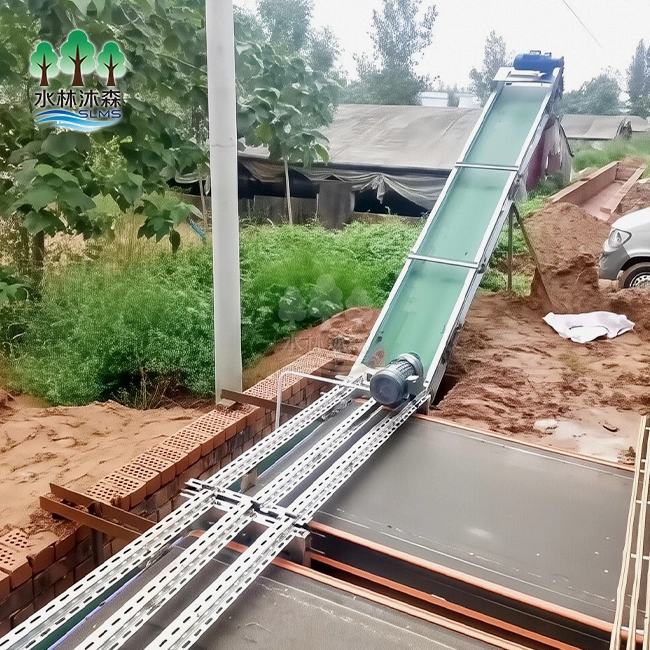
With poultry slats floors, it's easier to keep track of trash because manure gathers in marked places instead of spreading out all over the house. This concentration makes it easier to remove using mechanical systems, like belt conveyors, scraper tools, or regular tractor access. Consistency in garbage traits makes composting or processing easier, and manure products could be used to make money in ways that add value.
Better measures of bird success show that the infrastructure investment was worth it in a number of ways. Better weight uniformity in broiler groups makes processing go more smoothly and the quality of the meat is better. When breeding areas are cleaner, the number of dirty eggs goes down and the quality of the shells gets better.
Return on Investment Considerations
When you do the math for a poultry slats system application, you should include both direct cost savings and better performance. Better health conditions lead to fewer deaths, which means more birds can be sold each cycle, which has a direct effect on income. Better feed conversion ratios lower the costs of inputs while keeping or increasing output. This makes profit margins stronger even when product prices change.
Because the equipment lasts longer than with traditional flooring materials, the initial investment is spread out over more production rounds, which makes the return estimates more accurate. When businesses plan to expand or renovate their buildings, they find that installing poultry slats systems from the start costs a lot less than doing it later. This is a good time to switch.
Managing risk is a financial gain that is often ignored. The constant control of the environment and lower disease pressure make production results more reliable. This lowers the variability that makes it hard to meet financial and market obligations. This operational steadiness is especially helpful for contract growers and businesses that manage more than one facility.
Procuring Poultry Slats: What B2B Clients Need to Know
Evaluating Supplier Capabilities and Support
When choosing providers of tools, you need to look at more than just the product specs and prices. Long-term satisfaction and equipment performance are greatly affected by the professional assistance provided for installation help, the ability to make changes, and quick response after the sale. After eight years of focusing on developing chicken tools such as poultry slats, we have a lot of real-world experience with installation problems and how to make things run more smoothly.
Project planning timelines are affected by lead times, especially for new building or repairs that need to be done quickly between production cycles. Because we can make a lot of things and keep track of our supplies, we can keep your projects on track with reliable delivery dates. Bulk ordering can save businesses with more than one location or contractor teams that are in charge of multiple client setups.
The ability to customize takes into account the fact that no two places have the same needs. Our tech team looks at your bird's size, type, and how you handle them to give you the best advice on poultry slats configurations and gap sizes. This customized method avoids the trade-offs that come with one-size-fits-all solutions, making the most of the performance gains that can be made with the right tools.
Certification and Quality Assurance
Processes for quality control set skilled makers apart from suppliers of goods. Our strict testing procedures make sure that the material is the same across production runs and that the structure can hold weight. The one-piece molded design removes the joint fails that happen with assembled goods, making sure that the structure will stay strong even under heavy use.
Material approvals prove that new polypropylene or polyethylene compounds were used instead of repurposed materials that might have contaminants or break down too soon. Adding UV stabilizers and anti-oxidant chemicals guards against damage in homes that get natural light or have open-sided air.
The warranty terms show that the company that made the product is confident in its longevity and performance. Our one-year guarantee covers problems with the way the product was made and problems with the materials. This protects your investment during the important first production runs.
Building Long-Term Supplier Relationships
Poultry farms that do well have established relationships with dependable equipment suppliers who know their unique needs and goals. Our full range of services includes advice before the sale, technical help during installation, and ongoing support for as long as the equipment is in use. This stability makes sure that you can get help when you have questions or see ways to improve operations.
When negotiating a volume purchase, you should talk about the overall value instead of just the unit price. The total cost of ownership is affected by things like installation support services, spare parts availability, and professional training for your repair staff. Our technical support team is always available to help with problems and give advice. This keeps small problems from getting worse and causing production to stop.
When running a business with multiple locations in different parts of the world, being able to provide regional service is important. Our distribution network and deployment of expert staff make sure that you can get help quickly, no matter where you are, so that the quality of service stays the same across your entire business.
Conclusion
Putting in poultry slats flooring systems is a smart investment for modern poultry businesses that will pay off in the long run by improving operating efficiency, flock health, and profits. The benefits cover a wide range of performance areas, such as measured time savings, disease protection, better bird comfort, and easier waste management. The success and life of these systems depend on the materials used, how they are installed, and how often they are serviced.
From what we've seen, the best results come from businesses that put quality tools and professional application support first. Quality materials, well-thought-out design, and full service all add up to value that grows over multiple production cycles, more than repaying the initial investment through better operating performance and lower ongoing costs.
FAQ
What slat specifications work best for high-humidity environments?
Polypropylene and polyethylene work well in damp places because they don't absorb water and don't let microbes grow on them. Specifications should include gap lengths of 15 to 20 mm to keep the ground safe and stop water from building up. The ability to hold more than 50 kg/m³ makes sure that the structure stays strong, even when weight is concentrated on wet areas. Regular cleaning stops organic growth that could make draining less effective.
How often should slat systems undergo deep cleaning?
How often you deep clean depends on how many birds you have and how much they produce. Layer farms clean between groups, which is about once every 12 to 18 months for cage-free setups. Every 6 to 8 weeks, the production cycle for broiler houses needs to be cleaned thoroughly. Cleaning high-traffic areas once a week keeps things clean during busy production times without bothering the birds.
Can slat dimensions be customized for non-standard house layouts?
The ability to customize makes it possible for almost any building layout. Based on your support system and load needs, our engineering team comes up with ideas for single plank lengths from 500mm to 800mm and thicknesses from 15mm to 30mm. The flexible design lets problems be fixed on the job site while keeping the gaps aligned and the structure strong during the whole installation.
Partner With Shuilin Musen for Your Poultry Slat Solutions
Shuilin Musen Aquaculture Equipment Co., Ltd. offers reinforced flooring systems and has eight years of experience making equipment for chicken farms. Our skilled R&D team of five engineers comes up with unique answers to your practical problems, no matter if you run a broiler house, a layer house, or a mixed poultry operation. As a committed provider of poultry slats, we offer full help, from the original consultation to installation advice and ongoing expert support.
Because we care about quality control, we make sure that every slat system meets strict standards for load capacity, longevity, and cleanliness. The one-year guarantee protects your investment, and our helpful service team will answer any questions and find ways to make your equipment work better for as long as it's in use. Email our experts at wangshuaislms@gmail.com to talk about your building needs and get thorough specs that are made to fit your production goals. Visit slms-equipment.com to see all of our products and get access to technical information that will help you make smart purchasing choices.
References
1. Anderson, K.E. and Adams, A.W. (2019). "Impact of Flooring Systems on Poultry Health and Performance in Commercial Layer Operations." Poultry Science Journal, 98(4): 1876-1889.
2. Dawkins, M.S. and Hardie, S. (2017). "Space Needs of Laying Hens: Effects of Floor Type on Behavioral and Physiological Measures." Applied Animal Behaviour Science, 192: 23-30.
3. Hartcher, K.M. and Jones, B. (2020). "The Welfare of Layer Hens in Cage and Cage-Free Housing Systems." World's Poultry Science Journal, 76(3): 544-563.
4. Shepherd, E.M. and Fairchild, B.D. (2018). "Flooring Options for Commercial Poultry Production: A Comprehensive Review." Journal of Applied Poultry Research, 27(2): 289-304.
5. van Horne, P.L.M. and Bondt, N. (2021). "Economic Analysis of Alternative Housing Systems in Commercial Egg Production." Agricultural Economics Review, 33(1): 45-62.
6. Zhao, Y., Shepherd, T.A., and Li, H. (2019). "Environmental Assessment of Poultry Housing Systems: Ammonia Emissions and Waste Management Efficiency." Biosystems Engineering, 184: 102-115.
Learn about our latest products and discounts through SMS or email