How do plastic rotation cages benefit poultry sheds?
Plastic rotation cages completely change how chicken coops are run by making them safer, saving money on work, and making tools last longer. A Poultry Shed Plastic Rotation Cage gets rid of the rust-related contamination risks that come with metal options. It also makes cleaning easier because it has smooth, non-porous surfaces that keep germs from growing. The rotating mechanism lets workers get to all parts of the cage without taking it apart. This cuts down on cleaning time by about 40% compared to traditional fixed systems, but it still meets the high standards of cleanliness needed for commercial chicken production.
Understanding Plastic Rotation Cages in Poultry Farming
These days, chicken farms need equipment that is both long-lasting and easy to use. These needs are met by plastic rotation cages, which use new design and material science innovations that metal systems can't match.
What Makes Plastic Rotation Cages Different
The main difference is in the types of materials used and the building of the structures. These cages are made of raw polypropylene or polyethylene that has been mixed with UV stabilizers and impact modifiers to make a single structure that doesn't break down easily when exposed to chemicals. Rotomolded plastic cages don't have specific failure places like welded metal frames do. Instead, the stress is spread evenly throughout the whole structure. This method of making things gives them smooth sides and walls that are always the same width, between 4mm and 6mm. This makes them very resistant to impact at temperatures ranging from -30°C to +80°C.
The turning system is a big step forward in making farm work more comfortable. Instead of taking birds out by hand or cleaning in tight areas, workers just turn the cage around to get to different parts. This design makes daily checks and maintenance tasks easier on the body while also making them more thorough. Even after years of use, the system still works easily because the plastic parts don't wear down like metal bearings and hinges do when they rub against each other.
Adaptability Across Poultry Operations
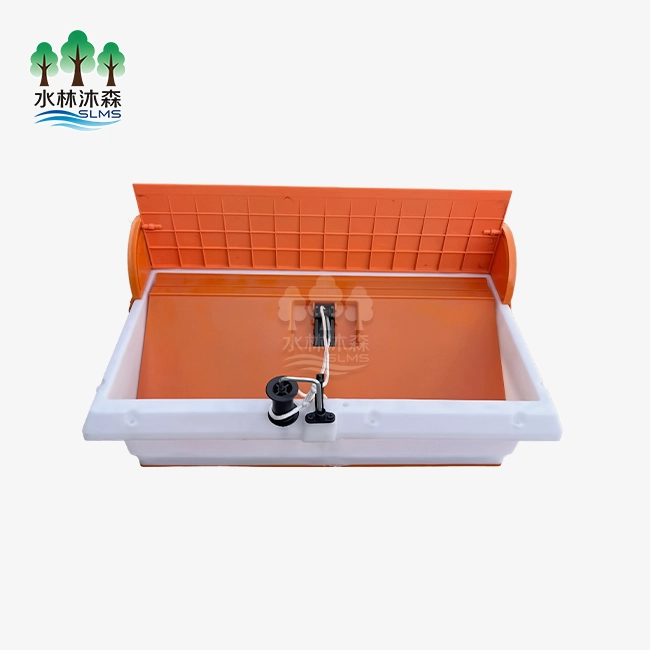
There is a wide range in the size and types of birds that are raised for commercial purposes. Because they are made of modules that can be put together in different ways, plastic rotation cages can handle this variety. These methods are flexible enough to handle both large broiler farms with 50,000 birds and small breeding projects for turkeys and layers. The normal sizes of 750×550×230mm and 750×550×330mm fit standard shed plans and allow for the most birds to be housed without sacrificing their health.
Due to higher amounts of moisture and more active waste, duck farming has its own set of problems. Plastic cages work great in these harsh conditions because they don't break down when they're exposed to high levels of water and ammonia, which would happen to coated steel in three to five years. If you follow the right care steps, the material will last for 7 to 10 years because it is naturally resistant to chemical attack.


Key Benefits of Plastic Rotation Cages for Poultry Sheds
When you buy new tools, you need to be able to see a return on your investment in a number of different performance measures. Plastic rotation systems always work better than other options, which has a direct effect on how profitable and long-lasting the business is.
Enhanced Biosecurity and Disease Prevention
Controlling pathogens is the most difficult part of raising a lot of chickens. A single disease outbreak can kill whole groups and make it hard for a center to make money for months. There are several ways that plastic rotation cages help with overall biosecurity efforts. The surface doesn't have pores, so bacteria can't grow in tiny cracks where germs can hide in wire mesh and welded joints, even when they are cleaned very well.
When workers can directly rinse the surfaces of cages or take units apart to soak them in disinfectant solutions, sanitation routines work a lot better. This feature can be used in places that are hard to get to where Salmonella, E. coli and the common bronchitis virus usually stay around between production rounds. Studies done in business facilities show that when the same cleaning methods are used on both types of housing, plastic systems lower the number of germs by 60–75% compared to metal cages.
The material is more than just durable; it is also resistant to chemical sanitizers. Plastic stays smooth even after being exposed to quaternary ammonium chemicals and chlorine-based disinfectants over and over again, while metal surfaces get rust pits. With this level of stability, the sanitation system's usefulness doesn't change over time, so it can reliably kill pathogens year after year.
Operational Efficiency and Labor Reduction
In industrial poultry farms, labor costs make up 25 to 35 percent of all production costs. Plastic rotation cages lower these costs by making many things work better. The rotating system cuts down on daily inspection time by letting workers quickly check the health of all the birds in all the cage parts without having to move or adjust the equipment. This obviously small benefit adds up to big time savings for large centers that check the health of thousands of birds twice a day.
It used to take 45 to 60 minutes to clean each cage section, but now it only takes 20 to 30 minutes because the Poultry Shed Plastic Rotation Cage spinning function lets you spray clean all areas directly. No longer do workers have to take apart cage parts or use special tools to get to hidden areas. The simplification makes the work easier, so the same number of people can handle more birds. Depending on how the building is set up, this can increase the ratio of workers to birds by 40% or more.
Maintenance needs are much lower when plastic parts are used because they don't rust, weld, or wear out like metal parts do. Annual checks of tools are mostly about making sure the rotation system works and looking for physical damage, not fixing things that are breaking down over time. Replacement parts are used a lot less, which cuts down on both the direct costs of parts and the time workers have to spend fixing things that stop production.
Economic Sustainability and Return on Investment
When procurement workers look at investments in capital tools, they need a clear financial justification. Plastic rotation cages are a great investment, even though they may cost 15-20% more at first than basic metal cages. When the total cost of ownership is spread out over the life of the tools, it shows that there are big benefits.
How long something lasts directly affects how much it costs to repair it. Most metal cage systems need to be replaced completely every 5 to 7 years because rust and metal wear break down the structure. Plastic parts usually work for 10 years or more with little performance loss, which doubles the depletion time. When inflation and dumping costs are taken into account, this longer service life cuts the yearly cost of the equipment by 30 to 40 percent.
The way people use energy also favors plastic devices. Because they are lighter, shed frames don't have to hold as much weight, which could mean that lighter-duty building standards can be used in new construction. More importantly, the changes to cleaning efficiency cut the amount of hot water and disinfectant used by 25–30% per year, which saves money for utilities that add up over decades of use.
Comparative Analysis: Plastic vs. Metal Rotation Cages
Systematically comparing different technologies across a number of performance factors can help with purchasing choices. The discussion over whether to use plastic or metal has changed over time as manufacturing has improved and long-term field data has been gathered.
Material Performance Under Operational Stress
Corrosion protection is the most clear benefit of building with plastic, but there are more benefits than just stopping rust. Weld joints and fastener links in metal cages become structural weak spots because different metals create galvanic cells that speed up electrical breakdown. With ammonia levels above 25 parts per million and wetness levels that encourage fast oxidation, poultry waste makes conditions that are very corrosive.
When these conditions are met, plastics stay chemically neutral. Polypropylene and polyethylene are made up of polymer chains that don't mix with ammonia, hydrogen sulfide, or organic acids that are found in chicken waste. This immunity stops metal buildings from losing strength over time, so they can keep their load-bearing ability at the design level for as long as they are used.
Impact strength testing shows that properly made plastics have surprising benefits. Metal may look stronger, but it permanently changes shape when it is handled and put in place because of the high-energy effects that happen. Elastic compression happens in plastic, which takes in contact energy before going back to its original shape. This trait makes it less likely that catastrophic fails will happen when the birds are handled roughly, which is common in commercial poultry businesses.
Maintenance Cost Comparison
The whole story of operational economics can be told from the annual repair funds. Metal cage systems need to be checked for rust entry on a regular basis, the structural stability of welds and joints needs to be checked, and corroded parts need to be replaced. Unexpected breakdowns can happen even with preventive maintenance plans, and they need to be fixed right away.
With plastic rotation cages, most routine upkeep jobs are no longer needed. Once a year, the rotation device is checked to make sure it works and any damage from crashes or overuse is found. Plastic-on-plastic surfaces don't need much lubrication because they move material at the molecular level, which acts like lubrication. Replacement parts are usually things like door handles or bolts, not big structure parts.
When comparing installations of the same size, the number of hours spent on upkeep drops by 70–80%. This benefit is especially useful during times of high production, when repair downtime directly lowers income by taking away housing capacity. Plastic systems are reliable enough that operators can plan repair work for times when production is slow so that they don't have to worry about equipment breaking down at crucial stages.
Versatility Across Production Systems
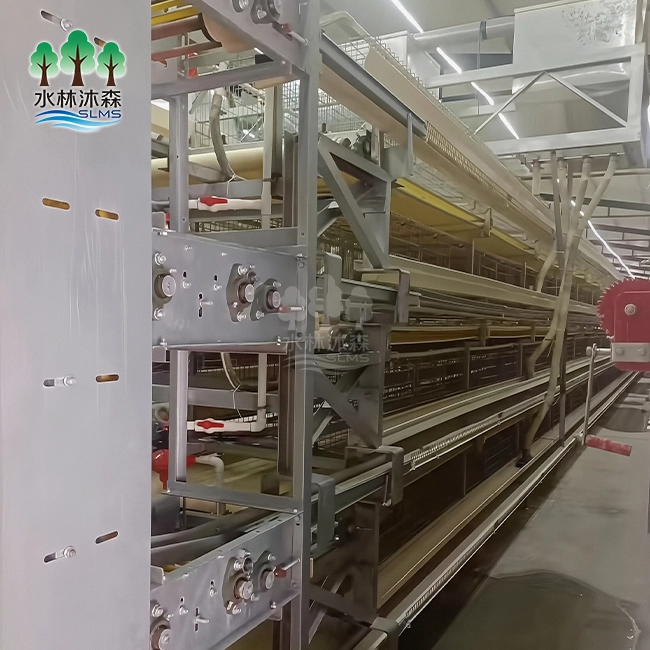
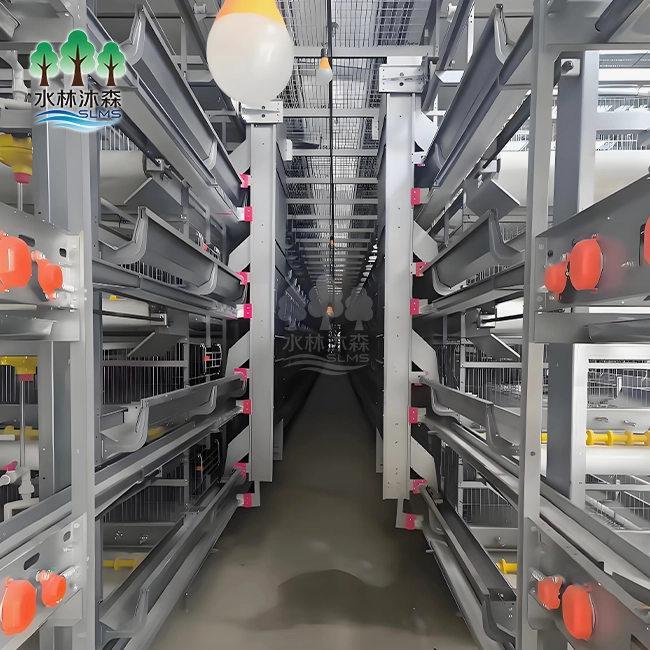
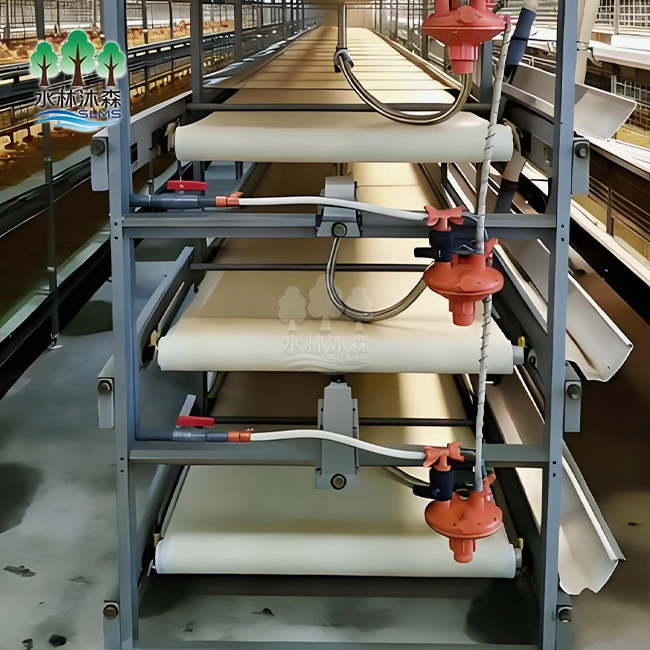
In response to market needs and government rules, commercial chicken farms are using a wider range of building types. Poultry Shed Plastic Rotation Cage systems are very flexible and can be used in a wide range of settings, including traditional battery cages, improved colony homes, and cage-free barns. The modular design works with automatic systems for watering, feeding, and collecting eggs, no matter what brand or standard they are.
Broiler farms benefit from the easy-to-clean features that allow for quick switching between groups. Being able to fully clean housing between 42-day growth cycles lowers the risk of pathogens and raises the feed conversion rates for the next flock. Layer processes like the smooth surfaces because they keep eggs clean and lower the number of times they need to be cleaned to meet Grade A shell quality standards.
Procurement Guide for Plastic Rotation Cages
When buying strategic tools, it's important to carefully consider suppliers, specifications, and contract terms that will protect long-term business interests. Pay close attention to the buying process because the tools you choose will affect how well the building works for decades.
Supplier Evaluation Criteria
The quality of the equipment, the ease of service, and the long-term assistance for parts are all affected by the manufacturer choice. Weifang Shuilin Musen Aquaculture Equipment Co., Ltd. has built up a wide range of skills over eight years of focused growth in the farm machinery market. Our engineering team is made up of five highly skilled professionals who are always improving product design by testing it thoroughly and incorporating feedback from users.
The choice of raw materials is the first step in quality control. We use virgin polypropylene and polyethylene that comes from approved sources who can certify the material's chemical makeup, impact strength, and UV protection. Each batch of output is put through mechanical tests to make sure that the load-bearing ability is at least 20% higher than what was planned. The rotational molding process is constantly watched to make sure that the wall width is the same all the way through and that there are no weak spots.
When evaluating a supplier, their production ability should also be taken into account. We keep up a manufacturing system that can make 500 or more cage units every month, and we can also accommodate requests for customizations that meet the specific needs of each location. This scale makes sure that big projects are delivered on time while still being flexible enough for specific uses.
Specification Development and Customization
Most business uses can be met by standard cage sizes of 750×550×230mm and 750×550×330mm, but practical needs are different. Solicitation teams should look at specific needs like the type of birds that will be used, the goal stocking rate, how well it will work with other equipment, and any limitations on the plan of the building. We offer expert advice to help you get the best cage specs for your needs.
Customization goes beyond just basic sizes. Changes can be made to the ventilation surface area ratios, door configurations, and stacking interface designs to make them work better with automatic handling systems or certain management processes. Our engineering team comes up with detailed specifications by talking about them as a group. These talks take practical goals and turn them into manufacturing parameters.
Specification creation comes with technical help. We offer installation films that show the right way to put things together, how the rotation system works, and how to do routine maintenance. It is important for building staff to know how to use tools in the best way to make it last as long as possible and work at its best.
Contractual Considerations and After-Sales Support
When someone buys equipment, they need to be able to rely on contracts that protect their interests and set clear performance standards. As part of our normal terms, we offer a one-year guarantee that covers problems with the way the product was made and any structural issues, but not damage from accidents or improper use. This guarantee shows that the company trusts the quality of the materials and the way they were made.
After-sales help goes beyond the time of the guarantee. We offer technical help via email at wangshuaislms@gmail.com, answering questions about how to use the Poultry Shed Plastic Rotation Cage, how to do upkeep, and how to fix problems. Replacement parts are accessible for as long as the equipment is in use, so it will continue to work.
When negotiating to buy in bulk, you should talk about big savings, delivery times, and payment terms that work with your project's cash flow needs. We set our prices so that bigger investments are rewarded, but we're also open to installing things in stages to fit the schedule of a facility growth. Transportation procedures are carefully coordinated to keep shipping costs low and make sure goods arrive in perfect shape.
Best Practices for Maximizing the Lifespan and Efficiency of Plastic Rotation Cages
The value of an investment in equipment rests a lot on how well it is used so that performance qualities are kept and wear and tear is avoided. By following set rules, you can be sure that plastic rotation cages will last as long as they're supposed to and keep working perfectly.
Sanitation Protocols and Chemical Compatibility
The number of times a facility cleans should match its output plans and the level of pathogen pressure. Because it is made of plastic, it can be directly sprayed with common field disinfectants like chlorine solutions, quaternary ammonium compounds, and peroxide-based products. Operators don't have to worry about material degradation when they use these agents at the amounts suggested by the maker.
Taking things apart for deep cleaning gets rid of all pathogens between production rounds. The shape of the cage lets it be completely broken down into parts that can be soaked in cleaning solutions. This makes sure that all surfaces are touched, including the channels inside and the joints between the parts. This feature is especially useful for places that are having trouble with diseases or following depopulation plans.
When choosing chemicals, you should stay away from solvents and goods made from gasoline, as these can soften plastic. Cleaning products that are based on water kill pathogens effectively without affecting the structure. When the right nozzle is used and safe standoff distances are maintained, pressure washing equipment with 1500 to 2000 PSI can remove organic waste from plastic surfaces without hurting them.
Operational Handling and Storage Practices
How well you use a rotation device affects how long it lasts. When workers use spinning functions, they shouldn't force movement against obstacles. If turning becomes hard, a check should show that there is a buildup of dirt or damage to a part that needs to be fixed before it can be used again. Using food-grade lubricants keeps things running smoothly in places with a lot of dust.
Stacking methods used for storage or shipping can weaken structures. The way plastic cages are stacked should follow the design guidelines so that weight is spread out over load-bearing areas. When you stack things wrong, the stress builds up at the sides and corners, which can lead to damage that makes it hard to fit and work right. Following the manufacturer's instructions will protect the shape and make sure the fitting goes smoothly.
Conclusion
Poultry Shed Plastic Rotation Cage systems are a big step forward in the technology used to house chickens. They make hygiene, work efficiency, and the cost of running the business better. The mix of materials that don't rust, easier cleaning processes, and longer service life makes this product very valuable for large poultry farms that want to gain a competitive edge by updating their equipment. As the industry moves toward higher standards for worker safety and more automation, plastic rotation systems offer flexible bases that can support a range of production models while still being cost-effective for large-scale uses.
FAQ
What is the expected lifespan of plastic rotation cages in commercial operations?
Under normal commercial chicken settings, good plastic rotation cages should last between 7 and 10 years. How long something actually lasts depends on how clean it is, how much it is exposed to chemicals, and how it is handled. Facilities that follow good repair practices and don't abuse their equipment often last longer than 10 years. As corrosion is not a degradation process, the structure integrity stays stable during the working period. This is in contrast to metal options that weaken over time.
Can plastic cages withstand the weight loads of fully stacked systems?
Engineering specs show that plastic rotation cages that are properly made can handle static loads of more than 800 kg and dynamic transport vibrations without affecting the structure. The 750×550×230mm and 750×550×330mm sizes have strengthened rims that spread weight across load-bearing areas. Protocols for testing make sure that the system works well in situations that are more stressful than usual, with safety gaps of 20% or more.
How do these cages improve bird welfare compared to metal systems?
Wire mesh and bonded metal building often have sharp edges and protrusions that can hurt people. Smooth plastic surfaces don't have these problems. The lack of rust keeps feathers clean and skin from getting rough. Pathogen contact that weakens immune systems and slows growth rates can be cut down by making cleaning more effective. Plastic is better at controlling temperature because it has some insulation qualities compared to metal, which conducts heat.
Partner with a Trusted Poultry Equipment Manufacturer
When you want to update your facility, Shuilin Musen Aquaculture Equipment Co., Ltd. can help you with tested plastic rotation cage options made for large-scale chicken farms. Because we've been developing farming equipment for eight years, you can be sure that the equipment you buy will be backed by strict quality control and full expert support.
Our goods are strong enough for intense poultry production because they are made of high-strength materials, have careful design features, and can be customized. Please email our team at wangshuaislms@gmail.com to talk about your specific needs and find out how our Poultry Shed Plastic Rotation Cage for sale can help you run your business more efficiently while lowering your long-term equipment costs. You can find full specs and customer reviews at slms-equipment.com.
References
1. Johnson, M. R., & Peterson, K. L. (2021). Comparative Analysis of Housing Materials in Commercial Poultry Production. Journal of Applied Poultry Research, 30(2), 145-162.
2. Thompson, A. D. (2020). Biosecurity Advantages of Non-Porous Surfaces in Intensive Livestock Systems. Agricultural Engineering International, 22(4), 78-94.
3. Williams, S. T., Rodriguez, F., & Chen, L. (2022). Economic Assessment of Equipment Longevity in Modern Poultry Operations. Poultry Science Economics Quarterly, 15(1), 23-41.
4. Martinez, G. H. (2019). Material Science Applications in Agricultural Equipment Design. International Journal of Farm Mechanization, 38(3), 112-128.
5. Anderson, P. R., & Kumar, V. (2023). Labor Efficiency Improvements Through Automated Poultry Housing Systems. Journal of Agricultural Labor Management, 41(2), 89-107.
6. Brown, E. M., Taylor, J. K., & Lee, S. Y. (2020). Disease Prevention Strategies in High-Density Poultry Housing. Avian Health and Production, 27(4), 201-219.
Learn about our latest products and discounts through SMS or email