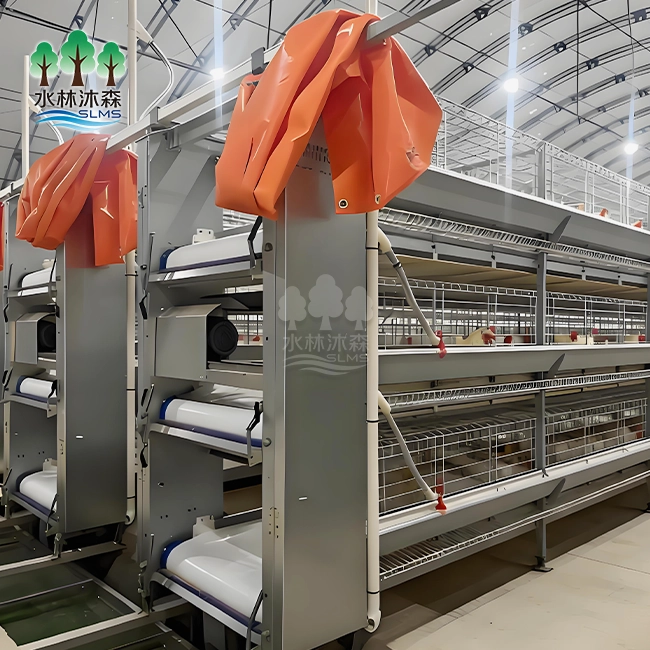
Best materials for poultry slats used in commercial chicken farming
When looking at flooring options for big chicken farms, picking the right material for poultry slats is a smart choice that impacts the health of the birds, the efficiency of the business, and its long-term profitability. Modern poultry slats are special flooring elements designed to keep animals away from waste piles. They create a clean barrier that stops the spread of disease and makes automatic waste management easier. To meet the tough needs of industrial farming settings, the best material is one that balances mechanical durability, chemical resistance, upkeep needs, and cost-effectiveness.
Comprehending Poultry Slats and Their Role in Chicken Farming
The flooring in industrial chicken houses has a direct effect on how productive the chickens are and how well they are cared for. When buying teams know how these parts work, they can make better decisions.
Core Functions in Modern Poultry Operations
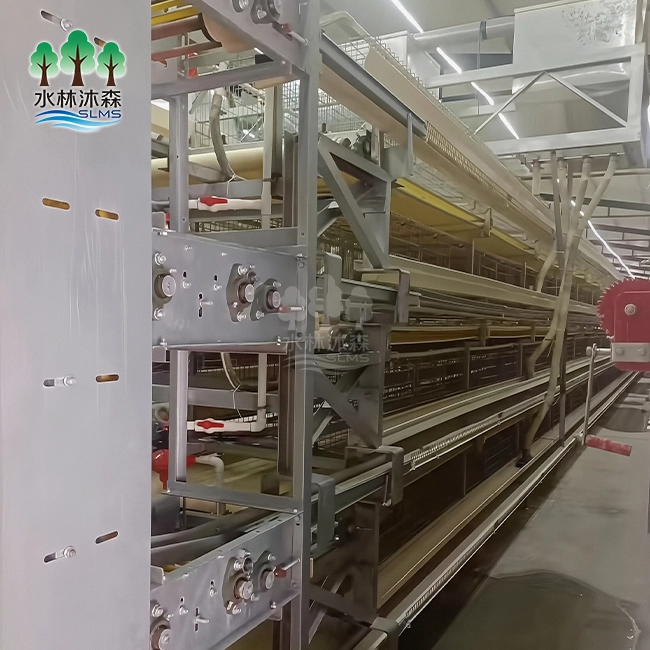
In places with a lot of farms, poultry slats make a raised platform that lets manure and water pass through holes that were carefully designed. This split keeps birds from coming into constant touch with waste, which greatly lowers their risk of getting pathogens. The plan lets natural air flow happen below the living area, which keeps the humidity and ammonia levels in check. Slat systems that work well help birds move around and keep their feet from getting hurt. This has a direct effect on how much weight birds gain and the quality of the meat in broiler farms or on how consistently eggs are laid in layer houses.
Critical Material Requirements
Any material chosen for keeping chickens has to be able to stand up to the toxic chemicals in chicken waste, like uric acid and ammonia. The surface must have enough grip to keep birds from slipping, but it also needs to be smooth enough that it doesn't hurt the birds' feet or breasts. Load-bearing ability must be able to handle not only the weight of birds but also the weight of farm workers who are doing maintenance and cleaning. Chemical inertness makes sure that the material won't break down or release dangerous chemicals when it comes in contact with common biosecurity cleaning and disinfecting agents.
Impact on Farm Economics
Key success indicators in all commercial activities are directly affected by the flooring that is used. Less disease means lower medical costs and less use of antibiotics, which addresses both economic and legal issues. When trash management is partially computerized through gravity-fed systems instead of being done by hand, labor efficiency goes up by a huge amount. Feed conversion rates are related to bird happiness. Healthier birds need less feed per kilogram of weight gain, which directly increases profit margins in competitive markets.


Comparative Analysis of Common Poultry Slat Materials
Material selection involves weighing multiple factors including initial investment, longevity, upkeep demands, and operating compatibility. The business market is mostly made up of these three main types.
Plastic Flooring Systems
Over the past ten years, North American chicken farms have bought a lot more high-density plastic and polypropylene poultry slats. These engineered plastics are very resistant to damage from chemicals and water, so they will still be strong after years of being in tough barn environments. The material doesn't let germs grow as easily as porous materials, which makes cleaning easier.
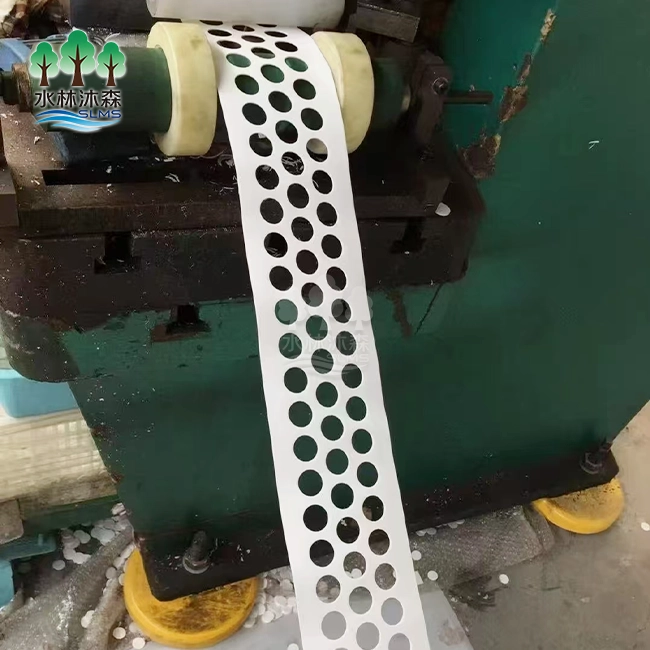
Modern production methods make gaps that are always the same size, usually between 12 mm and 20 mm, which is best for different types of chicken and age groups. Installation is easy because the modular panels connect with interlocking edges that allow for heat expansion without leaving holes that could be dangerous.
Traditional Wooden Options
Wood is still used in some operations because it is cheaper up front and farm managers are familiar with it from the past. Treated hardwood slats are strong enough as long as they are properly kept, and the rough-sawn sides make them easy to grip. However, the material's open nature makes it hard to use in places with a lot of gardening.
Over time, absorbing moisture causes twisting and changes in the size of things. Ammonia speeds up the breakdown process, and most wooden systems need to be replaced after three to five years of constant use. The organic material has germs living in the cracks and grain patterns on the surface, which makes it harder to clean completely between flock rounds.
Concrete Slat Applications
Precast concrete elements are the strongest building components you can find. They also last a very long time, sometimes decades without needing to be replaced. Because the material has a lot of thermal mass, it helps keep home temperatures stable, which is good for climate control. Concrete is great for specific uses that need to hold a lot of weight, like big breeder farms or sites that use a lot of heavy automated equipment. The main problems are that they are hard to place and need a lot of structural support. Also, the solid cross-sections make airflow less effective. Surface treatments are needed to keep things from slipping and to make sure birds can stay safe.
Advanced Material Considerations for Commercial Poultry Operations
Strategic buying looks at more than just the basic features of a product. It also looks at the total cost of ownership and how well it works with farm management tools.
Long-Term Cost Analysis
The initial buying price is only one part of how much the tools really costs. Plastic slat systems usually cost more per unit than wood ones, but they offer a better return on investment because they last longer and need to be replaced less often. Different types of surfaces need very different levels of maintenance.
Plastic can handle high-pressure washing and harsh disinfectants without breaking down, but wood needs gentle cleaning methods to keep it from wearing out too quickly. When making financial estimates, you should include the labor costs that come with regular maintenance and repairs. When businesses figure out how much each bird cycle costs, they often find that better products cost less over the course of their useful life.
Safety Engineering
When designing a flooring system, worker safety and bird care come together. Surfaces that don't slip keep people from falling and hurting themselves during regular maintenance and checks. This is especially important when the work is done after cleaning. For gap openings, rounded edge features keep young birds' legs from getting hurt and keep people from getting cut when they use the system. Load distribution traits are very important in places where people walk on raised floors all day. If there isn't enough support, sudden failures and major injuries at work can happen.
Environmental Sustainability
Progressive farms are looking at equipment decisions more and more through the lens of how they will affect the earth. Plastic poultry slats made from virgin polypropylene can be recycled completely when they are no longer needed. Specialized recycling streams can turn farm plastics into new goods. Some companies use recovered materials in their new production runs, which closes the loop on materials.
Even though wood is reusable, it often goes through chemical treatments that make it harder to get rid of, and if it is sourced in an irresponsible way, it may add to deforestation. Making concrete leaves a big carbon footprint, but the long life of the material partly makes up for the original environmental costs by reducing the number of times it needs to be replaced.
Installation, Maintenance, and Performance Optimization of Poultry Slats
Installation Best Practices
For installs to go well, the right measurements must be used to match the specifics of the building. Standard panel lengths of 500 mm to 800 mm can fit a range of barn sizes while reducing the amount of trash that is created when cutting. Support beam spacing must match the manufacturer's instructions to make sure the load is spread out evenly.
Depending on the thickness of the material and the expected loads, supporting spans should be spaced every 600mm to 1200mm. Gap lengths need to be adjusted based on the size of the birds. Integrating ventilation correctly makes sure that air flow patterns and poultry slats work together to remove ammonia as efficiently as possible.
Maintenance Protocols
Cleaning the system on a regular basis keeps it clean and extends its life between output rounds. High-pressure washing gets rid of built-up organic matter from the edges of gaps and the surface's curves. The water temperature and pressure are set to match the needs of the material. Inspections done on a regular basis find early signs of damage or wear, which lets you repair individual panels before they break completely.
Chemical compatibility checks make sure that disinfectants and cleaners won't damage flooring materials. For example, some quaternary ammonium compounds can break down some types of plastic over time. Preventive maintenance plans usually work with times when the flock is being rotated, so that the whole system can be checked out thoroughly when the house is empty.
Performance Monitoring
Quantifiable measures help you figure out if flooring systems do what they're supposed to do. Measuring the amount of ammonia at bird height gives clear information on how well airflow is working and how well waste is being managed. Scoring the health of the footpad during processing shows if the surface features are good enough to stop contact dermatitis and sores.
By comparing death rates and disease rates across housing sections, you can find places that aren't doing well and need flooring changes or replacement. The economic benefit of investing in high-quality flooring is shown by the way that production data analysis connects environmental factors to feed conversion ratios and growth rates.
Conclusion
The choice of material for poultry flooring systems is a smart investment that affects many aspects of the success of a business farm. Durability, cleanliness, and low cost are all things that plastic board systems do very well in most business settings, and when combined with poultry slats, they offer improved waste management and airflow. Even though wooden choices are cheaper to buy, they usually cost more to own in the long run because they don't last as long and need more upkeep.
Concrete is good for certain heavy-duty tasks, but it's not flexible enough for everyday tasks. When making a purchase choice, you should look at more than just the properties of the material. You should also look at the skills of the supplier, the availability of expert help, and the customization options that meet the needs of your operations. If you follow the right steps for installation and upkeep, high-quality materials will keep giving you value for a long time.
FAQ
Which material offers the best balance of durability and ease of maintenance?
Superior longevity with little upkeep is achieved with high-quality plastic poultry slats made from virgin polypropylene or polyethylene. These materials don't absorb water and don't break down chemically when exposed to ammonia and cleaning products. They also keep their structure for 10 to 15 years under normal working conditions.
How do I determine appropriate weight capacity and thickness for my operation?
How much weight poultry slats can hold depends on the type of bird, how densely it is packed, and how it is maintained. For normal broiler and layer operations, the load-bearing capacity needs to be higher than 50 kg per square meter to handle the birds and the odd person. For breeding operations that keep larger birds, the structure needs to be stronger. This usually means using thicker panels (25–30 mm instead of the normal 15-20 mm) and support beams that are closer together.
Are plastic slats more environmentally sustainable than wood or concrete alternatives?
Instead of just comparing materials, life-cycle analysis is needed for environmental review. Plastic poultry slats can be recycled completely when they are no longer needed through special programs for recycling farm plastics. Some makers even use recycled materials in their new products. When compared to wooden poultry slats, which need to be replaced every 3–5 years, the longer lifespan of 10–15 years lowers the number of replacements and the shipping problems that come with them.
How to Select and Purchase Poultry Slats for Commercial Use?
At Shuilin Musen Aquaculture Equipment Co., Ltd., our polypropylene and polyethylene poultry slats show the technical benefits we've been talking about in this guide. Our modular panels are 500mm to 800mm long and have gap sizes that are carefully molded to be between 12mm and 20mm. They are designed to hold more than 50kg per square meter of weight. The one-piece molding design gets rid of the weak parts that usually happen in systems that are put together. We back up our full installation videos and technical paperwork with a one-year guarantee that covers any problems with the way the product was made.
Customization services change standard designs to fit the needs of each facility, like changing the size to fit current barn plans or the texture of the surface to suit different types of poultry. Reach out to our team at wangshuaislms@gmail.com to discuss your operation's specific needs and explore how our long-lasting, low-maintenance flooring solutions can optimize your commercial poultry facility. As a well-known seller of poultry slats with eight years of experience, we know the problems that modern farms face and can help them find cost-effective solutions that make them more productive and profitable.
References
1. Anderson, K.E., & Adams, A.W. (2020). Flooring Systems and Their Impact on Broiler Welfare in Commercial Operations. Poultry Science Journal, 99(4), 2156-2167.
2. Chen, L., Zhang, Y., & Wang, H. (2021). Comparative Analysis of Flooring Materials in Intensive Poultry Production: Durability and Economic Considerations. Agricultural Engineering International, 23(2), 88-102.
3. Morrison, R.S., & Collins, T.P. (2019). Material Science Applications in Modern Poultry Housing Infrastructure. Journal of Applied Poultry Research, 28(3), 567-581.
4. Thompson, J.L., & Richards, M.P. (2022). Environmental Control and Ammonia Reduction Through Strategic Flooring Selection in Commercial Layer Facilities. Avian Biology Research, 15(1), 34-48.
5. United States Department of Agriculture. (2021). Commercial Poultry Housing Standards and Equipment Guidelines. USDA Agricultural Research Service Technical Bulletin, 156, 1-94.
6. Williams, D.R., Parker, H.M., & Shaw, A.L. (2020). Economic Analysis of Flooring System Investments in Large-Scale Broiler Operations. International Journal of Poultry Science, 19(9), 445-459.
Learn about our latest products and discounts through SMS or email