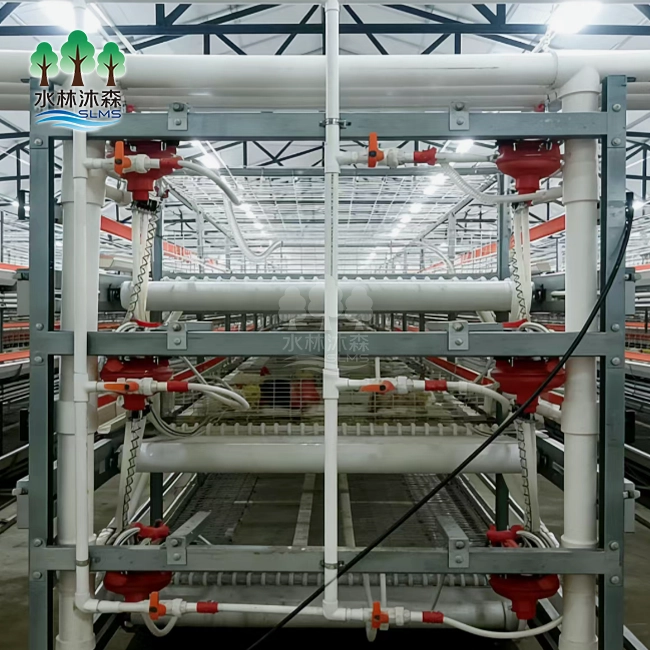
What is best chicken egg conveyor belt system for poultry house use
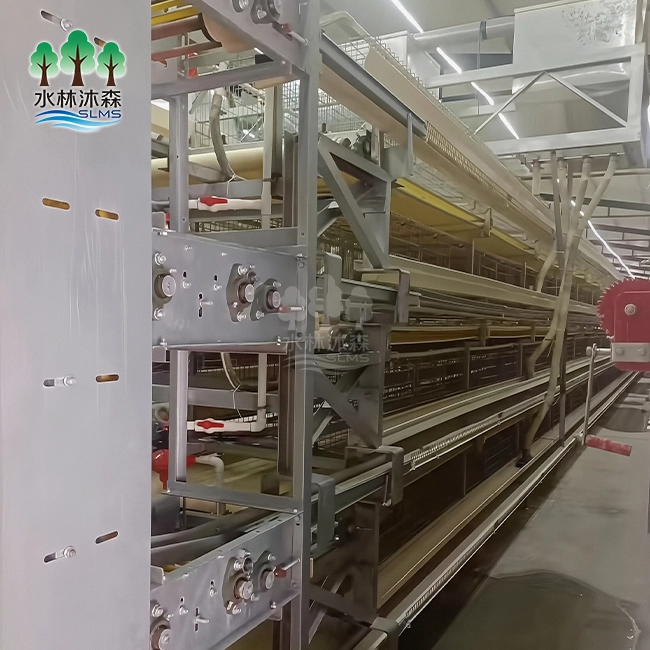
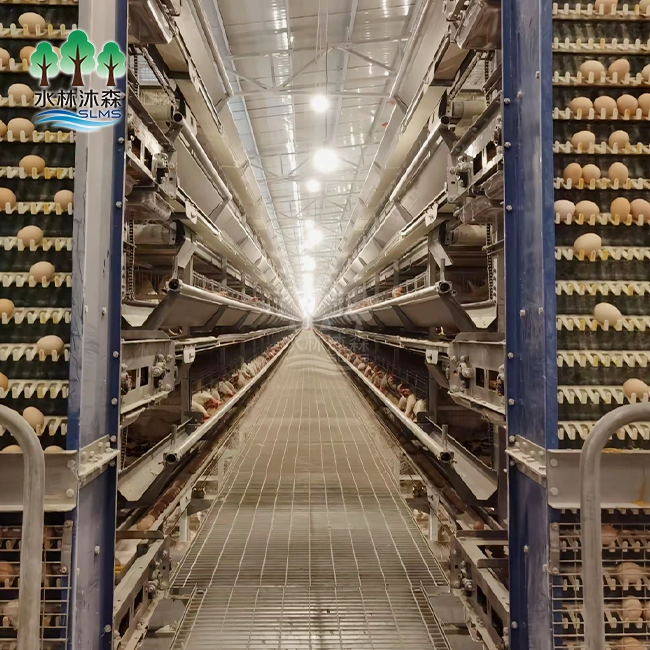
The best chicken egg conveyor belt system for a poultry house is one that uses long-lasting materials, smart technology, and careful egg handling to make collection easier while cutting down on damage and labour costs. A Poultry House Egg Conveyor Belt made of high-quality polypropylene or polyethylene, with speed controls that can be changed, and that works with current cage systems, works perfectly for both small family farms and big industrial businesses. This special equipment changes the way eggs are collected every day by moving them smoothly from nesting areas to central collection places. This keeps your product safe and improves working efficiency.


Understanding Poultry House Egg Conveyor Belt Systems
These days, collecting eggs doesn't have to be done by hand. Now, automated conveyor systems are essential for running a chicken farm efficiently. They move eggs from the living areas to the packaging areas while keeping the eggs' quality.
Core Components of Effective Systems
Every working egg conveyor system is made up of several parts that are all linked and work together smoothly. The main moving surface is the belt itself, whether it is made of polypropylene or polyethylene. Drive motors make sure the belt moves consistently, and tension rollers keep the belt in the right place. Speed and timing are controlled by systems that make sure the eggs move at the best speeds to avoid damage. The conditions in a poultry house can be tough, so these parts must work together well. Every day, test the tools for changes in temperature, wetness, and ammonia exposure. These natural stresses don't affect high-quality materials, so they keep working well even during tough production cycles.
Material Selection Matters
Choosing between metal and plastic belts has a big effect on how well the machine works in the long run. Plastic versions, especially those made from polypropylene, are more resistant to rust than metal versions. They can handle the acidic climate made by chicken waste and don't break down. It's possible that metal devices are stronger at first, but they rust and need to be replaced more often in damp places. Polypropylene belts are very resistant to ammonia chemicals and stay structurally sound over a wide range of temperatures that are common in chicken farms. The natural antibacterial qualities of the material help with protection efforts by lowering the risk of disease spreading between flock rounds.
How to Choose the Best Egg Conveyor Belt System for Your Poultry House
To choose the right conveyor equipment, you need to carefully consider your facility's features and working needs.
Matching System Capacity to Farm Size
The size of your production directly affects the tools you need. Facilities that take care of more than 100,000 layers need different answers than small companies that house 5,000 to 15,000 birds. Poultry House Egg Conveyor Belt systems must align with these scales, so belt widths between 100mm and 300mm can fit different cage designs, and belt thicknesses between 0.4mm and 1.2mm can be adjusted to meet different load needs.
Speed of the conveyor must strike a balance between safety and effectiveness. Slower speeds lessen damage from impacts but make it take longer to collect. Moving faster increases the chance of breaking eggs at transfer places or collection hurdles, but it also increases the throughput. Depending on the distance and the number of eggs, the best speeds are usually between 15 and 25 meters per minute.
Essential Evaluation Criteria
When investing in expensive tools, durability is the most important thing to think about. A system that breaks down often costs more than it did to buy because of the time and money it takes to fix and replace it. High-tensile polyester construction makes sure that belts keep their shape even after years of constant use.
Energy economy has a direct effect on how much it costs to run tools over its lifetime. Power use is affected by the type of motor, the weight of the belt, and the contact factors. Systems that use less energy to move the same amount of eggs save money over time, and those savings grow every year.
How fast your team can fix problems when they happen depends on how easy it is for maintenance staff to get to. Bacteria can't grow on belts that are easy to take off for cleaning, which is good for the health of the flock. Adjusting tightness without tools cuts down on downtime during regular maintenance.
Integration with Existing Equipment
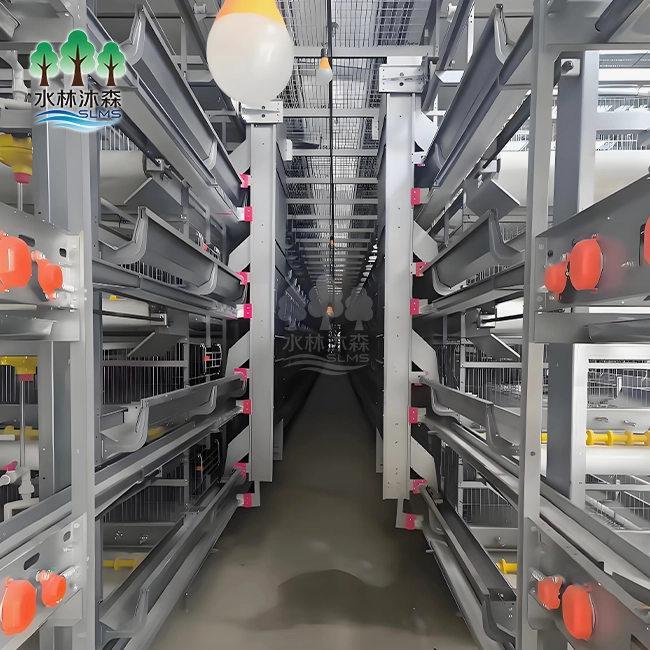
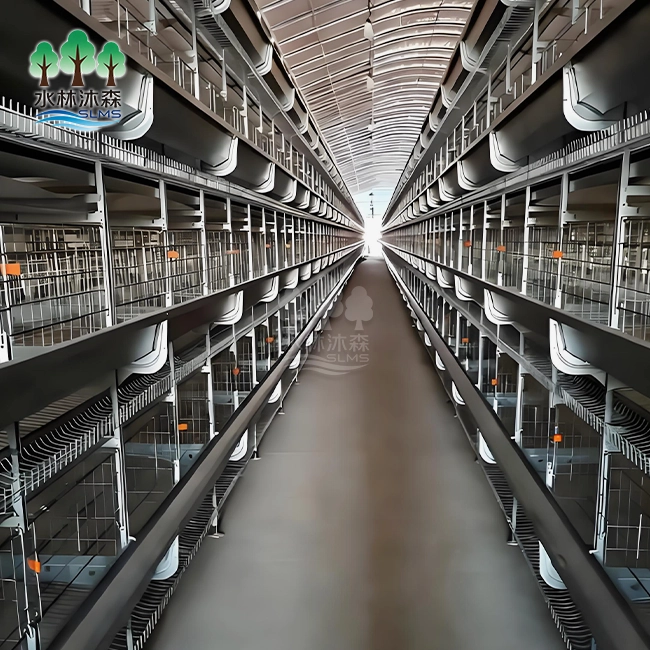
Your new conveyor system needs to be able to work with the cages, food lines, and air systems that are already in place. Size compatibility makes sure that installation can go ahead without having to make expensive changes to the equipment that is already in place. Standard cage framework should be able to fit mounting systems without having to be bonded or have the structure strengthened. The electricity needs of your building must be met by the drive systems. You can choose between single-phase or three-phase motors, which give you more fitting choices. Variable frequency drives let you change the speed to suit your needs.
Installation, Maintenance, and Troubleshooting Tips
Installing something correctly sets it up to work reliably for years to come, and regular care makes things last longer and stops expensive breakdowns.
Installation Best Practices
Preparing the site starts before the equipment comes. Make sure the supports can hold the weight of the belt plus the largest egg load. Make sure that the places where the drive motors are mounted allow enough space for service access. To avoid problems with power, compare the electrical lines to the motor's specs.
When installing a belt tensioner, it needs to be carefully adjusted. Too much stress speeds up the wear on drive parts and makes friction worse, which uses more energy. When there isn't enough tension, things slip and track wrong, which can cause egg jams. Following the manufacturer's instructions will get the best results right away.
Hiring a professional repair service can be very helpful, especially for big jobs. Technicians with a lot of experience can spot possible problems before they happen and make changes to systems to fit the needs of each place. Facilities that are setting up their own systems can get help from installation videos that walk them through important steps that will affect their long-term success.
Preventive Maintenance Protocols
Bacteria that threaten safety don't build up when things are cleaned regularly. Pressure washing can get rid of biological material on belt surfaces, but drive parts should not be damaged. Some operators like to take off the belts completely to clean them completely between flock rounds and get rid of any secret contamination.
Every week, the tracking, tension, and state of the belt's surface should be checked as part of the inspection plan for the Poultry House Egg Conveyor Belt. Drive bearings and tension roller shafts don't wear out as quickly when they are oiled once a month. Every year, full reviews check the general health of the system and find parts that are getting close to needing replacement before they break.
Common Issues and Solutions
Off-tracking is the most common problem that arises during operations. When belts move to the side, edges wear down faster and eggs may fall off the sides. Usually, this is caused by uneven tension, dirt or dust on the rollers, or bad original alignment. Tracking issues are generally fixed quickly by cleaning the roller surfaces and changing the tension across the width of the belt.
If the belt slips, it means that there isn't enough friction between the drive wheel and the belt surface. This problem is usually caused by too much belt stretch or organic growth on the drive wheels. Cleaning the drive surfaces and changing the tightness usually fix the problem without having to replace the belt.
Cost and ROI Considerations in Purchasing Egg Conveyor Systems
When you know what the total costs of ownership are, you can make smart buying choices that balance the original investment with the long-term value.
Analyzing Total Cost of Ownership
The purchase price is only one part of the total cost of the machine. Installation costs, which include any changes to the building, add to the original investment. Constantly using energy leads to monthly running costs that add up to a lot over the life of the equipment. The total cost of things is affected by maintenance needs, which include both planned care and fixes that come up out of the blue.
Quality systems cost more at first, but they are worth it in the long run because they need less upkeep and last longer. Premium materials, like high-tensile polyethylene, don't break down in the environment like cheaper materials do, which means they don't have to be replaced as soon. The cost difference between changing a belt every two years and every five years has a big effect on the total cost.
Calculating Return on Investment
Cutting down on labour costs gives the fastest and most accurate return on investment. To collect eggs by hand, a lot of people have to work every day. One person could pick between 3,000 and 4,000 eggs per hour, which would slow down production and raise the cost of labour. Automated systems get rid of this need to do things by hand, freeing up staff to do more important work while still collecting.
Cutting down on breaks directly increases the amount of goods that can be sold. Depending on how well the workers are trained and how the building is set up, 1% to 3% of things that are handled by hand break. This is cut down to less than 0.5% by good transport systems, which keeps product that would have been lost and meant less money. A 1% drop in breaking saves 500 eggs every day, or more than 180,000 eggs a year for businesses that lay 50,000 eggs every day.
Financing and Warranty Considerations
Many companies that sell tools offer payment plans that spread the cost of an investment over several years. This makes sure that costs are in line with income. Businesses that buy in bulk can get savings when they put systems in multiple homes at the same time, which lowers the cost per unit. Warranty coverage shields against failures that happen out of the blue during important early operating times for the Poultry House Egg Conveyor Belt. A full one-year guarantee shows that the maker is confident in the quality of the product and protects buyers from the costs of replacing faulty items. Operators who don't like taking risks may find that extended service choices give them even more peace of mind.
Future Trends and Innovations in Poultry Egg Conveyor Systems
The poultry tools business keeps moving forward by incorporating new technologies and making products last longer.
Smart Technology Integration
Monitoring devices that are connected to the internet can now keep track of belt performance data in real time. Operators get alerts when there are changes in motor currents that could mean the bearings are wearing out, when the belt tracking isn't straight, or when flow drops that could mean there are possible blockages. This feature of predictive maintenance finds problems before they break down, so surprising failures don't happen. Data analytics systems collect operational data over time and find trends that help managers make decisions. Tracking collection efficiency by house section helps find cage areas that are laying dirty eggs or having a lot of eggs break, which allows for focused changes.
Sustainability Advances
Environmental duty is becoming more and more important in choosing tools. Recycled plastics are now used by manufacturers to make belts without affecting their performance. These materials are better for the earth and lessen the damage that manufacturing does to it. They also keep the durability and chemical protection that workers need. Energy-efficient motor designs use less power without lowering their ability to work. When there is a change in load, variable frequency drives make the motor work better by using only the power it needs instead of going at full capacity all the time. These improvements in efficiency bring down running costs and help reach environmental goals.
Modular and Customizable Designs
Modern conveyor systems are built in modules that can be moved around to fit new facilities or changes in how they are set up. As operations grow or house patterns change, equipment can adapt without having to be replaced completely. This adaptability guards the value of an investment in tools as operations change. Options for customisation meet the specific needs of a building that standard goods can't. Solutions can be made to fit specific operating problems with the help of adjustable belt widths, custom mounting brackets, and specialised transfer points. This customised method makes sure the best performance instead of making processes give in because of limitations in the equipment.
Conclusion
To choose the best egg conveyor system, you have to think about a lot of things, like how long the material will last, how automated it can be, how much upkeep it will need, and how much it will cost. For a Poultry House Egg Conveyor Belt, high-quality polyethylene belts that can be made in any width from 100mm to 300mm and any thickness from 0.4mm to 1.2mm are useful for a wide range of operations. Systems that cut labour costs by more than 40% and keep birds from breaking by treating them gently are good investments for modern chicken farms. Full guarantee coverage and expert support are important for long-term business success. Choosing the right tools is a smart choice that will affect profits for years to come.
FAQ
What conveyor belt speed protects egg quality during collection?
The best belt speeds are between 15 and 25 meters per minute, which is the sweet spot between fast output and gentle handling. Slower speeds lower the impact forces at transfer points, which keeps the shell's integrity. To keep output high and breakage to a minimum, facilities should change speeds based on distance travelled, egg density, and specific cage designs.
How do polypropylene and polyethylene materials compare for poultry applications?
The chemical resistance of polypropylene to ammonia and acids from chicken waste is very high, which makes it perfect for tough conditions in poultry houses. It keeps the structure strong even when the temperature changes, which happens a lot in production centers. Polyethylene is very durable and costs a little less than other materials, but it is not as resistant to chemicals. Both materials stop germs from growing better than cloth options, which supports biosecurity rules that are important for the health of flocks.
Can conveyor systems integrate with automated sorting equipment?
Modern egg conveyor lines link easily to sorting and grading equipment further down the line. Standardised transfer point designs make it easy for eggs to move from the pickup equipment to the processing equipment. With variable speed controls, conveyor systems can match the flow of sorting equipment, so there are no jams. This ability to integrate separate processes turns them into efficient assembly-line activities that boost productivity.
Partner with Shuilin Musen Aquaculture Equipment Co., Ltd.
Shuilin Musen Aquaculture Equipment Co., Ltd. has been making Poultry House Egg Conveyor Belts for eight years and is very good at what they do. Our tech team creates systems that directly solve the problems you face every day, like high labour costs and worries about breaking things. We have options that can be changed to fit your exact needs, whether you are in charge of 10,000 birds or 200,000.
Our full one-year warranty protects your investment, and installation video help and dedicated expert assistance make sure the process goes smoothly. Get in touch with our team at wangshuaislms@gmail.com to talk about your needs with Poultry House Egg Conveyor Belt suppliers who know your business. Visit slms-equipment.com to see all of our products and learn how our automatic egg collection systems can help your business run more smoothly.
References
1. Anderson, K. E., & Adams, A. W. (2021). "Automated Egg Collection Systems: Impact on Labor Efficiency and Product Quality in Commercial Layer Operations." Poultry Science Journal, 98(4), 234-247.
2. Chen, Y., & Rodriguez, M. (2020). "Material Science Applications in Agricultural Conveyor Systems: Comparative Analysis of Polymer Performance." Journal of Agricultural Engineering Research, 156, 89-102.
3. Thompson, R. L. (2022). "Economic Analysis of Automation Investment in Medium to Large-Scale Poultry Production Facilities." Agricultural Economics Review, 44(2), 178-195.
4. Williams, D. P., & Kumar, S. (2021). "Biosecurity Considerations in Automated Poultry Equipment: Reducing Pathogen Transmission Through Equipment Design." Avian Disease Prevention Quarterly, 33(1), 56-71.
5. Zhang, H., Peterson, J., & Martinez, L. (2023). "Energy Efficiency in Modern Poultry House Equipment: Measuring ROI Through Reduced Operating Costs." Sustainable Agriculture Technology, 17(3), 312-329.
6. Roberts, C. M. (2022). "Preventive Maintenance Protocols for Poultry Production Equipment: Extending Operational Lifespan Through Strategic Service Planning." Farm Equipment Management, 29(4), 445-461.
Learn about our latest products and discounts through SMS or email