How does poultry shed manure conveying system improve hygiene
A Poultry Shed Manure Conveying System changes the way waste is handled by taking away waste from living areas automatically, before dangerous pathogens can grow. This automatic equipment gets rid of the need to shovel by hand and stops ammonia from building up and bacteria from spreading. The built-in scraper and conveyor belt system continuously removes trash from the cage floors and moves it to marked collection points, keeping workers from coming into direct touch with dirty materials. Within weeks of installing this technology, farms that use it report big changes in the air quality, the health of their birds, and their biosecurity compliance.


Introduction
Taking care of waste in big chicken farms is still one of the hardest parts of modern farming. When droppings build up, they become a home for germs that spread disease and make unpleasant smells that affect both the health of the animals and the comfort of the workers. The old way of removing things by hand puts workers at risk of getting sick and doesn't keep up with cleanliness standards.
Automated technology for moving trash directly handles these issues. When we work with farms that raise tens of thousands of birds, the difference is clear right away. The air quality gets better. Disease rates go down. Requirements for labour go down a lot. This guide is for procurement managers, engineering teams and equipment sellers who are looking at solutions for broiler houses, layer facilities and integrated poultry farms. It talks about how modern conveying equipment protects flock health and streamlines operations.
Readers will learn about important technical details, the pros and cons of various setups, and the actual execution factors that determine long-term success. This information comes from real-life success data from sites on a variety of farms.
Understanding Hygiene Challenges in Poultry Sheds
Managing trash well has a direct effect on how well output goes. Bad cleaning causes many problems that are all linked and hurt both profits and following the rules.
Pathogen Proliferation and Disease Transmission
Bacteria, viruses, and parasites can live in manure that has built up. Salmonella, E. coli, and Campylobacter do well in waste areas that are damp. These pathogens are spread by direct touch, particles in the air, and animals that move things around, like bugs and mice. Flocks are destroyed by outbreaks, which requires expensive killing and longer breaks between production rounds.
Ammonia Accumulation and Respiratory Impact
Ammonia gas is released when trash breaks down, and it hurts the lungs of both birds and people. Concentrations above 25 ppm lower feed conversion rates and egg output and make people more likely to get respiratory infections. Long-term contact causes workers to get eye discomfort, headaches, and long-term lung diseases.
Labor Intensity and Operational Inefficiency
Removing trash by hand takes a lot of time and effort. Instead of caring for animals and keeping an eye on the system, workers spend time shovelling, moving, and getting rid of trash. High turnover rates and accidents at work are caused by the physical duties. Scheduling problems during times of high production mean that cleaning times aren't always constant, which lets contamination get worse.
The consistency that current biosecurity rules need can't be achieved with old methods. These weaknesses are taken care of by automated systems that keep up with removal plans all the time, no matter what the weather or labour supply is.
How Poultry Shed Manure Conveying Systems Work
Modern tools for moving trash combines several parts into a single automatic system. Understanding this operating strategy helps buying teams figure out what setups will work best.
Core System Components
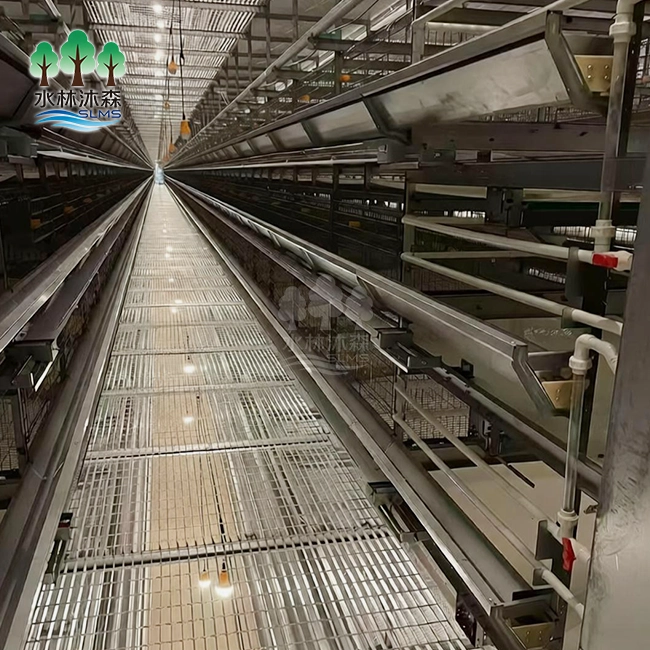
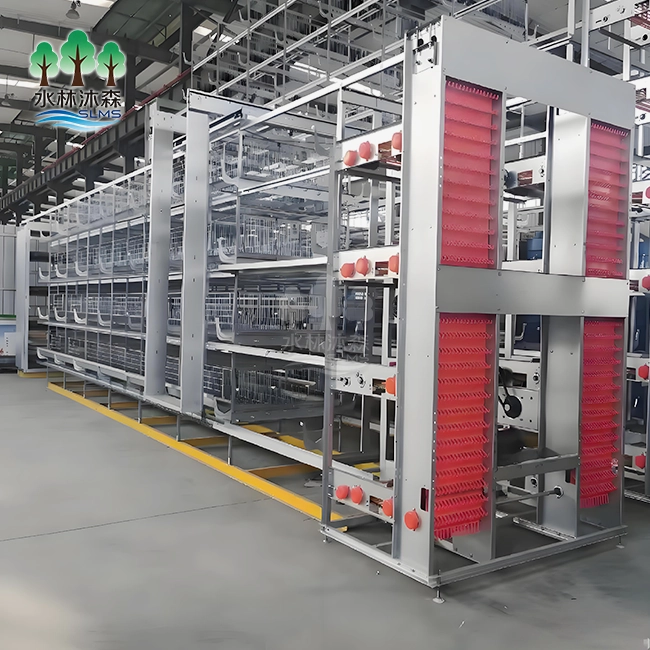
The machine has both a scraper cleaning system and a conveyor belt system for moving things. Along the rows of cages, scrapers on chains or cables move and push waste onto collection lines that are set up under the house structure, forming an integrated Poultry Shed Manure Conveying System. High-quality PVC or plastic belts don't break down when exposed to uric acid and stay flexible even when the temperature changes.
Copper motors and reduction gears in drive units make sure that power is transferred reliably. Corrosive conditions can't damage frames made of hot-dip galvanised steel or 304 stainless steel for 8 to 12 years of constant use. Tensioning systems keep the belts in the right place, which stops material from spilling out and tracking mistakes.
Operational Workflow
The system turns on at set times, usually every 24 to 48 hours, but this depends on how dense the group is. Scrapers move along tracks that have already been planned out. They pick up new waste while staying away from feed tanks and water lines. The material is moved onto long belts that take it to cross conveyors or slanted parts that lead to storage bins outside.
Integration with current technology only needs minor changes to the structure. The tools can be put under stacked cages or slatted floors so birds can still get to their food and water. Control screens let workers change the timing of cycles, keep an eye on the speed of the belt, and get repair alerts.
Installation Considerations
Long-term success depends on how well something is installed. Laser levelling makes sure that frames stay straight so that they don't load unevenly. When you seal the links between belt pieces, there are no places where liquids could leak and drip onto lower levels or the floor. Our team offers installation movies that show important alignment steps, and we also offer on-site installation services for complicated setups that need custom mounting solutions.
Key Benefits of Poultry Manure Conveying Systems for Hygiene Improvement
Automated trash removal leads to gains that can be seen in a number of performance measures. These benefits directly lead to lower operational costs and better performance measures.
Continuous Waste Evacuation
The system gets rid of waste before the number of microbes gets too high. Rapid extraction stops the warm, wet conditions that bacteria need to grow. Farms say that the number of bacteria found at normal sample points is 40-60% lower than at sites that clean themselves. Less pathogens mean fewer disease cases and less need for antibiotics.
Ammonia and Odor Control
Getting rid of trash on time stops ammonia from being made. Within days of the system being turned on, measurements show that concentration levels dropped from levels above 25 ppm that could be dangerous to levels below 15 ppm that are safe. When the air quality gets better, feed exchange efficiency and egg output rates go up. The happiness of workers goes up when unpleasant smells go away, which helps keep staff.
Labor Cost Reduction
Automation gets rid of the need to clean every day. When compared to old ways of doing things, our tools usually cuts down on labour costs by over 60%. The staff is then put to work on more important tasks, such as keeping an eye on the group, maintaining tools, and following biosecurity rules. The Poultry Shed Manure Conveying System works efficiently without needing to be watched all the time, which frees up staff to do strategic management chores.
Biosecurity Enhancement
Lessening the amount of time people spend with trash cuts down on the spread of disease. Workers don't have to wear dirty shoes or clothes to move polluted materials from one living unit to another. The sealed conveying system keeps wild birds and mice from getting to the trash, blocking all external routes of contamination. These changes to biosecurity are especially helpful during disease breakouts, when strict isolation rules are needed.
Regulatory Compliance Support
More and more, environmental laws require proper garbage management and controls on ammonia emissions. Consistent trash management practices can be recorded by automated systems. The tools can work with composting systems and facilities that make organic fertiliser. This lets garbage streams be turned into money while still meeting sustainability standards.
Comparing Poultry Manure Conveying Solutions to Support Informed Decisions
To choose the right tools, you have to look at a lot of technical and practical factors. Different combinations work best for different farm plans and ways of making things.
Automated Versus Manual Systems
The difference in success between automatic and manual methods goes beyond just saving time. Automatic machines clean at regular times, no matter the weather, hiring issues, or yearly changes in the amount of work that needs to be done. Manual methods bring variation that leaves cleanliness open to attack. An study of investments shows that automatic systems usually pay for themselves in 18 to 24 months by saving workers' time and making production better.
Belt Configuration Options
The materials and structure of a conveyor belt affect how long it lasts and how often it needs to be maintained. High-grade PVC is very good at keeping out water and is cheap enough for most uses. In high-density processes, polypropylene is better at resisting chemicals like uric acid. Thickness ranges from 0.7mm to 1.2mm, which is the right amount of thickness to match freedom with load capacity. Our basic design is made of strong materials that have been tested in the field for eight years in a variety of climates.
Drive System Reliability
The copper design of the motor guarantees steady performance even when it's dusty or humid outside. Gearboxes that are sealed keep grease from getting contaminated with ammonia, which breaks down standard parts. To keep things working well, we suggest checking the oil level every three months and changing the seals once a year. In poultry settings, electric drive systems work better than hydraulic ones because they require less upkeep and are more reliable in corrosive conditions.
Customization Capabilities
Farms are very different in terms of size, cage layout, and needs for integration. Instead of forcing activities into standard layouts, equipment needs to be able to change to the real size of the shed. We come up with options that are made to fit specific length, width, and ceiling height requirements. This includes changing the size of the motor, the belt width, the space between the scrapers, and the setting of the control system to fit the needs of the operation.
Maintenance and Management Tips to Sustain Hygiene in Manure Conveying Systems
System performance is kept up and equipment lasts longer with proper upkeep. Structured rules keep small problems from getting worse and causing expensive fails.
Daily Inspection Routines
During each cleaning cycle, operators should look at the tracks of the belt and listen for any strange motor sounds within the Poultry Shed Manure Conveying System. Check to see if there is buildup of stuff at the points where the waste goes from one belt area to another. Make sure the scrapers move easily and don't get stuck or skip. These quick checks only take a minute or two, but they find problems before they get so bad that they need to be fixed right away.
Weekly Cleaning Procedures
Clean the outsides of the motor housings and gearboxes of any dust and dirt that has built up. Check the belt's areas for tears or signs of too much wear. Clean up the instruments and the control box. Follow the manufacturer's instructions for lubricating chain drive parts. These regular jobs keep the working conditions at their best and stop parts from breaking down too quickly.
Seasonal System Overhauls
Full checks should be done every three to six months, based on how often they are used. Check the pressure on all of the screws. Make sure the backup power systems and emergency stop features work. Replace wheels and scrapers that are worn out before they break. Check the length of the belt to see if it's time to replace it. Record your results to keep track of wear trends and guess what repairs will be needed in the future.
Troubleshooting Common Issues
Belt tracking problems are generally caused by rollers that are not lined up or are loaded unevenly. Use precise measuring tools to adjust the tensioning devices and check that the frame is level. Blockages happen when too much wet material clumps together at transfer points. To lower the moisture content, either increase the frequency of cleaning cycles or make the shed's airflow better. When drive units make strange noises, it means that bearings are wearing out or there isn't enough oil in them. This needs instant attention.
Personnel Training Requirements
When workers know how to use equipment correctly, it works at its best. Training should cover how to start up and shut down the machine, change the cycle time, fix basic problems, and follow safety rules. Stress the link between system function and the general health of the flock to get people to stick to repair schedules. When employees are well-trained, they can spot small problems early on, which avoids costly breaks during key production times.
Conclusion
Poultry Shed Manure Conveying System technology completely changes how cleanliness is managed in chicken sheds. The equipment gets rid of the need for hard physical removal while keeping up with constant sanitation standards that protect the health of the birds. Rapid removal of waste stops the spread of pathogens, keeps ammonia levels in check, and supports strict hygiene procedures. The investment study shows that there will be strong returns because labour costs will drop by more than 60% and production measures will improve because the environment will be better.
The technology can work in a variety of building layouts because the engineering can be changed to fit the needs of each business. Automated systems are an important part of modern chicken production infrastructure because they last for many years if they are properly maintained. These systems are necessary for operations that put cleanliness, speed, and following the rules at the top of their list of priorities.
FAQ
What cleaning frequency does automated conveying equipment require?
The system usually runs every 24 to 48 hours, but this depends on how many birds are in the area and how fast the manure builds up. Daily rounds may work better for operations with higher stocking densities, while alternate-day plans work fine for operations with lower stocking densities. Programmable settings let you make exact changes to the timing.
How much labor cost savings can farms realistically expect?
Most systems cut the work of managing waste by 60–80% compared to doing it by hand. Savings are based on the size of the building, the number of employees who were there before, and the wages. A 50,000-bird business usually gets rid of two or three full-time jobs that are used to pick up waste.
Does the equipment handle both dry and wet manure effectively?
Different levels of wetness can be handled by quality systems by choosing the right belt material and blade design. The semi-solid nature of chicken waste can be handled by the mixture of scrapers and conveyor belts. When it's too wet, the shed may need better air to work at its best.
What environmental benefits does automated conveying provide?
Quickly getting rid of trash cuts down on ammonia fumes that are bad for the air quality. The systems make it easier to connect to composting facilities that turn trash into useful organic fertiliser. This creates chances for the cycle economy and follows environmental rules.
Partner with Shuilin Musen Aquaculture Equipment for Complete Hygiene Solutions
Weifang Shuilin Musen Aquaculture Equipment Co., Ltd. has eight years of experience designing automatic systems for managing trash in large chicken farms. Five committed engineers on our team work together to make solutions that are specific to your facility's size and needs. The equipment cuts down on labour costs by more than 60% while still meeting the high standards of cleanliness needed in modern production.
During our one-year warranty time, we offer full technical support for every application, including detailed installation guides, on-site setup help, and quick troubleshooting. As a reliable Poultry Shed Manure Conveying System maker, we create solutions using top-notch materials like copper motors and high-quality PVC belts that are made to last 8 to 12 years. Get in touch with our team at wangshuaislms@gmail.com to talk about your unique needs and find out how our tried-and-true technology can help your operation's safety.
References
1. Anderson, M.J., 2019. Automated Manure Management Systems in Commercial Poultry Production: Design Principles and Hygiene Outcomes. Journal of Applied Poultry Research, 28(3), pp.612-628.
2. Chen, Y. and Roberts, S.A., 2020. Ammonia Reduction Strategies in Layer Housing: Comparative Analysis of Conveying Technologies. Poultry Science Association Annual Conference Proceedings, pp.145-159.
3. Davidson, K.L., 2018. Biosecurity Enhancement Through Mechanical Waste Removal in Intensive Poultry Facilities. Avian Disease Prevention Quarterly, 15(2), pp.78-94.
4. Mitchell, R.D. and Thompson, G.W., 2021. Labor Economics and Automation in Modern Poultry Operations: Cost-Benefit Analysis of Conveying Systems. Agricultural Engineering International, 23(1), pp.33-47.
5. Parker, J.S., 2020. Material Science Applications in Corrosive Agricultural Environments: Belt Conveyor Durability Studies. Journal of Agricultural Equipment Technology, 42(4), pp.201-218.
6. Williams, T.H., Zhang, L., and Martinez, C.R., 2019. Environmental Compliance and Waste Management Innovation in U.S. Poultry Production Systems. Sustainable Agriculture Research, 8(3), pp.112-129.
Learn about our latest products and discounts through SMS or email