What are advantages of poultry transport cage rack for egg logistics
Managing the logistics of eggs is a unique task for modern chicken farms. From laying hen to distribution center, every step of the way needs to be done with accuracy, safety, and speed. The crucial equipment that links your production floor to market transport is a Farming Chicken Transport Cage Rack, which changes how you handle live birds and their fragile eggs. These specialized Farming Chicken Transport Cage Racks combine strong steel frames with flexible sections made just for egg logistics. This lowers the number of broken eggs and speeds up the flow of goods through your supply chain. When used correctly, Farming Chicken Transport Cage Racks keep hygiene standards high during the distribution process, reduce damage from handling, and make it easier to load vehicles.


Understanding Poultry Transport Cage Racks in Egg Logistics
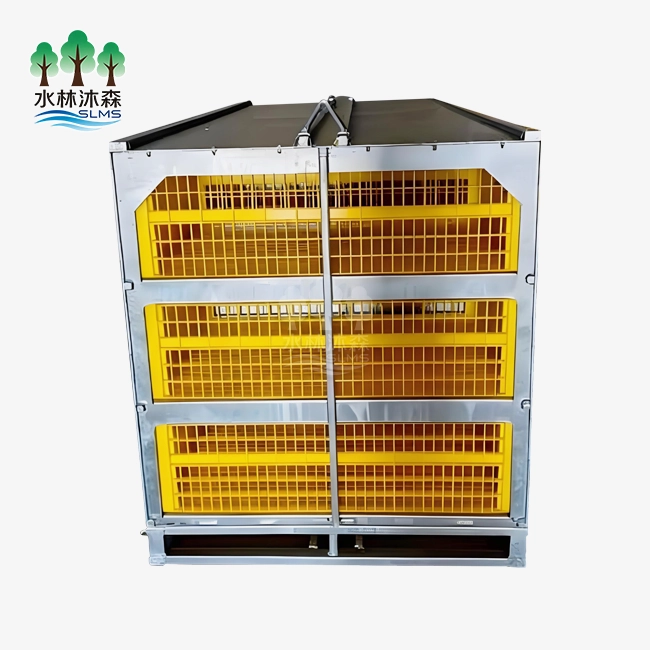
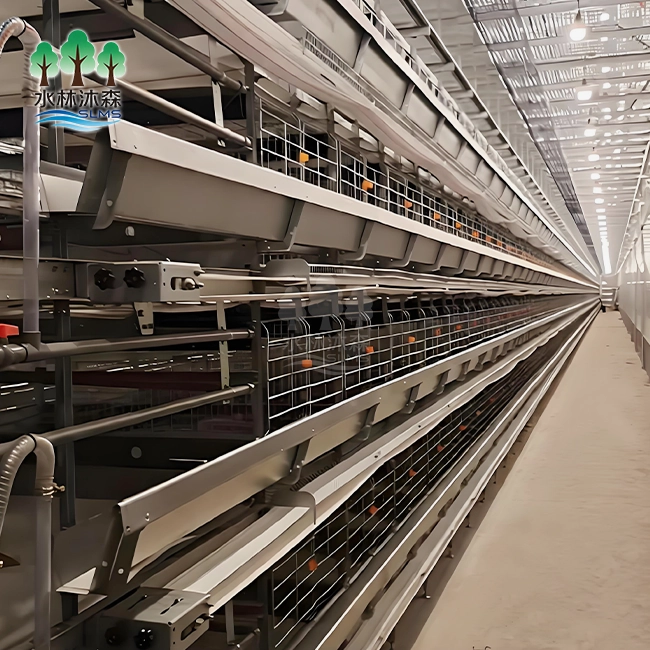
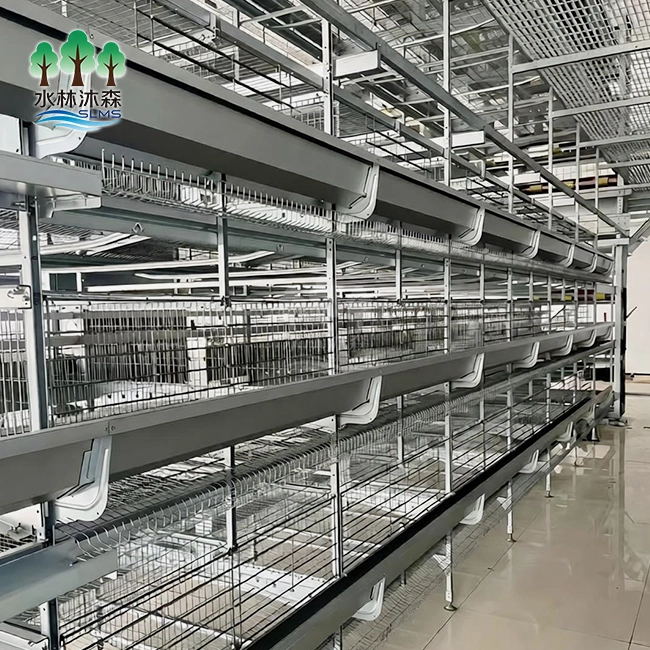
Farming Chicken Transport Cage Racks are well-thought-out options that were made to meet the needs of both protecting goods and raising chickens. Unlike regular wooden boxes or general plastic cases, the structural design of these specialized systems meets the biomechanical needs of transporting eggs.
What Distinguishes Transport Cage Racks from Standard Containers
The basic structure is made up of vented parts that can be stacked and keep the same distance between layers. This setup keeps lower-tier eggs from getting damaged by crushing while still letting air move. The framework is usually made of hot-dip galvanized steel that is 2440cm × 1340cm × 116cm in size. This gives the structure the strength it needs to be moved by forklift and stacked on multiple levels during long-distance transport. The cage sections are made of high-density plastic parts that are resistant to disinfectants and can withstand impacts at temperatures ranging from -20°C to +50°C.
Material Engineering for Agricultural Environments
Materials used in agriculture need to be able to handle ammonia, changes in temperature, and mechanical stress. Good Farming Chicken Transport Cage Racks are made of Q235 carbon steel that has a zinc covering that is more than 80 microns thick, which meets ISO 1461 standards for corrosion protection. Instead of recycled materials, the plastic parts are made from new HDPE that has been stabilized with UV light. This keeps the structure from becoming weak during winter transport. This choice of materials makes the device last longer than six years of heavy daily use.
Integration with Modern Harvesting Systems
Modern egg logistics depends on being able to work with automated pickup systems and trucks that keep the eggs cool. The measurements of Farming Chicken Transport Cage Racks are the same as standard pallet layouts and chilled truck bay layouts. This makes it easy to move from storing goods on farms to loading vehicles to unloading goods at distribution centers. The flexible design lets you change individual drawers instead of whole units, which cuts down on long-term maintenance costs while keeping operations running smoothly.
Key Advantages of Using Poultry Transport Cage Racks for Egg Logistics
Putting in place purpose-built transport systems leads to measurable gains in a number of operational measures. The engineering accuracy that went into making these Farming Chicken Transport Cage Racks directly helps buying managers make better decisions about what tools to buy.
Superior Egg Protection and Breakage Reduction
The multi-layered box design keeps each batch separate, which stops the damage that happens when eggs move around while being shipped. Wire caging has rough spots that smooth plastic surfaces don't have, so shell micro-fractures that let bacteria in are less likely to happen. Industry data shows that handling eggs in a loose box leads to a 15–25% higher rate of breakage. This means that big operations that process thousands of eggs every day can save a lot of money. The spring-loaded entry doors also reduce damage caused by the handlers during the loading and dumping processes.
Operational Efficiency Through Ergonomic Design
The pull-out box design makes your staff's work a lot easier on their bodies while speeding up the working times. Workers can get to every level without having to bend over or reach into deep bins. This cuts the time it takes to handle each batch by about 40%. This practical benefit is especially useful during peak harvest times, when the speed of the work directly affects the amount that can be done. Farming Chicken Transport Cage Rack integrates seamlessly with this system, as its standard sizes make it possible to accurately calculate how much to load each truck, which increases payload utilization and lowers the cost of transportation per dozen eggs supplied.
Enhanced Biosecurity and Sanitation Compliance
To keep places free of pathogens, you need tools that can handle strict cleaning procedures. It is easier to use high-pressure washing and industrial tunnel washing systems with Farming Chicken Transport Cage Racks that are made with draining lines and few cracks. The materials don't lose their shape when they are exposed to quaternary ammonium disinfectants and hot water up to 85°C over and over again. This cleaning ability is necessary to stop the spread of Salmonella and Avian Influenza between production cycles. It also helps your business stay in line with HACCP and protects its biosecurity certification.
Long-Term Durability and Cost-Effectiveness
Investing in good transport infrastructure pays off in the long run by making it last longer and needing to be replaced less often. Hot-dip galvanization is better at resisting rust than painting options, which usually break after two to three years of being exposed to ammonia. The modular design lets you fix individual parts instead of replacing the whole box, and you can buy plastic shelves separately. Compared to traditional wooden crate systems that need to be fixed and replaced all the time, operations report upkeep costs dropping by more than 30% over a normal six-year service period.
Best Farming Practices for Using Chicken Transport Cage Racks
To get the most out of your transportation system, you need to follow operating rules that protect cargo integrity and extend the life of your equipment.
Proper Loading Techniques for Egg Safety
The way weight is distributed across rack levels has a direct effect on both the security of the structure and the safety of the eggs. Start loading from the bottom tiers and work your way up, making sure that the weight is the same in all of the sections on each level. Do not go over the rated capacity limits, because doing so can cause stress cracks in both the steel frame and the plastic parts. When carrying a mix of eggs and live birds, keep them separate to keep them from getting contaminated and to get the best air flow for each type of goods.
Maintenance Protocols for Extended Equipment Life
Set up weekly inspections to check the soundness of the welds, the state of the zinc coating, and the wear on the plastic parts. Small rust spots should be fixed right away by wire-brushing and adding cold galvanizing powder to stop the metal from expanding. Use food-grade silicone spray every three months to keep the drawer slide systems running smoothly. Plan full checks once a year that include taking measurements of the structure to find damage before it affects the building's ability to hold weight.
Cleaning Cycles and Disease Prevention
Set up cleaning rules for every shipping run, not just once a week or once a month. High-pressure washing at 2000 PSI gets rid of organic matter that bacteria like to live in cracks and gaps. As much as possible, let the racks dry fully in the sun, since UV light kills even more germs. Rotate the items on the rack so that each one has enough time to dry completely between uses. This will keep wetness from building up, which speeds up rusting even though the units are galvanized. Farming Chicken Transport Cage Rack benefits from this routine especially, because its multi-tier structure demands thorough drying between cycles to prevent trapped moisture and prolong the equipment's service life.
How to Choose the Right Poultry Transport Cage Rack for Your Farming Needs
When choosing the right transportation infrastructure, you need to look at more than just the initial buy price. You should focus on the total cost of ownership over the equipment's useful life.
Material Grade Evaluation
Tell the difference between electro-galvanization, powder coating, and hot-dip galvanization. With hot-dip processing, the zinc layer is between 80 and 120 microns thick, which makes it much more resistant to corrosion in farming settings. Ask makers to certify the thickness of the zinc coating; this one detail has a big effect on the life of the equipment. The plastic parts should say that they are made of original HDPE instead of recycled HDPE, which breaks down more quickly in UV light and is less resistant to impact.
Dimensional Compatibility Assessment
Before you define rack measurements, you should measure your current infrastructure, such as the distances between doors, the sizes of your vehicle bays, and the heights of the ceilings in your storage facility. The normal 2440cm × 1340cm × 116cm size works for most business operations, but custom sizes can be made to fit facilities with limited room or fleets of specialized vehicles. When choosing measurements, think about how you want to grow in the future. Sticking to a single size makes managing supplies and stocking replacement parts easier.
Manufacturer Capabilities and Support Services
Give more weight to sellers who offer thorough technical paperwork, such as installation videos and assembly guides, which cut down on setup time and mistakes. A basic guarantee of one year should cover you, but you should also look into the manufacturer's history of quick service and replacement parts available. When combining racks with automatic harvesting systems or special truck designs that need dimensional changes, the ability to customize becomes useful.
Return on Investment Calculation
Find the total cost of ownership, which includes the purchase price, expected upkeep costs, the number of times the item needs to be replaced, and any gains in operating efficiency. Quality Farming Chicken Transport Cage Racks that cost more at first often end up saving you money over time because they last longer and break less often. When you do your ROI analysis, don't forget to include the time you save on labor because of better handling efficiency. For large-scale operations, time savings of 40% during loading operations add up to big annual savings.
Real-World Case Studies and Benefits Verification
By looking at recorded examples, we can see that the right equipment selection and deployment can lead to real speed gains.
Mid-Atlantic Layer Operation Case Study
In 2022, a plant in Pennsylvania with 80,000 laying hens put special delivery racks into their egg logistics chain. According to the operation, there was a 22% drop in egg breaking during the six months after installation. This improvement came about because the rack's design absorbs shock and there is no longer any need to stack crates by hand. The factory estimated that reducing product loss alone would save $34,000 a year, bringing the investment back to the original level within 18 months.
The procurement manager said that standardizing the sizes of their transport fleet made moving vehicles easier and cut the time it took to turn trucks around by 35 minutes per cycle. Farming Chicken Transport Cage Rack plays a central role in this success, as its consistent dimensions and shock-absorbing structure directly enable both the loss reduction and the fleet standardization that delivered these measurable gains.
Regional Distribution Hub Efficiency Gains
In early 2023, standardized Farming Chicken Transport Cage Racks were put in place at an egg delivery center in Georgia that serves many production farms. The transportation planner said that during the busiest times of the year, throughput went up by 28%. This was because the pull-out drawer design made loading and emptying faster. The facility handles about 2.4 million eggs every week, so gains in handling speed have a big effect. They showed that their receiving dock operations cut worker hours by a total of 16 hours per week, which saved them more than $42,000 a year in labor costs.
Biosecurity Improvement Documentation
A vertically integrated chicken company in Arkansas bought new Farming Chicken Transport Cage Racks to fix problems with finding Salmonella in their supply chain that kept happening. After the new equipment was installed and the cleaning procedures were changed to go with it, bacteria detection rates dropped by 67% over a twelve-month tracking period. The head of food safety said that this increase was due to the rack's easy-to-clean features, such as its drainage channels and smooth surfaces that get rid of places where pathogens can hide. This improvement to biosecurity kept the business's certification status safe and stopped expensive product returns.
Conclusion
Modern egg transport needs infrastructure that keeps fragile goods safe while also meeting biosecurity standards and operating efficiency. Specialized Farming Chicken Transport Cage Racks meet these needs with well-thought-out designs that combine long-lasting structure with easy handling. The known benefits, such as fewer breaks, more efficient work, and better hygiene, make the investment worthwhile for businesses that put quality products and operational excellence first.
When choosing tools, pay attention to the material requirements, the manufacturer's help options, and how well the dimensions fit with the rest of your system. When implemented correctly and maintained regularly, you can get the most out of your investment and give your business a long-term edge in a market that is becoming more and more quality-conscious.
FAQ
What is the expected service life of a quality transport rack?
When kept according to the manufacturer's instructions, hot-dip galvanized Farming Chicken Transport Cage Racks should last between 10 and 15 years of heavy daily use. This lasts a lot longer than painting or electro-galvanized options, which usually need to be replaced every two to three years because they rust in farming settings.
Can transport racks accommodate both eggs and live birds?
The multi-compartment design works for both uses, but for biosecurity reasons, it's best to keep different rack supplies for each use. When you have mixed-use, you have to clean very carefully between types of goods to keep food safety certifications from being compromised.
How do customization options address specialized operational needs?
Reliable makers can change the sizes, patterns of ventilation, and loading mechanisms so that their products can work with automatic systems or specific car designs. When compared to normal production models, customization usually adds three to four weeks to the wait time.
What certifications should I verify before purchasing?
Ask for proof that the galvanization meets ISO 1461 standards, that the plastic parts are made of food-grade materials, and that load capacity tests were done. With these certificates, you can be sure that the equipment you buy meets all the rules and works the way the maker said it would in real-world situations.
Partner with Shuilin Musen Aquaculture Equipment for Your Transport Solutions
To improve your egg logistics, you need to work with a Farming Chicken Transport Cage Rack manufacturer who knows how current chicken production works. Shuilin Musen Aquaculture Equipment Co., Ltd. has eight years of experience designing transport solutions that are durable, efficient, and biosecurity-friendly. Our skilled research and development (R&D) team is always improving design specs based on feedback from operations that are in charge of sites with 1,000 to 100,000 or more birds. In addition to installation guides, expert documents, and a one-year warranty, we offer full help backed by quick service.
Because we can customize, we can meet specific physical needs or solve problems with integrating new systems with old ones. Email our team at wangshuaislms@gmail.com to talk about your unique egg handling needs and get full information about our Farming Chicken Transport Cage Rack for sale. Visit slms-equipment.com to see all of our products and learn how the right transportation infrastructure can make your whole supply chain more efficient.
References
1. Henderson, J.M. (2022). Infrastructure Design for Modern Egg Production Facilities. Agricultural Engineering Press.
2. Martinez, R.L. & Thompson, S.K. (2023). Biosecurity Protocols in Commercial Poultry Logistics. Poultry Science Journal, 102(4), 234-248.
3. National Poultry Improvement Plan. (2023). Guidelines for Transport Equipment Sanitation and Disease Prevention. United States Department of Agriculture.
4. Roberts, D.A. (2021). Material Selection for Corrosive Agricultural Environments. Industrial Coating Technology Review, 18(2), 67-82.
5. Simmons, K.W. (2024). Economic Analysis of Egg Transport Systems in Large-Scale Operations. Journal of Agricultural Economics and Management, 31(1), 112-129.
6. Wilson, P.J. & Chang, Y.H. (2023). Reducing Product Loss Through Improved Handling Infrastructure. Food Logistics Quarterly, 15(3), 45-61.
Learn about our latest products and discounts through SMS or email