What Is Egg Conveyor Belt System in Modern Poultry Farm Setup Guide
Taking care of a modern chicken farm means dealing with egg gathering problems every day, which have a direct effect on profits and production. A chicken egg conveyor belt system is a specialised type of automation that moves newly laid eggs from nesting or cage areas to central collecting places with little help from people. The chicken egg conveyor belt in this system is made of specialised materials like polypropylene or polyester to make sure the eggs are handled gently. This lowers the number of eggs that break and cuts the amount of work that needs to be done by over 40%. This automatic technology is now needed on farms with thousands to over 100,000 birds. It has turned a process that used to require a lot of work into one that is organised and runs more smoothly.


Understanding the Egg Conveyor Belt System: Principles and Benefits
Core Working Principles of Automated Egg Collection
Modern methods for moving eggs along a chicken egg conveyor belt use simple but complex mechanical principles. Eggs are either rolled or put on continuous belts that move at fixed speeds, usually between 0.1 and 0.5 meters per second. This keeps the eggs from moving in ways that could crack them. The system includes motors for moving things, parts that keep things in place, support structures, and the transport belt itself. The belt is woven in a certain way so that eggs stay safe while they're being moved.
The choice of chicken egg conveyor belt material is very important. Premium polyethylene is chemically resistant to ammonia from dung and can keep its shape even when it's being used continuously. Low extension rates mean that these belts don't stretch over time, so they don't suffer from sagging and imbalance problems that happen with cheaper options.
At Shuilin Musen Aquaculture Equipment, we make belts with thicknesses from 0.4mm to 1.2mm and widths from 100mm to 300mm. This means that our customers can choose the right belts for their cages and farms of any size. This careful planning makes sure that the eggs move smoothly and don't hit anything or get damaged.
Measurable Productivity and Economic Benefits
When you look at operational statistics from commercial farms, the business case for automated chicken egg conveyor belt collection methods is strong. One of the biggest ongoing costs for chicken farms is labour. For example, to do hand collection, several workers have to spend hours each day walking back and forth between rows of cages. Automation greatly lowers this work, freeing up workers to do more important things like keeping an eye on the health of the group and maintaining the building.
Not only does less damage save time, it also directly affects income. Breakage rates are usually between 2 and 4 percent when things are handled by hand, but they can drop to less than 1 percent when chicken egg conveyor belt systems are set up correctly. This difference can mean big money for people who run plants that make thousands of eggs every day. Energy economy also helps keep costs down, since current systems use very little power while running all the time during laying cycles. Most of the time, the investment pays off within 18 to 24 months thanks to less broken equipment, less labour, and better operating efficiency.
Environmental and Hygiene Advantages
Biosecurity and environmental sustainability are becoming more and more important in modern chicken farming. Both problems can be solved by automated collection devices. The non-absorbent materials used in good chicken egg conveyor belts stop bacteria from colonising. This lowers the risk of pathogen transfer compared to manual collection methods, where workers move from one cage area to another, which could spread contamination.
The environment is good for more than just your health. Droppings and other waste can fall through perforated belt designs instead of sticking to the egg surfaces. This keeps the eggs clean and means they need less thorough washing. This design cuts down on the amount of water needed for processing and the chance that water-borne bacteria will get into eggshells through areas that are porous. Professional-grade belts last longer, so they don't need to be replaced as often. This cuts down on trash and the damage that making and throwing away belts does to the earth.
Types of Chicken Egg Conveyor Belts and Their Applications
Material Composition and Structural Variations
To choose the right chicken egg conveyor belt materials, you need to know about the unique stresses that exist in chicken plants. Polypropylene belts work great in layer houses because they are more resistant to chemical breakdown in high-ammonia settings. These belts usually have herringbone or twill weave designs that make them grip while still letting dirt pass through. This way, they stay clean without needing to be cleaned all the time by hand.
Polyester substitutes have different performance traits that make them better for certain uses. Because these materials are stronger when pulled apart, they can be used for longer chicken egg conveyor belt lines or places where there are steep slopes between collection levels. In some situations, hybrid designs that mix the qualities of different materials can help solve specific problems. When farm managers know about these important differences, they can choose equipment that works best in their specific situation instead of general options that might not work well or need to be replaced too soon.
Automation Levels and Integration Capabilities
Egg collection methods range from ones that are only partially automated to ones that are fully automated. Most semi-automated systems have motorised belts with human transfer places where eggs can be moved from pickup belts to packing areas. These systems work well for farms that are switching from human to automated operations or that can't afford to go fully automated right away.
Fully automatic systems combine the collecting of eggs with processes like sorting, grading, and packing that happen later. These all-in-one systems use sensors to keep an eye on the flow of eggs and change the speed of the belts automatically to keep output at its best. In more advanced applications, data collection is used to get real-time production measurements that help managers make decisions.
The ability to integrate is especially useful for large-scale operations where the total efficiency depends on how well different parts of the production process work together, such as synchronizing a chicken egg conveyor belt with grading, packing, and cleaning modules. At Shuilin Musen, our tech team works directly with clients to create unified solutions that work well with current systems and can be expanded in the future as business needs arise.
Application-Specific Belt Configurations
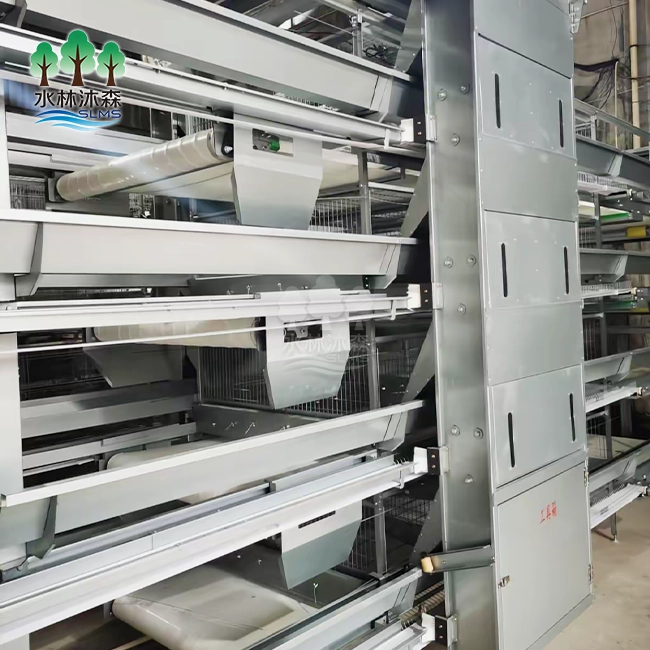
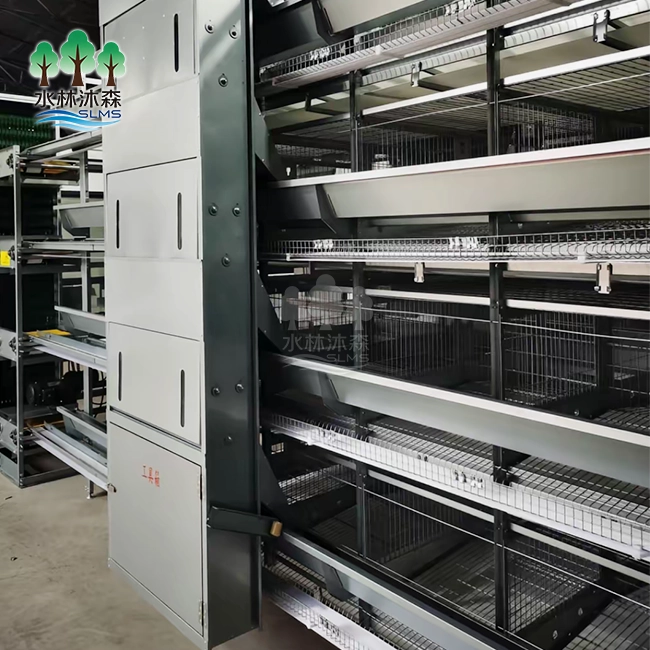
Different methods for housing chickens need different ways of moving the feed. In most battery cage setups, long chicken egg conveyor belts run along the rows of cages, and cross conveyors pick up eggs from different levels. The A-frame and H-frame cage setups each have their own space problems that need to be solved with special belt routing and support structures.
When it comes to gathering, free-range and enriched colony setups are not the same as regular boxes. In these places, strong chicken egg conveyor belts are needed that can handle different egg placement patterns and possibly more pollution from sleeping materials. When breeding businesses handle fertilised eggs, they need to be even more careful not to damage the embryos, which often means they need bigger belts with better support. Instead of settling for general equipment that doesn't work well, matching the belt's specs to the housing type guarantees the best performance.
Maintenance, Troubleshooting, and Longevity of Egg Conveyor Belts
Preventive Maintenance Protocols for Extended Service Life
Setting up regular repair plans keeps small problems from getting worse and leading to expensive failures. Visual checks should be done every day to make sure the chicken egg conveyor belt tracking is straight and that it runs on support structures without touching frame parts. Misalignment leads to early wear and can damage the belt, which needs to be replaced right away during busy production times.
As part of weekly maintenance, drive motors and tension components need to be cleaned of dust and other debris that has built up. Lubricating the bearing surfaces once a month keeps them running smoothly and lowers mechanical stress. Checking the state of the chicken egg conveyor belt surface every three months should include looking for broken edges, a brittle surface, or localised wear patterns that point to alignment issues. Most high-quality belts from reputable makers will last between 3 and 5 years with regular upkeep. The equipment we sell comes with a lot of support materials, like installation guides that show the right way to set up and manage the system. This will help your team keep it running at its best for as long as it's in use.
Common Issues and Diagnostic Approaches
Knowing the most common types of failure makes it easier to find the problem and fix it quickly. When a chicken egg conveyor belt slips, it's usually because the tension settings are off or the drive parts are worn out. This situation shows up as eggs moving unevenly or the belt stopping completely, even though the motor is still running. Usually, adjusting the tensioning mechanisms fixes the problem. However, if the problem happens more than once, it means the belt has worn out and needs to be replaced.
When there are problems with tracking, the chicken egg conveyor belts move side to side, pushing against the support frames and possibly dropping eggs. Usually, this is caused by uneven stress across the width of the belt or support rollers that aren't lined up right. Tracking problems are usually fixed by systematically adjusting the tension points and wheel alignment. Motor breakdowns are less common but need quick care because they stop all collection. Downtime caused by broken parts is kept to a minimum by having backup motors and established relationships with service providers.
Selecting Durable Materials and Reliable Suppliers
Material quality is a key factor in how long equipment lasts and how reliably it works. Poor materials may seem like a good deal at first, but they end up costing more in the long run because they need to be replaced more often, break more often, and cause production to stop. When high-end chicken egg conveyor belt materials are made, they go through heat-setting methods that pre-stretch the fibres. This almost completely gets rid of the problems with stretching that happen with cheaper materials.
Material specs are just as important as choosing a supplier. Manufacturers you can trust give clear guarantee terms, thorough technical specs, and material certifications. At Shuilin Musen Aquaculture Equipment, we stand behind our goods with a free guarantee that covers problems with the way they were made and how well they work for a year.
Our five specialised engineers are always making product ideas better by looking at data from the field and making sure that each version is better than the last. This dedication to quality control, from choosing the raw materials to the final testing, makes sure that the equipment you get is designed to work in tough business settings and isn't just cheaply made to save money at the expense of performance.
Comparison and Procurement Guide for Chicken Egg Conveyor Belts
Cost-Benefit Analysis: Manual versus Automated Collection
To figure out how much technology costs, you have to look at both the direct costs and the savings in time and money. For manual capture methods, workers have to put in a lot of time every day—two to four hours for every thousand birds. Labour rates vary by area, but even if you use low-ball figures for wages, the annual cost of labour for medium-sized businesses is higher than the cost of buying chicken egg conveyor belt automation equipment within two years.
Breakage rates are another important financial factor. Breakage rates of 2 to 4 percent are common when things are handled by hand, but rates of less than 1 percent are common when automatic chicken egg conveyor belt systems are properly kept. When thousands of daily output cycles are added up, the difference in income gets big.
Energy use comparisons also favour automation; current chicken egg conveyor belt systems use very little power compared to the lighting and temperature control that are needed for long periods of time when collections are done by hand. When broken parts are less likely to happen, labour costs are removed, and energy use is kept to a minimum, automated systems are clearly more cost-effective for businesses with more than a few thousand birds.
Essential Procurement Criteria for Equipment Selection
To choose the right tools, you have to look at a lot of technical and business factors. To make sure there is enough overhead for peak laying times, the chicken egg conveyor belt capacity must match the production rate. Because the belt speed can be changed, it can be optimised for different egg types and living arrangements. Details about how much energy a business uses help with estimating costs and figuring out what kind of electricity equipment is needed.
Total ownership costs are greatly affected by warranty terms and after-sales support plans. Full warranties that cover both parts and workmanship protect against breakdowns before they should happen. When problems happen, quick technical help is very important because production delays have a direct effect on income. How upkeep is planned and the risk of downtime are both affected by how easy it is to get new chicken egg conveyor belt parts. Our customisation tools let us change the specs of the equipment to fit the specific needs of your building, so you don't have to make operational sacrifices to work around the limits of standard equipment.
Evaluating Suppliers and Making Strategic Purchasing Decisions
The review of a supplier goes beyond just looking at the product specs. It also looks at the stability of the company, its manufacturing skills, and its service infrastructure. Companies that have been around for a while are more likely to be reliable than new companies that haven't been around for long. Manufacturing capacity affects wait times and the trustworthiness of order fulfilment. This is especially important when planning farm building or repair projects that need to be finished by a certain date.
Customisation gives you the freedom to meet specific needs at your site that standard goods can't. Some providers only offer set configurations, which means that customers have to change their facilities to fit the chicken egg conveyor belt equipment instead of the other way around. You should also think about the payment terms and shipping schedules, especially when buying things from other countries because coordinating operations can affect project timelines.
Shuilin Musen has been in the farming and livestock tools business for eight years, which shows that we are dedicated to our customers' success. We have a full service framework that helps customers from the first meeting all the way through installation, commissioning, and continued operational support.
Installation and Integration Best Practices in Modern Poultry Farms
Site Preparation and Layout Optimization
Setting up a chicken egg conveyor belt system correctly starts a long time before the equipment arrives. The plan of the building needs to allow for the routing of belts, support structures and entry to collection points. Enough space between the cage tiers and the belts keeps them from interfering and lets repair workers get to them. For motors to work, the electrical system must provide the right power and amperage, and the circuit security must meet safety standards.
It's important to check the floor loading capacity, especially when adding multi-tier chicken egg conveyor belt systems that weigh a lot all together. It is important to find the structural support points and strengthen them as needed so that they can hold the weight of tools without compromising the building's stability.
When controlling the climate, it's important to make sure there is enough air flow around the drive motors to keep them from burning and to keep electrical parts from getting too wet. Preparing the site well ahead of time keeps you from having to make expensive changes during installation when problems show up and need to be fixed, which is more inconvenient and costs more.
Professional Installation versus In-House Implementation
The choice of installation method relies on the technical skills, project difficulty, and resources that are available. Professional installation services make sure that the chicken egg conveyor belt system is put together, aligned, and tested correctly. Installers with a lot of experience can spot possible problems before they become operational ones. They use what they've learned from other projects to make your work run more smoothly.
When experienced staff can commit time to the project without sacrificing other practical duties, in-house installation can save money. Our installation movies go over important steps in great detail, from putting the support structure to making sure the chicken egg conveyor belt is tight enough and connecting the power, so teams can do the installation themselves. Combining professional advice with in-house labour can help farms that want to keep costs down while still having expert supervision. This works especially well for farms that have skilled repair staff but not much experience with specialised conveyors.
Integration with Comprehensive Automation Ecosystems
The most efficient operation happens when chicken egg conveyor belt collection systems work with processes that come after them without any problems. For automated sorting equipment to keep working without any problems, collection systems must keep the flow of eggs steady. Grading tools rely on evenly spaced and orientated eggs, which are naturally provided by well-designed conveyor systems.
The last step in automating is integrating the packing line. This is where the eggs go from being stored on the farm to being packed and ready for customers. There are buffer zones between collection and packing that keep output from stopping when equipment further down the line needs maintenance or has a brief breakdown.
When you connect data from different robotic parts, you can watch and analyse production, finding ways to make it more efficient and possible problems before they affect operations. Planning for flexibility makes sure that current chicken egg conveyor belt investments can still be used for future growth. This protects capital investment and allows for growth.
Conclusion
Using chicken egg conveyor belt technology to manage egg collection systems is a smart investment that will pay off in the long run by cutting down on labour costs, reducing breakage, and improving operating efficiency. By understanding how systems work, what materials are needed, and how they need to be integrated, you can make smart choices about what to buy that meet your unique operational needs.
Long-term performance and machine longevity are ensured by following the right repair procedures and building trusting relationships with suppliers. As chicken farms get bigger to meet rising demand, technology goes from being a competitive edge to a necessary part of running the business. Facilities that buy tried-and-true technology from well-known companies set themselves up for long-term success in a market that is becoming more and more competitive.
FAQ
How long do most chicken egg conveyor belts last?
If you keep up with the upkeep, high-quality chicken egg conveyor belts will last for three to five years. Lifespan changes depending on how often it is used, its surroundings, and how well it is maintained. Usually, operations that clean themselves and check their alignment on a regular basis can reach the upper end of this range. The quality of the material also affects how long the belt lasts. Pre-stretched, heat-treated materials don't stretch or break down easily, which shortens the life of less durable materials.
Can conveyor systems be added to current facilities that collect things by hand?
Most facilities can handle chicken egg conveyor belt retrofits, but it depends on the cage design, the structure's capacity, and the amount of room that is available. Most of the time, retrofits are less expensive than rebuilding a whole structure, and they provide the same operating benefits. A professional site survey can help you figure out what structure changes need to be made for the project to go smoothly and how to best use the space you have.
What skills do workers need to keep these systems running?
Basic mechanical knowledge is enough to do normal upkeep chores like cleaning, checking visually, and making small changes to the chicken egg conveyor belt system. If you need to replace a motor or make changes to the structure, you may need specialised expert help. A lot of paperwork and training materials help workers get the skills they need, and fast supplier support takes care of problems that aren't covered by in-house resources.
Partner with a Trusted Chicken Egg Conveyor Belt Manufacturer
Shuilin Musen Aquaculture Equipment Co., Ltd. has been designing automated systems for chicken farms for eight years, working with businesses in the US and other countries. Our focused team of five engineers creates custom egg collection systems that meet the needs of your building. We deliver equipment that works well with your current infrastructure and can be expanded in the future. We make chicken egg conveyor belts out of high-quality polyethylene. The belts can be anywhere from 0.4 mm to 1.2 mm thick and 100 mm to 300 mm wide, so they can be used with a variety of cage setups and farm sizes.
Each system comes with full technical support, including how-to films, thorough instructions, and direct contact with our engineering team. Our free guarantee for one year shows that we trust the product to last and protects you during the first use. Get in touch with us at wangshuaislms@gmail.com or slms-equipment.com right away to talk about how our chicken egg conveyor belt solutions can help your poultry business be more productive. We offer tested technology backed by quick service, whether you're a farm owner looking to upgrade your tools or a distributor looking for dependable sellers for your customers.
References
1. American Society of Agricultural and Biological Engineers. (2021). Design Standards for Automated Poultry Housing Systems. ASABE Standards Committee Publication.
2. Chen, J., & Morrison, R. (2022). Material Engineering in Agricultural Automation: Polymer Applications in Livestock Equipment. Journal of Agricultural Engineering Research, 45(3), 178-194.
3. International Poultry Council. (2023). Global Trends in Layer Farm Automation and Mechanization. Annual Industry Report, Geneva.
4. National Chicken Council. (2023). Egg Production and Processing: Technology Assessment for Commercial Operations. Industry White Paper Series.
5. Patterson, D. L. (2022). Economic Analysis of Labor Reduction Technologies in Commercial Poultry Production. Agricultural Economics Review, 38(2), 221-239.
6. United States Department of Agriculture. (2024). Poultry Production and Value: 2023 Summary. National Agricultural Statistics Service, Washington, DC.
Learn about our latest products and discounts through SMS or email