Why Egg Belt Poultry Systems Reduce Breakage in Commercial Production
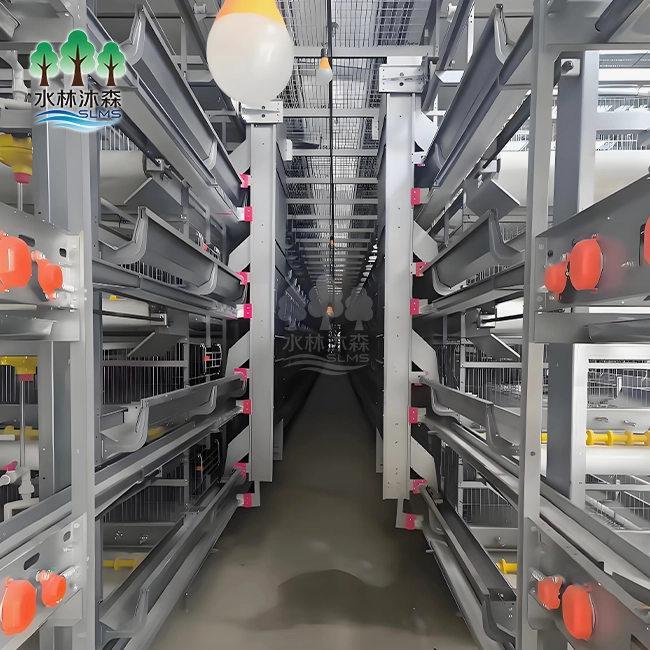
Egg belts poultry have changed the way commercial eggs are collected by using automatic, gentle transport systems to cut down on the number of broken eggs. These special moving systems use precision-engineered tracks made from impact-absorbing materials like polypropylene to move eggs from where they are laid to where they are collected, instead of people doing it by hand.
The controlled speed of the belt, the ideal spacing design, and the constant motion get rid of the impacts and pressure spots that cause cracks in older collection methods. By keeping the eggs in the same place and lowering human touch, automated egg belts reduce mechanical stress on fragile shells. This means that in large-scale operations, breakage rates drop by more than 30% while operating efficiency and labour productivity rise at the same time.


Understanding Egg Belt Poultry Systems and Their Role in Reducing Breakage
Modern chicken farms are always under pressure to get the best eggs while keeping costs down. Automated egg collection systems are a technology answer to one of farming's oldest problems: how to move fragile goods without breaking them.
Engineered Design for Gentle Transport
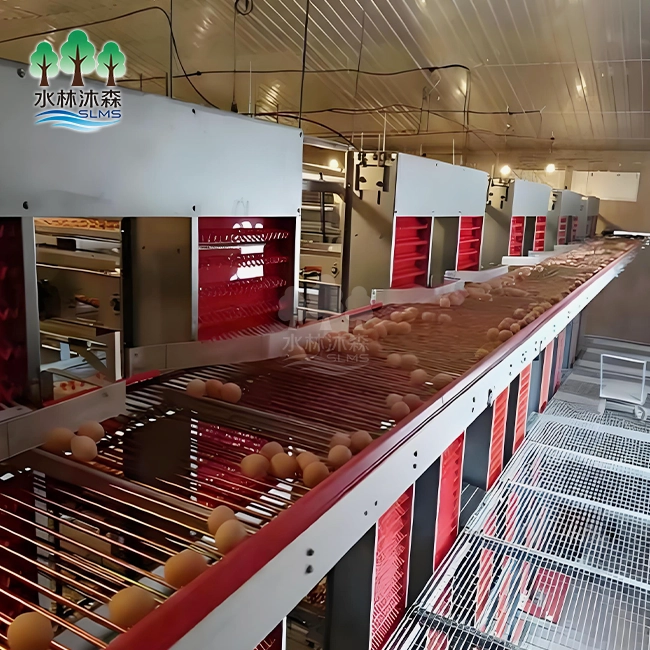
Egg collection belts work like special conveyor belts that go through cage systems in chicken coops and duck buildings. In contrast to industrial conveyor belts that are made for heavy tools, these systems focus on treating things carefully. The belt material, which is usually high-quality PP or PE and has a width of 0.4mm to 1.2mm, is durable and flexible at the same time. This engineering makes a padded surface that absorbs small vibrations and hits during transport. This stops the formation of micro-cracks that weaken the shell's structure and increase the risk of contamination.
Automation Reduces Manual Handling Errors
In traditional manual collection, workers have to walk back and forth between cage rows several times a day to pick up eggs by hand. At every touch point, there is a chance that workers will apply uneven pressure, drop eggs while moving them, or bump into containers while moving them in tight areas. Most of these mistakes that people make can't happen with automated systems because they move continuously and predictably from the nest to the collection area.
Integration with Complete Production Lines
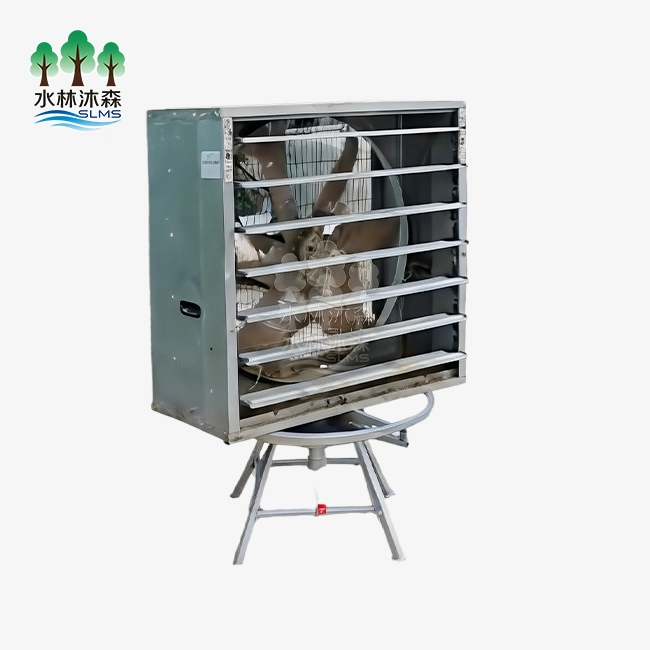
Egg belts poultry that work well don't work by themselves. They work with ventilation controls, drinking water systems, food tools, and more to make complete solutions for managing chickens. This all-around method makes sure that the eggs move through an ideal setting where the temperature, humidity, and air quality stay steady. This protects the shell quality even more during the important collection phase.
Key Factors Explaining Why Egg Belt Systems Reduce Breakage
Several parts of the design that are related to each other work together to keep egg damage to a minimum in automatic collection systems. Understanding these rules for performance optimisation helps procurement managers find good solutions.
Material Selection and Cushioning Properties
Choosing between polypropylene and polyethylene changes how long something lasts and how well it protects eggs. PP materials are very resistant to the acids and alkalis found in cleaning products and chicken dung. They can hold their shape for thousands of rounds. The woven design, which comes in herringbone, twill, or simple designs, makes natural padding that spreads weight evenly across egg surfaces. Herringbone patterns are great at keeping eggs from rolling together while they're being shipped, which keeps them from cracking from collisions.
Controlled Speed and Spacing Optimization
Calibration of the belt speed is a key part of keeping it from breaking. Systems that work with widths between 100mm and 300mm keep their acceleration and braking curves soft so that there are no sudden shocks. The distance between eggs is controlled by the texture and speed of the belt, and egg belts poultry systems rely on this same principle to regulate spacing consistently across different flock sizes. This makes sure that the eggs are far enough apart to avoid touch damage while also maximising output. Businesses that process eggs from a few thousand to over 100,000 birds need to be able to precisely control their speeds so that they can collect enough eggs without hurting the birds.
Tensile Strength and Dimensional Stability
Thermal heat-setting methods make sure that high-quality conveyor belts have low elongation rates—often less than 1% when they're under pressure. When belts move off-center in long runs of cages, the eggs would scrape against metal frames. This dimensional stability stops the "snaking" effect. Belts stay straight and work smoothly over distances of more than 100 meters without sagging or bunching as long as the tension settings are kept in check by systems that can be adjusted.
Automation Features Minimize Human Variables
With automated collection methods, you don't have to make any decisions. A manual collector's speed changes based on how tired they are, how much experience they have, and any other tasks that may come up. Every hour, every day, mechanical processes keep working the same way. This stability directly leads to fewer broken eggs because they are handled in the same way every time, even when workers or shifts change.
Comparative Analysis: Egg Belts vs. Other Egg Handling Solutions
To make smart equipment purchases, you need to know how different collection methods work in terms of key business measures.
Breakage Protection Performance
With traditional egg boxes and baskets, workers have to stack, carry, and move containers several times before the eggs can get to the equipment that cleans and sorts them. Breakage risk increases with each move. Automated belt systems allow for one-stage transport from the cage to the pickup place, so there is no need for handling in between. Field data from commercial operations shows that breakage rates drop from 3–5% when done by hand to less than 2% when belt systems are properly kept. This is a big cost benefit for operations that produce millions of eggs every year.
Labor Cost and Efficiency Considerations
Collecting things by hand takes a lot of time and effort. Workers have to move through cage systems several times a day, bending and reaching to get eggs. In standard operations, this process that requires a lot of work accounts for 15 to 20 percent of all output costs. Automated systems cut down on human work by more than 40%, freeing up workers to do more useful things like maintaining equipment, checking on the health of flocks, and running the facility. For medium- to large-sized businesses, the savings on labour usually cover the cost of the new tools within 18 to 24 months.
Material Durability and Maintenance Cycles
When you compare plastic belts to stainless steel ones, you can see that the original cost and the life of the belts are not the same. PP and PE belts are better than many metal options at resisting rust from water and cleaning products. They also weigh less, which makes them easier to install. But they need to be checked for signs of wear and replaced every so often. However, metal systems require a bigger initial investment and last longer. The best choice relies on the size of the facility, the amount of output, and the plans for long-term operations.
Operational Consistency and Quality Control
When it comes to reliability, automated belts can't be beat compared to human methods. Eggs consistently show up at pickup places at regular times, which helps keep processing in sync further down the line. This regularity makes grades more accurate, speeds up the packing process, and improves quality control all around. Egg belts poultry systems, in particular, benefit from this consistency by ensuring that even high-volume flows remain stable and predictable. These practical benefits are known by agricultural groups and equipment distributors when they offer full solutions for client installations.
Best Practices in Installation, Maintenance, and Safety for Egg Belt Poultry Systems
For the system to work at its best, it needs to be set up correctly and cared for regularly.
Professional Installation Protocols
To do a proper installation, you must first accurately measure the size of the cage and the location of the collection points. Belt widths between 100mm and 300mm must match the lengths of the cage channels with the right amount of space (5–10mm) between them to keep the edges from tearing. Verification of alignment makes sure that the belts stay in the middle and don't move. The tension adjustment sets find the right mix between being too tight to stop slippage and too free to let the fabric sag. A lot of providers offer installation videos and expert support to help with the setup process. This makes sure that systems work at their best right from the start.
Routine Inspection and Cleaning Schedules
Equipment lasts longer and breaks down less often when it is maintained regularly. Once a week, the belt surfaces should be checked for debris buildup, the tension settings should be checked for slip, and the operation of all drive components should be confirmed. Deep cleaning with pressure washing once a month gets rid of waste buildup that could harbour germs or make rough spots that could damage eggs. Standard farm disinfectants can be used on polypropylene and polyethylene materials as long as they are used according to chemical resistance rules. This keeps things clean without affecting the integrity of the belt.
Component Replacement and Upgrade Cycles
Even belts of the highest quality get worn down over time. Checking for edge twisting, surface cracking, or stretching past the allowed limits lets you know that the part needs to be replaced. Keeping extra parts like drive motors, tension springs, and support fixtures in good shape cuts down on downtime when fixes are needed. High-quality systems come with a one-year guarantee that covers failures before they're supposed to and sets performance standards.
Worker Safety and Compliance Standards
Safety rules keep people who work near automatic systems safe. Training programs should teach people how to stop in an emergency, how to properly work with moving belts, and how to use lockout-tagout during maintenance. Protective guards over the drive parts keep them from touching each other by mistake. Following OSHA and farm safety rules makes sure that operations are legal and lowers the risk of injuries that could stop production.
Procurement Insights: Choosing the Right Egg Belt System for Your Farm
When choosing the right tools, you need to look at more than just the initial buy price.
Supplier Evaluation Criteria
Working with well-known makers guarantees access to tried-and-true technology and dependable help. Companies that have been in the farm machinery business for eight years or more show that they are committed to the field. Look for suppliers with full technical R&D skills. This is usually shown by professional engineering teams with five or more experts who can make solutions fit the needs of each building.
Egg belts poultry applications, for instance, often require customised belt tension and spacing adjustments, which such teams can precisely engineer. Professional sellers are different from commodity vendors because they have quality certificates, strict testing methods, and written performance standards.
Customization and Scalability Considerations
No two chicken farms have the same plans or output goals. Effective sellers offer unique sizes to fit the dimensions of the building, flock numbers ranging from small family farms to businesses with more than 100,000 birds, and the need to integrate with current ventilation and feeding equipment. Modular system designs let adoption happen in stages, so farms can gradually automate as their budgets allow while still using compatible equipment.
After-Sales Support and Service Commitments
The level of help after the sale has a big impact on how well the equipment works. Full service packages should include help with installation or setup services that come to your location, ongoing expert support for fixing problems, and quick response time for maintenance. When parts wear out, long periods of downtime are avoided because new parts are easy to find. Suppliers who offer training videos, thorough paperwork, and easy-to-reach customer service show that they care about their clients' long-term success over short-term sales.
Cost-Benefit Analysis and ROI Calculations
To justify buying tools, you have to compare its benefits to its total costs of ownership. Figure out how much labour you'll save by not having to move things by hand as much. Usually, drops of 40% or more mean big savings each year for businesses that hire a lot of pickup workers. Breakage reduction value—each percentage point drop in crack rates directly increases the number of eggs that can be sold.
Think about the speed gains that come from faster and more regular collection, which lets you get more done. To find the payback time and return on investment, compare these benefits to the cost of the product, the cost of installation, the cost of upkeep, and the expected service life.
Conclusion
Egg belts poultry reduce breakage by a measured amount by using engineering design principles that target the main reasons why eggs break in industrial production. Automated collection gets rid of mistakes made by hand, and special materials and controlled shipping conditions keep the shells' integrity. Comparative research shows that new methods are clearly better than old ones when it comes to breakage rates, labour efficiency, and operating stability.
These benefits are at their best when they are installed correctly, maintained regularly, and used safely. To ensure long-term success, procurement choices should put seller dependability, customisation options, and full after-sales support at the top of the list. Investing in good automatic collection systems pays off by increasing working efficiency, lowering waste, and improving the quality of the products.
FAQ
What material works best for egg collection belts?
Polypropylene belts work great for most industrial tasks because they are resistant to farm chemicals and water and are still flexible enough to handle eggs gently. The material doesn't break down when it's cleaned many times with regular disinfectants.
Can small farms benefit from automated egg collection?
Of course. Systems work well for both small family businesses and big industrial buildings. With customisation choices, belt widths and lengths can be changed to fit different facility plans. This means that automation can be used for any flock size. Savings on labour are useful even when the amount of work done is small.
How often do belts require replacement?
When to replace something relies on how often it is used and how well it is maintained. Systems that are well taken care of usually last three to five years before they need a new belt. Regular checks find wear patterns early, which lets replacements be planned ahead of time and stops surprising fails during busy production times.
Partner with Shuilin Musen Aquaculture Equipment Co., Ltd. for Superior Egg Belt Solutions
For eight years, Shuilin Musen Aquaculture Equipment Co., Ltd. has been a specialist in farm equipment, which they bring to every relationship with egg belts poultry. Our tech team has created automated collection systems that cut down on breakages and labour costs by over 40% for farms on several countries. Complete solutions are available, including custom belt size, full installation help with clear video instructions, quick technical support, and a guarantee that lasts for a year. Email our team at wangshuaislms@gmail.com to talk about how our tried-and-true egg belt systems can make your business's production more efficient. You can look at our whole line of chicken tools made for tough farming conditions at slms-equipment.com.
References
1. Bell, D.D. and Weaver, W.D. (2002). Commercial Chicken Meat and Egg Production. Fifth Edition. Springer Science Publishers, New York.
2. Hunton, P. (1995). Poultry Production: World Animal Science Series. Elsevier Science Publishers, Amsterdam.
3. Jones, D.R. and Musgrove, M.T. (2005). Effects of Extended Storage on Egg Quality Factors. Poultry Science Journal, 84(11): 1774-1777.
4. North, M.O. and Bell, D.D. (1990). Commercial Chicken Production Manual. Fourth Edition. Van Nostrand Reinhold, New York.
5. Stadelman, W.J. and Cotterill, O.J. (1995). Egg Science and Technology. Fourth Edition. Food Products Press, New York.
6. Tauson, R. (1998). Health and Production in Improved Cage Designs. Poultry Science Journal, 77(12): 1820-1827.
Learn about our latest products and discounts through SMS or email