What is the best poultry farm equipment for beginners setup
Starting a chicken farm can be hard, especially when it comes to picking out the right tools. For newbies who want to raise laying hens, the best setup saves room, is automated, and lasts a long time. An Eight-tier Layer Cage is a cutting-edge option that makes the most of vertical room by incorporating automatic systems for feeding, watering, and getting rid of trash. This all-around method lowers the amount of work that needs to be done and builds a basis for industrial egg production that can be expanded. If you choose the right equipment, your initial investment will pay off in the long run thanks to better bird health, consistent egg quality, and easier day-to-day tasks.


Understanding Eight-Tier Layer Cages: Dimensions, Materials, and Design Features
If you want to make smart decisions about the equipment you need for your new chicken business, you need to know how modern housing systems work on a technical level.
Physical Dimensions and Space Optimization
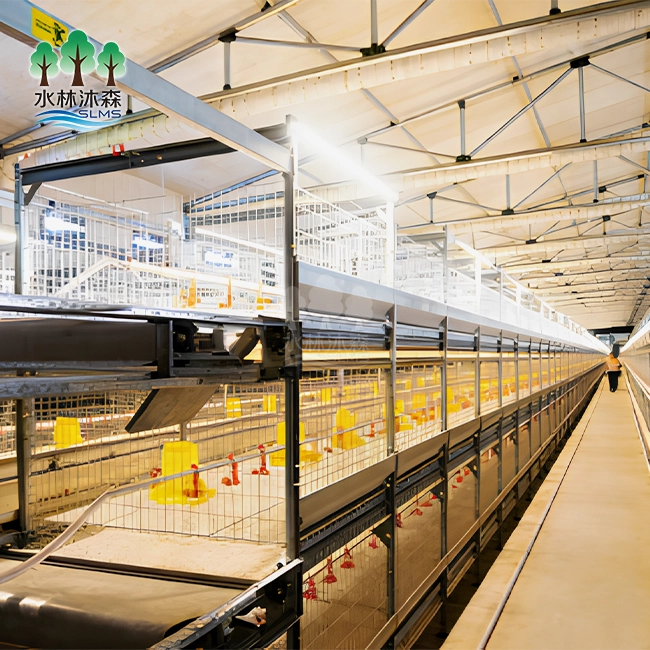
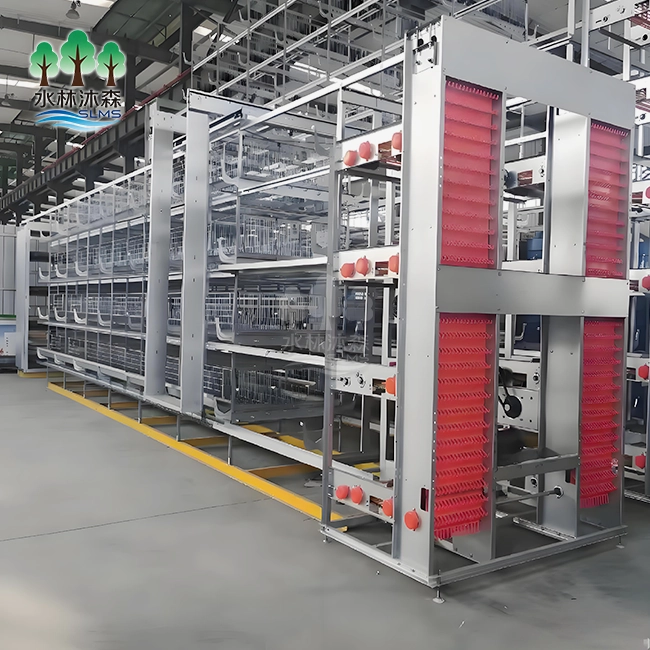
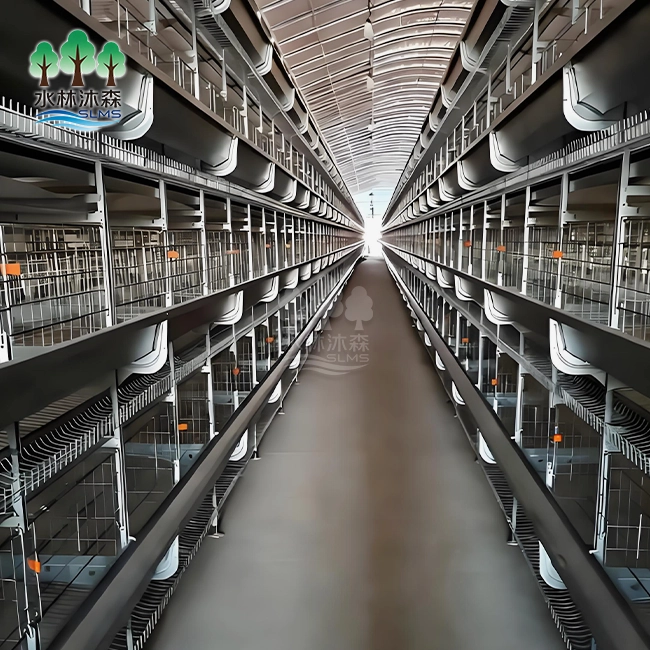
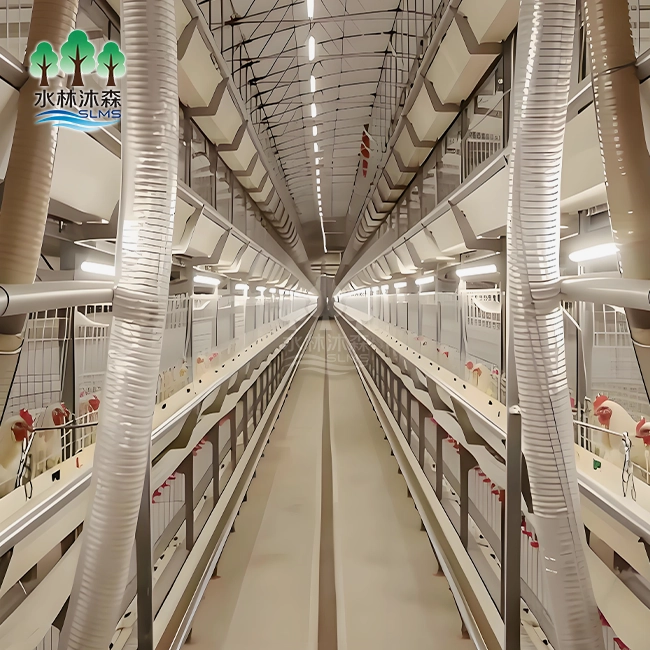
The structure of multi-level housing systems has a direct effect on how much you can do. Vertical housing solutions that are properly designed usually have individual units that are about 45 cm long, 45 cm wide, and up to 450 cm high. With this setup, you can house a lot more birds on the same amount of space than with traditional settings. The H-type structural framework spreads weight vertically, which means that the foundations need to be stronger but the building is very stable. Each level has enough headroom for birds to fly, and compared to floor-based systems, the total design cuts your building's size by up to 70%.
Material Composition and Corrosion Resistance
In the tough poultry setting, the durability of tools depends on the materials used to make it. Quality systems use hot-dip galvanised Q235 steel wire that has a zinc coating that is thicker than 275g/m² for better corrosion resistance. This galvanised frame can stand up to ammonia from manure and water from irrigation systems all the time. The choice of materials guarantees a service life of more than 15 years even under the most demanding production conditions. Welds are given extra care during production because the weight of birds and the vibration of equipment cause stress to build up at these connection points over time.
Integrated Automation Components
These days, vertical cage systems have many automatic parts that work together without any problems. Chain-driven troughs in the feeding mechanism make sure that the exact amounts of food are distributed evenly across each level. Nipple drinkers that are mounted at the right heights make sure that babies can always get water without spilling too much.
The 10-degree rise at the bottom makes it easier for eggs to be gently rolled into collection channels, which protects the quality of the product. Manure removal belts are placed under each level to take waste to designated collection points automatically. This keeps the environment clean. Compared to traditional methods, these built-in features cut down on the amount of work that needs to be done by hand by about 40%.
Benefits and Maintenance of Eight-Tier Layer Cages for Poultry Farming Beginners
If you want to start raising chickens for profit, you need equipment that makes things easier and gives you consistent results. There are a lot of benefits to vertical cage systems that directly address newbie worries.
Operational Advantages for New Producers
The main benefit of multi-level housing is that it helps you use space better. You can get the most out of your building investment because the vertical design can handle stocking densities of up to 40 kg/m². Better biosecurity features help keep your group healthy by removing waste automatically, which stops pathogens from building up.
The structured environment makes it easier to keep an eye on the flock, so you can quickly spot health problems or production issues. Controlling temperature and air flow is easier in a clear cage setting, which helps the birds lay their eggs at their best during the changing of the seasons. Eight-tier Layer Cage systems further amplify these benefits by maximizing space utilization and simplifying daily management across more birds per unit area. These things work together to shorten your payback period by making egg production more efficient and lowering your operational costs.
Essential Maintenance Protocols
Setting up regular check schedules is important for keeping tools working well. Visual inspections done once a week find structural problems like wire damage or weld fatigue early on, before they get worse. Feeding and water lines should be deep cleaned once a month to keep germs from building up and hurting the health of the flock. The galvanised covering should be checked every so often, and any broken areas should be fixed right away to stop the rust from spreading.
The alignment and tension of the manure belt need to be checked every three months to make sure it keeps working without spilling. Seasonal changes to the ventilation settings make sure that all levels get the right amount of air flow as the weather outside changes. Written maintenance schedules help you keep track of the condition of your equipment and plan repairs ahead of time.
Long-Term Performance Considerations
Proper maintenance greatly increases the useful life of your home investment. If you follow the maintenance instructions, the strong steel construction won't break down. You can plan ahead for upgrades to nipple drinkers or belt replacements as they get close to their end-of-service dates because part replacements happen in predictable patterns. Because the H-frame design is so simple, it's easy to fix problems, which cuts down on downtime during maintenance. Your careful attention to systematic care protects the big initial investment and keeps the productivity gains that make the equipment choice worthwhile.
Comparing Eight-Tier Layer Cage to Other Poultry Housing Systems
To choose the right building, you have to compare different methods based on your production goals and available resources.
Space Efficiency and Production Density
Traditional floor-based systems can only hold about 5 to 7 birds per square metre, so large-scale business operations need a lot of building room. Five-tier cage designs make them denser, but they still limit how much space can be used vertically. The eight-level vertical arrangement allows for much higher bird populations in the same footprints. These extra square feet directly lead to lower building costs per bird and smaller land needs. For businesses that can't afford land or have to deal with high property prices, the vertical method offers strong economic benefits that more than make up for higher equipment costs.
Labor Requirements and Management Complexity
A lot of work needs to be done every day to clean, change the food, and collect the eggs in an aviary. Disease tracking and treatment are harder to do in an open setting. Cage-based systems keep these activities in clearly defined areas, which makes it easier to do everyday chores and reduces the need to move around. Adding automation to multi-tier cage setups cuts down on the need for workers even more, so one technician might be able to effectively care for more than 50,000 birds. This efficiency is especially helpful as your business grows or when you can't find enough workers in your area.
Investment Analysis and Return Periods
Advanced vertical cage systems cost 40 to 60 percent more to buy at first than simpler options. Eight-tier Layer Cage designs, while representing this higher upfront investment, deliver superior value when you figure out the total cost, because you have to take into account things like fewer buildings needed, lower ongoing labour costs, and better production metrics.
The smart design keeps the rate of egg breakage below 0.5%, which protects product revenue. Veterinary costs and death losses go down when the number of injuries and diseases goes down. When egg production stays at 95% or higher, these operational efficiencies usually pay for themselves in 2.5 to 3.5 years. Because it has a service life of 15 years or more, your equipment keeps making money long after the initial recovery time is over.
How to Procure the Best Eight-Tier Layer Cage: Buying Guide and Supplier Insights
To get things you need, you need to pay attention to quality indicators, the skills of the suppliers, and service commitments that keep your investment safe.
Quality Certifications and Construction Standards
Reliable manufacturers give detailed specifications that list the grades of materials, the thicknesses of the coatings, and the loads that the structures can hold. Ask for test results that say the quality of the galvanisation meets international standards for protection to corrosion. Welding certifications show that connection points can handle operational stresses for the whole life of the equipment. The supplier should provide clear records of how the products are made and how quality is checked. You can be sure that the tools will work as promised in your working setting after these checks.
Customization Flexibility and Technical Support
Standard setups might not work perfectly with the size of your building or the way you make things. Quality providers offer customisation services that let you change the size of the cage, the number of tiers, or the components that are used to meet your unique needs. This gives you the freedom to make sure that it works best with your building's layout and control tools.
Technical support goes beyond the initial purchase and includes videos for installation, setup instructions, and help with fixing problems. Being able to talk to engineers about problems helps you solve them during installation and ongoing operations. Five professional engineers work for Weifang Shuilin Musen Aquaculture Equipment Co., Ltd. They come up with custom solutions for a wide range of working situations.
Warranty Coverage and After-Sales Commitments
Service guarantees show that the manufacturer trusts the reliability of the equipment. A standard one-year warranty covers problems with the way the product was made and parts that break too soon. Make sure you understand what the guarantee covers, such as replacing parts, labour costs, and reaction times.
On-site installation services lower the risks of setup and make sure the system is set up correctly from the start. Setting up clear lines of communication with your supplier makes it easier to solve any operational problems that come up during production quickly. These parts of the service have a big effect on the total cost of ownership, which is more than just the purchase price.
Step-by-Step Guide to Setting Up and Assembling Your Eight-Tier Layer Cage
Eight-tier Layer Cage proper installation establishes the foundation for years of reliable equipment performance and productive operations.
Site Preparation and Foundation Requirements
Because an eight-tier system full of birds, food, and tools is very heavy, it needs engineered foundation support. A base made of reinforced concrete that is at least 30 to 50 cm deep stops settlement that could move manure belts out of place or put stress on the structure.
The foundation must have exact anchor points that line up with the positions of the H-frame legs. To make sure that the egg rolling and equipment work properly, surfaces must be level and within the tolerances given. Enough space around the installation's edges lets maintenance workers and bird control experts get to it. Professional site surveys find any changes that need to be made before the equipment is delivered.
Assembly Sequence and Integration Steps
The H-frame support structure is put up first, and its vertical alignment and base links are checked. Putting cage units together tier by tier, from the bottom up, making sure they are level and spaced out evenly. For the feeding system to work smoothly, the chains must be properly tensioned so that they pass through the guide lines on each level. Installing a water line links nipple drinkers to supply headers.
Pressure testing is then done to find any leaks. Under each layer, manure belt systems are put in place, and deviation controls keep the system from going off track. The methodical approach cuts down on mistakes and makes sure that all the parts work together.
Post-Installation Verification and Testing
Full testing confirms that the area is ready for bird placement. Load testing with fake bird weight makes sure that the structure is strong on all levels. Trials of the feeding system make sure that the feed is delivered evenly, without any bridging or overflow. Checks of the water pressure show that there is enough flow for drinkers on higher levels.
Long tests are done on the manure belt process to make sure it tracks smoothly and gets rid of all the waste. The difference in temperature between the top and bottom levels should stay within 2°C, which means the circulation is working well. Taking care of any problems that are found before the group is placed keeps production from being interrupted and protects the birds' well-being.
Conclusion
To run a successful chicken business, you need to carefully choose equipment that balances short-term costs with long-term benefits. Beginners can use multi-tier layer cage systems, such as the Eight-tier Layer Cage, to make egg production efficient and scalable by making the best use of space, cutting down on labour, and automating processes. Because these systems are so technically complex, they need to be carefully chosen as suppliers, installed correctly, and maintained regularly.
When you buy high-quality equipment that comes with full technical help, you build a work setting that can give you consistent returns over a long period of time. The tools you choose today will have a big impact on how well your business runs and how much money it makes for years to come.
FAQ
How do I manage temperature differences between the lowest and highest tiers?
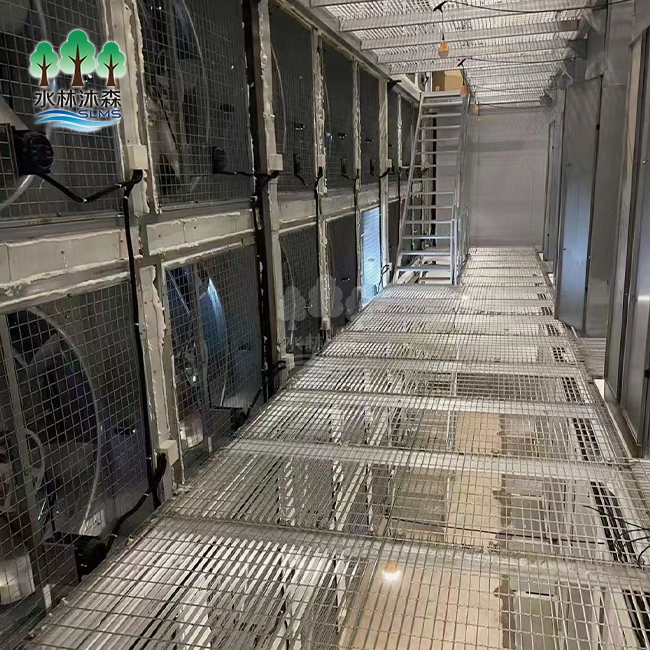
To keep different levels of temperature stable, ventilation systems need to be well-designed and have air speeds that are usually between 3.5 and 4 meters per second. By putting in deflector plates and air intakes in strategic places, cooler air is directed to the upper levels, keeping the temperature difference below 2°C. The design of your building should include tunnel ventilation or cross-ventilation patterns that let air flow evenly through all floors of the cages.
What foundation specifications does an eight-tier system require?
Because vertical cage systems put a lot of weight on a few points, their foundations need to be made of designed concrete that is much stronger than the supports used for normal equipment. Depending on how much weight the soil can hold, the required depth is usually between 30 and 50 cm, and the reinforcement channels must be perfectly lined up with the frame legs. Professional structural assessment stops settlement problems that make it hard to align equipment and run the business.
Can I perform maintenance and bird inspection on upper tiers safely?
Integrated walkway systems or travelling gantry platforms that let you move horizontally along tier faces are needed to safely get to higher cage levels. These access systems make it possible to do regular maintenance, vaccinations, and inspections without putting people in danger. The specifications for your equipment should include the right access solutions for your building's layout and how it works.
Partner With Shuilin Musen Aquaculture Equipment Co., Ltd. for Your Poultry Success
Partnering with seasoned Eight-tier Layer Cage sellers who comprehend your particular challenges is essential for a successful poultry business launch. It has been eight years since Shuilin Musen Aquaculture Equipment Co., Ltd. has been making equipment for livestock, combining new ideas with strict quality control. Our dedicated team of five engineers comes up with custom solutions that meet the needs of your facility and help you reach your production goals.
We offer full help, including installation guides, setup services on-site, and a warranty that protects your investment for one year. Get in touch with us at wangshuaislms@gmail.com to talk about how our high-tech cage systems and technical know-how can help you make your dream of raising chickens a profitable reality. You can find full specs and customer success stories at slms-equipment.com.
References
1. North, M.O., & Bell, D.D. (1990). Commercial Chicken Production Manual (4th ed.). Chapman & Hall, New York.
2. Appleby, M.C., Mench, J.A., & Hughes, B.O. (2004). Poultry Behaviour and Welfare. CABI Publishing, Wallingford.
3. Sainsbury, D. (2000). Poultry Health and Management: Chickens, Turkeys, Ducks, Geese and Quail (4th ed.). Blackwell Science, Oxford.
4. Lacy, M.P., & Czarick, M. (1998). Tunnel-Ventilated Broiler Houses: Broiler Performance and Operating Costs. Journal of Applied Poultry Research, 7(2), 191-201.
5. Whates, C.M., Goddard, P.J., & Elston, D.A. (2004). The Effect of Flooring on the Behavior and Welfare of Laying Hens. Applied Animal Behaviour Science, 86(3-4), 229-242.
6. Bell, D.D., & Weaver, W.D. (2002). Commercial Chicken Meat and Egg Production (5th ed.). Kluwer Academic Publishers, Boston.
Learn about our latest products and discounts through SMS or email