Why Modern Poultry Farms Use Egg Belt Conveyor Systems for Efficiency
Modern chicken farms are under more and more pressure to boost production while keeping costs low. Conveyor belt systems that collect eggs automatically are now a must for farms with tens of thousands or hundreds of thousands of birds. Collecting eggs by hand is hard work, but these egg belts poultry solutions cut that time down by over 60% while keeping the high quality of the eggs.
Automated conveyor systems move eggs gently from where they are laid to where they are collected. This reduces the chances of shell damage and contamination that come with older methods. As farms get bigger and it gets harder to find workers across the US, automated collection technology is not only a way to make things run more smoothly, it's also a must for poultry businesses that want to stay competitive.


Understanding Egg Belt Conveyor Systems in Poultry Farming
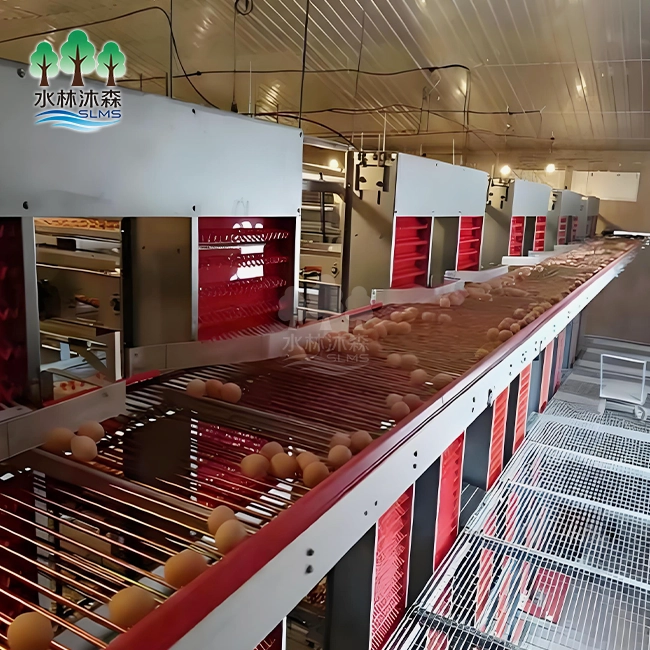
Modern layer processes are based on automated devices that collect eggs. These mechanical solutions use continuous belts to move eggs horizontally through cage rows or aviary systems and deliver them to central collection points without any help from a person.
Core Components of Egg Collection Belts
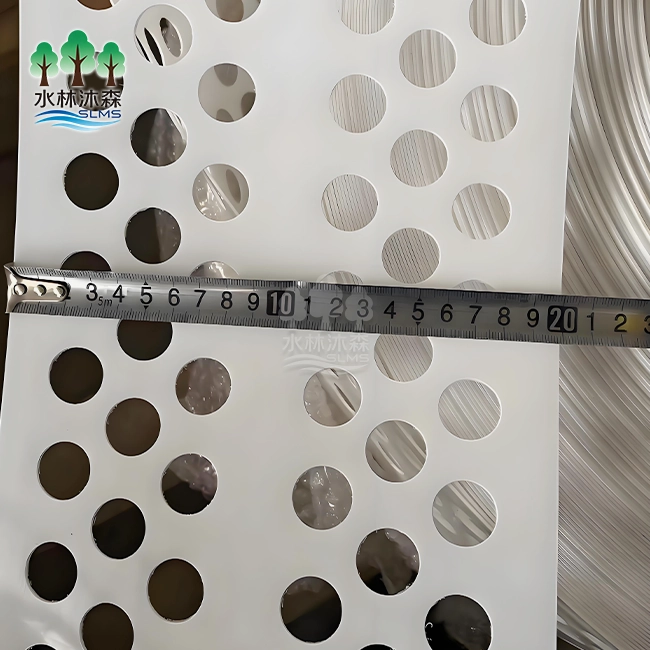
The conveyor belt is usually made of polypropylene or polyethylene, and its thickness is between 0.4 mm and 1.2 mm. This technical standard strikes a good balance between durability and flexibility. It lets the belt curve around rollers and carry egg weights over lengths of more than 100 meters. Specifications for widths between 100mm and 300mm allow for a range of cage styles and bird densities.
To make sure everything works smoothly, the system includes drive motors, tensioning devices, support frames, and side guards. Corrosion resistance is a top priority when choosing materials for chicken houses because equipment is constantly exposed to ammonia, water, and cleaning agents. Even though these conditions are tough, high-quality belts made from UV-stabilized materials keep their shape for years.
Operational Mechanisms and Automation Levels
Machines that collect eggs run at set times, usually every few hours during times when a lot of eggs are being laid. Simple on-off controls are used for basic configurations, while advanced installations have variable speed drives that change the movement of the belt based on sensors that measure egg load.
The slow, steady motion keeps the eggs from building up in places where birds might break them by moving or adding more layers. Some systems use slopes and cross-conveyor transfers to move eggs from different rows of cages into a single stream for collection. This combination cuts down on the number of collection places that workers need to keep an eye on, which makes it easier to send workers to work in big facilities.
Material Selection and Customization Factors
Choosing the right belt material depends on how it will be used and how long you want it to last. Polypropylene is very resistant to chemicals and keeps working even when the temperature changes, which is common in chicken coops. Polyethylene options give systems with tight radius turns more freedom. The surface of the belt can be smooth or have patterns on it.
Herringbone weaves are best for keeping eggs stable while they're being transported. When comparing different specs, procurement managers should think about the environmental controls, cleaning procedures, and expected working lifespan of their building. Equipment that serves smaller flocks with irregular collection schedules needs to be built to last longer and be able to work 24 hours a day in high-density facilities.
Why Egg Belts Are Essential for Modern Poultry Farm Efficiency
When you look at labour costs and operational metrics across commercial poultry operations, the economic case for automated collection becomes strong. For manual egg gathering to work, workers have to walk through the cage aisles several times a day, lifting and transferring eggs to collection carts. This takes a lot of time and can be hard to get right every time.
Labor Cost Reduction and Productivity Gains
Compared to manual methods, automated belt systems cut the amount of work needed to collect eggs by more than 40%. One worker can oversee several automatic collection lines that serve tens of thousands of birds, while one worker might only have to handle a small portion of that capacity when collecting birds by hand. This rerouting of labour lets farm managers put workers to work on jobs that add value, like checking on the health of birds, maintaining the buildings, and doing quality control checks.
Aside from saving direct labour, automated systems also cut down on overtime costs during busy laying periods, when manual collection can't keep up with production levels. The consistent and predictable operation schedule helps with planning the staff and lowers the amount of staffing variability.
Minimizing Breakage and Contamination
Damage to eggs costs chicken farms a lot of money because cracked or broken eggs don't produce any meat but still use up feed, housing, and care resources. When eggs are collected by hand, they have to be handled more than once, from the nest to the hand, the hand to the cart, and the cart to the processing area. Each touch creates a chance for the egg to break. During the gathering process, automated conveyor systems get rid of almost all human handling.
The eggs don't hit hard surfaces or bump into each other because the belt moves continuously and the surface is cushioned. Breakage rates on farms drop from about 3 to 5 percent when collected by hand to less than 1 percent in well-kept automated systems thanks to this gentle transport. Less breakage directly leads to more items that can be sold and higher profits per bird housed.
Throughput Speed and Operational Consistency
When chicken farms work with processing plants and delivery networks, production stability is very important. Manual collection speeds depend on how experienced the workers are, how tired they are, and how complicated the facility layout is. This variety makes planning harder and can cause delays during busy laying times. Automated systems deliver eggs at regular, set rates that match the processing capacity further down the line.
Egg belts poultry are a key component of such automated systems, ensuring a steady, uninterrupted flow of eggs from the laying houses to the collection point, which further reduces variability and aligns delivery schedules with plant throughput.
Being able to set up collection runs at specific times makes sure that eggs get to the fridge quickly, which keeps their quality and extends their shelf life. When commercial farms use automated gathering, they report that egg freshness scores are more consistent and grade-out rates are higher at processing sites. These are quality improvements that bring higher prices in competitive markets.
Installing and Maintaining Egg Belt Conveyor Systems
To successfully adopt automation, you need to carefully plan the layout of the building, the electrical system, and how the new tools will work with the old ones. When you install something correctly, it will work reliably for years to come, and preventative maintenance will protect your investment.
Installation Considerations for Different Facility Designs
Installing upgrades in buildings that are already there is not the same as building something from scratch. To make the cage arrangements work with the space available, the belt width and drive placement may need to be changed. Electrical ability must be able to handle motor loads, and the placement of the circuits must allow for safe disconnects for repair access. In A-frame and H-frame cage designs, the drive motors are usually at one end of the building, and the tension adjustment mechanisms are at the other end.
This straight setup makes tracking the belt easier and cuts down on the number of parts needed. Colony housing and aviary systems often need more complicated routing with more than one transfer point and sections that are higher. Installation teams should make sure that the mounting brackets have enough structural support and that there is enough room for the belt to be removed for maintenance.
Routine Maintenance Protocols
Visual inspections done every day find problems as they start to happen before they get worse and cost a lot to fix. Operators should make sure that the belt tracking is straight, that drive parts are making strange noises, and that there isn't too much debris around the rollers. When you clean your belt once a week, you get rid of the dust, feathers, and egg residue that can build up on the surfaces and support structures. During full house cleanouts between flocks, many operations use belt washing.
As part of the monthly maintenance, the tension is checked, the drive chain is oiled, and the motor mounting bolts are checked. Too little or too much tension on the belt directly impacts how well it works. If the tension is too low, the belt will slip and eggs will bunch up, and if it's too high, the bearings and motors will wear out faster. The belt thicknesses we make, which range from 0.4mm to 1.2mm, are strong enough to withstand regular washing and tensioning adjustments over the course of many years of use.
Troubleshooting Common Operational Issues
Belt tracking problems show up as lateral drift that makes the edges touch the side rails. This usually happens when the tension isn't even, the rollers aren't lined up right, or something gets stuck in the belt path. As part of the adjustment process, the tension mechanisms are loosened and the belt is physically centred. The correct tension is then slowly restored while tracking behaviour is watched. Most jams are caused by eggs building up at transfer points or things falling into the belt path.
When jams happen, emergency stop devices keep the motor from getting damaged, but finding the root causes stops them from happening again. If there is slippage between the drive rollers and the belt surfaces, it means that the tension is not right or that the roller surfaces are dirty and need to be cleaned. Setting clear troubleshooting rules and teaching maintenance staff systematic ways to find problems cuts down on downtime and keeps productivity high.
Comparative Analysis and Procurement Guidance
Before investing in automated collection equipment, you need to carefully consider the total costs of ownership, the capabilities of the supplier, and how well the system specifications match the needs of the business, including essential items such as egg belts poultry to ensure the equipment can handle specific operational demands.
Cost-Benefit Analysis Against Manual Methods
The direct costs of the equipment used in automated systems range from a few thousand dollars for small installations to large investments for fully automating a building. This initial cost needs to be weighed against the time and money saved on repairs, the number of broken items that need to be replaced, and the increase in efficiency over the system's useful life. Payback times for most commercial operations are between 18 and 36 months, depending on the size of the flock and the rate of labour.
Aside from financial metrics, automated systems offer consistency benefits that can't be matched by manual tasks. For example, they ensure consistent egg handling, collection times, and throughput, which supports schedules for processing further down the line. Over time, these operational advantages add up, leading to better product quality and happier customers, which strengthens the company's position in the market.
Evaluating Supplier Credentials and Support
When choosing equipment providers, you need to look at how well they make things, how well they can help with technology issues, and what kind of warranties they offer. Reputable manufacturers back up their claims with detailed specifications, material certifications, and performance data. Shuilin Musen Aquaculture Equipment Co., Ltd. has been in the farm machinery business for eight years, learning a lot about all kinds of animal equipment. Our engineering team is made up of five hard-working professionals who come up with custom solutions to solve operational problems.
This level of technical detail makes sure that our conveyor belt systems work well with a wide range of cage configurations and facility layouts. When evaluating a supplier, you should check references with current customers who run similar-sized facilities, make sure that spare parts are available, and be clear about how long it will take for expert help to respond.
Customization Options and Scalability
Standard equipment setups work well for many tasks, but facilities with specific plans or needs need to be able to customise their equipment. The width and thickness of the belt can be changed to fit the size of the cage and the number of eggs that are expected to be laid. Size of the drive motor should take into account the length of the belt, the angle of the slope, and any environmental factors that affect friction.
Our manufacturing skills allow us to make custom widths from 100mm to 300mm and thicknesses from 0.4mm to 1.2mm, depending on what the job calls for. Automating one house or cage row at a time is possible with modular system designs, which allow for phased deployment. As capital budgets allow and operational experience proves performance benefits, the system can be expanded. This scalability lowers the barriers to initial investment and sets up growth paths that fit with plans for business growth.
Best Practices and Future Trends in Egg Belt Conveyor Systems
To get the most out of a system, you have to keep an eye on its operational parameters, worker training, and new technologies that make it more capable than what is currently possible.
Performance Optimization Through Monitoring
By collecting data about how a system works, it is possible to find ways to make it work better and avoid problems. Keeping track of measures like the number of collection runs, the speed settings for the belt, and the throughput volumes helps find trends in performance. Watching how much current a motor draws can help find mechanical problems before they break down.
For example, gradual current increases are often a sign of bearing wear or belt drag that needs maintenance, and such issues can directly affect egg belts poultry if they are part of the collection system. Some more advanced installations have egg-counting sensors that compare the expected production to the actual collection volumes. This lets managers know if there are any health problems or problems with the collection system. With these tracking methods, equipment goes from being inactive infrastructure to being active management tools that help people make decisions.
Employee Training and Safety Standards
Automation does not get rid of people; properly trained workers make sure systems work safely and well. Standard working procedures, emergency stop procedures, basic fixing, and safe maintenance practices should all be part of training programs. Before doing any service work on energised equipment, workers must know how to properly lock out and tag out.
To avoid getting hurt or damaging the equipment, you need to use certain techniques when adjusting the tightness of the belt and aligning the rollers. We support operator training programs with detailed installation videos and technical documentation. This instructional material goes over how to start up, do regular maintenance, and solve common problems in a structured way. Safety standards make sure that investments in people and equipment are protected and that operations run smoothly.
Emerging Technologies and Innovation Directions
The next wave of automated collection systems will have smart controls, sensors, and connections that go beyond what motorised transport can do. Monitoring that is connected to the internet lets you watch a system from afar and sends you alerts when operational parameters change out of the normal range. Algorithms for predictive maintenance look at information about motor performance, bearing temperatures, and belt wear patterns to plan service visits before they happen.
New discoveries in material science are making belt compounds with better antimicrobial properties that stop bacteria from growing. This is a very useful innovation for controlling pathogens in places with a lot of chickens. Energy efficiency gains through improved drive systems and regenerative braking in systems with changes in elevation lower operational costs and support sustainability goals that are becoming more important to both large poultry producers and their retail customers.
Conclusion
Automated egg collection through conveyor belt systems used to be a nice-to-have, but now it's a must-have for competitive chicken farms. When you combine labour savings of more than 40%, less loss, and steady output, you get strong economic benefits that boost profits and allow production to grow. The dependability of a system depends on choosing the right specifications, having a professional install it, and following the right preventative maintenance steps—including regular inspections of egg belts poultry to prevent wear-related disruptions and ensure consistent performance.
As more chicken farms open to meet the growing demand for protein, automation technologies will become even more important for keeping up with labour shortages and product quality standards. When choosing equipment, you should look at how experienced the supplier is, how much customisation they offer, and how many support services they offer to protect your investments over many years of use.
FAQ
What is the typical lifespan of egg belt conveyor systems?
Under normal conditions, good quality conveyor belts made from UV-stabilized polypropylene or polyethylene should last between 5 and 8 years. The actual lifespan relies on how often it is used, how well it is maintained, and the climate. Facilities that run continuous collection cycles in high-ammonia environments may have shorter service lives. On the other hand, facilities that have good ventilation and follow regular cleaning protocols often last longer than expected. Replacing parts of the system, like drive motors and bearings, makes it work longer after the belts need to be replaced.
Can egg belt systems be customized for different poultry species?
Through specification changes, automation systems can adapt to different species, such as chickens, ducks, and turkeys. Because duck and turkey eggs are bigger, the belts need to be set up wider and the roller spacing needs to be changed. When used in speciality production, colony housing systems need different ways to route belts than regular cage arrangements. Our engineering team looks at the needs of each species, the number of birds in an area, and the plan of the building to suggest the best belt widths, drive positions, and support structures. Customisation makes sure that equipment works with how things are actually used, instead of forcing production methods to work around the limits of standard equipment.
What safety features should egg belt systems include?
As an important safety measure, emergency stop buttons are placed at regular places along the belt runs so that the machine can be turned off right away from anywhere. Motor disconnect switches that work with lockout-tagout processes keep repair workers from turning on the power by mistake. Side guards keep things from getting into drive systems and protect workers from pinch points. When belt tracking problems happen, slippage detection sensors stop the machine from working. This keeps eggs and equipment from getting damaged. Fall protection measures and safe access platforms are needed for inspection and service work on systems with elevated sections.
Partner with Shuilin Musen Aquaculture Equipment for Reliable Automation Solutions
Shuilin Musen Aquaculture Equipment Co., Ltd. sells tried-and-true automated collection systems and has eight years of experience with farming equipment. Our egg belts poultry solutions are made of sturdy polypropylene and can be customised to fit the needs of your plant. We help with installations from the planning stages all the way through commissioning, giving technical advice that makes sure they work at their best.
Our one-year warranty and quick technical support will protect your investment, and because we are a direct manufacturer, we can offer you the best prices on equipment and replacement parts. Whether you're looking to build something new or make changes to an existing building, our engineering team comes up with custom solutions that solve your business problems. Email us at wangshuaislms@gmail.com to talk about your automation needs with skilled experts who know what's needed for chicken production.
References
1. American Society of Agricultural and Biological Engineers. (2019). Standards for Poultry Housing Equipment Design and Installation. ASABE Publications.
2. Jones, D.R., & Anderson, K.E. (2021). Automation Technologies in Commercial Egg Production: Performance and Economic Analysis. Poultry Science Journal, 100(8), 2847-2856.
3. National Chicken Council. (2022). Best Management Practices for Egg Collection and Handling in Commercial Layer Operations. Industry Guidelines Publication.
4. Patterson, P.H., & Koelkebeck, K.W. (2020). Equipment Selection and Facility Design for Modern Layer Housing Systems. Journal of Applied Poultry Research, 29(4), 912-925.
5. United Egg Producers. (2023). Animal Husbandry Guidelines for U.S. Egg-Laying Flocks. Certification Program Standards, 5th Edition.
6. Webster, A.B. (2018). Welfare Implications of Automated Management Systems in Commercial Poultry Production. Applied Animal Behaviour Science, 205, 123-134.
Learn about our latest products and discounts through SMS or email