Why Poultry Farms Need Automatic Drinking Water Control Systems Today
Today, raising chickens requires a lot of precision in every part of farm management. The health and productivity of the flock depend on the quality of the water. For making sure birds get clean water all the way through their growth cycle, the Poultry House Drinking Water Stabilization Module is a big step forward. Maintaining stable water pressure, filtering contaminants, and delivering pathogen-free hydration automatically is a problem that operations of all sizes have to deal with. This integrated system solves this problem without the need for manual monitoring that is needed with traditional methods. As farms get bigger and hygiene rules get stricter, automated water control systems have gone from being nice-to-haves to being essential for running the farm.


Understanding the Importance of Drinking Water Stabilization in Poultry Farming
Almost every output metric that counts to chicken farmers is directly affected by the quality of the water. Birds drink about twice as much water by weight as they eat, so managing their water intake is just as important as managing their food intake. When water has sediment, bacterial colonies, or chemical imbalances, they affect every part of your business.
The Direct Link Between Water Quality and Flock Performance
Pathogens that damage gut health are introduced by contaminated water sources, which increases death rates and lowers the efficiency of feed conversion. When water pressure isn't stable, dominant birds take over functional drinkers, leaving subordinate animals dehydrated. This causes behavioural stress. Commercial grill farms that used stabilized water systems had flocks that gained 8–12% more weight than those that used traditional gravity-fed systems, according to surveys. When these gains are spread out over the tens of thousands of birds that are processed every year, the economic effect becomes clear.
Common Challenges in Water Quality Management
Usually, poultry farms have a number of ongoing water problems. When the city supply changes with the seasons, the mineral makeup and pH levels change too. Compounds of iron, manganese, and sulphur that are found in well water often help biofilm grow inside distribution lines. Nipple drinkers get stopped up with minerals that have formed or algae that has grown, making birds peck over and over again without getting enough water. Routines for checking and adjusting things by hand take a lot of time, but they still allow for gaps in covering during weekends or overnight shifts.
How Automated Systems Transform Water Management
By constantly tracking and making changes, automatic drinking water control systems get rid of these weaknesses. Built-in sensors monitor changes in pressure in real time, which sets off booster pumps that keep the best delivery at all drinking points, even when multiple people are using them at the same time. Particles are removed by high-precision filtration before they reach distribution lines. This keeps nipple mechanisms from getting clogged and lowers the biofilm substrate. The ability to store water protects against supply interruptions, so birds never have to worry about not having enough water during maintenance periods or when utilities go down.
Limitations of Traditional Water Treatment Methods in Poultry Farms
In the past, when labour costs were low and flock densities were low, traditional ways of managing poultry water used smaller areas. When used for modern intensive operations, these methods are showing more and more signs that they are not good enough.
Manual Dosing and Its Operational Burden
In traditional chlorination methods, people have to measure water samples by hand, figure out the right amount of disinfectant to use, and add chemicals to header tanks several times a day. This process includes the possibility of human mistake; if someone gets it wrong, the water might not be clean enough or have too many residuals that birds won't drink. The time commitment is especially hard during critical growth stages, when many homes need attention at the same time. Staff change makes the problem worse because new employees need time to learn how to do things consistently.
Delayed Response to Water Quality Fluctuations
Gravity-fed systems that need to be tested by hand on a regular basis leave dangerous response gaps. It's possible for bacteria to multiply for hours before they are found during the next test interval. Changes in source water cause pH drift that isn't noticed until birds eat less or there are signs of wet litter. By the time corrective action is taken, the whole flock has already been exposed to the pathogen. The resulting effects on health slow down growth rates and raise the cost of medical care.
Why Automation Overcomes These Limitations
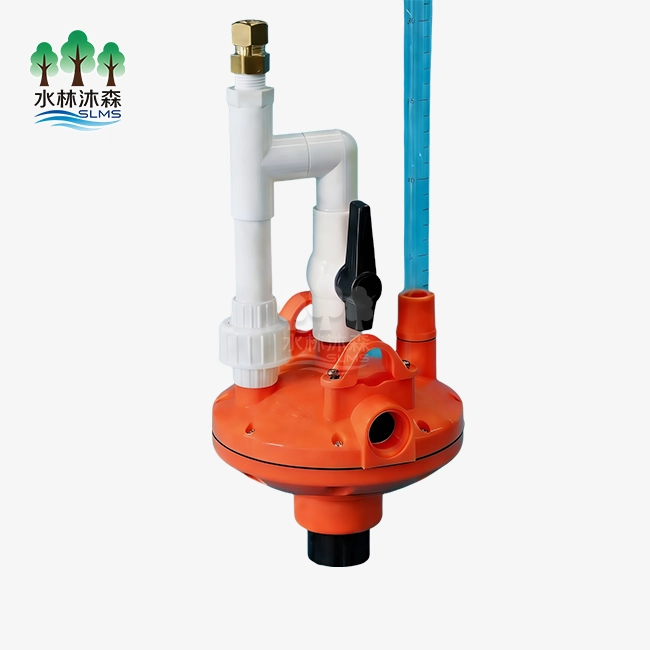
Modern Poultry House Drinking Water Stabilization Module combines storage, pressurization, and filtration into a single system that works continuously without any help from a person. The booster pump naturally keeps the pressure steady, even if demand changes. This makes sure that everyone can get water, no matter how far away they are. Filtration equipment gets rid of sediment and other contaminants before they get to birds. This greatly lowers the risk of intestinal diseases. The holding tank part provides extra space that keeps the supply going even when the source goes down. This stops stress events that hurt immune function.
How Automatic Drinking Water Control Systems Work in Poultry Houses
Operators can better appreciate how reliable automated water control systems are when they understand how they work on a technical level. The main parts work together to keep the body at the right level of moisture all the time.
Integrated System Components and Their Functions
Three main parts make up a Poultry House Drinking Water Stabilization Module that works as a whole. The storage tank acts as a buffer reservoir and is made of food-grade materials that keep the water from getting dirty. Depending on the size of the flock, it can hold anywhere from 500 to 5,000 litres. The materials you use are very important. Our systems are made of either food-grade polyethylene or 304 stainless steel, which are both picked for their durability and resistance to rust. The tank makes sure that the supply doesn't stop when municipal or well sources do.
Booster Pump
The dynamic control part of the device is the booster pump. Intelligent pump controllers, on the other hand, constantly check the line pressure and change the output to make sure that all drinking terminals get the same amount of water. This automatic start/stop technology reacts right away to changes in demand when birds start or stop drinking. The pump evens out differences in elevation and friction losses so that the pressure is the same all the way through the distribution network, no matter if your facility has a single-level floor system or multiple-tier cage configurations.
Filtration Equipment
Filtration equipment acts as a barrier to protect the system. Before they get into the drinking lines, sediment particles, organic waste, and mineral precipitates are caught by high-precision screens. This upstream removal stops the nipple clogging that happens in regular systems. This saves time and effort because the drinkers don't have to be cleaned by hand, and every bird gets enough water with little work. Clean water lowers the number of germs in the gut, which lowers the risk of intestinal diseases and increases the efficiency of food intake.
Operational Advantages in Commercial Settings
When poultry farms use comprehensive water stabilization, they see improvements in a number of performance indicators. Automated systems get rid of the need for routine testing and adjustments, which cuts down on labour needs by more than 40% compared to manual management protocols. Death rates go down because staying hydrated helps the immune system work better and lowers health problems caused by stress.
Feed conversion rates are better when birds stay well-hydrated, which means they get the most nutrients out of every kilogram of feed they eat. When you add up all of these benefits, you get your money back within 18 to 24 months, even after paying for the initial capital.
Choosing the Right Poultry Drinking Water Stabilization System
To choose the right tools, you need to compare your unique operational parameters to what the system can do, including options like the Poultry House Drinking Water Stabilization Module. The choice affects both how things work right away and how much they cost to run in the long run.
Matching System Capacity to Flock Requirements
The size of the system is mostly determined by how much water is used at once. When birds drink water to help their stomach after feeding, which happens right after feeding rounds, grill operations are at full capacity. At layer facilities, consumption is spread out more evenly during the day. Find out how much storage space you need by multiplying your peak hourly consumption by a safety factor that takes into account supply interruptions. Systems with 500-liter capacities work well for smaller farms with up to 5,000 birds, but for farms with more than 50,000 birds, 3,000- to 5,000-liter configurations are needed to keep enough water in reserve.
Material Selection and Durability Considerations
The building materials used directly affect how long a system lasts and how often it needs to be maintained. In controlled barn settings, high-quality galvanised steel is very good at keeping structures rigid and resisting rust. The building of stainless steel 304 lasts longer in places with a lot of humidity or that treat their water with acid. Food-grade polyethylene tanks meet cleanliness standards and are easy to place because they are light. Our engineering team chooses the right materials for you based on the chemistry of your water and the conditions of the environment. This way, you can be sure that the system will last longer than seven years in normal use.
Support Services and Technical Assistance
When problems happen during production cycles, the ability of the equipment is less important than the support from the vendor. Check out potential suppliers' technical support systems before you decide to work with them. Our company offers complete installation video libraries that walk customers through the process step by step, so they don't have to hire outside help.
On-site repair services are still available for businesses that would rather have a professional do the work. The one-year warranty protects your investment during the most vulnerable time for break-ins, and our helpful technical team answers any questions you have quickly. This support system is especially helpful for equipment dealers who work with many farms in different regions.
Customization Capabilities for Specialized Applications
Standard designs work well for most normal poultry businesses, but some sites need to be changed to deal with special issues. Because ducks and chickens drink in different ways, duck operations need different pressure settings than chicken operations. Cage systems with three or more levels need ways to control the pressure that take into account changes in elevation. Our five-person engineering team creates more than three custom solutions every year by changing the core system architecture to meet specific needs. This allows for the best performance no matter how the facility is set up or what species are housed.
Best Practices for Maintaining Optimal Poultry Drinking Water Quality
Setting up the system is only the first step in managing water effectively. Regular repair plans, such as those for the Poultry House Drinking Water Stabilization Module, make sure that equipment keeps working well for as long as it's supposed to.
Routine Monitoring and System Inspection
Set up weekly inspection schedules to make sure that all system parts are working properly. Before each production week starts, check the water levels in the storage tanks to make sure there are enough reserves. Check the filter elements once a month for sediment buildup; too much buildup means that either the filter isn't working well enough for your water source or it's time to replace it. Keep an eye on the frequency of the booster pump's cycling. Weird patterns could mean that pressure is leaking in the distribution lines or that the nipple drinkers are failing and need to be replaced.
Preventative Maintenance Protocols
Do deep cleaning every three months by flushing distribution lines with sanitising products to get rid of bacteria buildup. This preventative method keeps the internal lines clean, which keeps the water quality high from the filter output to the final consumption points. Depending on the quality of the source water, filter cartridges should be replaced as directed by the maker, which is usually every three to six months. Check the pump seals and bearings once a year and fix any small problems that show up before they become major problems during busy production times.
Integration with Comprehensive Flock Health Programs
Taking care of water quality is directly linked to larger health rules. Work with your veterinary advisor to figure out how much water the animal should be drinking at each stage of its growth. Drops in consumption that happen all of a sudden are often signs of new health problems before they show up as symptoms. Plan when to clean the water system around vaccination times, because clean delivery systems make sure that water-soluble vaccines are given correctly. If the litter is too wet, it could mean that the system is under too much pressure and causing nipple leaks. On the other hand, if the litter is too dry, it could mean that the system isn't getting enough water, which means it needs to be looked at right away.
Conclusion
Automatic drinking water control systems have gone from being extras that could be added on to being necessary for chicken farms to be competitive. The main problems with water quality that hurt flock health and make operations less efficient can be fixed by combining storage space, smart pressurisation, and high-precision filtration, Poultry House Drinking Water Stabilization Module being a core component that ties these functions together. Facilities that use comprehensive stabilization modules report big gains in the efficiency of their workers, the number of deaths they prevent, and the performance of their feed conversion systems.
As rules get stricter and people become more concerned about bird welfare, automated water management offers consistency and dependability that manual protocols can't match. The technology gives a clear return on investment and sets up businesses to last in a market that is getting more and more competitive.
FAQ
What maintenance schedule should I follow for my water stabilization system?
Check the levels of the tanks and the operation of the pumps once a week. Once a month, or sooner if your source water has a lot of sediment, clean or replace the filter elements. Biofilm doesn't build up when lines are flushed every three months with approved sanitisers. A once-a-year check of the pump seal finds wear before it breaks. These simple protocols keep the system running at its best for the full 7+ years that the equipment is guaranteed to last.
Can automatic systems handle varying water sources like wells or municipal supply?
Of course. The storage and filtering parts can change based on the source's properties. Mineral-rich well water does better with high-precision filtration that gets rid of sediments before they get to the drinking lines. When the chemistry of municipal sources changes with the seasons, the holding tank capacity keeps things stable. Customising the system solves problems related to certain sources, so it works reliably no matter where the water comes from.
How quickly will I see return on investment from an automated water system?
Payback periods for most operations are between 18 and 24 months. When labour costs drop by more than 40%, operations start saving money right away. Better feed conversion ratios and lower mortality rates add value that speeds up the return on investment. Larger facilities that process more birds naturally get their money back faster because economies of scale work better when more goods are produced.
Partner with Shuilin Musen for Complete Water Management Solutions
Getting the best water quality requires more than just buying tools. It also requires working with suppliers who know what it's like to run a chicken farm. Shuilin Musen Aquaculture Equipment Co., Ltd. has eight years of experience making agricultural machinery and a five-engineer research and development team that is always making products better. Our water stabilization systems are reliable and can be changed to fit the needs of any operation, from small farms to commercial facilities with 100,000 birds.
As a reliable company that makes Poultry House Drinking Water Stabilization Modules, we help you succeed by giving you a lot of technical information, such as installation videos and services to help you get your system up and running. During the important implementation phase, the one-year warranty and quick expert help will protect your investment. Email our team at wangshuaislms@gmail.com to talk about your specific needs and get a proposal for a solution that fits the problems your facility is facing.
References
1. National Chicken Council. "Water Quality Guidelines for Poultry Production Facilities." Poultry Science and Management Standards, 2022.
2. Watkins, S.E. and Tabler, G.T. "Drinking Water Quality and Poultry Performance: A Practical Management Guide." University of Arkansas Cooperative Extension Service Publication, 2021.
3. Lott, B.D., May, J.D., and Simmons, J.D. "Water Consumption Patterns and Management in Commercial Broiler Operations." Journal of Applied Poultry Research, 2019.
4. Fairchild, B.D. "Poultry Drinking Water System Management." University of Georgia Cooperative Extension Bulletin, 2020.
5. European Food Safety Authority. "Scientific Opinion on Water Quality and Avian Health in Intensive Production Systems." EFSA Journal, 2021.
6. American Association of Avian Pathologists. "Biosecurity and Water Sanitation Protocols for Commercial Poultry Facilities." AAAP Technical Committee Report, 2023.
Learn about our latest products and discounts through SMS or email