Where to buy durable plastic poultry transport crates?
It doesn't have to be difficult to find the right plastic poultry transport crates. We have worked with hundreds of chicken farms across the United States, and the best way to buy is usually to go straight to specialized farming equipment makers who know what the livestock business needs. Established sellers like Weifang Shuilin Musen Aquaculture Equipment Co., Ltd. offer more than just goods. They also offer full solutions that include technical know-how, the ability to customize, and help after the sale, which is something that generic wholesalers just can't do.
Understanding Durable Plastic Poultry Transport Crates
These days, moving chickens around requires tools that keep both your birds and your bottom line safe. Modern plastic poultry transport crates use advanced polymer engineering to solve real practical problems, unlike old wooden cages that break and house bacteria or heavy metal alternatives that take a lot of work.
Core Material Construction and Benefits
Good plastic poultry transport crates are made from fresh polypropylene (PP) or polyethylene (PE) materials that don't crack even when the temperature changes a lot. You can see that these tools help your daily work in measured ways. The surface doesn't let germs grow, which addresses biosecurity issues that wooden boxes raise. After just a few cleaning rounds, moisture resistance stops materials from twisting and breaking down the way regular materials do.
When your team moves hundreds of boxes every week, weight matters. Modern plastic forms make them easier to handle while still being strong enough to hold heavy loads. This mix between longevity and ergonomics means that fewer accidents will happen at work and loading times will go faster during the busy harvest times.
Design Features That Protect Your Flock
The tech behind making boxes that work goes beyond choosing the right materials. The way your ventilation is set up will determine whether your birds come worried or calm. Strategically placed holes make steady airflow patterns that keep dangerous heat from building up during transport. This is especially important in the summer, when trailer temperatures can rise quickly.
Inside sides that are rounded and surfaces that are smooth get rid of injury points that cause bumps and deaths during transport. This design choice has a direct effect on your processing plant acceptance standards and Dead-on-Arrival rates. UV stability chemicals in the polymer matrix keep the material from breaking down when exposed to the sun, which is important for businesses that store crates outside between uses.
Stackability features make the best use of trailer room, so you can move more birds on each trip while still making sure the load is evenly distributed. Interlocking patterns keep the boxes from moving while you're driving on the highway, which is better for your animals and the crates themselves.


Key Criteria for Selecting Durable Plastic Poultry Transport Crates
If you want to buy plastic poultry transport crates that will last for years, you need to compare the specs to what your process actually needs, rather than just buying whatever is on the market.
Size Specifications and Load Optimization
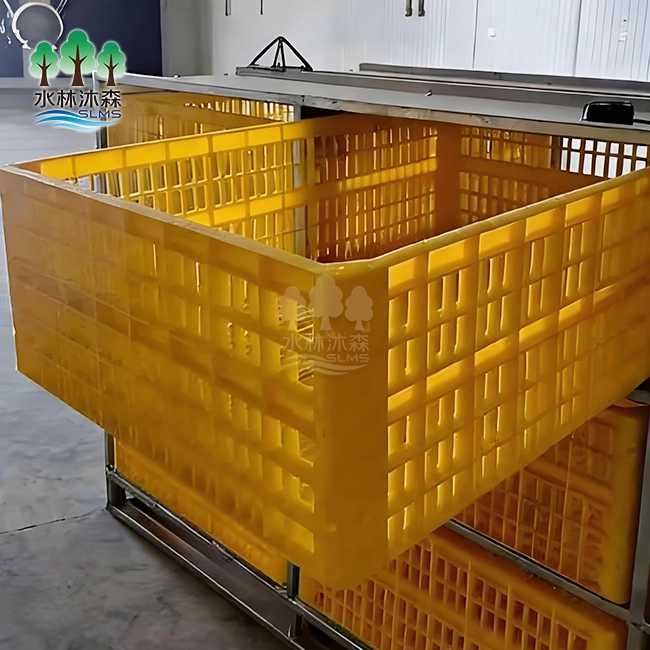
Standard sizes like 750x550x230mm and 750x550x330mm work for most broiler and layer operations, but the one you choose should fit the sizes of your birds and how they need to be processed. The 330mm version is deeper and better for bigger birds or longer transport lengths where the birds need enough headroom to avoid stress while placing.
To figure out the load capacity, you need to know both how much weight is in each crate and how high they can be stacked. When stacked eight to ten units high on truck beds, a well-made crate can hold 25 to 30 kg of live birds and still hold up against compression loads. This structural strength keeps buildings from falling down in terrible ways that hurt birds and destroy equipment.
The costs of movement are directly affected by how space is used. Return shipping costs are cut by more than 60% when you use crates that can nest inside each other. This is because empty units can be stacked tightly for the trip back to your farm. This trait alone can make the higher price worth it by saving money on gas and making the product more efficient in just one season.
Ventilation Design and Animal Welfare Compliance
Enough breathing isn't a choice; it's required by law and is the right thing to do. To keep people from getting too hot during transport delays, ventilation designs should let at least 40% of air through. Look at how the placement of the holes makes cross-ventilation happen instead of dead zones where heat builds up. Specifications for temperature protection are important for all seasons of activities. Quality boxes keep their shape from -30°C when they are stored in the fridge to +90°C when they are cleaned with steam. This range guarantees dependability all year, no matter the weather or cleaning instructions.
Compliance with Safety and Hygiene Standards
Businesses that sell to people in the U.S. must make sure their equipment meets FDA rules for food-contact materials. Certifications show that polymer mixtures don't release dangerous chemicals and can weather approved cleaning chemicals without breaking down. This compliance lowers your risk of being sued and keeps the processing plant's approval. Hygienic design features, such as floors that drain themselves and internal areas that are easy to reach, make it easy to clean quickly between uses. When trash is stuck in crates that can't be reached, germs can grow and spread, which is bad for the health of the flock and against biosecurity rules.
Comparison of Leading Durable Plastic Poultry Transport Crates in the Market
Knowing what makes premium plastic poultry transport crates different from basic options can help farm owners and buying groups make decisions about investments.
Material Quality and Construction Standards
In 2026, the best makers set themselves apart by using only the purest materials and the strictest building standards. Virgin polymer formulations have significantly longer service lives than recycled-content options, which usually develop stress cracks after 18 to 24 months of heavy use. At first, recycling choices may seem like a good deal, but they end up costing more because they need to be replaced more often and have a higher death rate during transport. Newer box designs have strengthened corner ribs and edges that spread the stress of the load across the whole construction. This engineering stops the weak spots that happen in cheaper models and let handles break or floor sections crack when they are used normally.
Ventilation Efficiency and Bird Comfort Features
Premium plastic poultry transport crates have hole patterns that were estimated scientifically to improve airflow without weakening the structure. Some makers use computational fluid dynamics models to check the ventilation system's performance before it goes into production. This makes sure that air flows evenly no matter how the stacks are arranged. Innovative door systems let you load and unload quickly without using any tools. Handling time per box is cut down by spring-loaded latches and slide tops, which is a big plus when processing thousands of birds every day. These features also cut down on escapes, which slow things down and pose safety risks.
Price-Performance Analysis for Bulk Orders
When making a procurement choice, you have to weigh up the initial costs against the expected operating lives and performance efficiency. For medium-sized businesses, mid-tier boxes, which are priced between cheap bulk choices and high-end engineering solutions, are often the best deal. When you buy in bulk from makers, you can often save 15–25% compared to buying from distributors. This makes direct sourcing a good option for farms that move more than 50,000 birds every month.
Being able to place custom orders adds value to regular store items. Customized sizes, color-coding systems for keeping track of flocks, or RFID fixing points built in for better supplies management can help operations with specific workflow needs. These changes, which can be made by makers that offer OEM services, turn standard tools into valuable operating assets.
Where and How to Buy Durable Plastic Poultry Transport Crates
Choosing where to get plastic poultry transport crates affects more than just the cost. It also affects how well it works and how much help is available in the long run.
Direct Manufacturer Purchasing Advantages
Connecting with companies that make specialized farm tools has many strategic benefits, not just lower unit costs. This direct-to-buyer plan is handled by Weifang Shuilin Musen Aquaculture Equipment Co., Ltd., which has eight years of experience in the chicken business and its own engineering team. Instead of adopting standard industrial containers, their team of five dedicated engineers comes up with solutions that are made just for animal operations.
Direct relationships let you make changes that are tailored to your unique business problems. If you need different ventilation patterns for different climates or different color schemes for flock separation, makers who can do their own design work can come up with answers that distributors can't. Access to technical help is much more valuable than many buyers realize at first. Installation instructions, upkeep schedules, and troubleshooting help from the experts who made the equipment help solve problems faster and avoid costly business interruptions. General tools dealers just don't have this kind of knowledge.
Evaluating Supplier Capabilities and Support Infrastructure
Check to see if possible providers offer full implementation help in addition to product specifications. Videos and written instructions for installing things help your team learn faster and avoid making mistakes that slow down the equipment. Warranty terms show that the company that made the product is confident in its longevity. A normal one-year guarantee covers problems with the way the product was made, but you should look into what kinds of problems are covered and how the claims process works.
Quick warranty service keeps machines from being down for long amounts of time during busy production times. Minimum order amounts make it harder for smaller businesses to get what they need. Large integrators can easily meet the 500-unit MOQs that get them the best prices, but family farms and regional groups need sellers who can handle a range of order sizes without charging unfair prices.
Logistics and International Sourcing Considerations
In places like Shandong Province, China, there are manufacturing hubs that make high-quality farm tools at reasonable prices. When buying from other countries, you should know that container shipping wait times can be anywhere from 25 to 40 days, based on the port destination and how quickly customs clearance goes.
Export paperwork is taken care of by makers with a lot of experience, and they can also give advice on tariff classifications and tax rates that affect landed costs. This knowledge makes buying things across borders easier and stops expensive shipping delays caused by missing papers.
Domestic seller networks can get supplies to you faster, but they usually charge more. You need to figure out your replacement rate and storage space in order to balance the costs of keeping goods with the longer lead times for foreign orders. Direct foreign buying is often more cost-effective for businesses that can store crates for 6 to 12 months.
Maintaining and Maximizing the Lifespan of Durable Plastic Poultry Crates
To protect your plastic poultry transport crates purchase, you need to do regular repair that keeps it working well and increases its useful life.
Cleaning and Sanitation Protocols
Good sanitation has a direct effect on both the biosecurity of the group and the life of the crates. Being able to use pressure cleaners to rinse crates directly or take apart parts to soak in disinfectant makes sure that places where organic matter builds up are thoroughly cleaned. Pathogens like Salmonella and Campylobacter can't grow biofilm because it's easy to get to.
When picking sanitizers, chemical consistency is important. Quality boxes can handle quaternary ammonium compounds and chlorine-based disinfectants at amounts that are common in the industry without losing their finish. Always check the chemical resistance specs before starting a new cleaning routine. If you use cleaning products that aren't meant to be used with the new system, you could lose the warranty.
Drying steps stop problems caused by moisture between uses. Mold won't grow on crates that have been left to dry completely in the air before they are stacked for storage, and polymers will last longer because they will go through fewer hydrolytic breakdown cycles.
Handling Best Practices and Storage Management
When you stack things correctly during storage, you avoid putting extra stress on them, which can cause them to crack before they should. Even if the crates are empty, don't stack them higher than what the maker says is safe. Doing so will cause compression fatigue over time, which weakens the structure.
Making sure that kept equipment stays out of direct sunlight keeps the UV stability working well. Good crates have UV inhibitors in them, but the protection additives last longer if they are kept out of the sun as little as possible while they are being stored.
Visual checks done on a regular basis find problems before they get bad enough to stop operations. Keep an eye out for stress cracks around the handle clamps, floor parts that are warping, and wear on the latch mechanism. By moving boxes around in your store, you can keep some units from being overused while others sit idle.
Service Life Expectations and Replacement Indicators
When used on a regular basis, boxes made from new materials that are well taken care of should last between 3 and 5 years. Transporting birds twice a week means that the bag will last between 300 and 500 rounds before it needs to be replaced. Learn how to spot retirement signs that let you know when crates are putting bird safety or business efficiency at risk. Broken latches that don't hold doors shut, cracks that can be seen spreading, and lasting deformation that stops proper packing are all reasons to take something out of service right away. Trying to use it past these places of failure could hurt birds, break the law, or cause problems in later handling.
Conclusion
When looking for long-lasting plastic poultry transport crates, you need to look at more than just catalog costs. You need to look at the quality of the manufacturing, the skills of the provider, and the long-term support system. When you work directly with specialized makers, you get more customization choices, technical support, and practical help than when you work with generic distributors. By choosing the right tools based on material requirements, air design, and compliance standards, you can protect your investment and make things better for the birds. When used with regular upkeep, quality crates provide measured practical benefits such as lower death rates, better use of room, and lower total ownership costs over multiple years of service.
FAQ
What material specifications should I prioritize when purchasing poultry transport crates?
Instead of using repurposed materials, focus on building plastic poultry transport crates with new PP or PE. Virgin polymers are more resistant to pressure and last longer than recovered materials, usually 3–5 years under heavy use compared to 1–2 years. Check that the product is UV-stabilized so that it can be stored outside and that it can withstand temperatures from -30°C to +90°C so that it can be used in all situations and cleaned properly.
How do ventilation designs affect bird mortality during transport?
Perforation patterns that were scientifically intended to let at least 40% of air through stop dangerous heat buildup that leads to overheating and higher Dead-on-Arrival rates. Good ventilation makes sure that air flows evenly through stacked structures, so there are no hot spots where birds can get stressed out from the heat. This design factor has a direct effect on how well your processing business works and how much money it makes.
Can plastic transport crates withstand commercial sanitation processes?
Professional-grade crates made from high-quality plastics don't bend or lose their surface when they are washed with high-pressure water or harsh chemicals. The lack of pores stops germs from growing and makes it easier to clean all the inside surfaces completely. The ability to take apart makes it possible to clean hard-to-reach areas by soaking them in water. This makes sure that hygiene rules are followed between transport rounds.
What customization options improve operational efficiency?
Manufacturers who offer OEM services can change standard designs by adding color-coding systems to keep track of flocks, changing the sizes to fit different bird species, and building in identification systems to keep track of goods. Customized ventilation patterns take into account the temperature problems in your area, and customized door systems make the most of your loading and unloading processes.
Partner with Shuilin Musen for Your Poultry Transport Solutions
More than just catalog specs are needed for reliable plastic poultry transport crates; only specialized providers can provide the manufacturing know-how and operating knowledge required. Every client of Shuilin Musen Aquaculture Equipment Co., Ltd. benefits from eight years of experience working with farming equipment and five professional engineers who work on new products every year.
Our delivery crates are made of tested PP and PE materials and come in two different sizes (750x550x230mm and 750x550x330mm) so that they can fit your needs and your operations. We offer installation guides, expert support, and a one-year warranty to protect your equipment investment as a plastic poultry transport crates maker dedicated to providing full solutions rather than one-time sales. Get in touch with our team at wangshuaislms@gmail.com to talk about how customized transport options can help you save money and make your flock happier.
References
1. American Poultry Association. (2023). "Standards for Poultry Transport Equipment and Animal Welfare Compliance." Agricultural Equipment Guidelines, 47(3), 112-128.
2. Chen, M., & Roberts, J. (2023). "Material Science in Agricultural Plastics: Durability and Performance Standards." Journal of Agricultural Engineering Research, 156, 34-49.
3. International Poultry Logistics Association. (2024). "Best Practices for Live Bird Transportation Equipment Selection." Industry Standards Report, 12th Edition.
4. Mitchell, D. K. (2022). "Economic Analysis of Reusable Transit Packaging in Poultry Supply Chains." Agricultural Economics Quarterly, 39(2), 201-217.
5. Thompson, L., & Valdez, R. (2024). "Biosecurity Protocols and Equipment Sanitation in Modern Poultry Operations." Veterinary and Animal Science Review, 68(1), 89-103.
6. United States Department of Agriculture. (2023). "Regulatory Guidelines for Poultry Transport Container Design and Hygiene Standards." USDA Agricultural Marketing Service Publication 742.
Learn about our latest products and discounts through SMS or email