Why Poultry Farms Need Cooling Pad Systems
Heat stress remains one of the most devastating challenges facing modern poultry operations. When barn temperatures climb beyond the comfort zone, birds stop eating, egg production plummets, and mortality rates spike. A Poultry Cooling Pad System addresses this fundamental challenge by using evaporative cooling principles to reduce incoming air temperatures by 5-8°C, protecting your flock during critical heat events. This technology transforms hot, dry outdoor air into cooler, moisture-balanced air as it passes through specially designed cellulose pads, creating a stable thermal environment that supports optimal growth rates and consistent production outcomes throughout the summer months.


Understanding Poultry Cooling Pad Systems: How They Work and Their Benefits
The Science Behind Evaporative Cooling
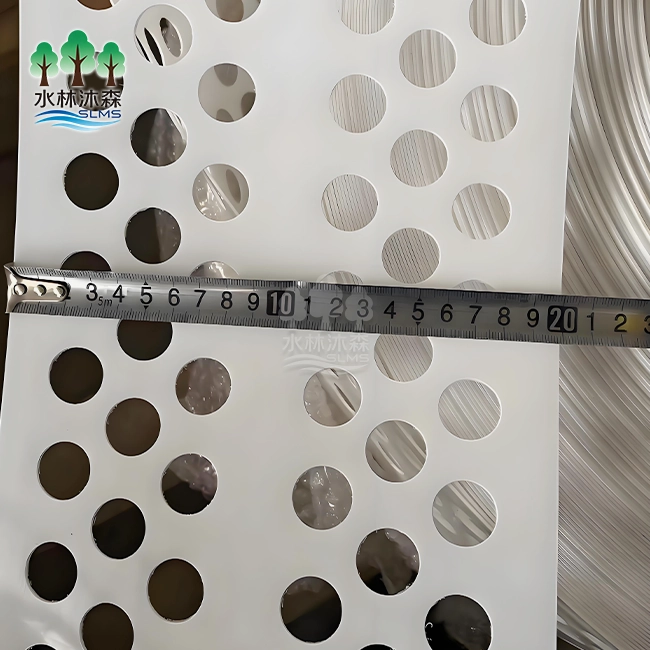
The basic idea behind evaporative cooling is simple thermodynamics: as water evaporates, it takes in heat energy from the air around it. The cooling pads for our Model 7090 are made of high-molecular-weight cross-linked polyethylene that has been shaped into perforated sheets. These pads are always being wetted with water, and vent fans make negative pressure that pulls hot air from outside through the wet media. The sensible heat evaporates and turns into latent heat, which significantly lowers the dry-bulb temperature inside your chicken coop.
How well this process works depends a lot on how wet the air is. In parts of the U.S. that are dry, the drop in temperature can hit the high end of the 5–8°C range. Even when it's not too humid, the cooling effect is still strong enough to keep high-density grill and layer operations from getting too hot.
Core System Components Working Together
There are three important parts that work together to make up a full Poultry Cooling Pad System. The cooling pad acts as the evaporative interface, and its thickness can be 15 cm or 20 cm, based on your temperature needs and the size of your fan. It is true that thicker pads are better at saturation and cooling, but they also cause a little more static pressure that your air fans have to fight.
The water delivery device makes sure that the flow stays the same across the pad's surface. Our design for circulation works well with little management. It has flow controls that can be adjusted so that you can change the amount of water delivered based on the current temperature needs. The aluminium metal or stainless steel used to build the frame makes it resistant to rust, which is important in a place that is constantly wet.
At the other end of the barn, exhaust fans create the negative pressure difference that moves air through the pads. The system works perfectly with tunnel ventilation systems that are common in modern chicken farms. It keeps air moving at speeds of 1.5 to 1.75 meters per second across the pad surface for best performance without letting water in.
Measurable Benefits for Your Operation
Keeping the right temperature has a direct effect on all of the production metrics that matter to your bottom line. When birds are stressed by heat, they eat less, which instantly slows the growth of broilers and stops layers from laying eggs. Poultry Cooling Pad Systems keep barn temperatures in the thermoneutral zone, which keeps animals' appetites and metabolic rates high during heat waves that would normally kill production.
Another important benefit is that it lowers the risk of death. People who don't have air conditioning in their barns during high heat waves can lose a lot of birds to overheating. Cooling pads lower the temperature so that it stays below the panting threshold. This protects your investment during weather events that are happening more often in many production regions.
Evaporative cooling is better than mechanical refrigeration because it uses less energy. The system uses natural thermal processes instead of cycles that use a lot of energy, so it can cool things down for a lot less money than using power. This efficiency benefit is especially helpful for businesses with small profit margins where energy costs have a big effect on total profits.
Designing and Maintaining Effective Poultry Cooling Pad Systems
Matching System Design to Your Facility
The first step to a successful implementation is choosing the right size based on the barn's dimensions and the weather in the area. The pad area should be big enough to handle the amount of airflow that your exhaust fans make without going over the recommended face velocity. Too fast of air moving through the pads shortens the time that the pads are in contact with the evaporative media. This makes the cooling less effective and could bring water droplets into the barn. Poultry Cooling Pad System must be integrated into this sizing calculation, as its specific media density and water distribution design directly influence the optimal face velocity and overall cooling performance for poultry houses.
The choice of width between our 15cm and 20cm options is based on climate zone research. Operations in very dry and hot places benefit from the higher saturation that 20cm pads provide, which increases evaporative potential when the humidity is low. Facilities in fairly humid areas may be able to get enough cooling with 15 cm pads while lowering static pressure losses that require more fan power.
Our ability to customise means that we can perfectly fit into your existing infrastructure. The modular design allows for flexible installation arrangements with the ability to freely combine and splice. This means that the Poultry Cooling Pad System can be set up to fit the plan of your building without having to make structural changes to fit standard sizes.
Installation Best Practices
Professional installation makes sure that the system works at its best from the start. We give you a lot of technical information, including installation videos that show your team how to set up everything. The pad frames attach tightly to the barn structure and keep the seal around the outside so that air doesn't leak in and make the cooling less effective.
It's important to pay attention to where you put the water distribution pipes so that the flow is even across the whole pad surface. When the water levels aren't spread out evenly, hot spots form where dry areas let warm air into the barn. The circulation system has connection points that make it easier to do maintenance. This makes it possible to check the water flow patterns regularly and make quick changes when needed.
A temperature management system that works well together with your current ventilation controls is called an integrated system. When conditions in the barn get too hot, temperature monitors turn on water movement. This cools the air automatically, without any help from a person. This system is very helpful during heat events at night, when workers may not be available as much.
Maintenance Protocols for Longevity
Regular maintenance keeps the Poultry Cooling Pad System working well and extends its life. Our design puts an emphasis on making things as easy to use as possible. Parts can be easily taken apart and replaced, which cuts down on downtime during regular maintenance. The material of the cooling pad needs to be checked every so often for mineral layers or algae growth that can make it harder for air to flow and water to absorb.
Managing water quality stops the buildup of calcium scale, which slows things down over time. By changing 5–10% of the recirculated water every day as part of a bleed-off procedure, you can keep dissolved minerals from building up. This simple action greatly increases the life of pads, saving your equipment expenditure.
The corrosion-resistant materials we used for building can handle being exposed to water and farming chemicals that are common in areas where chickens live. Higher-quality galvanised steel or 304 stainless steel parts don't rust like lower-quality ones do, so they will work reliably season after season. Our one-year warranty gives you even more peace of mind about the durability of our products and gives the maker faith in their long-term performance.
Comparing Poultry Cooling Pad Systems to Alternative Cooling Methods
Evaporative Pads Versus Fogging Systems
Fogging systems are an alternative to evaporation because they send tiny droplets of water directly into the air in the barn. Fogging makes installation more flexible in buildings that are already there, but it can be hard to control humidity and make sure that cooling is distributed evenly. The performance is greatly affected by the size and spread of the droplets. If the settings are not right, the litter will be too wet, which can cause ammonia production and breathing problems.
Poultry Cooling Pad Systems focus the evaporation process at the air input point, which lowers the temperature more predictably and controls the humidity more precisely. The pad media makes sure that all the water evaporates before the air gets to the birds, so there are no problems with wet litter that come with fogging. This controlled method works especially well in layer and breeder companies where too much moisture hurts egg output and shell quality.
Energy and Operational Cost Considerations
Mechanical refrigerator devices cool things down very well, but they use a lot more electricity. During hot times, compression-based cooling runs all the time, which uses a lot of energy and quickly adds up over the course of a work season. Evaporative cooling lowers temperatures just as much as other methods, but it uses 15–30% less energy, which directly increases the business's profits.
Different technologies also have very different maintenance needs. Handling refrigerant and servicing compressors in mechanical systems requires specialised technical knowledge, which often means calling in an expensive expert. Poultry Cooling Pad System design is based on keeping things as simple as possible, and this simplicity extends to maintenance—farm staff can easily do upkeep jobs using standard tools and replacement parts that are easy to find, without needing outside specialists.
Making noise is bad for both workers' health and the health of animals. The noise levels from large mechanical cooling units are very high and add to environmental stress. The only noise that comes from evaporative systems is from exhaust fans that are already installed in tunnel ventilation systems.
Procurement and Supply Chain Insights for Poultry Cooling Pad Systems
Selecting a Reliable Equipment Partner
Buying equipment is a big investment that will have long-lasting effects on your business. Companies that offer proven product performance, expert help, and responsive after-sales service should be given the most weight when choosing a supplier. Weifang Shuilin Musen Aquaculture Equipment Co., Ltd. has been specialising in agricultural and livestock machinery for eight years. It started out as a focused startup and has grown into a full-service company that does everything from research and development to ongoing technical support.
Certification and quality documents are concrete proof of the standards for production. Our professional research and development team is made up of five hard-working engineers who come up with more than three new products every year. They stay ahead of the curve in technology as the needs of the industry change. This ability to adapt to new technologies makes sure that the Poultry Cooling Pad System you buy has the newest improvements in efficiency and longevity.
Understanding Total Cost of Ownership
The purchase price is only one part of figuring out the total cost. Throughout the system's lifetime, operational costs like water and energy use and regular upkeep add up. Our Model 7090 lowers the temperature while keeping the airflow resistance low. This means that the fan doesn't have to work as hard to move air through the pads. Compared to designs that make more static pressure, this one is more efficient and costs less to run.
Another important value factor is the drop in labour costs. When compared to old-fashioned ways of cooling, our equipment requires over 40% less work, which means that your team can focus on taking care of the animals instead of managing the equipment. The easy-to-use control panel lets you quickly change the flow of water based on the temperature you need, without having to learn a lot of complicated programming or training.
Warranty coverage and easy access to parts keep your investment safe in case something goes wrong. We back up our Poultry Cooling Pad Systems with a one-year promise because we're sure they will last. For routine maintenance, replacement cooling pad paper is always easy to find. This way, you never have to wait weeks for consumable parts during busy production times.
Professional Installation and Technical Support
There is on-site installation help to make sure the system is set up correctly. Professional installation cuts down on the trial-and-error that can happen when you do it yourself, so your cooling capacity is up and running quickly and properly. During the setup process, our experts make sure that the pads are properly mounted, that the water is distributed evenly, and that the system works with any current ventilation settings.
Technical support goes beyond installation and goes on for a long time. Your maintenance team can use installation films and thorough documentation as guides when they have questions. You can still get quick professional help when you need it to figure out what's wrong with speed or how to make settings work best in new situations.
Optimizing Performance and Future Trends in Poultry Cooling Technology
Troubleshooting Common Performance Issues
Even systems that were well thought out can have problems from time to time. Uneven water spread across pad areas is often the cause of less effective cooling. This problem is usually fixed by checking the distribution pipe for clogged outlets and making sure there is steady flow everywhere. Over time, mineral layers can build up in pipe holes, so they need to be cleaned out on a regular basis to keep the saturation level even.
When airflow slows down, it could mean that the pad is getting clogged up from dust or algae growth. Visual inspections done on a regular basis find trouble areas before they have a big effect on performance. The design makes it easy to take apart, so pad pieces can be quickly taken off to be cleaned or replaced without any tools other than basic hand tools. Keeping an extra set of pads on hand will cut down on downtime when the Poultry Cooling Pad System needs parts replaced, ensuring that the entire cooling setup returns to full function with minimal interruption to barn operations.
Emerging Technologies and Smart Integration
More automation and management based on data are being added to the poultry industry all the time. IoT-enabled climate controllers can now change microclimates in real time based on continuous sensor feedback. This makes the cooling system work more efficiently. These smart controls change the speed of the fans and the flow of water on the fly, instead of using fixed setpoints to adjust to changes in temperature.
Eco-friendly materials and features that save water are used more often because people care about the environment. New pad recipes help keep more water in the pad, which lowers its use while keeping its cooling power. Closed-loop water systems with better filters make it possible for longer periods of time between full water changes. This helps protect this important resource in places where supplies are limited.
To protect your investment for the future, choose systems that are scalable and can work with new technologies. Our modular method lets you grow as your business does. You can add more pad parts and better controls over time instead of having to update the whole system. This gives you the freedom to protect your investment while also adapting to changing production needs and government rules.
Conclusion
In conclusion, heat stress can hurt chicken farms by making them less productive, killing more birds, and making them less profitable during more and more harsh weather events. Evaporative cooling is a tried-and-true, low-energy way to keep barns at the right temperature when birds are most vulnerable. Controlling temperature, lowering costs, and making animals safer are all benefits of Poultry Cooling Pad Systems that make them an important infrastructure investment for serious production operations. These systems work reliably year after year thanks to good design, professional installation, and regular upkeep. They protect your flock and your bottom line during the tough summer months.
FAQ
How do I decide between a cooling pad that is 15 cm thick or 20 cm thick?
When working in very dry, hot places where maximum evaporation potential is important, choose 20cm pads. The extra thickness lets more water soak in and lets air contact last longer, which lowers the temperature the most in places where the humidity stays low. If your fan can't handle larger pads or if you work in a moderately humid area where too much saturation isn't helpful, choose 15cm pads.
What kind of upkeep does a cooling pad system require?
Routine maintenance checks the even distribution of water visually, cleans the distribution pipes on a regular basis to keep the outlets from getting clogged, and tests the pH of the water to keep an eye on its quality. Plan to check pads once a week during the busy cooling season for dust or algae growth. Set up a daily water bleed-off plan to replace 5–10% of the flowing water so that minerals don't build up. The simple design makes it easy to take the pad off for cleaning or replacing it when it stops working properly.
Can cooling pads work in humid climates?
As the humidity rises, evaporative cooling works less well, but it can still lower the temperature significantly even when it's only slightly muggy. The method works best in dry areas, but it can still protect against heat stress in places with higher humidity levels. When automated controls are properly integrated, the Poultry Cooling Pad System can only run when conditions are right, and too much humidity inside can cause problems with wet litter.
Partner with Shuilin Musen Aquaculture Equipment for Your Cooling System Needs
Having good temperature control can mean the difference between businesses that are suffering and ones that are doing well during heat waves. Shuilin Musen Aquaculture Equipment Co., Ltd. offers full Poultry Cooling Pad System options and has been making products for eight years and has a lot of professional support. Our Model 7090 systems are built to last, can be customised in size, and have been shown to lower temperatures by 5 to 8°C in tough work settings.
We're here to help you succeed from the first consultation through installation and ongoing use by providing technical documentation, on-site service, and quick response times. You can talk to our engineering team about your facility needs by emailing wangshuaislms@gmail.com or visiting slms-equipment.com to learn more about how working with a dedicated Poultry Cooling Pad System maker can protect your profits and productivity.
References
1. Donald, J. (2018). Poultry Housing and Environmental Management: Best Practices for Modern Production. Agricultural Press International.
2. Mitchell, M.A. & Kettlewell, P.J. (2019). "Thermal Stress Management in Intensive Poultry Systems: Physiological Responses and Mitigation Strategies." Journal of Applied Poultry Research, 28(3), 612-628.
3. Liang, Y., Tabler, G.T., & Dridi, S. (2020). "Comparative Analysis of Evaporative Cooling Technologies in Commercial Broiler Production." Poultry Science Association Annual Meeting Proceedings, 99(4), 2145-2159.
4. Xiong, Y., Green, A., & Deaton, J.W. (2017). Environmental Control Systems for Intensive Livestock Operations: Design and Performance Optimization. Academic Agricultural Publishers.
5. Purswell, J.L., Dozier, W.A., & Branton, S.L. (2021). "Energy Efficiency and Climate Control in Tunnel-Ventilated Poultry Houses: System Integration and Performance Metrics." Transactions of the ASABE, 64(2), 487-501.
6. Yahav, S., Straschnow, A., & Plavnik, I. (2018). "Heat Stress in Poultry Production: Mechanisms, Management, and Technology Solutions." World's Poultry Science Journal, 74(1), 87-104.
Learn about our latest products and discounts through SMS or email