Best automated poultry manure removal systems for large-scale farms
One of the biggest problems that large-scale chicken farmers still have is dealing with waste in a good way. When buildings house tens of thousands to over 100,000 birds, cleaning up the manure by hand quickly stops being realistic, affordable, and long-term. Automated Poultry Manure Removal Systems have become the most important tool for modern industrial farming. These specialized systems solve some of the biggest problems facing the industry: they drastically lower labor costs, keep hygiene standards high, control dangerous ammonia levels that hurt bird health, and make sure that stricter environmental rules are followed. Choosing the right automated waste management solution has a direct effect on the revenue, operational efficiency, and long-term viability of farms run by B2B sourcing professionals who are in charge of big broiler, layer, turkey, or duck operations.


Understanding Automated Poultry Manure Removal Systems
Using automated trash management technology is a big change from cleaning by hand, which takes a lot of work, to using carefully designed machines to do the job. A Poultry Manure Removal System is basically an electrical and mechanical system that moves bird waste from housing areas to marked collection places automatically, either all the time or on a regular basis. When you put these systems together, they have motorized parts, traction mechanisms, long-lasting conveyor materials, and control systems that were made to work in the harsh, humid environment of chicken cages.
Core System Components and Operational Mechanisms
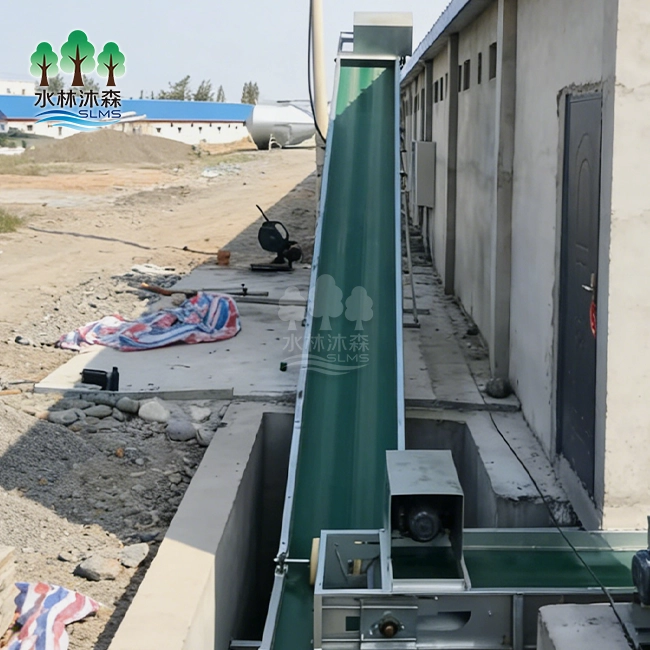
There are two main types of setups for modern automated devices. Heavy-duty steel blades on cable-driven machinery move through manure pits under cage rows in the scraper-based system, physically pushing waste toward gathering ends. On the other hand, conveyor belt systems use rings of high-tensile polypropylene or PVC belting that are placed under the cage tiers and move trash as it falls through the floors of the cages. Precision-engineered drive motors—usually copper-wound units that provide reliable torque—and corrosion-resistant structural frames made from hot-dip galvanized steel with a zinc covering that goes above and beyond industry standards are used in both designs.
The organizational benefit goes beyond just automating tasks. These systems keep cleaning processes regular, so wet waste doesn't build up and cause harmful germs and poisonous gases to be released. When levels of ammonia go above what is considered safe, they make it very hard for birds to breathe, which lowers their feed conversion ratios and raises their death rates. Gas levels are kept within accepted limits by automated removal, which directly protects the health and production of your group.
Environmental Impact and Regulatory Compliance
Environmental sustainability used to be something that wasn't required, but now it is in most farming markets. Automated systems help with compliance by allowing controlled waste gathering, lowering the risk of spillage, and making it easier to compost or get rid of waste the right way. The limited handling keeps the smell from spreading, handles complaints from neighbors, and meets standards for protecting watersheds. A lot of places now require trash management plans, and automatic systems work better than manual ones to meet those needs. Knowing about these aspects of compliance helps buying teams make the case for big purchases and get the permits they need to run their businesses.
Comparing Automated Poultry Manure Removal Systems for Large-Scale Farms
To choose the right technology, you need to know the pros and cons of each type of system that is offered in the context of your unique operations.
Automation Versus Traditional Manual Methods
In traditional removal, workers use shovels, scrapers, or small machines to clean trash out of holes or floors on a regular basis. This is usually done once a week or twice a week, based on how many birds are living there. This method has big hidden costs that go beyond the straight cost of work. Workers who are exposed to ammonia, dust, and pathogens pose health risks and raise worries about responsibility. The cleaning plan isn't regular, so trash builds up between cleanings, which lowers the quality of the air. Labor shortages make it harder for farms to find reliable workers who are willing to do unpleasant, physically demanding work.
These problems are solved by automated systems, which also make operations better in a way that can be measured. Farms that use good automatic systems say that their waste management costs go down by more than 60%. The constant or regular automatic cleaning keeps the air quality consistently high, which leads to better bird performance measures like better feed conversion and lower disease rates. Because mechanical systems are reliable, they don't depend on people's schedules or availability. This means that trash management can continue even when there are staffing problems, especially with systems like the Poultry Manure Removal System.
Scraper Systems Versus Conveyor Belt Technologies
Each automatic technology has its own benefits that work best in certain types of farms. Scraper systems work best in deep-pit housing layouts that are popular in A-frame cages and some broiler plants. These strong systems can move large amounts of semi-solid trash over long distances—installations that go as far as 150 meters are possible with the right planning. Since cable-driven scrapers are mechanically very simple, they last a long time and don't need much upkeep. When compared to belt systems, scraper systems usually have lower starting capital costs for the same amount of capability.
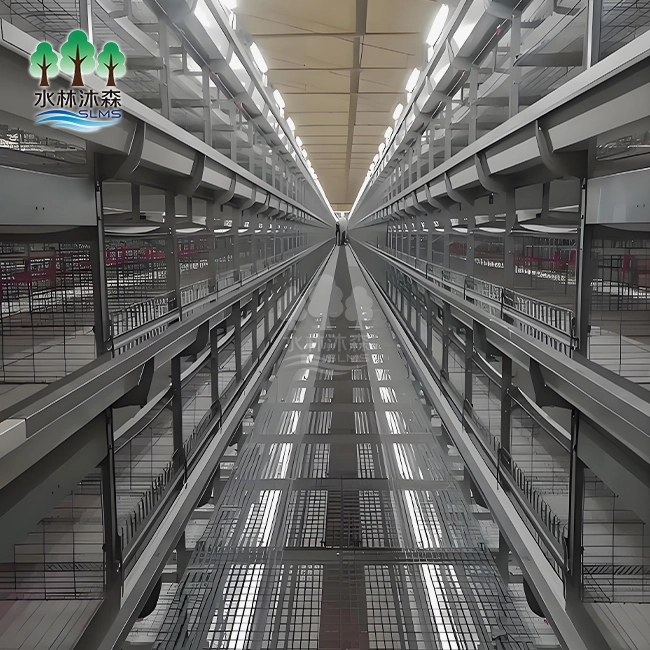
In H-type multi-layer operations, where overhead room is limited and waste needs to be removed often, conveyor belt systems are the most common way to move things. The continuous belt action is better for handling trash in places where it needs to be taken away every day or more than once a day. Birds that live close to equipment that makes noise are less likely to be stressed because of belt systems. Because belt systems are made up of separate modules, they can be easily adjusted to fit complicated barn plans and can be expanded in stages as operations grow. High-quality PVC belting doesn't tear easily and keeps its shape when it's under load, and ultrasonic welding methods make sure that the seam stays intact for the whole life of the belt.
Integrated Value-Added Features
More and more, advanced systems are adding features that make them more useful than just moving trash. Automation that is managed by a timer lets workers plan cleaning cycles for the best times, so there is less disruption during busy laying times. Some systems have moisture sensors that set off cleaning processes based on how much trash is actually there, instead of on a set plan.
This saves energy and reduces the wear and tear on the equipment. The garbage from either type of system can go straight into the infrastructure for composting, turning the cost of removal into the production of fertilizer that makes money. When farms use integrated waste-to-compost systems, they report big changes in general operational sustainability data that certification programs and customers who are becoming more aware of these issues value.
Selecting the Right Automated Poultry Manure Removal System
Long-term operational effects of procurement choices mean that careful review is necessary to get the best return on investment.
Capacity Assessment and Scalability Requirements
Your system design starts with accurate capacity estimates based on the number of birds, the rate at which manure is produced, and how often you want to remove it. A plant with 50,000 layers makes about 4,500 kilograms of manure every day, so the systems that handle that much need to be specially designed to handle it without any problems. Undersized systems wear out faster, break down more often, and don't get rid of all the waste properly, which cancels out the benefits of automation. On the other hand, too much over-specification raises capital costs without improving efficiency.
Scalability issues become just as important as processes grow. Phased growth is possible with modular system designs, so you can add capacity as bird populations rise without having to replace whole installations. Customization options make sure that the system fits perfectly with your barn's measurements, whether you use normal business dimensions or a different facility layout. Quality makers offer technical help to improve system layout by making sure that the slope angles are right for gravity-assisted flow, that the drive units are the right size, and that the waste collection points are placed in the most sensible way. This ensures that your Poultry Manure Removal System will operate efficiently, with room for growth as your business expands.
Matching Technology to Production Type
When it comes to managing waste, broiler businesses and layer farms are different and need different answers. In broiler houses, systems are usually installed on the floor, or the scrapers need to be strong enough to handle bedding materials mixed with waste. All-in/all-out production cycles are common in broiler operations. This lets deep cleaning happen every so often between groups, which changes how systems are designed to make them last longer and be easier to clean thoroughly.
Layer processes need reliable waste removal systems that can keep working for long production cycles that last 12 to 18 months between depopulations. The small cage setting creates more concentrated waste, which needs precise belt alignment and reliable drive systems. Individual belt lines for each level of a multi-tier cage system keep the system from being overloaded and make sure that waste is sent to collection spots evenly.
Warranty, Support, and Supplier Reliability
Equipment guarantees show that the company that made the product is confident in its durability and protect your investment from breaking down too soon. Standard one-year warranty coverage should represent the minimum acceptable protection, with quality suppliers offering extended coverage options reflecting superior component quality. Comprehensive warranties that cover both parts and work are the most valuable, especially during the critical break-in time, which is when installation flaws or weak parts usually show up.
Technical support infrastructure is what sets great providers apart from just-good ones. Proper system commissioning, which is the basis for long-term reliability, is made possible by thorough video lessons or on-site professional installation services. Quick technical help when practical questions come up or troubleshooting is needed keeps small problems from getting worse and causing costly downtime. Maintaining an adequate inventory of parts and effective transportation by suppliers ensures quick supply of replacement parts, minimizing downtime when repair is needed.
Installation, Maintenance, and Troubleshooting Best Practices
When put or kept incorrectly, even the best equipment gives disappointing results. Paying strategic attention to development and ongoing care makes the system work better and last longer.
Professional Installation Versus In-House Implementation
How hard it is to install depends a lot on the type of system, how the barn is set up, and how well it needs to work with current equipment. Maintenance teams with the right technical knowledge and the ability to follow specific installation instructions may be able to handle simple scraper systems in simple barn layouts. There are detailed video guides from good makers that make it possible for skilled installation to be done in-house when it's needed.
Professional installation services are very helpful for setups that are complicated and have multiple levels of belts, integrated controls, or hard-to-work-with facility layouts. Setup is done quickly and correctly by experienced installation teams who make sure that the tension is set correctly, the unit is aligned correctly, the electrical connections are made correctly, and the drive unit is configured correctly.
Professional installation usually includes training for the user, checking the system's performance, and writing down what upkeep needs to be done. These are the services that make sure the system works without any problems. The extra cost of having a professional install something is usually not that much when you consider the risk of having it set up wrong and having it break down or wear out early.
Routine Maintenance Schedules and Component Care
Setting up regular repair schedules is directly linked to how long and reliably a system works. Every day, you should look at the belt to make sure it's moving correctly, listen for noises that could mean a bearing is wearing out or there are problems with the drive, and check the transfer points for waste buildup. Every week, repair workers check the state of the belts for cuts or too much wear, the edges of the scraper blades, and the tension on cable-driven systems to make sure they are working right. Every month, routine maintenance should include checking the drive motor, lubricating certain parts, and cleaning the wheels and guide tracks thoroughly to get rid of any dirt that has built up.
When to replace a component depends on how often it is used and the surroundings, but normal service life standards can help with planning. Under normal working conditions, good conveyor belting will last for three to five years before it needs to be replaced. Most drive motors with copper windings and enough heat protection last between 8 and 12 years without breaking down. Frames for structures made of properly coated steel don't rust over the same amount of time. Keeping spare parts on hand for things that run out, like belting, drive chains, bearings, and scraper blades, cuts down on long downtime when repairs are due.
Common Issues and Resolution Strategies
Poultry Manure Removal System issues often arise from uneven loads, incorrect tension, or misaligned frames. Systematic tension adjustment according to the manufacturer's instructions generally fixes tracking problems. However, problems that don't go away could mean that the structure is settling, which needs to be looked at by a professional. Drive motors often break down because they don't have enough electrical safety, are exposed to water, or are used for longer than their job cycles allow. Most drive-related problems can be avoided by using the right motor casings and following the operating settings.
A lot of noise usually means that a bearing needs to be oiled or replaced because it is worn out. If you take care of noise problems right away, you can avoid bearing failures that damage drive parts more. Usually, incomplete trash removal happens because the system doesn't have enough space, the cleaning cycle happens too often, or the equipment is worn out and can't clean as well as it should. The right corrective actions are found by systematically analyzing the amount of waste, the plans for operations, and the state of the parts.
Cost Considerations and Procurement Guidance
A good study of the finances makes sure that investments in automation give the expected returns and that buying mistakes don't happen that hurt the success of the project.
Total Cost of Ownership Analysis
The price of the equipment is only one part of the total cost of the system. A full financial analysis takes into account the prices of installation, user training, regular upkeep, expected part replacements, energy use, and expected useful life. For example, a cheaper system that needs to be fixed or replaced parts too soon, or that doesn't work well, ends up costing more than high-quality equipment that costs more but lasts longer and works well.
Most of the time, saving money on labor is the biggest practical gain. A farm that used to hire two part-time workers to remove trash by hand—equivalent to about 2,000 hours of work per year at the going rate for farmers—saves $30,000 to $40,000 per year by automating the process. Better air quality also has other benefits that are harder to measure, such as better bird health, lower mortality, better feed conversion, and lower medical costs. Most good automated systems pay for themselves in three to four years and continue to be useful for another ten to fifteen years.
Procurement Channels and Vendor Selection
When you buy from well-known brands or their approved dealers, you can be sure that the product is real, that you'll get good customer service, and that the guarantee will still be valid. When you deal directly with a maker, you can talk about customization, get technical advice, and sometimes get better prices for big setups or orders from multiple farms. Authorized regional dealers have the support of the maker and a presence in the area, which helps with faster service response and parts supply.
Online business-to-business (B2B) sites are helpful for finding new suppliers, but you need to be very careful to check the credentials, product details, and service offerings of each seller. Before you buy big pieces of equipment, make sure you get written technical specs, guarantee terms, and customer references. When comparing different suppliers, don't just look at prices. Also look at their expert support system, the availability of parts, and how long they've been in business and worked with businesses like yours.
Real-World Performance Example
Take the example of an egg farm in the middle Atlantic that houses 75,000 layers in H-type cages and uses a good dual-belt automatic removal system. The $45,000 system expenditure replaced cleaning by hand, which took 15 hours of skilled work every week. Saving $35,000 a year on labor costs and lowering the number of illnesses caused by ammonia by 1.2% led to first-year financial gains of over $50,000. After three years of business, with only $2,800 a year spent on routine upkeep, the farm reported a net financial advantage of over $125,000, better working conditions, and easier compliance with regulations. As it enters its fifth active year, the system is still working consistently.
Conclusion
Automated trash management technology has gone from being a nice-to-have extra to a must-have for large-scale chicken farmers. The best automated systems make huge differences in how well workers are protected, how well air quality is managed, and how well the world is protected. To make execution work, you need to find the right technology for your operations, get quality equipment from reputable sources, make sure it's installed correctly, and stick to regular care routines.
Usually, the financial benefits from lower labor costs are enough to support investing in technology. However, operational benefits like better bird health and easier compliance add even more value. When procurement professionals carefully consider system choices, supplier skills, and total cost of ownership, they set up their businesses to stay ahead of the competition in an industry that is becoming more focused on efficiency, especially with systems like the Poultry Manure Removal System.
FAQ
Q1: What system type works best for broiler farm applications?
A: Broiler operations benefit most from robust scraper-based systems designed to handle mixed waste and bedding materials common in floor-rearing environments. These systems can handle the tough conditions of high-volume broiler houses and the deep cleaning that needs to be done every so often between production runs. Scraper systems are very durable and cost-effectiveness for dealing with the trash that comes from broilers.
Q2: How frequently should automated systems receive maintenance?
A: Visual checks every day make sure the machine is working right, and thorough checks once a week make sure the belt is tracking correctly, parts are wearing out, and the tension is right. As part of the machine's monthly care, the drive motor should be inspected, oiled at the right places, and all dirt should be cleaned off completely. Professional service once a year includes a thorough mechanical check and adjustment, which increases the machine's life and stops it from breaking down at crucial output times.
Q3: Can automated systems integrate with existing composting infrastructure?
A: The best automatic waste removal systems are designed to work directly with composting operations. The controlled collection point release makes it easy to connect to windrows for burning or processing equipment. The consistent moisture content and lower contamination from automated handling make compost quality better than material that is gathered by hand, which raises the market value of final compost products.
Partner with Shuilin Musen for Superior Automated Waste Management Solutions
To get the most out of your big poultry business, you need tried-and-true technology and help from people who know what they're doing. Shuilin Musen Aquaculture Equipment Co., Ltd. has eight years of experience making customized automatic systems for getting rid of manure in intense farming activities around the world. The two parts of our solution—a brush for cleaning and a conveyor belt for moving—work together to fit the size and needs of your building.
As a reputable Poultry Manure Removal System maker, we design systems with high-zinc galvanizing frames that don't rust, reliable copper motors that work consistently, and long-lasting PVC belting that lasts 8 to 12 years. Every installation comes with full technical help in the form of detailed video lessons and, if desired, professional installation services on-site. Email our technical team at wangshuaislms@gmail.com to talk about your unique needs and get a plan for a solution that fits them.
References
1. Anderson, K.E., & Havenstein, G.B. (2018). Environmental Management Systems for Commercial Poultry Operations. Agricultural Engineering Press.
2. Bureau of Labor Statistics, U.S. Department of Labor (2022). Occupational Employment and Wages in Agricultural Production.
3. Cargill, C.F., & Kettlewell, P.J. (2019). Ventilation and Waste Management in Intensive Poultry Housing. International Journal of Poultry Science, 18(4), 156-168.
4. Mitchell, B.W., & Blanes-Vidal, V. (2020). Ammonia Emissions from Poultry Housing: Mitigation Through Management Practices. Livestock Environment Engineering Conference Proceedings.
5. National Chicken Council (2023). Animal Welfare Guidelines and Audit Checklist for Broilers.
6. Shepherd, T.A., & Zhao, Y. (2021). Manure Belt Performance in High-Rise Layer Housing Systems. Applied Engineering in Agriculture, 37(2), 245-254.
Learn about our latest products and discounts through SMS or email