Best poultry house air inlet systems for cold climates
When you're in charge of a big group of chickens in freezing weather, choosing the right ventilation tools will determine whether your flock grows or just lives. The best Poultry House Air Inlet systems for cold areas control airflow intelligently and protect against heat, which keeps lung diseases at bay while keeping energy costs low. These specialized ventilation parts use precise engineering to send incoming fresh air along roof paths instead of directly onto birds. This gets rid of the cold stress that kills productivity. Modern air inlet technology solves three important problems at the same time: keeping oxygen levels at the right level, getting rid of dangerous ammonia concentrations, and keeping the heat that your expensive heating systems produce.


Understanding Poultry House Air Inlets in Cold Climates
To run a profitable chicken farm during the harsh winters, you need equipment that works effectively when the temperature drops below freezing. As exhaust fans work with Poultry House Air Inlet systems to create negative pressure situations, air inlet systems control the flow of fresh air into your barn. This negative pressure makes the flow that pulls clean air in through the intakes and fresh oxygen out through the exhausts.
How Cold Climate Inlets Differ from Standard Ventilation?
Extreme temperatures call for special design traits that normal inlets don't have. Some parts of cold climate ventilation systems have insulating layers that keep the cold air outside from getting into your well-kept home. The insulation stops two expensive problems: heat loss through the entrance case and condensation that causes ice to form and the machine to break.
The Coandă effect says that moving air will follow objects that are close to it. This is an important aerodynamic concept for good inlet performance. When properly built, deflectors can use this physical effect to move cold air up along the surface of your roof. This lets the cold stream slowly mix with the warmer air near the roof before going down to bird level. If you don't do this, cold air will fall directly on your flock, making drafts that can cause lung infections and lower feed conversion rates.
Critical Performance Metrics for Winter Operations
Inlets that work well in cold climates keep accurate static pressure readings between 0.08 and 0.12 inches of water column. At the outlet hole, this pressure range creates air speeds of 700 to 1,000 feet per minute, which is far enough to reach the middle of your barn. When there isn't enough movement, cold air dumps near the walls, and when there is too much pressure, the fan loses energy and the noise stresses out your birds.
The air area measurement has a direct effect on how much your system can hold. Professional units, such as those that are 560mm x 270mm, have an area of 0.11 to 0.13 square meters per outlet. This size lets each unit handle about 1,500 to 2,000 cubic feet per minute when it's working at its best static pressure. This is enough fresh air for about 500 to 700 broilers when the minimum ventilation mode is on.
Key Design Principles for Cold Climate Poultry House Air Inlets
To design ventilation systems for freezing places, you need to know how material science, temperature mechanics, and animal behavior are connected. The choice of each component has an effect on the long-term success and return on investment for your Poultry House Air Inlet selection.
Material Selection and Durability Standards
The building of ABS polymers is better than traditional materials for use in agriculture. This material doesn't get damaged when heavy objects hit it, and it stays strong at temperatures ranging from -30°C to 60°C. While cheaper plastics get hard in cold weather, high-quality ABS versions stay flexible, so they don't crack when they expand and contract.
Corrosion resistance is just as important in places where animals live where there is a lot of ammonia gas and water. Galvanized parts often break down because of rust, but stainless steel spring systems don't have that problem. The springs keep the same tension even after thousands of opening and closing cycles. This makes sure that your inlets consistently respond to control signals from your environmental management system. When springs lose their tension or rust, the inlets don't close properly, letting cold air in without being managed. This makes the temperature uneven.
Insulation Technology and Heat Retention
There are more uses for the insulation layer in professional outlet housings than just keeping heat in. If you have good insulation, the outlet frame won't become a thermal bridge that lets heat flow straight from the inside of your barn to the frozen outside. This effect of thermal bridging makes frost form on inside objects. When the outside temperature rises, the frost drips onto birds and beds.
Closed-cell foam insulation is better at keeping out water than fiberglass options. Even when it's exposed to high humidity, like in chicken barns, the foam keeps its R-value. Better sealing technology at the frame-to-wall joint stops air from leaking around the entrance edge, which lowers the static pressure control and wastes heating fuel.
Airflow Distribution and Deflector Engineering
The internal shield part is probably the most important part of the design for working well in cold climates. When air comes in, this slanted shield stops it and sends it upward at an angle of about 45 degrees from horizontal. The deflector slope needs to be perfectly set. If it's too shallow, the air falls too quickly, and if it's too high, it falls too slowly.
Placing wind deflectors in the right place lets fresh air flow along the roof, where thermal stratification naturally gathers the hottest air. This process of mixing warms up cold air before it hits your group. The mixed air mass slowly falls, keeping the temperature constant within 3–5°F across the cross-section of the barn. This is in contrast to systems that aren't built well, where temperatures can vary by 15–20°F.
Comparing the Best Poultry House Air Inlet Systems for Cold Climates
To make a purchase choice, you need to compare different technologies objectively, taking into account operational needs and spending limits. Knowing how the different types of Poultry House Air Inlet systems work differently helps you make a smart choice.
Manual versus Automated Control Systems
Manual intake systems use cable-and-winch methods that need to be adjusted every day by farm workers. These systems are good for smaller businesses or places with staff who know how to control air. The mechanical simplicity cuts down on the cost of the initial investment and gets rid of the need for electrical controls. Manual operation is not affected by power blackouts or electrical problems, so simple ventilation can continue even when utilities are down.
Automated inlet systems work with weather controls to keep steady pressure levels at a set level even when there is wind outside or when the fans cycle. Motorized actuators constantly change the opening of the outlet, reacting within seconds to changes in pressure. With this level of accuracy, less work needs to be done, and the conditions stay perfect even when no one is there. The efficiency of feed conversion is higher with automated systems compared to human work, with improvements of 2 to 4 percent shown in controlled tests.
Insulated versus Non-Insulated Construction
Insulated inlet building usually costs 30–40% more per unit than basic types because it requires more money to build. This difference in price pays for itself quickly in cold places by lowering the amount of heating fuel needed, getting rid of the need for upkeep related to condensation, and making the product last longer. Insulated units working in -20°F environments keep the inside frame surfaces at 10°F above the temperature in the barn, which stops frost from forming at all.
Inlets that aren't protected can freeze over in very cold weather, blocking airflow and jamming the opening mechanisms. In a single winter season, the cost saves are often outweighed by the maintenance work needed to physically de-ice frozen inlets. Insulation also slows down the transfer of sound, which lowers noise pollution from wind on the entrance surface.
Performance Specifications of Leading Solutions
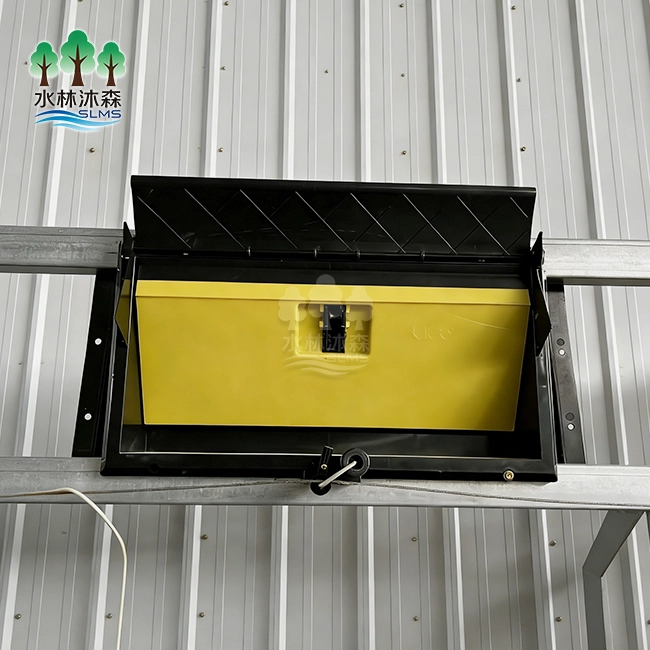
Our method for the ventilation inlet shows how to optimize design for hard winter circumstances. The 560mm x 270mm footprint fits standard barn building spacing and has enough space for large-scale activities. The 1.5 kg unit weight makes it easy to place without the need for structural support, and the ABS construction can handle impacts that would break less durable materials.
The installation hole is 570 mm x 280 mm, and there is a 10 mm gap around the edges for sealing material to be used, making sure the mounting is weathertight. The louver device can be adjusted to precisely control the flow of air, and the stainless steel spring system keeps the closing force constant over years of use. The built-in wind deflector gets rid of the need to install different baffles. This makes setting easier and lowers the number of places where something could go wrong.
Installation and Maintenance Guide for Cold Climate Air Inlets
Installing something correctly sets it up to work well for a long time, and regular care keeps it working well for as long as the equipment lasts. Proper Poultry House Air Inlet management is critical during the winter transition.
Strategic Placement and Mounting Procedures
When putting inlets along sides, you need to think about the width of the barn, the height of the roof, and where the exhaust fans will go. Inlets should be placed every 8 to 12 feet along walls that are opposite where your vent fans are. This space makes sure that the air throw patterns meet, which gets rid of dead zones. The height of the mounting usually places the tops of the inlets 6 to 12 inches below the ceiling. This gives the air plenty of room to mix before it falls.
Videos that come with professional tools show the important steps that must be taken to make sure the mounting is weathertight. The rough hole needs to be cut exactly to the right size so that there aren't any gaps that are too big and make closing impossible. Putting constant beads of polyurethane glue around the opening's edge stops air from getting around the frame. The fixing lip should evenly squeeze the sealant. This can be confirmed by looking for sealant squeeze-out around the whole edge.
Winterization and Seasonal Preparation
Protocols for pre-winter inspections should make sure that all moving parts can move easily without getting stuck or having too much resistance. The control system needs to be tested across its full range of motion to make sure it moves smoothly from the fully closed position to the most open position. When the spring strain is let go, the inlet should snap shut strongly, making full contact between the sealing surfaces.
Cleaning the dust and biological matter that has built up on the louvers makes sure that air can flow freely. When feathers build up on entrance screens, they can cut down on the effective opening area by 20 to 30 percent. This makes fans work harder to keep the goal static pressure. Cleaning with compressed air or a soft brush can get rid of blocks without hurting the parts.
Troubleshooting Common Cold Weather Failures
When mist drips from inlets, it's usually because the insulation has failed or air is leaking around the mounting edge. When working in cold weather, thermal imaging quickly finds thermal bridges that move heat through the system. Degradation of the sealing substance lets cold air in, which cools the inside frame surface below the dew point and causes collection of water.
If the inlet mechanisms freeze shut in very cold weather, it means that water is getting into the actuator body. To prevent this, you need to make sure that the drain holes stay clear and the closing covers stay compressed. Putting silicone grease on moving parts before winter keeps them mobile even when temperatures are very high or very low. Staying away from petroleum-based lubricants, on the other hand, keeps plastic from breaking down.
Procurement Considerations for Poultry House Air Inlet Systems
Strategic choices about where to get things affect both short-term project funds and long-term operating costs. When evaluating providers for your Poultry House Air Inlet needs, you need to look at more than just the initial price quotes.
Supplier Qualification and Service Capabilities
Manufacturers that have been around for a long time and have a track record of reliability lower risk in important ventilation uses. Weifang Shuilin Musen Aquaculture Equipment Co., Ltd. is a skilled company that has been in the farming and livestock gear business for eight years. Their full range of services, including research and development, sales support, after-sales service, and expert advice, makes sure that their relationships are more like partnerships than transactions.
Professional providers keep enough inventory on hand to support quick project timelines and keep building from being held up while waiting for tools to arrive. The ability to make things to order means that specifications can be changed to get the best performance for each location. If you can change the sizes, materials, or mounting arrangements, you can make solutions that fit your barn design perfectly instead of having to make adjustments because of the limits of standard products.
Warranty Coverage and Technical Support
Professional-grade equipment comes with a normal one-year warranty that covers your investment against flaws in the manufacturing process and early breakdowns. The warranty should make it clear that it covers all parts, like frames, motors, springs, and deflectors. Knowing how to file a claim before you buy something will keep you from being frustrated when you need help.
Technical help tools have a big effect on how well implementation goes. Installation video sources show you how to set up things step by step, which cuts down on mistakes that slow things down. Manufacturers like Shuilin Musen offer on-site installation services that take away the need to guess and make sure the right setup is used from the start. When you have a professional do the work, they will often set an environmental controller to connect the air intakes to your whole ventilation system.
Cost Analysis and Bulk Purchasing Advantages
Volume pricing systems are very helpful for big projects that need to put dozens or even hundreds of inlets. Manufacturers usually offer deals that go from 50 to 100 units and go down even more as the number of units sold goes up. It's often better value to negotiate full package prices for whole barn setups than to buy parts separately.
Projecting energy saves against the original investment is needed to figure out the total cost of ownership. Insulated, automated inlet systems with better efficiency use 15 to 25 percent less heating fuel than basic air methods. For businesses that heat 40,000-square-foot barns, this means saving $2,000 to $4,000 a year, which means the equipment pays for itself in two to three years, even if it costs more.
Customization Options and Engineering Support
Professional makers can make changes to the specifications that are needed to solve problems that are unique to your location. For openings that will be in full sunlight, normal ABS could be switched out for UV-stabilized versions, or for very large openings, reinforced plastics could be used instead. Customizing dimensions makes it possible to find answers for problems like walls with non-standard thicknesses or space needs that aren't standard.
The engineering team at companies like Shuilin Musen can help you figure out the best number, placement, and size of inlets based on the size of your barn, the number of birds that will be using it, and the weather in your area. This application engineering gets rid of the need to try things out and see what works and what doesn't, which loses money on equipment that is too small or too big. Their professional engineering team of five people uses their years of experience and strong technical skills to come up with custom solutions instead of just making general suggestions.
Conclusion
The success of a poultry business in a cold environment depends on choosing the best Poultry House Air Inlet systems. These systems have direct effects on the health of the birds, the cost of heating, and the amount of work that needs to be done. When compared to basic options, professional-grade equipment that is built with insulation, precise temperature control, and long-lasting materials performs much better. Using wind deflector technology, corrosion-resistant parts, and weathertight sealing together makes systems that work well in tough winter circumstances.
When making purchases, people should look at the total cost of ownership instead of just the initial purchase price. They should look at things like how much energy they use, how much upkeep they need, and how well the seller can help them. Working with well-known companies that offer full technical support, customization options, and a history of success guarantees successful projects that improve working conditions for maximum efficiency.
FAQ
Q1: What kind of outlet specs work best in places that are very cold, below -20°F?
A: When a business is exposed to very cold temperatures, it needs to have Poultry House Air Inlet units that are insulated with at least 15-20 mm of closed-cell foam and thermal break designs that don't use metal parts to connect the inside and outside surfaces. The useful temperature range should clearly include the coldest temperatures in your area, with quality models listed from -30℃ to 60℃. Check to see if the closing gaskets stay flexible at very low temperatures. When rubber materials freeze, they harden and leak.
Q2: How often should checks of repair be done in the winter?
Visual checks every two weeks during the coldest times of the year catch problems as they start to form before they become system failures. These quick checks make sure that the air intakes can fully open and close, that no ice builds up to block airflow, and that condensation doesn't form on the inside of the unit. Cleaning dirt off of the louvers, checking the tightness of the springs, and making sure the sealant around the fixing edges are all part of regular monthly maintenance.
Q3: Can it be proven that automatic entry systems save energy?
When university researchers compare automatic and manual ventilation control, they find that more accurate static pressure upkeep cuts heating fuel use by 12 to 18%. As a safety measure, people tend to over-ventilate. Automated devices keep the minimum breathing rates that birds need without losing too much heat. Instead of waiting for planned manual changes, the continuous adjustment feature reacts right away to changing conditions.
Partner with Shuilin Musen Aquaculture Equipment Co., Ltd. for Superior Cold Climate Ventilation Solutions
Shuilin Musen Aquaculture Equipment Co., Ltd. offers designed ventilation solutions and has eight years of experience making tools for farming and raising animals. Our 560mm×270mm Poultry House Air Inlet is the result of a lot of hard work and study. It is made of ABS and has deflector technology and full insulation built right in. As a trusted provider to large-scale chicken businesses in harsh climates, we offer full support, including installation videos, on-site service, and a guarantee that protects your investment for one year.
Our professional engineering team changes the sizes, materials, and other details to fit the needs of your building exactly. The improved sealing technology and stainless steel spring systems make the equipment stable from -30℃ to 60℃. This means that you don't have to worry about maintenance issues or performance problems like you do with cheaper equipment. We have the production capacity, quality control, and after-sales support that successful relationships need, whether you're a procurement manager looking for bulk discounts for big projects or a farm equipment distributor wanting to add more products to your line. Get in touch with us at wangshuaislms@gmail.com to talk about how our tried-and-true air outlet systems can help your cold climate poultry ventilation work better while cutting costs.
References
1. Donald, J. (2018). Poultry Production Systems: Behavior, Management and Welfare. Wallingford: CABI Publishing.
2. Xin, H., Gates, R.S., Green, A.R., Mitloehner, F.M., Moore, P.A., & Wathes, C.M. (2011). Environmental impacts and sustainability of egg production systems. Poultry Science, 90(1), 263-277.
3. Czarick, M. & Lacy, M. (2019). Tunnel Ventilation of Broiler Houses. University of Georgia Cooperative Extension Bulletin 1333.
4. Purswell, J.L., Dozier, W.A., & Branton, S.L. (2012). Apparent latent heat of evaporation of broiler litter. Poultry Science, 91(6), 1326-1329.
5. Simmons, J.D., Lott, B.D., & May, J.D. (2003). Heat loss from broiler chickens subjected to various air speeds and ambient temperatures. Applied Engineering in Agriculture, 19(2), 195-200.
6. National Chicken Council. (2020). Animal Welfare Guidelines and Audit Checklist for Broiler Chickens. Washington, DC: National Chicken Council.
Learn about our latest products and discounts through SMS or email